


Last updated: June 30, 2026
Quick Answer: Choosing the right disposable vape comes down to five core factors: nicotine strength, puff count, flavor profile, device quality, and budget. Match nicotine level to your current smoking or vaping habits, pick a puff count that fits your usage frequency, choose a flavor you’ll actually enjoy daily, and stick with brands that carry proper regulatory compliance markings. This decision framework walks through each factor so the choice becomes straightforward rather than overwhelming.
Key Takeaways
- Nicotine strength is the most important choice. Light smokers (under 10 cigarettes per day) should start at 10 mg/mL or lower; heavy smokers can go up to 20 mg/mL in Canada.
- Puff counts are estimates, not guarantees. Real-world usage typically delivers 20-40% fewer puffs than the advertised number.
- Flavor preference is personal, but fruit and menthol blends dominate the 2026 market for good reason: they’re smooth and mask nicotine harshness.
- Price does not always equal quality. Some budget devices outperform expensive ones; focus on e-liquid capacity and coil type instead.
- Mesh coils produce better flavor and vapor than older wire coil designs. Most reputable 2026 devices use mesh coils by default.
- USB-C rechargeable disposables eliminate wasted e-liquid from dead batteries, making them a better value than non-rechargeable models.
- Always check for regulatory compliance — in Canada, that means a federal excise stamp and adherence to the 20 mg/mL nicotine cap.
- Disposable vapes are not risk-free. They are generally considered less harmful than combustible cigarettes, but they still contain nicotine and other chemicals.
- Beginners should start with lower puff counts (1,500-3,000) to test preferences before committing to larger devices.
- Refilling a disposable vape is not recommended and can damage the device or create safety hazards.
What Is a Disposable Vape and How Does It Work?
A disposable vape is a single-use electronic device that heats a pre-filled e-liquid to produce an inhalable vapor. It requires no setup, no charging (in most cases), and no refilling — you use it until the e-liquid or battery runs out, then dispose of it responsibly.
The internal components are simple:
- Battery: A small lithium-ion cell, typically 400-850 mAh depending on device size. Many 2026 models include USB-C charging ports so the battery outlasts the e-liquid.
- Coil: A heating element (usually mesh in modern devices) that vaporizes the liquid. Mesh coils heat more evenly, which means better flavor and fewer burnt hits.
- E-liquid reservoir: Pre-filled with a mixture of propylene glycol (PG), vegetable glycerin (VG), nicotine (usually nicotine salts), and food-grade flavorings.
- Mouthpiece: The part you draw from. Most devices are draw-activated, meaning there are no buttons — you simply inhale.
For a deeper look at the internal mechanics, see this guide on how disposable vapes work, including battery, coil, and e-liquid details.
The average advertised puff count in 2026 has climbed to around 28,400 puffs — a massive jump from roughly 4,200 in 2022. That said, most everyday users don’t need anywhere near the highest puff counts available. The right device size depends entirely on how much and how often you vape.
Disposable Vape vs. Rechargeable Vape: Which Is Better?
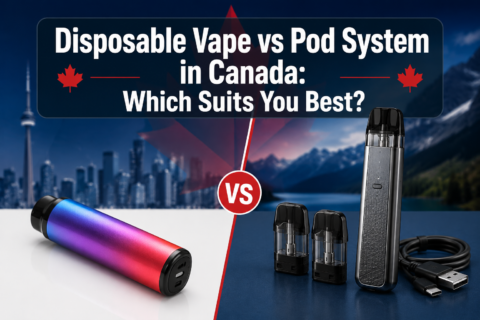
Disposable vapes are better for convenience and low commitment. Rechargeable (refillable) vapes are better for long-term cost savings and customization. Neither is universally superior — the right choice depends on how you plan to use it.

Here’s a direct comparison:
| Factor | Disposable Vape | Rechargeable/Pod System |
|---|---|---|
| Upfront cost | Low ($8-$25 per device) | Higher ($25-$60 for starter kit) |
| Ongoing cost | Higher over time | Lower (replacement pods/coils only) |
| Convenience | No maintenance, no setup | Requires charging, refilling, coil changes |
| Flavor options | Pre-set; wide variety available | Unlimited (choose your own e-liquid) |
| Nicotine control | Fixed per device | Adjustable by changing e-liquid |
| Environmental impact | Higher waste per unit | Less waste over time |
| Best for | Beginners, travelers, occasional users | Daily vapers, budget-conscious users |
Choose a disposable if: You’re new to vaping, want zero learning curve, or need something portable for short-term use.
Choose a rechargeable if: You vape daily, want to control nicotine levels precisely, or care about reducing waste and long-term cost.
For a more detailed breakdown of this comparison in a Canadian context, check out disposable vape vs. pod system: which is better.
How Long Does a Disposable Vape Last?
A disposable vape lasts anywhere from one day to several weeks, depending on the puff count and your personal usage habits. A light user taking 100-200 puffs per day can stretch a 3,000-puff device for two to three weeks. A heavy user taking 500+ puffs daily might finish the same device in under a week.
Key points about puff count longevity:
- Manufacturer puff counts are tested in lab conditions with short, consistent draws. Real-world usage almost always delivers fewer puffs because draw length, frequency, and intensity vary.
- A practical rule of thumb: Expect roughly 60-80% of the advertised puff count in actual use.
- E-liquid capacity matters more than puff count alone. A device with 12 mL of e-liquid will last longer than one with 8 mL, even if both claim 5,000 puffs.
- Battery life can be the limiting factor in non-rechargeable models. If the battery dies before the e-liquid is gone, you’ve wasted product.
Common mistake: Buying the highest puff count available without considering how quickly flavors can degrade. E-liquid sitting in a device for weeks may lose flavor quality. If you’re a light user, a mid-range device (2,000-5,000 puffs) often provides a better experience than a 20,000-puff unit.
Learn the signs that your device is running low in this article on how to tell when a disposable vape is near the end.
What Nicotine Strength Should You Choose?
The right nicotine strength depends on your current nicotine intake. In Canada, the legal maximum is 20 mg/mL, and most disposable vapes use nicotine salts, which deliver nicotine more smoothly than freebase nicotine at the same concentration.
Here’s a practical matching guide:
- Non-smoker or very occasional social smoker: 0 mg/mL (nicotine-free) or avoid nicotine products entirely.
- Light smoker (1-10 cigarettes per day): 10 mg/mL or lower.
- Moderate smoker (10-20 cigarettes per day): 15-20 mg/mL.
- Heavy smoker (20+ cigarettes per day): 20 mg/mL (the Canadian cap). If transitioning from smoking, this level most closely mimics the nicotine hit of a cigarette.
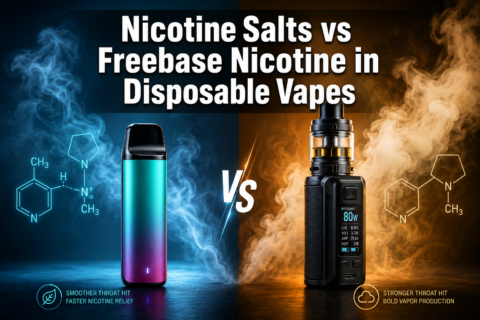
Why nicotine salts matter: Most disposable vapes in 2026 use nicotine salts rather than freebase nicotine. Nicotine salts absorb into the bloodstream faster and feel smoother at higher concentrations. This makes them effective for smokers trying to switch, but it also means the nicotine effect can feel stronger than expected for someone with low tolerance.
Edge case: If 20 mg/mL feels too harsh (throat irritation, dizziness, nausea), step down to 10 mg/mL. Starting too high is one of the most common mistakes new vapers make. It’s easier to move up than to push through an unpleasant experience.
For more on this topic, read about nicotine salts vs. freebase nicotine in disposable vapes.
Best Disposable Vapes for Beginners: Applying the Decision Framework
Beginners should prioritize simplicity, moderate nicotine strength, and a familiar flavor. The best starter disposable vape is one with a lower puff count (1,500-3,000), a comfortable nicotine level, and a draw-activated design with no buttons or settings to adjust.
What makes a device beginner-friendly:
- Draw-activated firing — no buttons to press, no power settings to learn.
- Compact size — fits easily in a pocket or purse without feeling like you’re carrying a gadget.
- Moderate puff count — 1,500 to 3,000 puffs lets you test a flavor and nicotine level without a big financial commitment.
- Mesh coil — produces consistent flavor from the first puff to the last, reducing the chance of a bad first impression from burnt hits.
- Clear labeling — nicotine strength, e-liquid volume, and ingredients should be easy to find on the packaging.
Decision rule for beginners: Start with one or two devices in different flavors at a moderate nicotine strength (10-15 mg/mL). Use them for a week before deciding whether to adjust flavor, nicotine, or device size. Buying a 20,000-puff device as your first vape is like buying a year’s supply of a food you’ve never tasted.
Browse options suited for new users in the disposable vape collection.
How to Choose the Right Disposable Vape Brand: Quality Ranking Factors
Not all disposable vape brands deliver the same quality. The most reliable way to evaluate a brand is to check for regulatory compliance, coil technology, battery type, and consistency across flavors — not just marketing claims or social media popularity.
Quality indicators to look for:
- Federal excise stamp (in Canada): This confirms the product was legally imported and meets Canadian standards. No stamp means the product may not comply with nicotine limits or safety requirements.
- Mesh coil technology: Brands using mesh coils consistently outperform those using older wire coils in flavor delivery and vapor production.
- USB-C rechargeable battery: This feature ensures you use all the e-liquid you paid for, rather than throwing away a device with a dead battery and remaining liquid.
- Transparent ingredient listing: Reputable brands list PG/VG ratio, nicotine type, nicotine concentration, and flavoring details on the packaging.
- Consistent reviews across flavors: A good brand delivers quality across its entire flavor lineup, not just one or two popular options.
Common mistake: Choosing a brand based solely on the highest puff count. Some brands inflate puff counts by using thinner e-liquid or lower-power coils, which results in weaker flavor and less satisfying vapor. A 5,000-puff device with quality e-liquid and a mesh coil often provides a better experience than a 15,000-puff device with poor internals.
How Much Does a Disposable Vape Cost?

Most disposable vapes in Canada cost between $8 and $30 per device, with price varying based on puff count, brand, and where you buy. A basic 1,500-puff device typically runs $8-$12, while a high-capacity 5,000+ puff device costs $15-$30.
Cost breakdown by usage level:
| User Type | Puffs Per Day | Recommended Device | Approx. Cost Per Month |
|---|---|---|---|
| Light (social/occasional) | 50-150 | 1,500-2,000 puffs | $8-$15 |
| Moderate (daily) | 200-400 | 3,000-5,000 puffs | $15-$40 |
| Heavy (frequent daily) | 500+ | 5,000+ puffs | $30-$60+ |
Where price varies:
- Convenience stores tend to charge more per device than specialty vape shops.
- Online retailers often offer lower per-unit prices, especially on multi-packs.
- Wholesale pricing can significantly reduce cost for retailers or bulk buyers.
Decision rule: Calculate your cost per puff, not just cost per device. A $25 device with 5,000 real-world puffs ($0.005/puff) is cheaper than a $10 device with 1,000 real-world puffs ($0.01/puff). For affordable options, explore disposable vapes in Ontario under $20.
Supply chain disruptions in early 2026, partly driven by geopolitical tensions, have pushed production and distribution costs higher. This may affect pricing and availability through the rest of the year, so stocking up on preferred devices when they’re available can be a smart move.
What Flavor Disposable Vape Should You Get?
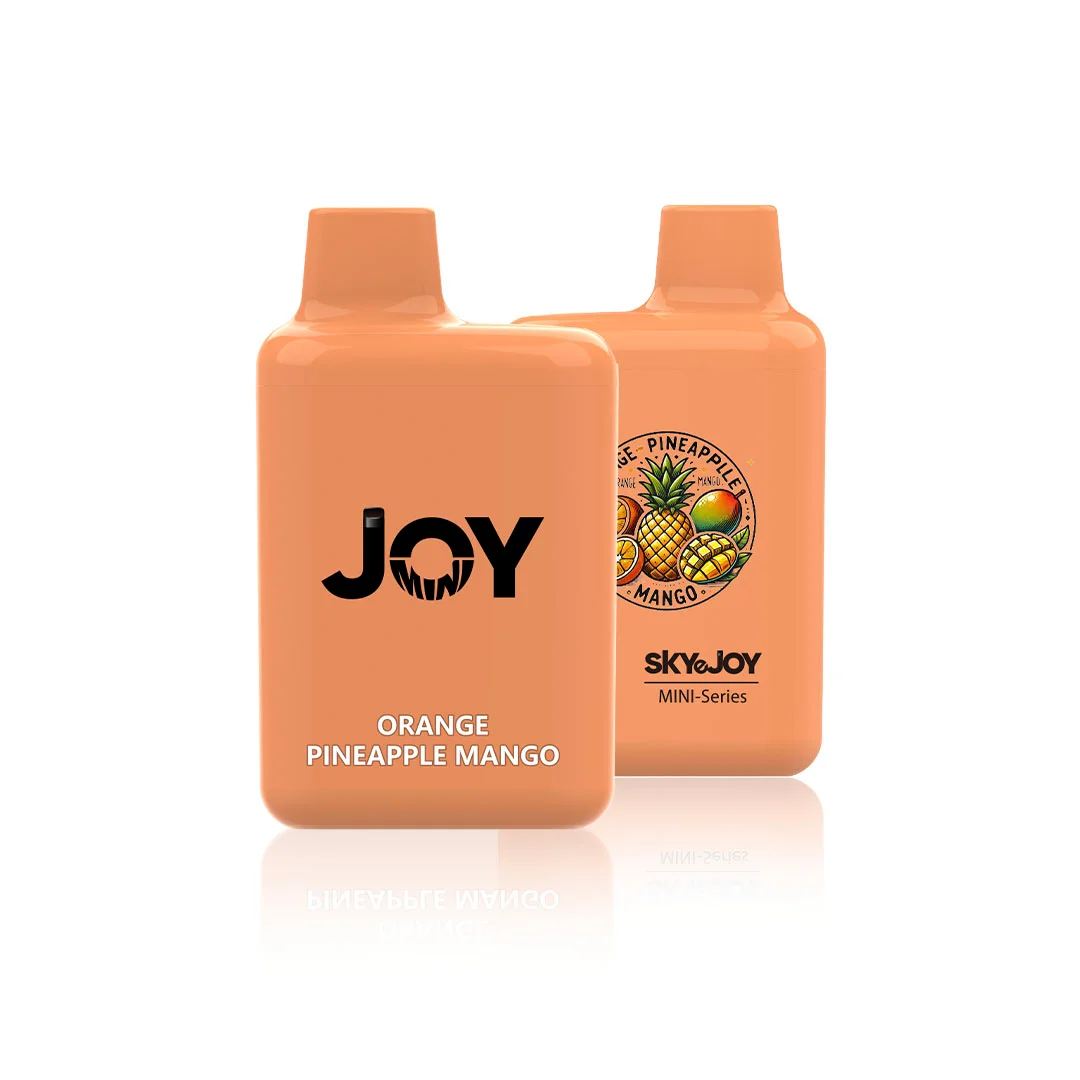
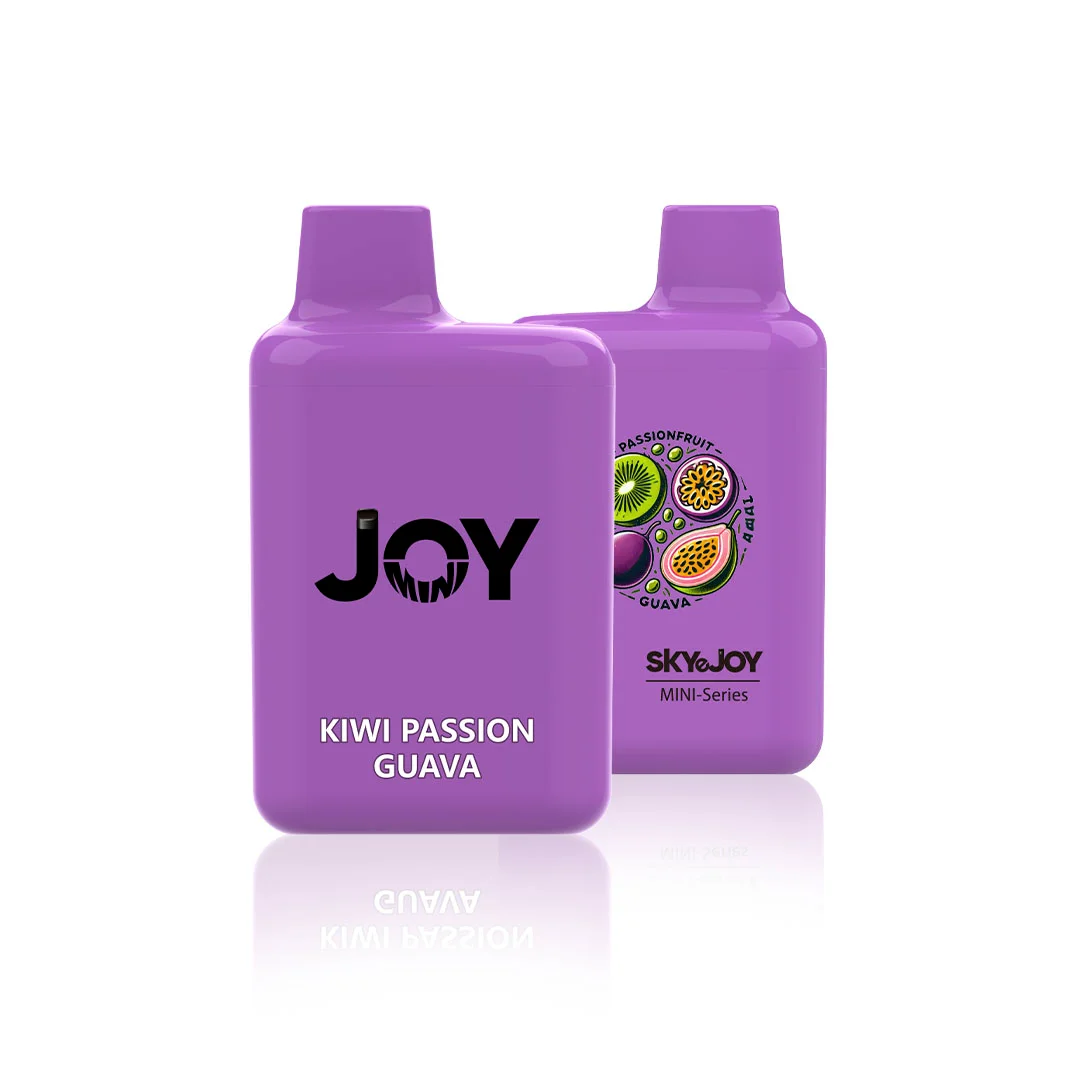
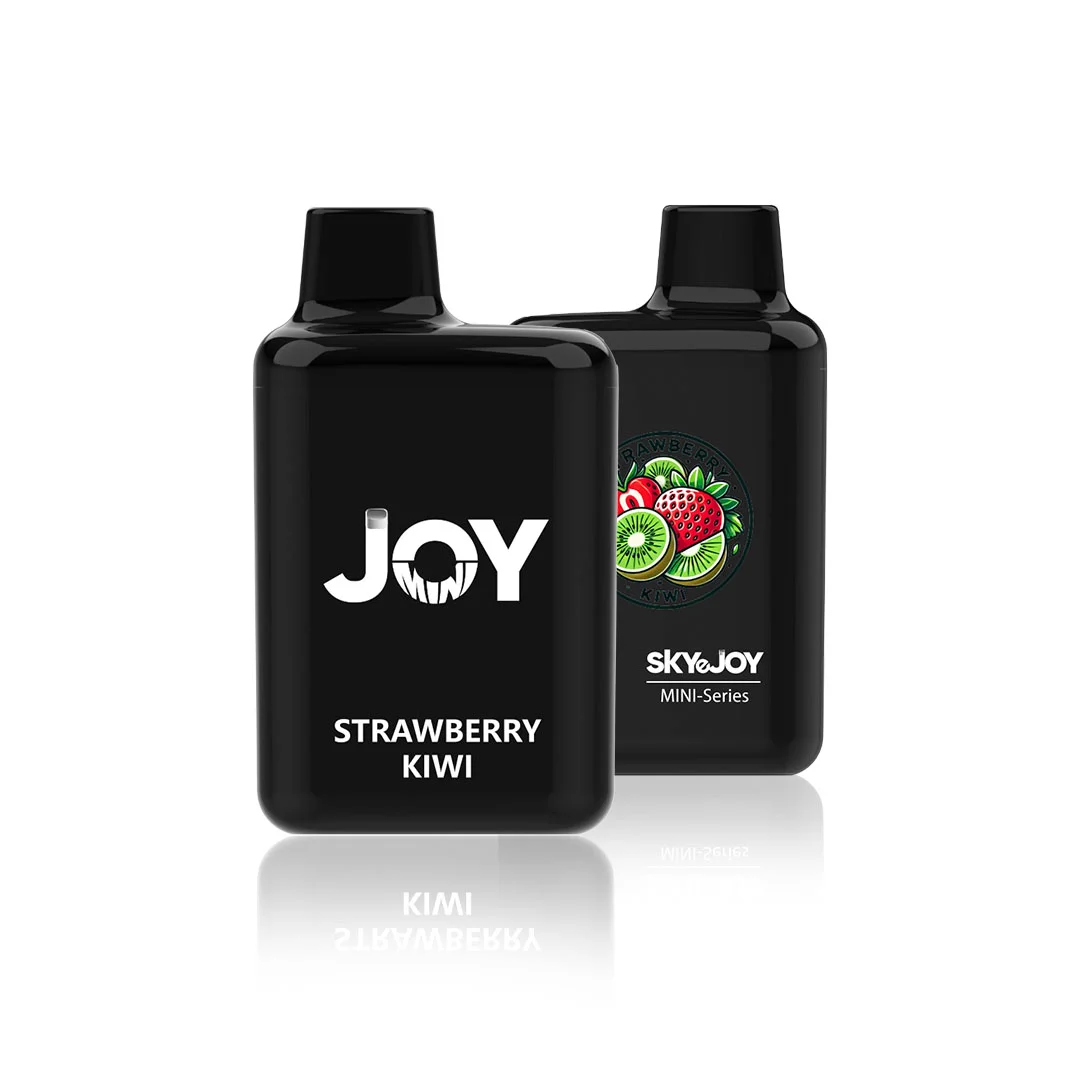
Start with a flavor category you already enjoy in other contexts — fruit, mint, dessert, or tobacco — then narrow down from there. In 2026, the top-performing disposable vape flavors include Strawberry Ice, Mango Peach, Blue Razz, Watermelon Fusion, Cool Mint, and Grape Ice.
Flavor categories and who they suit:
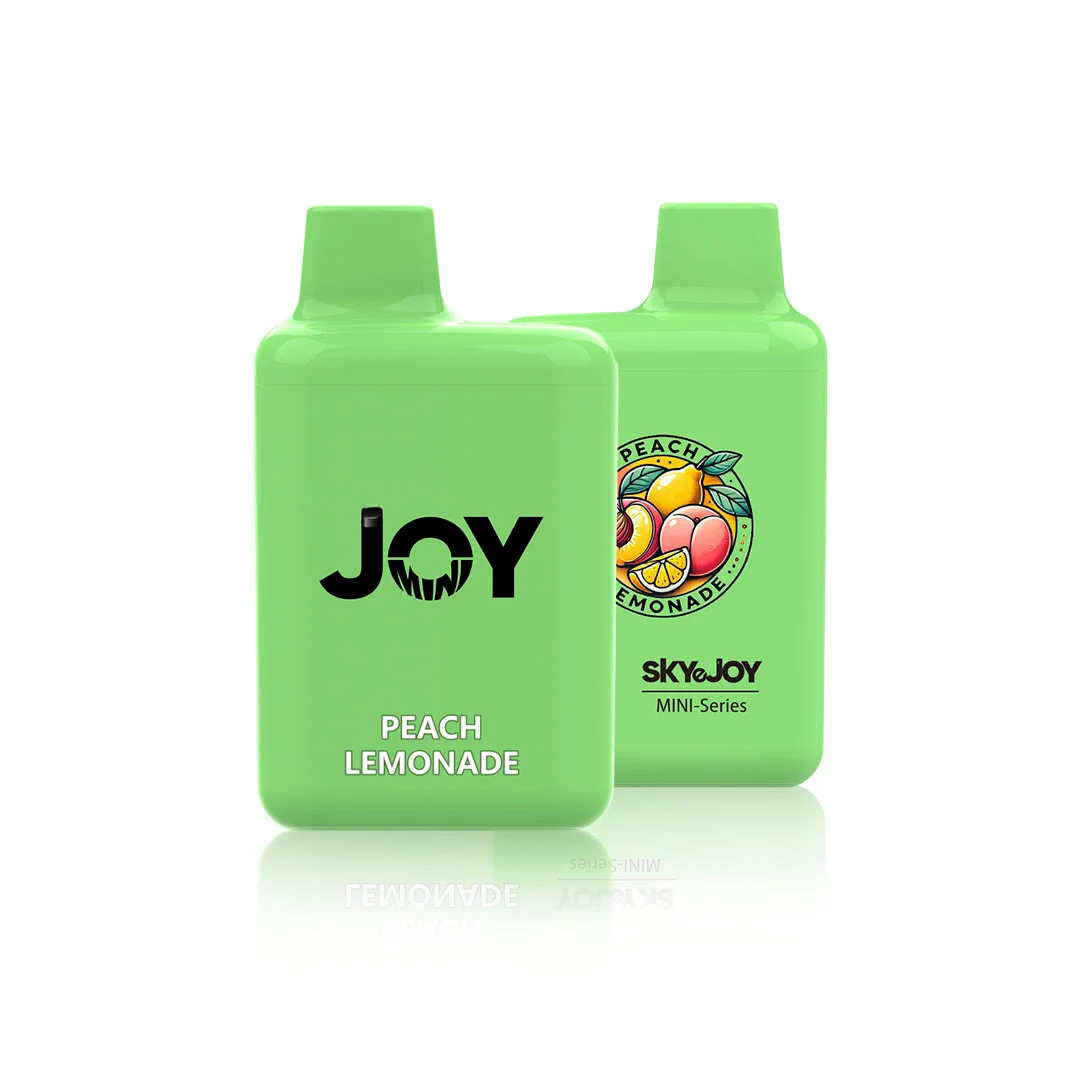
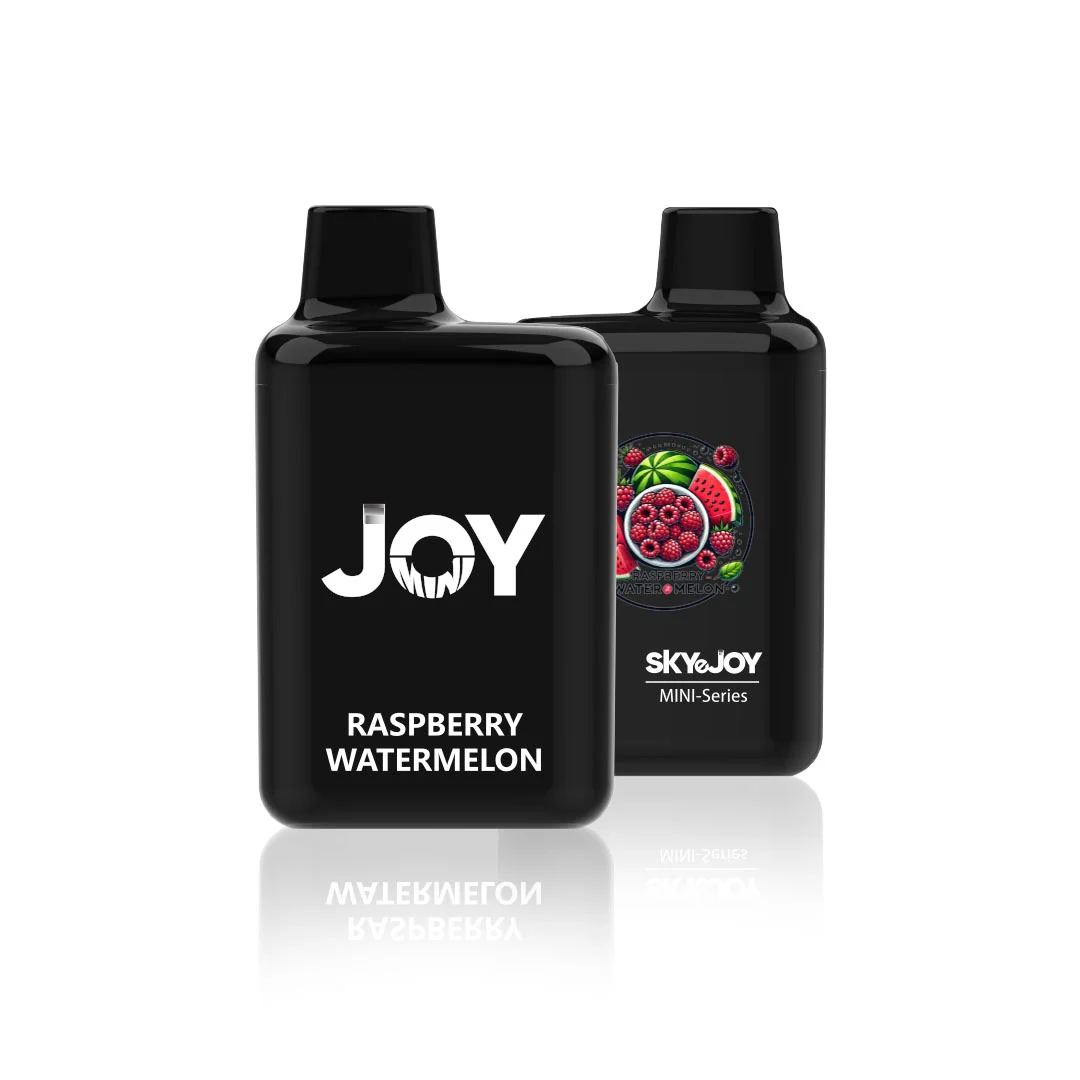
- Fruit blends (mango, strawberry, watermelon, berry): The most popular category. Good for beginners because they’re smooth and mask nicotine harshness. Try options like Peach Lemonade or Raspberry Watermelon as starting points.
- Menthol and mint: Ideal for former menthol cigarette smokers. Provides a cooling throat hit that mimics the sensation of mentholated tobacco.
- Tobacco: Best for smokers who want a familiar taste during transition. These flavors replicate the earthy, slightly sweet notes of tobacco without combustion.
- Dessert and candy (custard, vanilla, cotton candy): Sweeter profiles that appeal to users who want vaping to feel like a treat rather than a cigarette replacement.
- Ice/cooling blends: Any flavor with a menthol or cooling finish. These add a refreshing element to fruit or candy bases.
Practical tip: Buy two different flavors in small puff counts before committing to a large device in one flavor. Flavor fatigue is real — a flavor that tastes great on the first day can become tiresome after a week of exclusive use.
Regional note for Ontario: Convenience stores in Ontario are limited to mint, menthol, and tobacco flavors. Specialty vape shops and online retailers carry the full range of fruit and dessert options.
Disposable Vapes for Heavy Smokers vs. Light Users
Heavy smokers (20+ cigarettes per day) need higher nicotine strength and higher puff counts than light or social users. The decision framework shifts significantly based on current nicotine dependence.
For heavy smokers transitioning to vaping:
- Choose 20 mg/mL nicotine salt (the Canadian maximum).
- Select a device with at least 3,000-5,000 puffs to avoid running out mid-day.
- Opt for tobacco or strong menthol flavors initially — they provide the most familiar sensory experience.
- Expect to take more frequent, shorter puffs compared to cigarette smoking. Vaping delivers nicotine differently, so the pattern of use changes.
- Don’t be discouraged if the first device doesn’t feel “right.” It often takes two or three tries to find the combination that satisfies.
For light or social users:
- Start at 10 mg/mL or lower. Going too high causes dizziness, nausea, and headaches.
- A 1,500-2,000 puff device is plenty for someone who vapes a few times per week.
- Fruit and dessert flavors tend to be more enjoyable for people who aren’t chasing a cigarette-like experience.
- Consider 0 mg/mL (nicotine-free) options if the goal is purely social or sensory.
Edge case: Some moderate smokers (10-15 cigarettes per day) find that 20 mg/mL is too strong but 10 mg/mL isn’t satisfying enough. In Canada, 15 mg/mL options exist but are less common. If available, they’re worth trying as a middle ground.
Why Isn’t My Disposable Vape Hitting Properly?
The most common reasons a disposable vape won’t produce vapor are a dead battery, an air bubble blocking the wick, or an empty e-liquid reservoir. Before assuming the device is defective, try these troubleshooting steps.
Step-by-step troubleshooting:
- Check the battery. If the device has an indicator light, see if it blinks when you draw. Rapid blinking usually means the battery is dead. If the device has a USB-C port, charge it for 15-30 minutes and try again.
- Clear air bubbles. Gently tap the device against your palm or a soft surface. Air bubbles can form around the wick and prevent e-liquid from reaching the coil.
- Check for blockages. Look into the mouthpiece for any debris or condensation buildup. A quick blow through the mouthpiece (away from your face) can clear minor blockages.
- Let it rest. If you’ve been chain-vaping (taking many puffs in quick succession), the wick may be dry. Set the device down for 2-3 minutes to let the e-liquid re-saturate the coil.
- Check the e-liquid level. Some devices have a small window showing remaining liquid. If it’s empty, the device is done.
When to replace rather than troubleshoot: If the vapor tastes burnt, the device produces no vapor after charging, or the flavor has become noticeably off, the device has likely reached the end of its life. Learn more about why some disposable vapes taste burnt and how to avoid it.
Can You Refill a Disposable Vape?
No. Disposable vapes are not designed to be refilled, and attempting to do so is not recommended. The devices are sealed units with components intended for single use.
Why refilling is a bad idea:
- Safety risk: Prying open a sealed device can damage the battery, creating a risk of leaking, overheating, or in rare cases, venting.
- No quality control: The coil in a disposable is designed to last for a specific volume of e-liquid. Refilling means using a degraded coil, which produces poor flavor and potentially harmful byproducts from overheated wicking material.
- Warranty void: Any damage from tampering is not covered by manufacturers.
- Messy and impractical: The reservoirs are not designed for easy access. Spilled e-liquid is wasteful and can irritate skin.
If you want to refill: Switch to a refillable pod system instead. Pod systems are designed for repeated use, offer better long-term value, and give you full control over e-liquid selection.
Disposable Vape Alternatives That Are Cheaper
For users looking to reduce costs, refillable pod systems and bottled e-liquid are the most practical alternatives to disposable vapes. The upfront cost is higher, but the per-puff cost drops significantly over time.
Cheaper alternatives ranked by savings:
- Refillable pod systems — Devices like basic pod kits cost $25-$50 upfront. Replacement pods cost $3-$8 each and last 1-2 weeks. A 30 mL bottle of e-liquid ($12-$20) can last 2-4 weeks depending on usage. Monthly cost for a moderate user: roughly $20-$35, compared to $30-$60+ with disposables.
- Rechargeable disposables with higher e-liquid capacity — These bridge the gap between true disposables and pod systems. They cost more per unit but deliver more puffs per dollar.
- Nicotine pouches — Not a vaping product, but an alternative nicotine delivery method. Pouches are smokeless, vapor-free, and cost $5-$10 per tin (roughly 20 pouches). They’re useful in situations where vaping isn’t allowed.
- Nicotine gum or patches — Pharmaceutical-grade nicotine products available at pharmacies. Less satisfying for users who enjoy the hand-to-mouth ritual, but effective for pure nicotine replacement.
Decision rule: If you’re spending more than $40 per month on disposable vapes, a refillable pod system will likely save you money within the first month of switching.
Are Disposable Vapes Safe to Use?
Disposable vapes are not risk-free, but current evidence suggests they are significantly less harmful than smoking combustible cigarettes. They should not be used by non-smokers, minors, or pregnant individuals.
What the evidence shows:
- Vaping eliminates combustion, which is responsible for the tar, carbon monoxide, and most of the carcinogens in cigarette smoke.
- Public Health England (now the Office for Health Improvement and Disparities) has maintained that vaping is roughly 95% less harmful than smoking, though this figure has been debated and should be understood as a broad estimate rather than a precise measurement.
- Long-term health effects of vaping are not yet fully understood because the products haven’t been widely used long enough for multi-decade studies.
- Nicotine itself is addictive and can affect cardiovascular health, brain development in young people, and blood pressure.
Safety considerations specific to disposable vapes:
- Battery safety: Lithium-ion batteries can overheat if damaged, exposed to extreme temperatures, or charged with incompatible cables. For detailed safety guidance, read about disposable vape battery safety and how to store devices.
- Product authenticity: Counterfeit or unregulated devices may contain harmful substances not listed on the label. Always buy from licensed retailers and check for compliance markings.
- Nicotine overdose: Using a nicotine strength that’s too high for your tolerance can cause nausea, headaches, and dizziness. Start low if you’re unsure.
Bottom line: If you currently smoke and are looking for a less harmful alternative, disposable vapes are a reasonable option. If you don’t currently use nicotine, starting with a disposable vape introduces an unnecessary health risk.
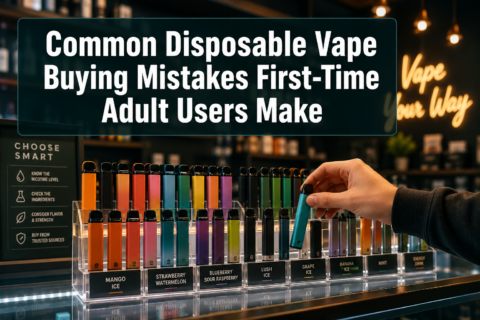
Common Mistakes People Make When Buying Disposable Vapes
The biggest mistake is choosing based on puff count or price alone without considering nicotine strength, flavor, and device quality. Here are the most frequent errors and how to avoid them.
Mistake 1: Starting with too much nicotine. New vapers often pick the highest available nicotine strength, assuming it will be more satisfying. For non-smokers or light smokers, 20 mg/mL causes unpleasant side effects. Start at 10 mg/mL or lower and adjust upward only if needed.
Mistake 2: Buying the biggest device first. High puff count devices lock you into one flavor and nicotine level for weeks. If you don’t like it, you’ve wasted money. Start small, test preferences, then scale up.
Mistake 3: Ignoring regulatory compliance. In Canada, legal vape products carry a federal excise stamp and comply with the 20 mg/mL nicotine cap. Products without these markings may contain unregulated ingredients or inaccurate nicotine levels.
Mistake 4: Chain-vaping without breaks. Drawing on a disposable vape continuously without pauses dries out the wick, leading to burnt hits and a shorter device lifespan. Take 15-30 second breaks between puffs.
Mistake 5: Storing devices improperly. Leaving a disposable vape in a hot car, direct sunlight, or extreme cold degrades the battery and e-liquid. Store at room temperature.
Mistake 6: Not checking the return policy. Some retailers accept returns on defective devices; others don’t. Know the policy before you buy, especially for higher-priced devices.
For a comprehensive list, see common disposable vape buying mistakes first-time users make.
A Step-by-Step Decision Checklist for Choosing the Right Disposable Vape
Use this checklist to work through the decision framework systematically:
- Determine your nicotine need. Are you a current smoker? How many cigarettes per day? Match to the appropriate mg/mL level.
- Set your budget. Decide how much you’re willing to spend per device and per month.
- Choose a flavor category. Fruit, menthol, tobacco, or dessert? Pick one or two to start.
- Select a puff count range. Beginner or occasional: 1,500-3,000. Daily moderate: 3,000-5,000. Heavy daily: 5,000+.
- Check device features. Mesh coil? USB-C rechargeable? Draw-activated? These features improve the experience.
- Verify regulatory compliance. In Canada, look for the federal excise stamp and confirm the nicotine concentration is within legal limits.
- Buy from a licensed retailer. Avoid unverified online sellers or products without clear labeling.
- Test before committing. Buy one or two small devices before purchasing in bulk or choosing a high-puff-count unit.
Frequently Asked Questions
How many puffs on a disposable vape equal one cigarette? Roughly 10-15 puffs on a disposable vape at 20 mg/mL nicotine salt delivers a comparable amount of nicotine to one cigarette. This varies by device, draw length, and nicotine concentration.
Can I bring a disposable vape on a plane? Yes, but it must go in your carry-on luggage, not checked baggage. Airlines prohibit vaping on board. Check destination country regulations, as some countries ban vape products entirely.
How do I dispose of a used disposable vape? Do not throw disposable vapes in regular trash or recycling. The lithium-ion battery requires proper e-waste disposal. Many vape shops and municipal hazardous waste facilities accept used devices.
Why does my new disposable vape taste burnt right away? A burnt taste on a new device usually means a manufacturing defect or a dry wick. Try letting the device sit upright for five minutes to allow e-liquid to saturate the coil. If it persists, the device is likely defective and should be returned.
Do disposable vapes expire? Yes. E-liquid degrades over time, losing flavor and nicotine potency. Most devices have a shelf life of 12-18 months from manufacture. Check for an expiration or manufacture date on the packaging.
What’s the difference between nicotine salt and freebase nicotine in disposable vapes? Nicotine salts absorb faster and feel smoother at higher concentrations. Freebase nicotine produces a harsher throat hit at the same strength. Nearly all disposable vapes in 2026 use nicotine salts.
Are high-puff-count disposable vapes worth it? They can be, if you vape frequently and want fewer device changes. But the flavor quality may decline toward the end of a very high-puff device. For most users, 3,000-5,000 puffs offers the best balance of value and experience.
Is it cheaper to buy disposable vapes online? Generally, yes. Online retailers typically offer lower per-unit prices and multi-pack discounts. Factor in shipping costs and delivery time when comparing.
Can I use a disposable vape to quit smoking? Many adults use disposable vapes as a smoking cessation tool, starting at a nicotine strength that matches their cigarette intake and gradually stepping down. However, disposable vapes are not officially approved as cessation devices in most jurisdictions. Consult a healthcare provider for personalized advice.
What does “draw-activated” mean? Draw-activated means the device fires automatically when you inhale through the mouthpiece. There’s no button to press. This is the standard design for disposable vapes and the simplest option for beginners.
Conclusion
Choosing the right disposable vape doesn’t require expert knowledge — it requires a clear framework. Start with nicotine strength matched to your actual usage, pick a flavor category you’re likely to enjoy, choose a puff count that fits your consumption pattern, and verify that the device meets regulatory standards in your region.
The single most actionable step is to start small. Buy one or two compact devices in different flavors at a moderate nicotine level. Use them for a few days. Then adjust based on what you liked and didn’t like. This approach costs less, reduces waste, and gets you to the right device faster than guessing on a large purchase.
For Canadian buyers, always confirm the presence of a federal excise stamp and check that nicotine concentration stays within the 20 mg/mL legal limit. Buy from licensed retailers, store devices at room temperature, and dispose of used units through proper e-waste channels.
The disposable vape market in 2026 offers more options than ever before. That’s both the opportunity and the challenge. Use this decision framework to cut through the noise and find a device that actually fits your needs.