


Last updated: August 18, 2026
Quick Answer
Switching wholesale vape suppliers mid-year is a common move for Ontario vape retailers, but it requires careful planning around inventory overlap, compliance documentation, and contract terms. The transition typically takes two to six weeks when handled properly. Retailers do not need to notify the AGCO when changing nicotine vape suppliers, though they must ensure all new products meet federal labelling, nicotine cap, and excise stamp requirements. The biggest risks are stock gaps during the changeover and accidentally onboarding non-compliant products that now carry fines up to $3,000 under updated 2026 federal regulations.
Key Takeaways
- Ontario retailers can switch nicotine vape wholesalers at any time without notifying the AGCO, but cannabis vape products must still come exclusively through OCS or AGCO-licensed channels.
- The transition typically takes two to six weeks, depending on how quickly a new supplier can fulfill initial orders and whether existing contracts have exit clauses.
- Federal fines for non-compliant vape products increased in 2026, with penalties now ranging from $500 to $3,000 for designated offences, making compliance documentation from new suppliers more important than ever.
- Running parallel orders from old and new suppliers for two to four weeks prevents stock gaps and lets retailers test the new partner’s reliability before fully committing.
- Ontario has no provincial flavour ban as of 2026, but flavoured nicotine vapes are restricted to specialty vape shops and cannabis retail stores serving customers 19 and older, with menthol, mint, and tobacco exempt.
- Nicotine strength is capped at 20 mg/mL across Ontario, and all products must carry proper federal excise stamps.
- Existing stock from the old supplier can be sold through as long as it remains compliant with current regulations.
- Municipal by-laws can impose additional restrictions beyond provincial rules, so new product lines should be checked against local regulations before ordering.
- Negotiating payment terms, return policies, and volume discounts upfront saves money and reduces risk during the transition period.
- Retailers competing with chains like 180 Smoke (33 Ontario locations) and Dragonvape should evaluate whether a new supplier can match the assortment depth and pricing needed to stay competitive.
What Are the Main Reasons to Switch Vape Suppliers Mid-Year?
Most Ontario retailers switch wholesale vape suppliers mid-year because of pricing pressure, inconsistent stock availability, or a need for better product selection. It’s rarely a snap decision, it usually follows months of frustration with the current arrangement.
Here are the most common triggers:
- Declining margins. Wholesale prices have crept up, but retail prices can’t follow without losing customers. Retailers look for suppliers offering better unit costs or volume discounts. For a deeper look at what healthy margins look like, see this guide on wholesale disposable vape margins for Ontario retailers.
- Frequent stockouts. A supplier that regularly runs out of popular SKUs, especially top-selling disposable flavours, costs retailers real revenue every week.
- Limited product range. Customer preferences shift. If a supplier doesn’t carry newer devices, popular flavour profiles, or compliant pod systems, retailers fall behind competitors.
- Poor compliance support. With federal fines now reaching $3,000 for certain offences under the February 2026 regulatory update, retailers need suppliers that provide clear documentation on excise stamps, nicotine labelling, and ingredient disclosures.
- Slow delivery or high shipping costs. GTA-based retailers especially feel this when suppliers ship from out of province.
- Better terms available elsewhere. Net-30 payment terms, lower order minimums, or free shipping thresholds from a competitor can make switching financially obvious.
Decision rule: If two or more of these issues apply to a current supplier, it’s worth starting the evaluation process now rather than waiting for year-end.

How Long Does It Take to Switch Wholesale Vape Suppliers in Ontario?
A well-planned supplier switch takes two to six weeks from first contact to full transition. Rushed changes can be done in under two weeks, but they carry higher risk of stock gaps and compliance oversights.
Here’s a realistic timeline:
| Phase | Duration | Key Activities |
|---|---|---|
| Research and shortlisting | 3-5 days | Compare pricing, product range, compliance support, delivery areas |
| Sample orders and verification | 5-7 days | Order samples, verify excise stamps, check labelling compliance |
| Contract negotiation | 3-7 days | Agree on payment terms, minimums, return policies |
| Parallel ordering period | 2-4 weeks | Order from both old and new suppliers simultaneously |
| Full cutover | 1-2 days | Stop ordering from old supplier, confirm new supplier as primary |
Common mistake: Trying to switch overnight. Retailers who cancel their old supplier before confirming the new one can deliver reliably often face empty shelves for a week or more. Always overlap.
Edge case: If the current supplier has a contract with a minimum commitment period or early termination fee, the timeline may extend while those obligations are fulfilled. Check existing agreements before starting.
What Costs Are Involved in Switching Vape Distributors?
The direct cost of switching suppliers is usually low, but indirect costs add up if the transition isn’t managed well. Most retailers should budget for a temporary increase in working capital during the overlap period.
Direct costs to expect:
- Sample orders: $100-$300 to test product quality and verify compliance before committing to larger volumes.
- New account setup fees: Uncommon, but some distributors charge a small onboarding fee or require a deposit on the first order.
- Higher initial per-unit pricing: New accounts rarely qualify for the best volume tier immediately. Expect to pay 5-15% more per unit on early orders until volume discounts kick in.
- Shipping costs on smaller initial orders: First orders may fall below free shipping thresholds. Check what those thresholds look like across Canadian vape wholesale suppliers.
Indirect costs that catch retailers off guard:
- Overlapping inventory carrying costs. Running two suppliers means temporarily holding more stock than usual, tying up cash.
- Staff time. Evaluating new products, updating POS systems, re-merchandising displays, and training staff on new brands all take hours.
- Potential markdowns on old stock. If old inventory doesn’t sell through before the full switch, some products may need discounting.
- Lost sales during gaps. Even a two-day stockout on a top seller can mean $200-$500 in missed revenue for a busy shop.
Decision rule: If the new supplier offers unit pricing that’s at least 8-10% better on core SKUs, the savings will typically recover transition costs within 60-90 days.
Can I Switch Suppliers Without Losing My Retail License in Ontario?
Yes. Switching nicotine vape wholesalers does not affect a retailer’s provincial licence or registration status in Ontario. The AGCO does not regulate which wholesaler a nicotine vape retailer purchases from.
There are two important distinctions:
Nicotine vape products: Retailers can buy from any wholesaler, as long as the products comply with federal and provincial regulations (proper excise stamps, nicotine cap of 20 mg/mL, compliant labelling, age-restricted sales). No notification to any regulatory body is required when changing suppliers.
Cannabis vape products: These are a completely different situation. Cannabis vape pens and cartridges in Ontario can only be legally sourced from the Ontario Cannabis Store (OCS) online or through AGCO-licensed private retail stores. Buying cannabis vapes from any other wholesale channel is illegal. If a retailer sells both nicotine and cannabis vapes, a mid-year supplier change must not extend into cannabis product sourcing outside these two legal channels.
For a full overview of licensing requirements, the guide on how to become a vape retailer in Ontario covers the regulatory framework in detail.
Common mistake: Assuming that because a new supplier offers “vape products,” their entire catalogue is legal to sell. Always verify that nicotine products carry valid federal excise stamps and meet Canadian labelling standards before placing a wholesale order.
What Inventory Issues Should I Expect When Changing Suppliers?
Stock gaps, SKU mismatches, and temporary overstock are the three most common inventory problems during a supplier transition. Planning for all three reduces the risk of lost sales.
Stock gaps happen when the old supplier’s last shipment runs out before the new supplier’s first delivery arrives. The fix is simple: maintain a two-to-four-week buffer of best-selling SKUs from the old supplier while testing the new one.
SKU mismatches occur because different wholesalers carry different brands and product lines. A flavour that sold well from one brand may not have an exact equivalent from a new supplier’s catalogue. Retailers should:
- Identify their top 10-15 SKUs by sales volume
- Confirm the new supplier carries identical or closely comparable products
- Order small test quantities of substitute products before going all-in
- Track sales of new SKUs for at least two weeks to gauge customer acceptance
Temporary overstock is the flip side of being cautious. Ordering from two suppliers at once means more product on shelves and in storage. For small shops with limited backroom space, this can be a real constraint. Good vape inventory management practices help retailers navigate this period without tying up too much cash.
Edge case: Seasonal timing matters. Switching in late summer means building stock ahead of the back-to-school and holiday rush. Retailers who wait until October or November to start the process often find new suppliers have longer lead times due to seasonal demand.
How Do I Compare Vape Wholesale Suppliers by Price and Selection?
The most effective way to compare wholesale vape suppliers is to request quotes on the same basket of products from each candidate, then evaluate beyond price alone. A supplier with slightly higher unit costs but better fill rates, faster delivery, and compliance documentation may save more money over time.
Step-by-step comparison process:
List your top 20 SKUs by revenue. These are the products that matter most. Include disposables, pod systems, and any accessories that drive consistent sales.
Request itemized quotes from at least three suppliers. Ask for pricing at your expected monthly volume, not just the minimum order. Include shipping costs in the comparison.
Check product selection depth. Does the supplier carry multiple brands in each category? Can they supply both mainstream and niche flavours? Ontario’s specialty vape shops can legally sell flavoured products, so selection breadth is a competitive advantage.
Evaluate compliance documentation. Ask each supplier whether they provide excise stamp verification, nicotine content certificates, and ingredient disclosures. With federal fines now up to $3,000, this isn’t optional.
Compare terms beyond price. Payment terms (net-15 vs. net-30), return policies on defective products, and order minimums all affect real cost. A detailed guide on what to look for in GTA vape wholesale suppliers covers these criteria in depth.
Ask about delivery speed and reliability. Same-week delivery within Ontario is standard from major distributors. If a supplier quotes 7-10 business days, that’s a red flag for a GTA retailer.
Decision rule: Choose the supplier that offers the best combination of competitive pricing on core SKUs, consistent stock availability, and strong compliance support, not just the lowest unit price.
What Happens to My Existing Stock When Switching Distributors?
Existing inventory from the old supplier can and should be sold through normally, as long as it remains compliant with current regulations. There is no legal requirement to pull compliant stock off shelves just because the supplier relationship has ended.
Key considerations for existing stock:
- Compliant products stay on shelves. If products have valid excise stamps, correct nicotine labelling (20 mg/mL cap), and proper packaging, they can be sold until inventory is depleted.
- Non-compliant products must be removed immediately. If a review of existing stock reveals products without proper excise stamps or with incorrect labelling, those items should be pulled regardless of the supplier relationship. Understanding how to read wholesale invoices for excise and tax details helps retailers verify compliance.
- Defective product returns depend on the old supplier’s policy. Before fully ending the relationship, submit any pending warranty claims or defective product returns. Most suppliers won’t process returns once the account is closed.
- Slow-moving old stock may need discounting. If the new supplier carries different brands, some old inventory may lose shelf appeal. Plan a modest markdown strategy rather than letting it sit for months.
Common mistake: Assuming the old supplier will accept returns on unsold, non-defective inventory after the account is closed. Most wholesale agreements don’t include buyback clauses for standard stock. Sell it through or discount it.
Which Vape Suppliers Are Best for Ontario Retailers?
The best wholesale vape supplier for an Ontario retailer depends on store size, location, product focus, and volume. Ontario’s wholesale market includes several established distributors, each with different strengths.
Major distributors serving Ontario in 2026:
- Pacific Smoke International, One of Canada’s largest vape distributors with a dedicated Ontario wholesale operation. Carries a broad portfolio including disposables, e-liquids, closed pod systems, hardware, and accessories. Strong B2B support and full-category assortment.
- 7Percent Distribution, Toronto-based distributor, which can mean faster delivery times for GTA retailers and potentially lower shipping costs.
- Genuine Vape & Smoke Company, Another established player in the Ontario wholesale space with a wide product range.
- Vape Mall, Canadian wholesale supplier serving retailers nationally.
- Lehigh Wholesale, Known for a large product range across multiple vape categories.
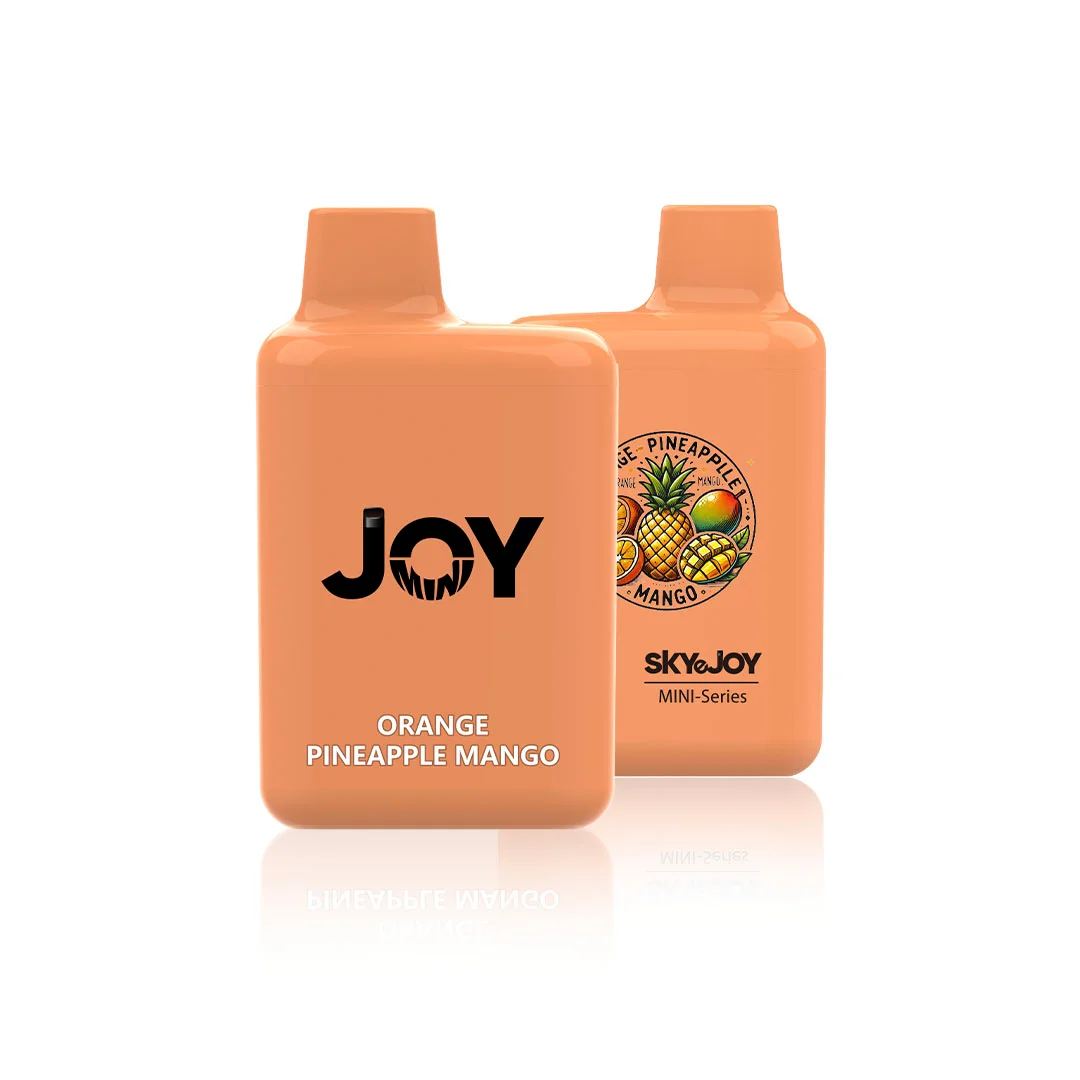
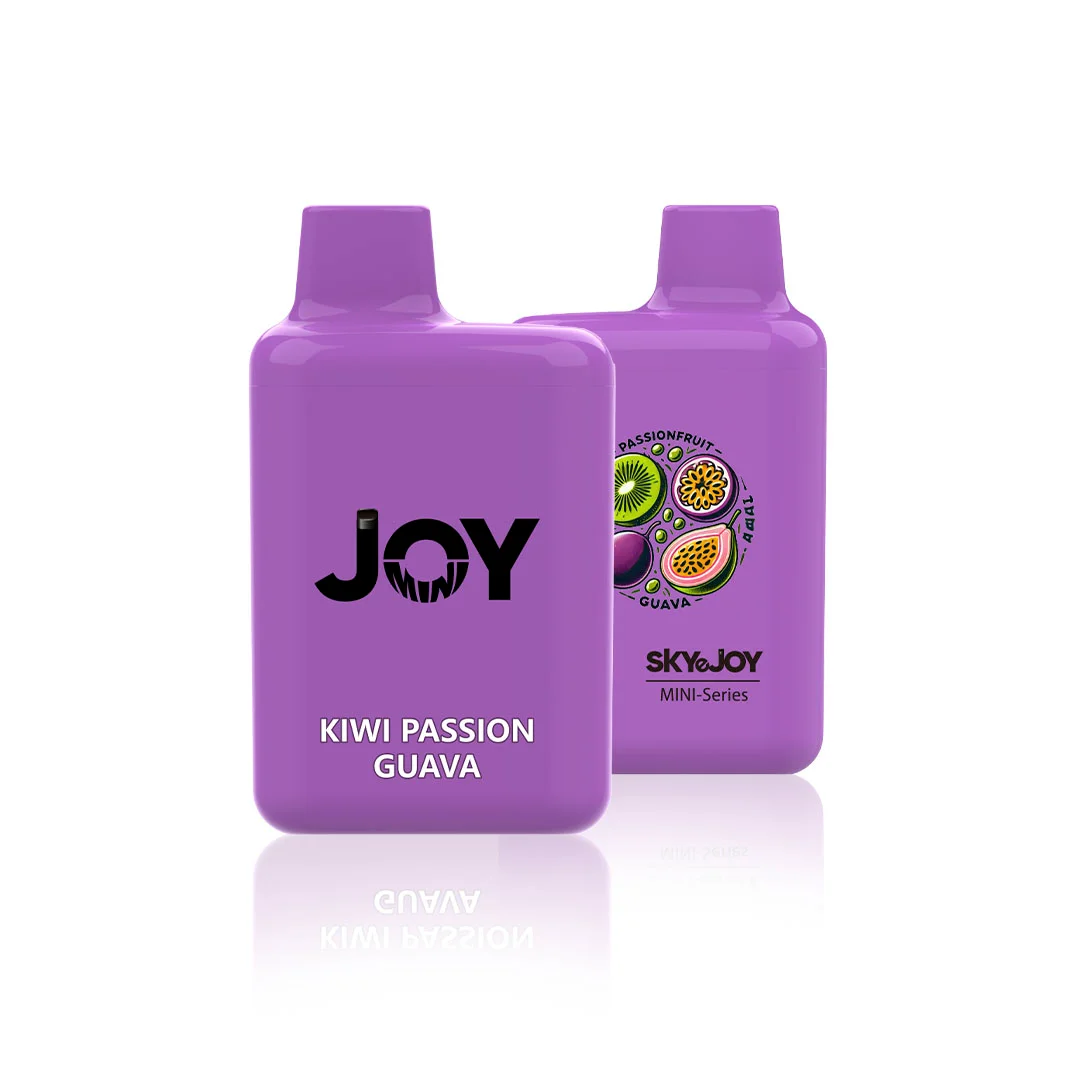
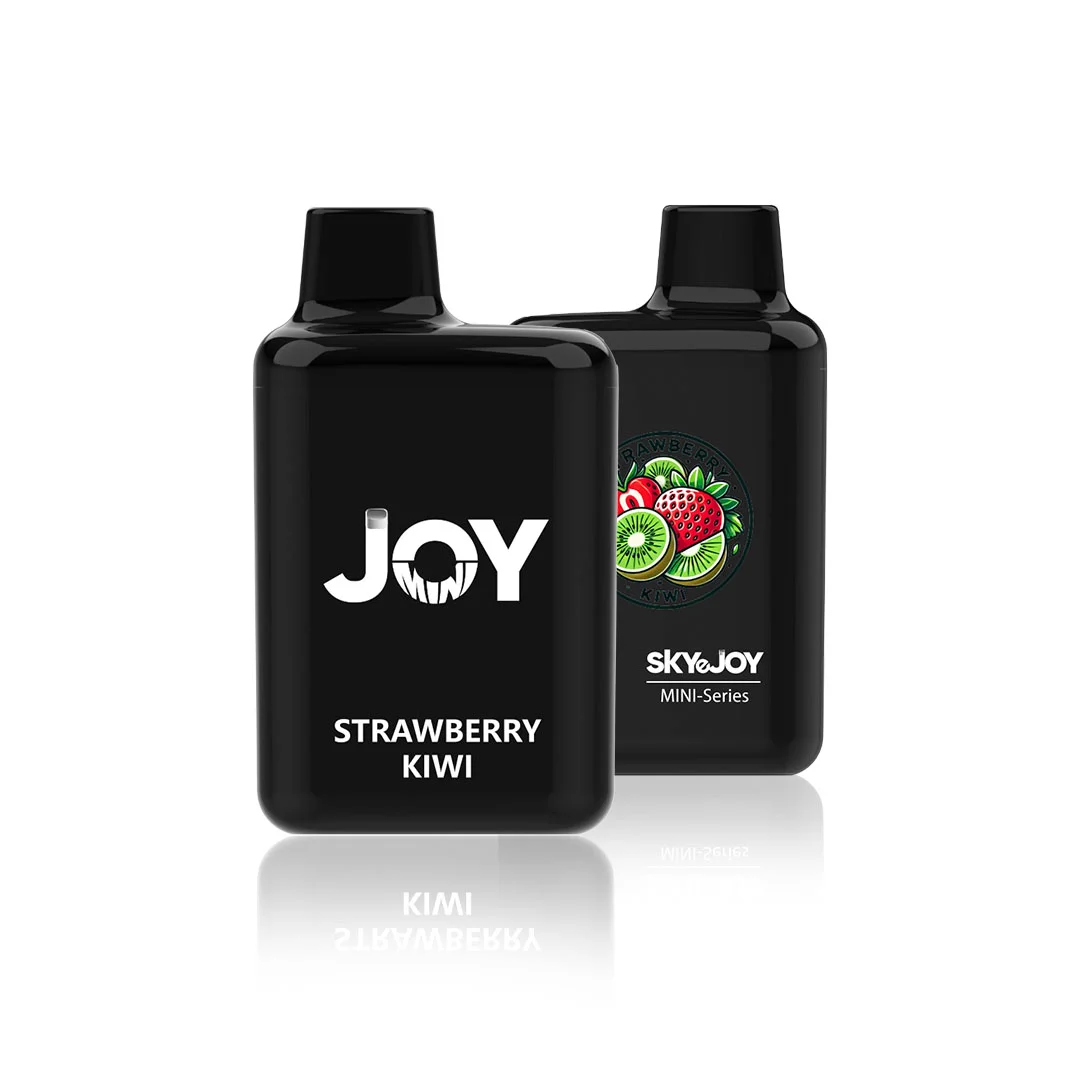
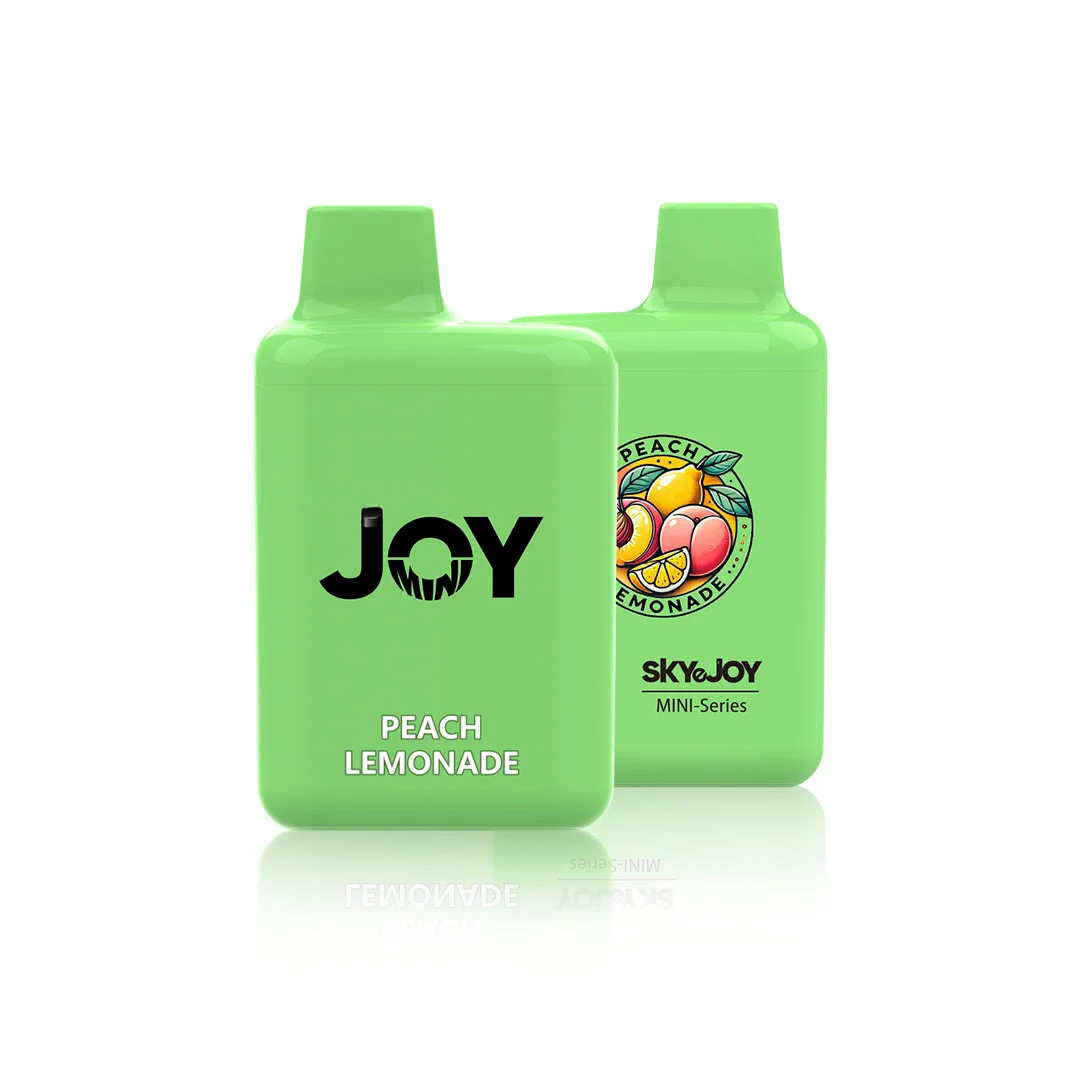
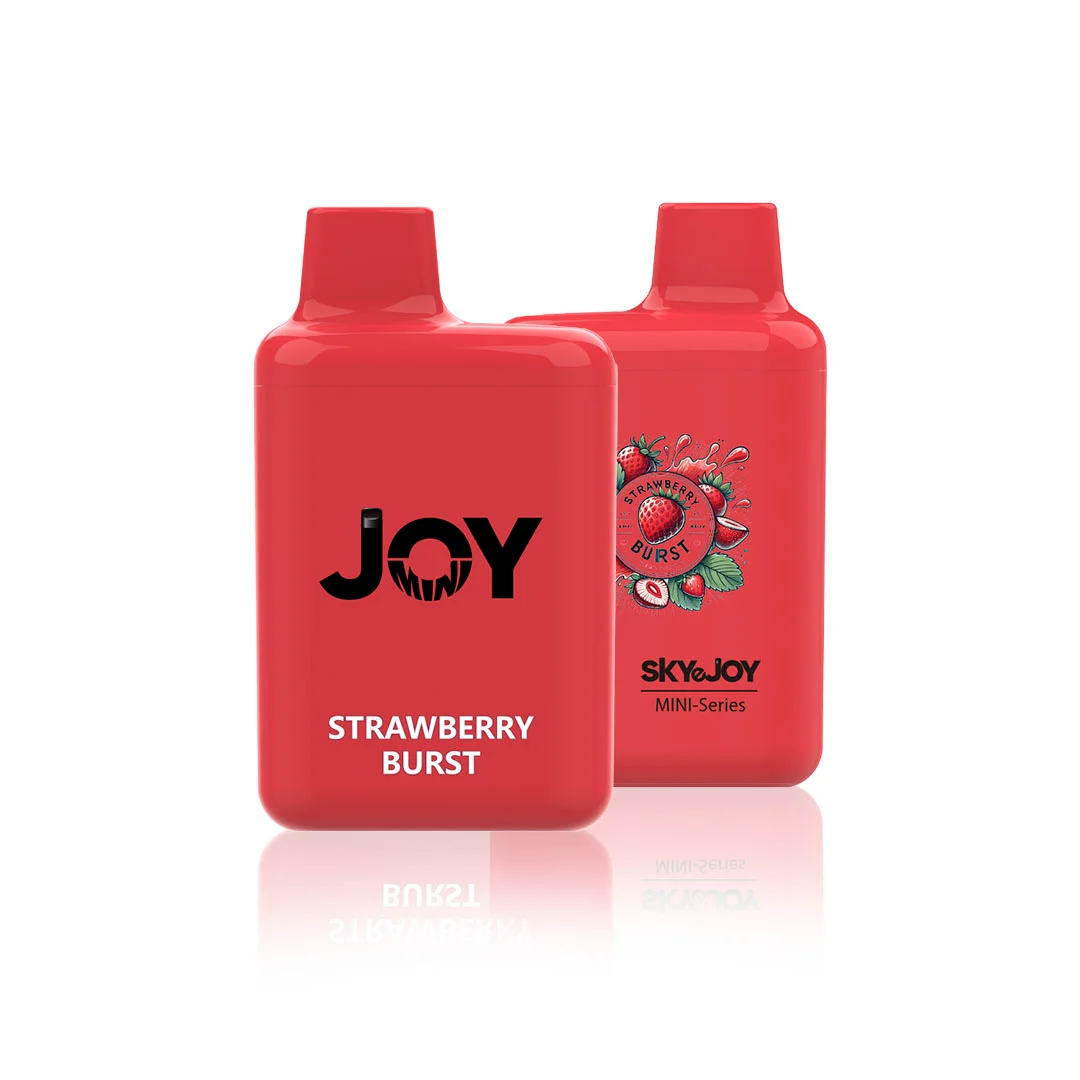
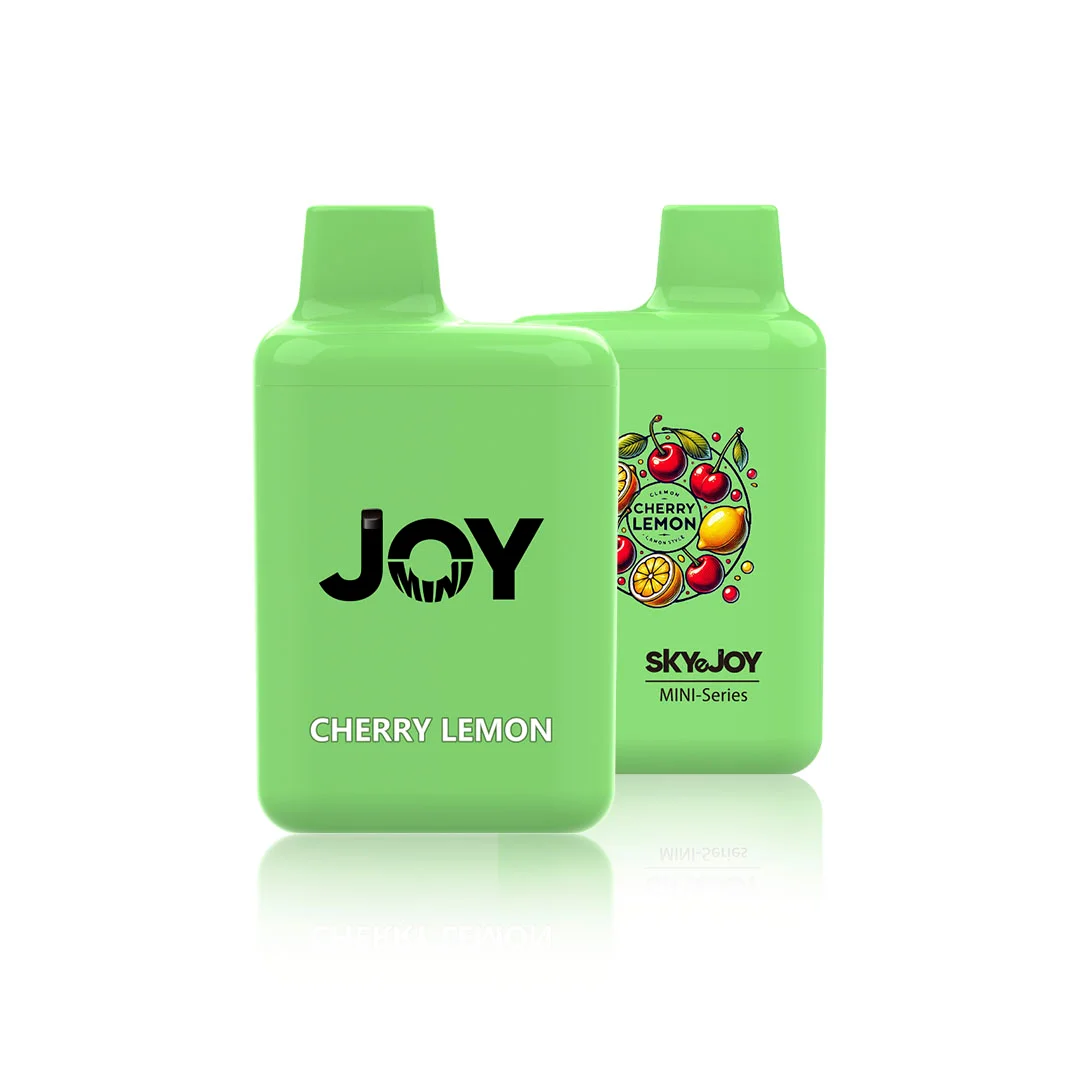
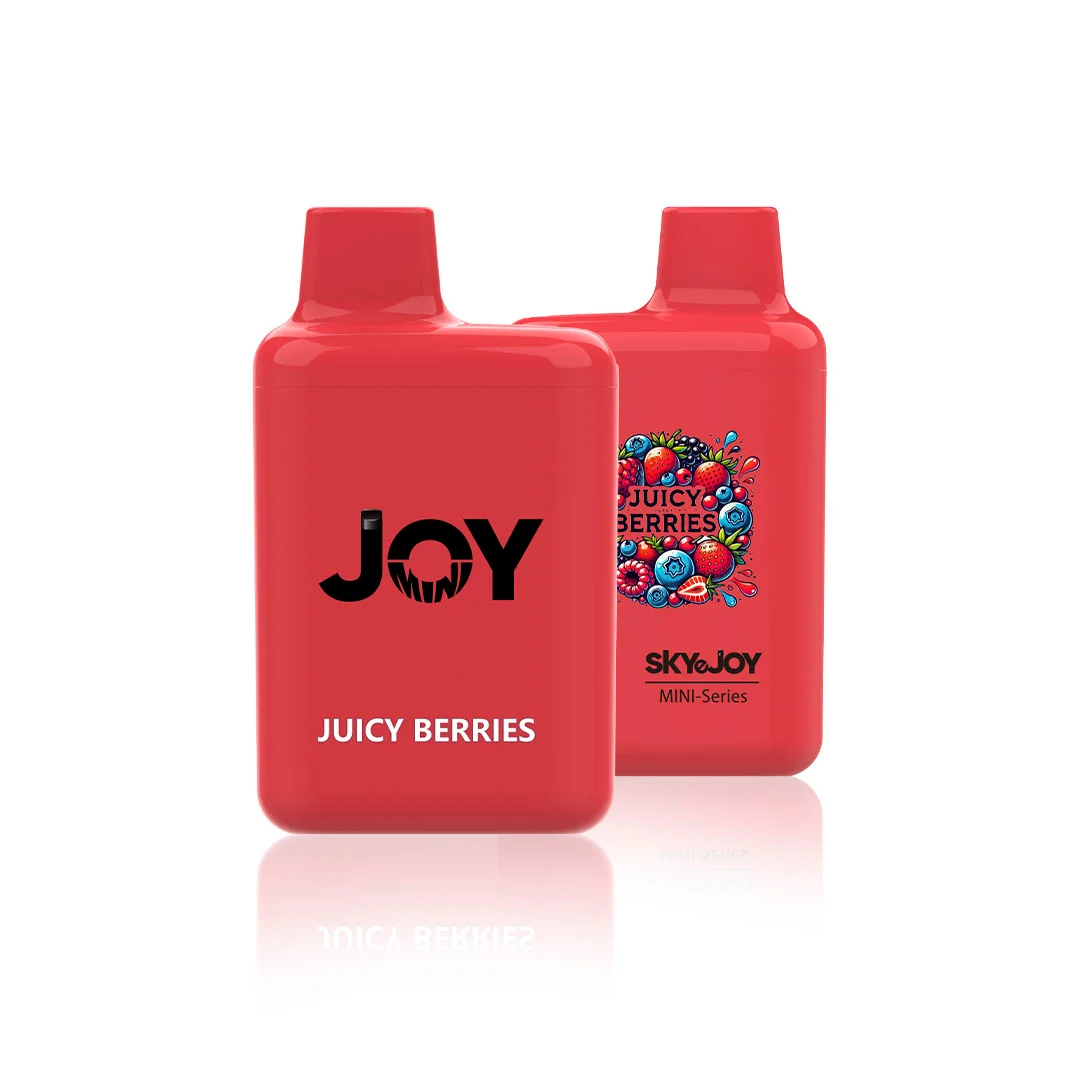
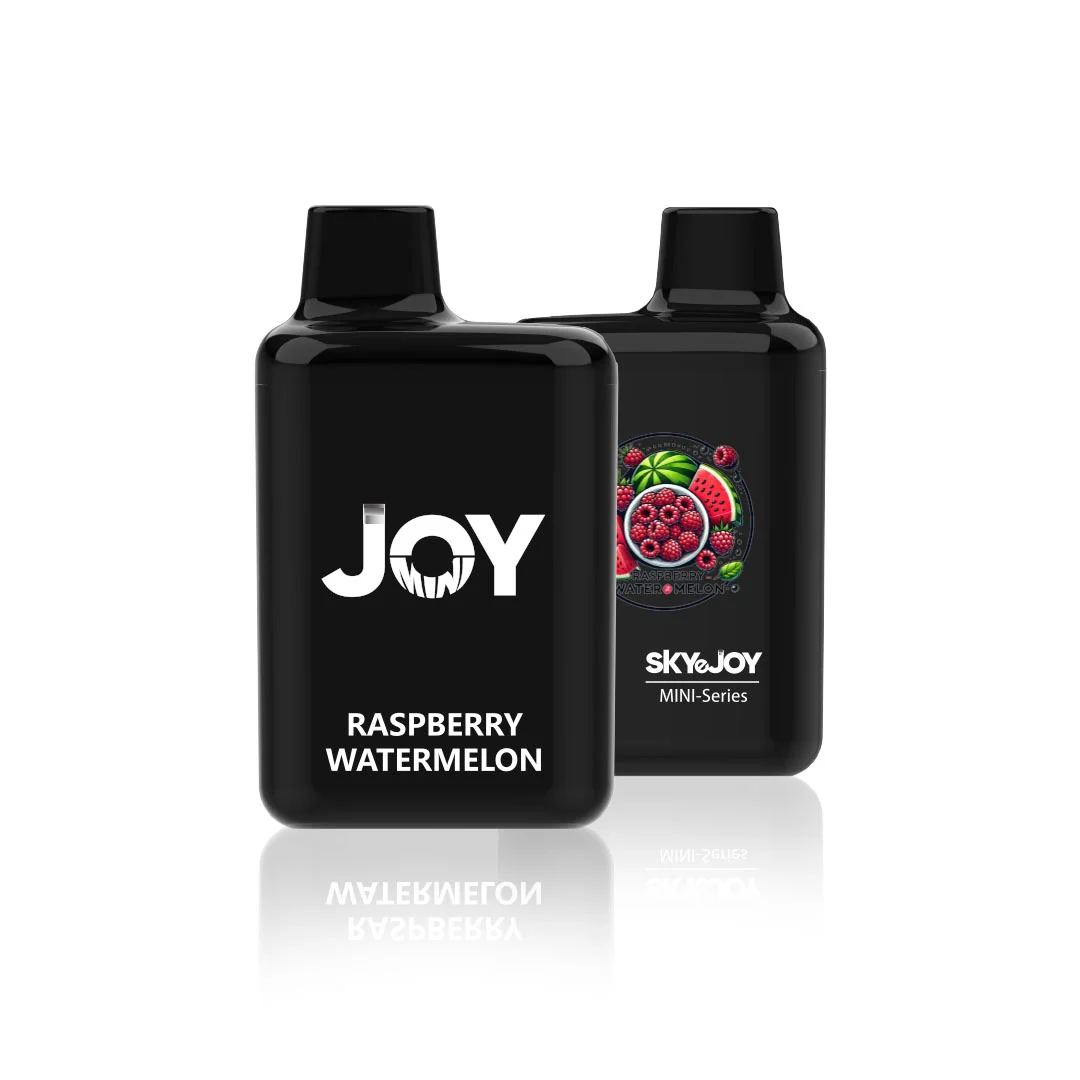
- Joy Mini, Offers a wholesale program specifically designed for Ontario retailers, with a focus on compliant disposable vapes.
How to narrow the list:
- Choose a GTA-based distributor if fast delivery and low shipping costs are priorities.
- Choose a full-category distributor if the shop sells hardware, e-liquids, and accessories alongside disposables.
- Choose a compliance-focused supplier if the store is newer and needs extra support navigating federal and provincial regulations.
- Choose a niche supplier if the store specializes in a specific category like premium disposables or pod systems.
Context for competition: Large retail chains like 180 Smoke (33 Ontario store locations with same-day delivery) and Dragonvape (multiple GTA and Ontario locations plus national online sales) set the competitive bar. Independent retailers should evaluate whether a new wholesale partner can support assortments and price points that compete effectively with these chains.
Do I Need to Notify the AGCO When Changing Vape Suppliers?
No. Ontario retailers do not need to notify the Alcohol and Gaming Commission of Ontario (AGCO) when switching nicotine vape product wholesalers. The AGCO’s oversight of vape retail focuses on age verification, display compliance, and adherence to the Smoke-Free Ontario Act, not on which specific wholesaler supplies the products.
However, there are situations where regulatory awareness matters:
- Cannabis vape products are regulated by the AGCO through its cannabis retail licensing framework. Any changes to cannabis product sourcing must stay within OCS and AGCO-licensed channels.
- Municipal by-laws may impose additional restrictions on product types or promotional activities. Public Health Ontario’s tobacco, vaping, and cannabis by-law summary (updated June 2026) shows that some municipalities have rules beyond provincial standards. When onboarding new products from a new supplier, cross-check local by-laws to ensure compliance.
- Federal compliance is the retailer’s responsibility, not the supplier’s. Even if a wholesaler claims their products are compliant, the retailer faces the fines if products on their shelves lack proper excise stamps or exceed the 20 mg/mL nicotine cap.
For a full breakdown of the regulatory environment, the Smoke-Free Ontario Act explained for 2026 covers what retailers need to know.
What Questions Should I Ask a New Wholesale Vape Supplier Before Switching?
Before signing with a new vape distributor, Ontario retailers should ask at least 10 specific questions that cover compliance, pricing, logistics, and support. Getting clear answers upfront prevents costly surprises after the switch.
Essential questions to ask:
Do all your products carry valid Canadian federal excise stamps? This is non-negotiable. Ask for documentation, not just a verbal confirmation.
Can you provide nicotine content certificates and ingredient disclosures for every SKU? With fines up to $3,000 under the 2026 federal update, retailers need proof of compliance on file.
What is your pricing structure at my expected monthly volume? Get specific numbers, not ranges. Ask whether pricing is tiered and what volume triggers the next discount level.
What are your payment terms? Net-15, net-30, or COD? Is there a credit application process? What happens if a payment is late?
What is your minimum order quantity, and do you offer free shipping? Small retailers may struggle with high minimums. Understand the full cost of each order.
What is your average order-to-delivery time for Ontario addresses? Anything over five business days for GTA delivery should prompt further questions.
What is your return or exchange policy for defective products? Get this in writing. Some suppliers only accept returns within 48 hours of delivery.
How do you handle product recalls or compliance changes? A good supplier proactively notifies retailers and facilitates returns when regulations change.
What brands and product categories do you carry? Ask for a current catalogue. Verify that your top-selling categories are well-represented.
Can you provide references from other Ontario retailers you supply? Established distributors should be willing to connect prospective accounts with existing customers.
Do you offer any marketing support, display materials, or staff training resources? Some distributors provide POS materials, product training, or co-op marketing funds.
What happens if a product I need is out of stock? Ask about backorder policies, estimated restock timelines, and whether they offer substitute recommendations.
For a more detailed evaluation framework, the guide on 12 questions to ask when choosing a wholesale vape supplier provides additional criteria.
Common Mistakes Retailers Make When Switching Suppliers Mid-Year
The most frequent mistake is switching too quickly without a transition plan. Retailers who cut off the old supplier before fully vetting the new one almost always face stock gaps, compliance issues, or both.
Here are the top mistakes and how to avoid them:
1. Not verifying product compliance independently. Trusting a new supplier’s claim that “everything is compliant” without checking excise stamps, nicotine levels, and labelling on actual product samples. Always inspect samples before placing a large order.
2. Ignoring existing contract obligations. Some wholesale agreements include minimum purchase commitments, exclusivity clauses, or early termination fees. Review the current contract before initiating a switch.
3. Failing to run a parallel ordering period. Cutting over to the new supplier in one shot is risky. Run both suppliers for at least two to four weeks to confirm the new partner’s reliability.
4. Choosing on price alone. The cheapest supplier isn’t the best if they have frequent stockouts, slow delivery, or poor compliance documentation. Total cost of doing business matters more than unit price.
5. Not updating POS and inventory systems. New suppliers mean new SKU numbers, potentially new barcodes, and different product names. Failing to update systems leads to tracking errors and inaccurate sales data.
6. Overlooking municipal by-law differences. A product that’s legal under provincial law may still conflict with local municipal restrictions on promotion or display. This is especially relevant for retailers in municipalities with stricter-than-provincial rules.
7. Over-ordering from the new supplier too early. Enthusiasm about better pricing can lead to ordering three months of stock before knowing whether the products sell well. Start with a four-to-six-week supply and scale up based on actual sales data.
8. Forgetting to submit final returns to the old supplier. Defective products, warranty claims, and credit notes should all be resolved before closing the old account.
How to Negotiate Better Terms with a New Vape Distributor
The best time to negotiate is before placing the first order, when the supplier is most motivated to win the account. Ontario retailers with established sales history have more leverage than they often realize.
Negotiation strategies that work:
Lead with volume data. Share monthly purchase volumes (in units and dollars) from the current supplier. This gives the new distributor a clear picture of the account’s value and justifies better pricing tiers.
Ask for introductory pricing. Many suppliers offer a discounted rate on the first two or three orders to win new business. If they don’t offer it, ask directly.
Negotiate payment terms early. Net-30 is standard for established accounts, but new accounts often start at COD or net-15. Ask whether providing trade references or a credit application can accelerate access to better terms.
Bundle categories for better pricing. If the store buys disposables, pod systems, and accessories, negotiate a combined volume discount rather than pricing each category separately.
Request a price-match clause. Some distributors will match or beat a competitor’s documented pricing on identical SKUs. This protects against being undercut after committing.
Clarify what triggers price increases. Ask whether pricing is locked for a specific period (90 days, 6 months) or subject to change without notice. Get any pricing commitments in writing.
Negotiate return terms for first orders. Since the retailer is testing new products, ask for a more generous return window on the initial order, for example, 30 days instead of the standard 7-14 days.
A practical tip: Retailers who approach negotiations with specific data, monthly volumes, margin targets, competitive quotes, consistently get better terms than those who simply ask for “the best price.”
What If My New Supplier Can’t Meet My Product Demand?
If a new supplier fails to meet demand, the retailer faces empty shelves and lost revenue. The solution is to maintain a backup supplier relationship and build demand-testing into the transition plan.
Immediate steps if supply falls short:
Reactivate the old supplier temporarily. If the relationship ended on reasonable terms, most distributors will accept a reorder. This is one reason to leave on good terms even when switching.
Place orders with a secondary backup supplier. Retailers should always have at least two approved wholesale accounts, even if 80-90% of orders go to the primary partner.
Communicate with customers. If a specific product is temporarily unavailable, let regular customers know when it’s expected back. Offer a comparable alternative in the meantime.
Preventing supply problems before they start:
- Test the new supplier’s fill rate before going all-in. Place three to four orders of increasing size over the first month. Track what percentage of ordered items are delivered complete and on time.
- Ask about the supplier’s own inventory levels. A distributor that keeps 30-60 days of stock on hand is more reliable than one that orders from manufacturers on demand.
- Avoid single-supplier dependency. Even after a successful switch, keeping a secondary account active provides insurance against supply disruptions.
- Monitor seasonal demand patterns. Late summer through December is peak season for many Ontario vape shops. If switching mid-year, ensure the new supplier can handle increased holiday-season volumes before committing fully.
Edge case: If the new supplier consistently fails to deliver within agreed timelines after the first month, that’s a signal to accelerate the search for an alternative rather than hoping the situation improves.
A Mid-Year Supplier Switch Checklist for Ontario Retailers
Use this checklist to manage the transition systematically:
- Review current supplier contract for exit clauses, minimums, and termination fees
- Identify top 15-20 SKUs by sales volume that the new supplier must carry
- Request quotes from at least three potential new suppliers
- Order and inspect product samples for compliance (excise stamps, nicotine labelling, packaging)
- Verify the new supplier’s products against municipal by-laws in your area
- Negotiate pricing, payment terms, return policies, and shipping arrangements
- Set up the new supplier in POS and inventory management systems
- Place initial test order and confirm delivery timeline and product quality
- Begin parallel ordering period (two to four weeks minimum)
- Submit all pending returns and credits to the old supplier
- Train staff on new product lines, brands, and any updated compliance requirements
- Monitor new supplier’s fill rate and delivery reliability for 30 days before full commitment
- Confirm the new supplier can scale for seasonal demand (back-to-school, holidays)
FAQ
Can I switch vape suppliers in the middle of a contract? It depends on the contract terms. Review the agreement for minimum purchase commitments, exclusivity clauses, and early termination fees. If none exist, the retailer is free to switch at any time. If penalties apply, factor those costs into the decision.
Will switching suppliers affect my product warranty claims? Yes, for products purchased from the old supplier. Submit all pending warranty and defective product claims before closing the account. The new supplier is only responsible for products purchased through them.
How many wholesale vape suppliers should an Ontario retailer work with? Most successful independent retailers maintain one primary supplier for 70-85% of orders and one secondary supplier for backup and specialty items. This balances volume discounts with supply security.
Do I need to change my business registration when switching suppliers? No. Changing wholesale suppliers does not require any changes to business registration, HST accounts, or retail licensing in Ontario.
What if my new supplier doesn’t carry a customer-favourite product? Keep the old supplier active for that specific SKU, or find a third supplier that carries it. Dropping a top seller without a replacement costs more in lost customer loyalty than the inconvenience of managing an extra vendor.
Should I tell my customers I’m switching suppliers? Only if the product brands or flavours on the shelf are changing noticeably. If the switch is invisible to customers (same products, different wholesaler), there’s no reason to announce it. If popular brands are being replaced, communicate the change and offer alternatives.
How do I know if a new supplier’s products are legally compliant in Ontario? Check for valid federal excise stamps on every unit, verify nicotine content does not exceed 20 mg/mL, confirm child-resistant packaging, and ensure labelling meets Canadian standards. Ask the supplier for compliance documentation and verify it against actual product samples.
Can I negotiate exclusive territory rights with a new supplier? Some distributors offer territorial exclusivity for specific brands, but this is uncommon in the Ontario vape wholesale market. It’s worth asking, especially for newer or niche brands where the supplier may be willing to limit distribution to build the brand.
What’s the best time of year to switch vape suppliers? Late spring or early summer (May through July) is ideal. This gives enough time to complete the transition and build stock before the busy fall and holiday season. Switching in October or November is risky because supply chains are already strained.
Are there wholesalers that specialize in Ontario-only distribution? Yes. Several distributors, including Toronto-based operations like 7Percent Distribution, focus specifically on Ontario. GTA-based suppliers often offer faster delivery and lower shipping costs for Ontario retailers.
What if the new supplier raises prices after I switch? This is why negotiating a price-lock period (90 days to 6 months) matters. Without a written agreement on pricing duration, the supplier can adjust prices at any time. Always get pricing commitments documented.
Do I need separate suppliers for nicotine vapes and cannabis vapes? Yes, in practice. Cannabis vape products can only be legally sourced through the Ontario Cannabis Store or AGCO-licensed retailers. Nicotine vape products come from separate wholesale distributors. These are two distinct supply chains with different regulatory requirements.
Conclusion
Switching wholesale vape suppliers mid-year is a practical business decision that most Ontario retailers will face at some point. The process doesn’t need to be disruptive if it’s planned properly.
Here are the actionable next steps:
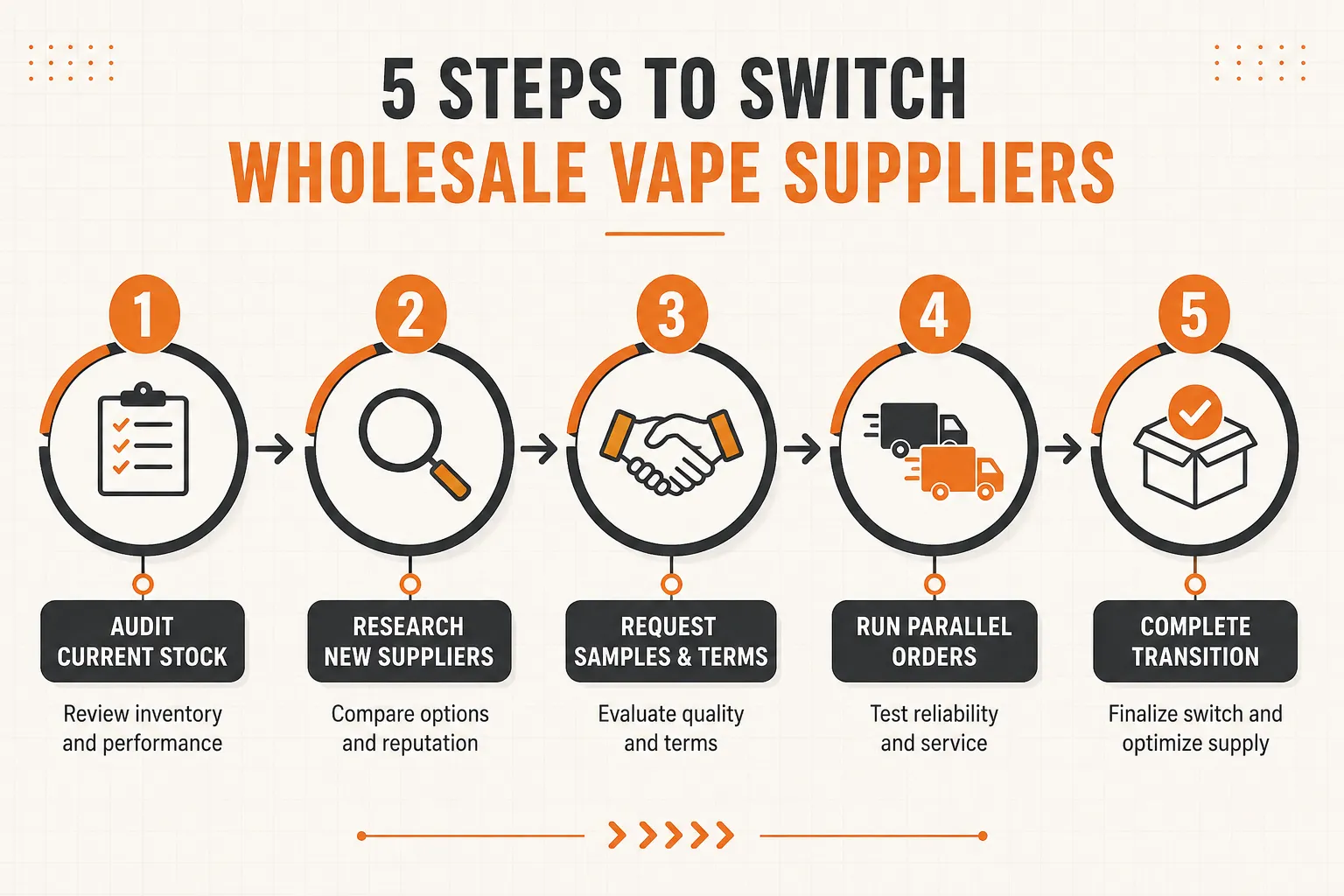
Start now by auditing the current supplier relationship. Identify specific pain points, pricing, stock availability, compliance support, delivery speed, and quantify the cost of each.
Research at least three alternative suppliers using the comparison framework outlined above. Request quotes on your actual top-selling SKUs, not generic price lists.
Order samples and verify compliance before committing to any new supplier. Check excise stamps, nicotine labelling, and packaging against current federal and provincial requirements.
Negotiate terms in writing before placing the first full order. Cover pricing duration, payment terms, return policies, and delivery commitments.
Run a parallel ordering period of at least two weeks to test the new supplier’s reliability without risking stock gaps.
Keep a secondary supplier relationship active even after the transition is complete. Single-supplier dependency is the most common source of inventory emergencies.
The Ontario vape retail market in 2026 is competitive, and the regulatory environment continues to tighten. Retailers who choose wholesale partners based on compliance support, reliable supply, and fair pricing, not just the lowest unit cost, are better positioned to protect their margins and their licence throughout the year.