
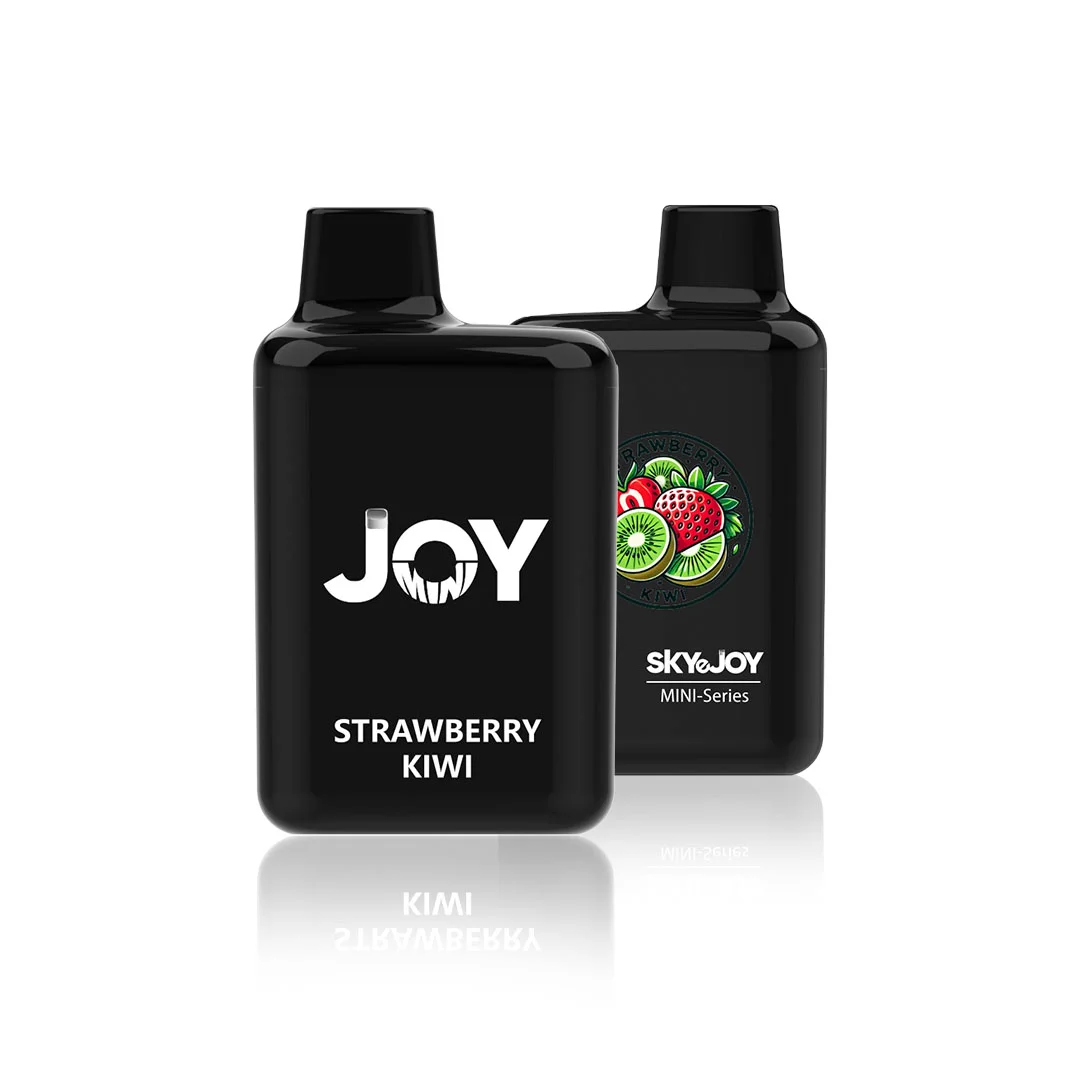
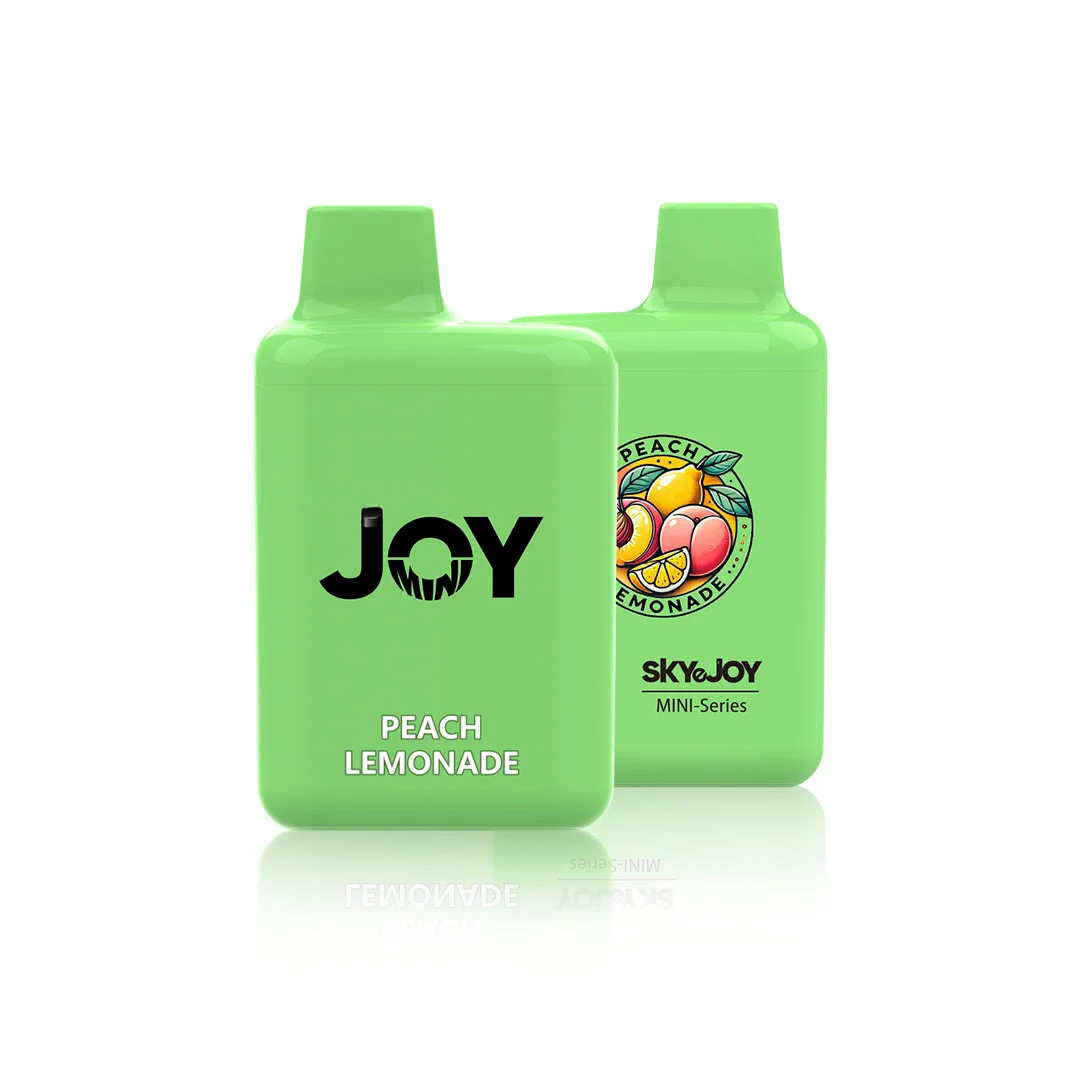
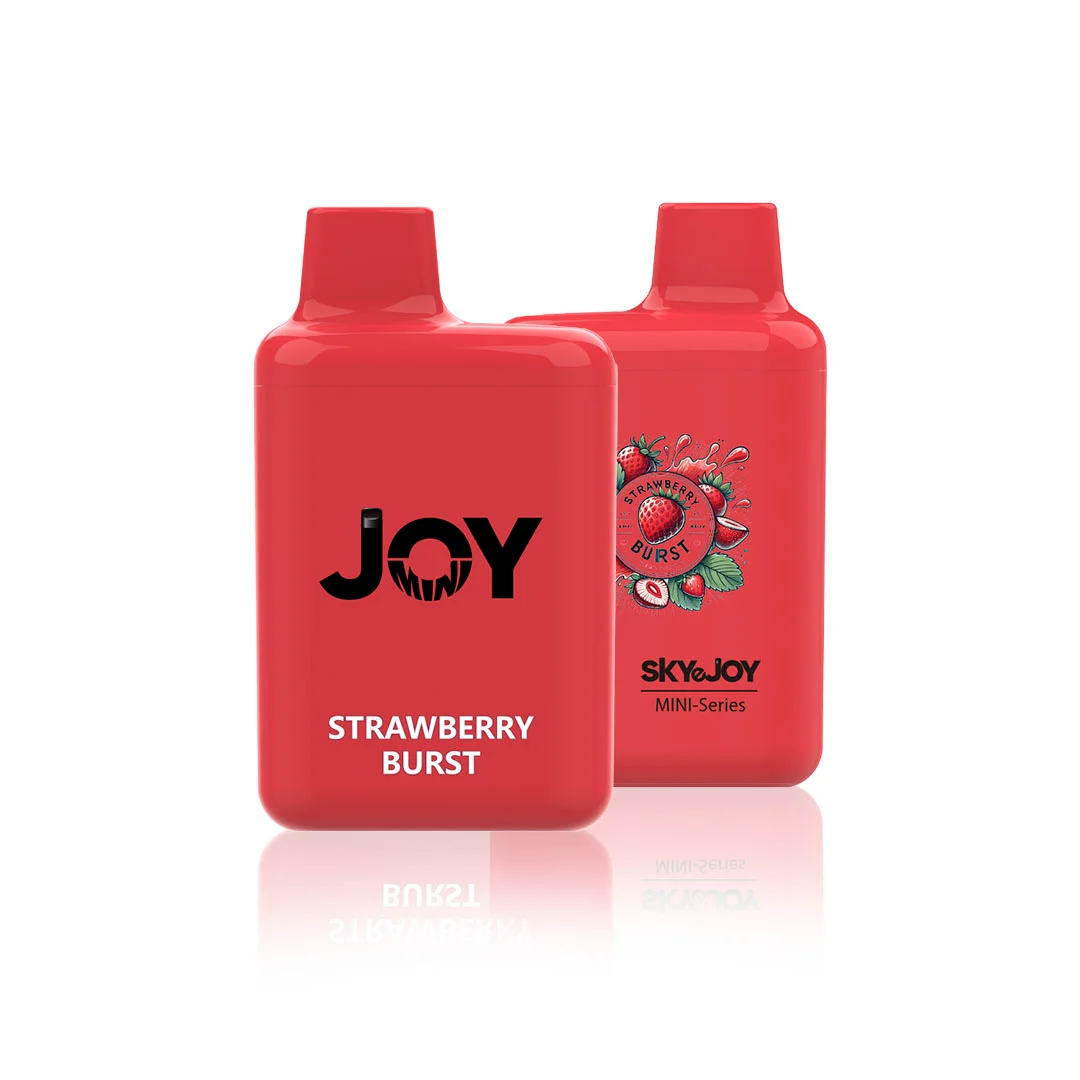
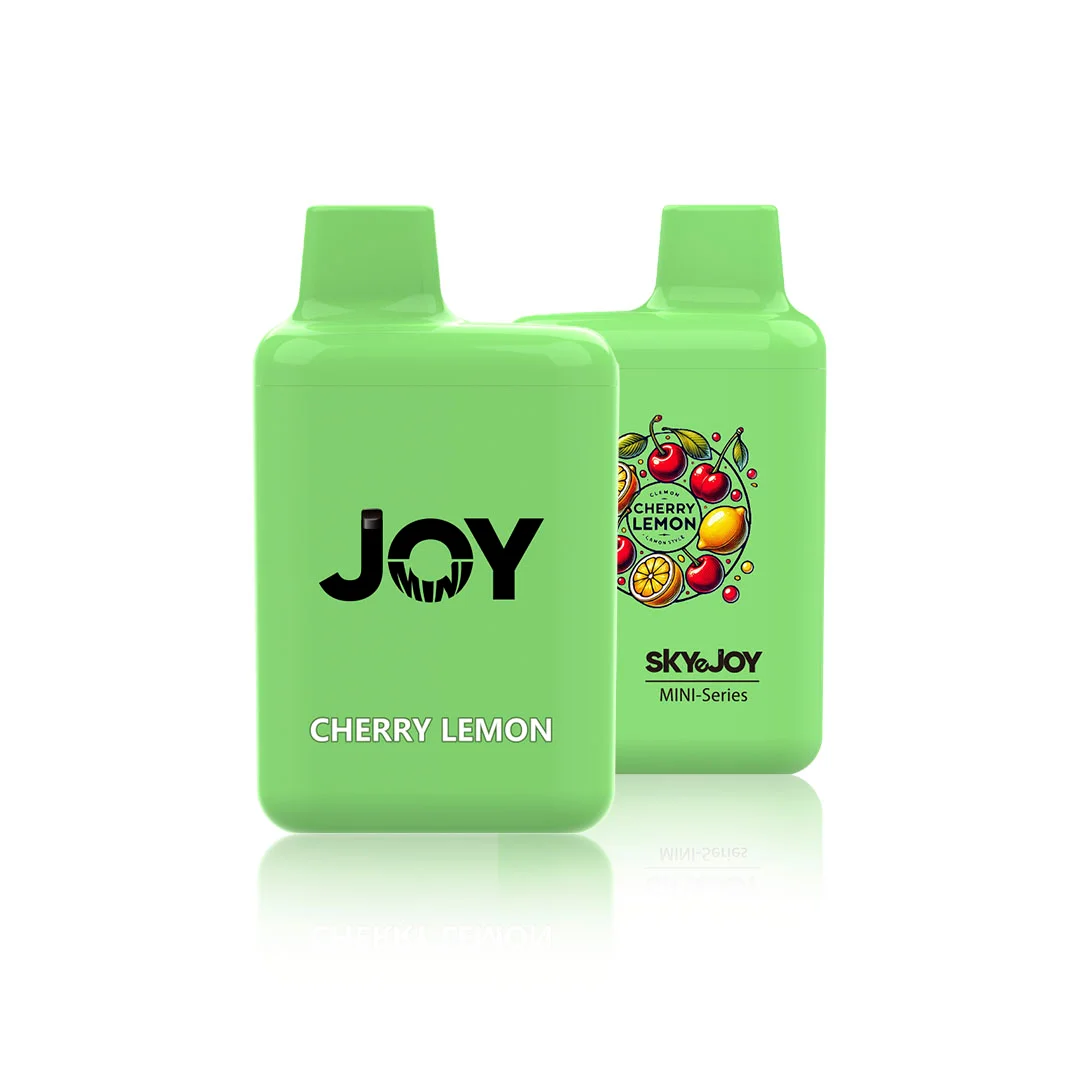
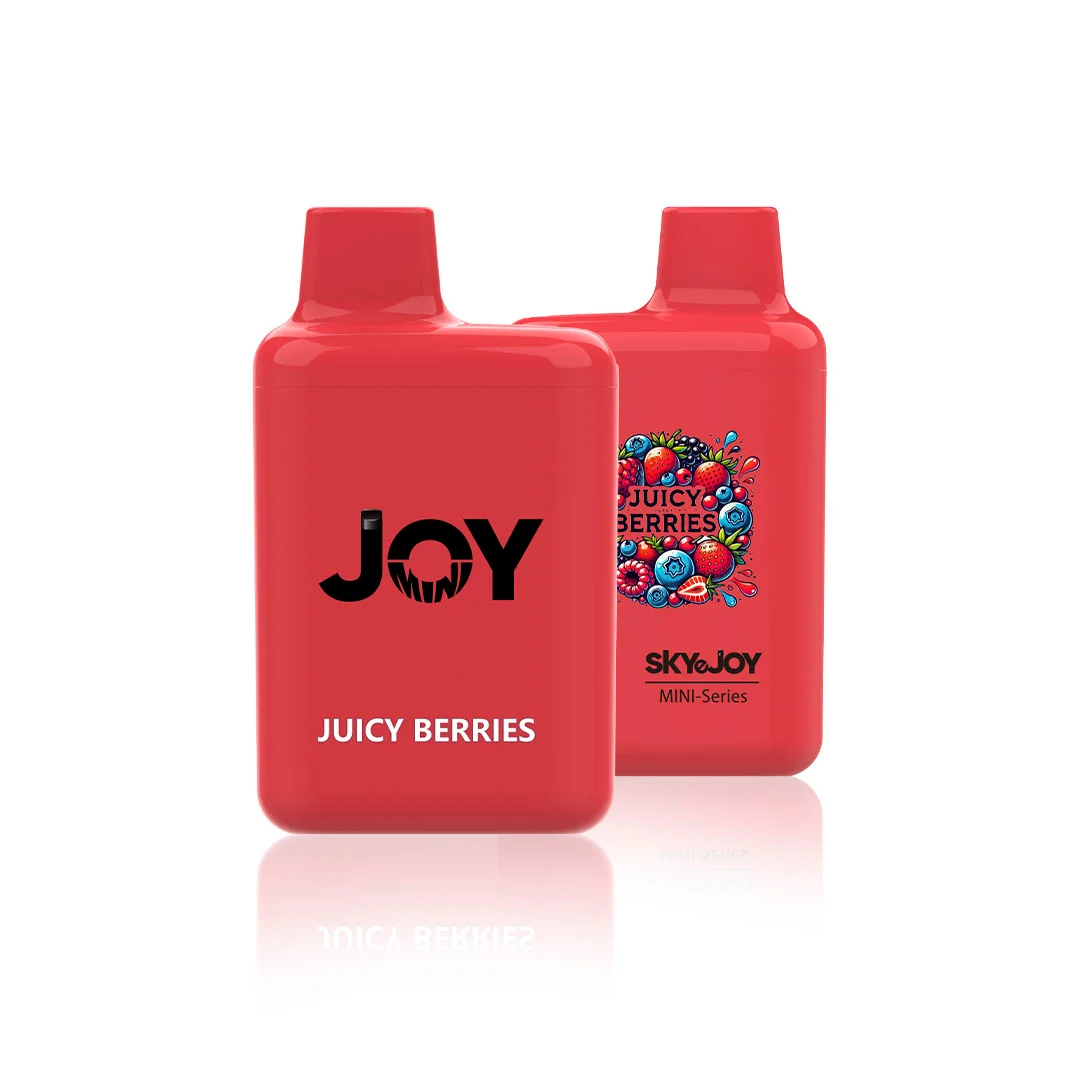
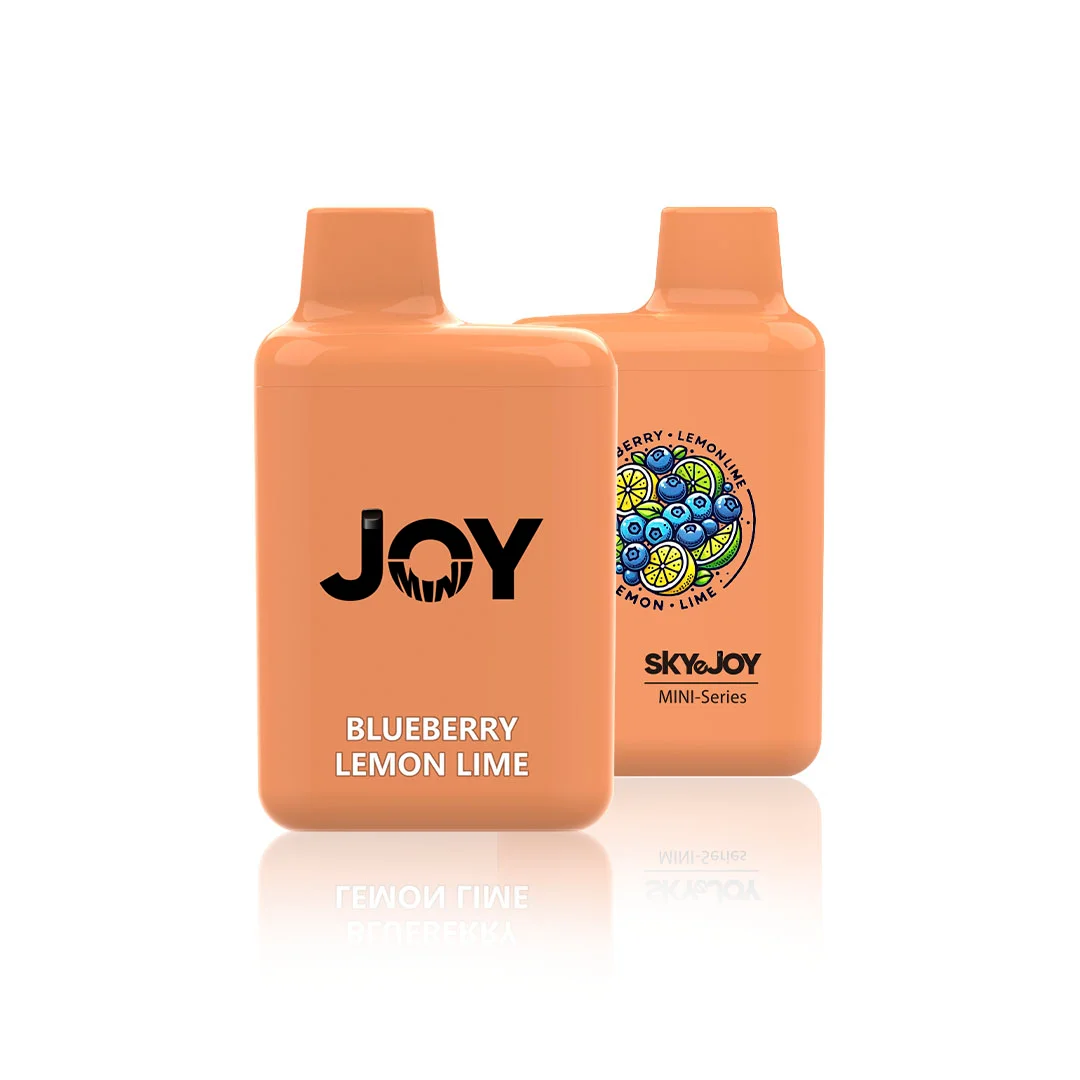

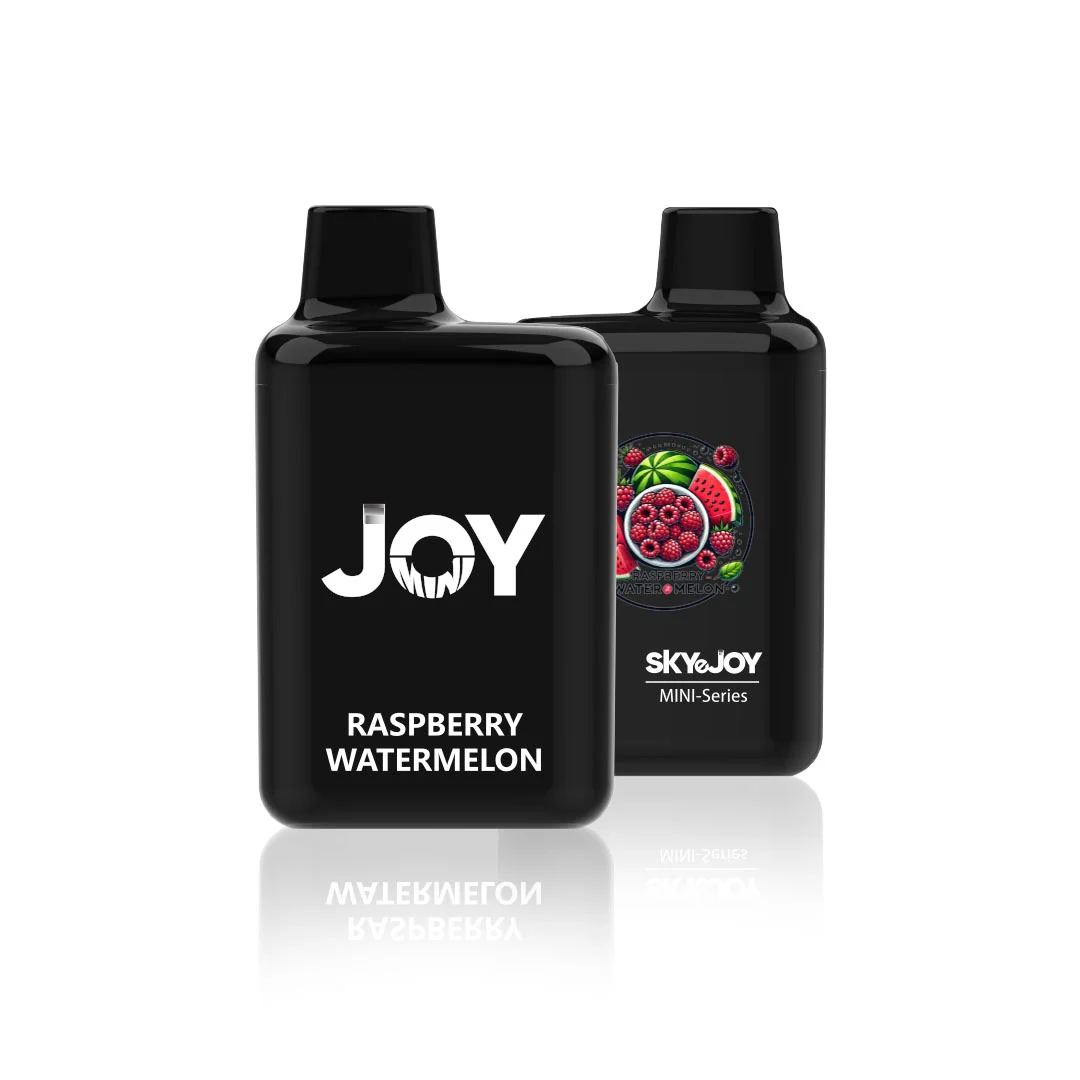

The right wholesale vape supplier in Ontario should offer Health Canada-compliant products with proper excise stamps, competitive tiered pricing, reliable shipping within the province, and transparent communication about sourcing and authenticity. Before signing any agreement, ask specific questions about minimum order quantities, return policies, product certifications, and regulatory compliance. The 12 questions outlined below will help any retailer, from a single-location shop to a multi-store chain, avoid costly mistakes and build a supplier relationship that supports long-term growth.
Key Takeaways
- Compliance is non-negotiable. Every wholesale vape product sold in Ontario must carry a valid federal excise stamp and meet Tobacco and Vaping Products Act (TVPA) requirements.
- Price alone is a poor selection criterion. The cheapest supplier often cuts corners on product authenticity, shipping reliability, or regulatory compliance.
- Minimum order quantities (MOQs) vary widely across Canadian vape wholesalers, from as few as 50 units to 500+ units per SKU.
- Product authenticity can be verified through batch codes, manufacturer authorization letters, and direct brand confirmation.
- Shipping timelines within Ontario typically range from 1 to 5 business days, but suppliers outside the province may take longer and cost more.
- Specialized suppliers (e.g., disposable-only or nicotine-salt-focused) often provide deeper inventory and better pricing in their niche than generalist distributors.
- Red flags include no physical address, refusal to share compliance documentation, prices far below market average, and poor or nonexistent customer support.
- Small retailers benefit from suppliers with low MOQs and flexible terms, while large operations need volume discounts and dedicated account management.
- Certifications to look for include ISO manufacturing standards, GMP compliance, and proper Health Canada registration.
- Asking the right 12 questions upfront saves time, money, and legal exposure down the road.
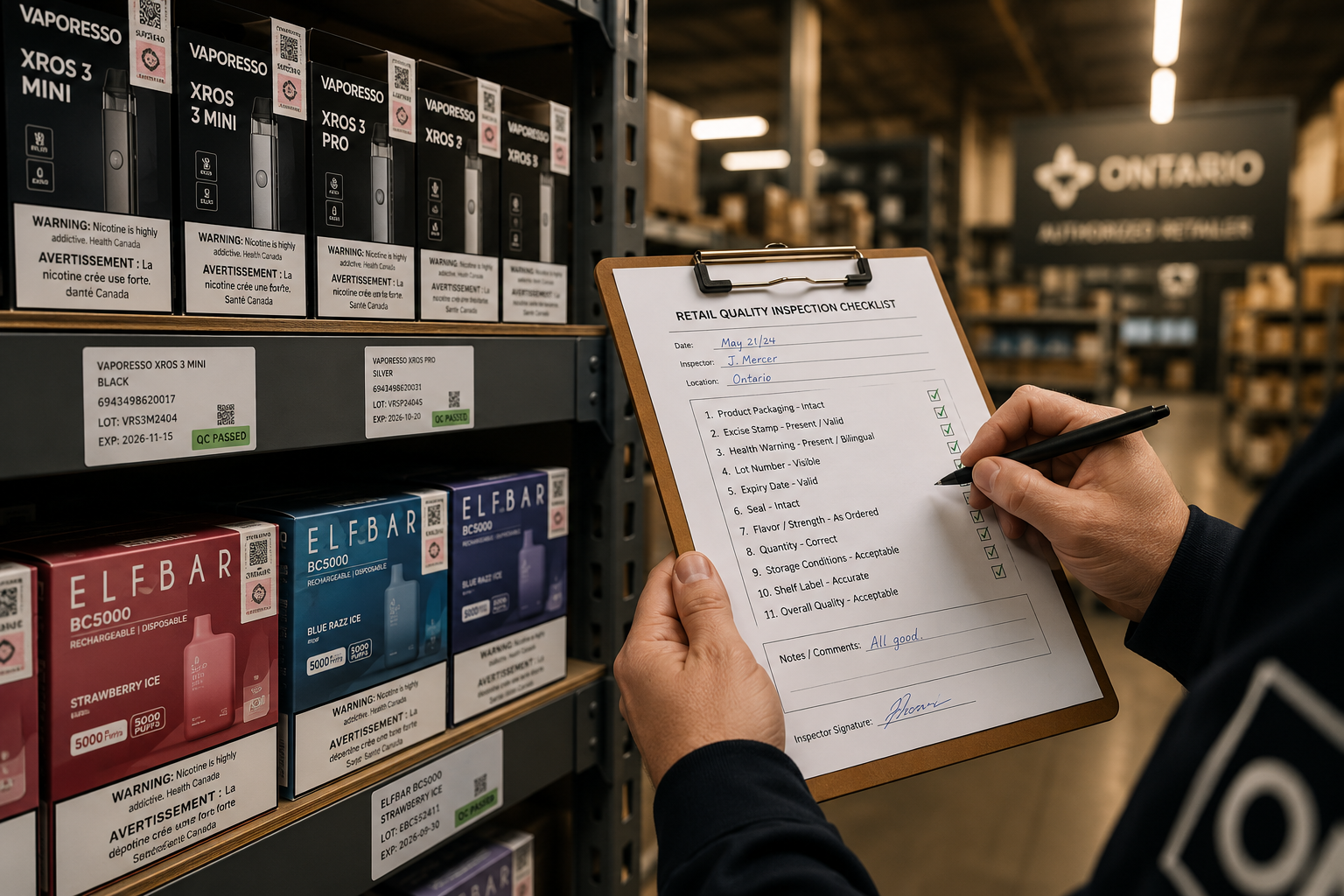
What Makes a Good Wholesale Vape Supplier in Ontario?
A good wholesale vape supplier in Ontario combines three things: authentic products, full regulatory compliance, and consistent service. Without all three, retailers risk fines, product seizures, and damaged customer trust.
Here’s what separates a reliable supplier from a risky one:
Product authenticity and sourcing transparency. The supplier should source directly from manufacturers or authorized distributors. Companies like Genuine Vapes in Windsor, Ontario, for example, have built their reputation since 2018 by sourcing directly from reputable manufacturers. Ask for manufacturer authorization letters and verify them independently.
Regulatory compliance. Ontario vape retailers operate under both federal (TVPA) and provincial rules. A good supplier handles excise stamp application, follows nicotine concentration limits (currently capped at 20 mg/mL for retail in most contexts), and provides proper product labeling. For a deeper understanding of current rules, review this complete guide to vaping laws in Ontario.
Operational reliability. This means consistent stock levels, accurate order fulfillment, responsive customer service, and clear return or defect policies. A supplier that goes silent when problems arise is a liability.
Financial stability. The Canadian vape market has seen significant consolidation. Fat Panda Ltd., for instance, was acquired by CEA Industries for CAD $18 million, reflecting how quickly the landscape shifts. A supplier with strong financials is less likely to disappear mid-contract or fail to fulfill orders.
A wholesale vape supplier that can’t show you compliance documentation on request is a supplier you should walk away from.
How Do Ontario Vape Wholesale Prices Compare Between Different Distributors?
Wholesale vape pricing in Ontario varies by 15% to 40% depending on the distributor type, order volume, and whether you’re buying direct from a brand or through a middleman. Understanding these pricing tiers is essential when choosing the best wholesale vape supplier in Ontario.
Key pricing factors:
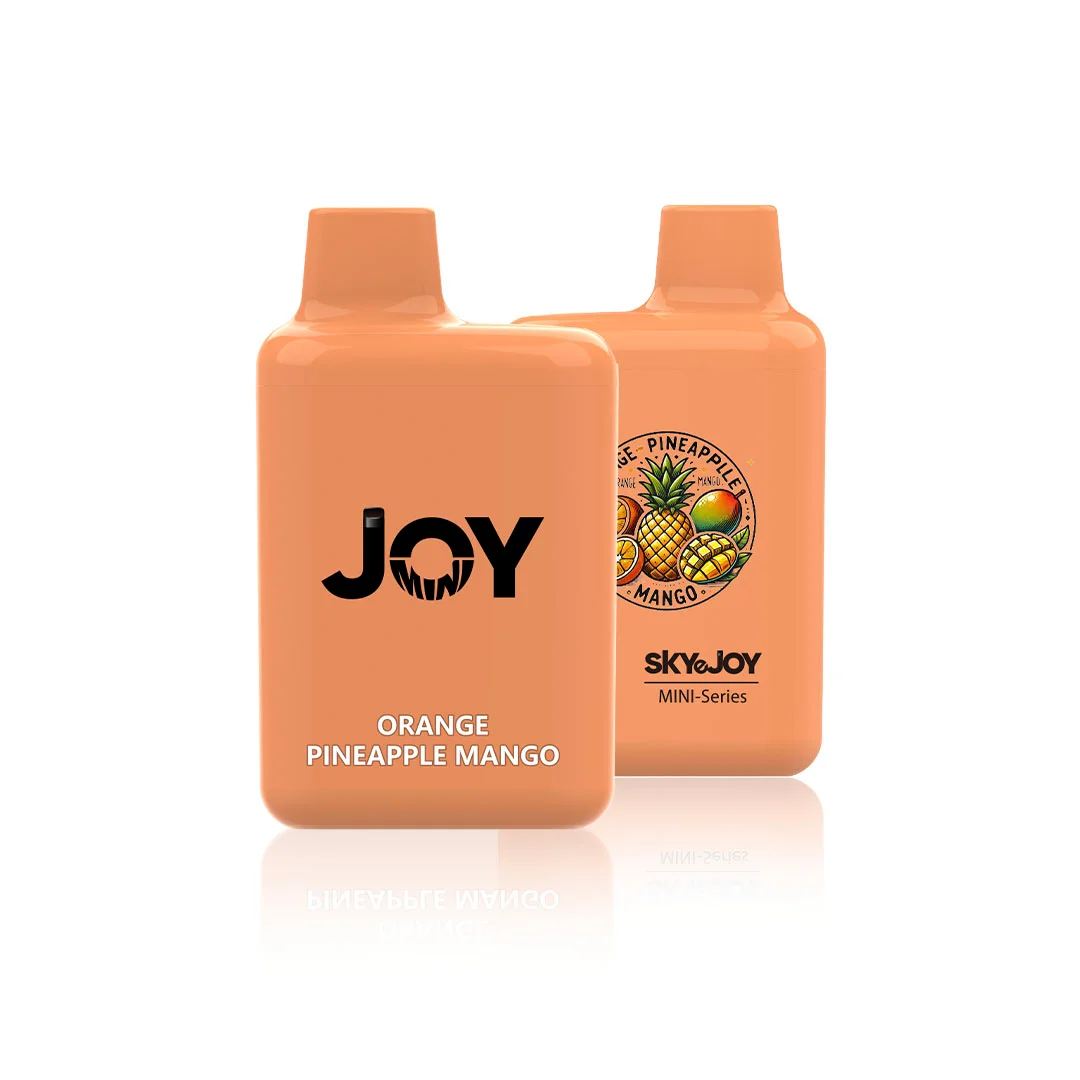
- Direct brand purchasing vs. wholesale distributors. Buying directly from a brand like Joy Mini often yields better per-unit pricing, but requires higher volumes and more administrative work (excise stamp compliance, for example). Wholesale distributors add a margin but handle logistics and compliance. For current wholesale pricing, check wholesale disposable vapes in Ontario.
- Volume tiers. Most distributors offer tiered pricing. A typical structure might look like this:
| Order Size | Estimated Discount Off MSRP |
|---|---|
| 50–199 units | 25–30% |
| 200–499 units | 30–40% |
| 500+ units | 40–50%+ |
Note: These ranges are estimates based on common industry structures. Actual pricing varies by supplier and product line.
- Product category. Disposable vapes generally carry tighter margins than refillable systems or e-liquid lines. Nicotine salt products may be priced differently than freebase nicotine options.
- Payment terms. Some distributors offer net-30 terms for established accounts, which can improve cash flow even if the per-unit price is slightly higher.
Common mistake: Choosing the cheapest supplier without factoring in shipping costs, defect rates, and compliance handling. A supplier that’s $0.50 cheaper per unit but ships late and has a 5% defect rate will cost more in the long run.
Minimum Order Quantities for Vape Wholesalers in Canada
MOQs for Canadian vape wholesalers typically range from 50 to 500 units per SKU, with most Ontario-based distributors setting their floor between 100 and 200 units for a first order.
What determines MOQ?
- Supplier type. Large distributors like Lehigh Wholesale Canada Inc. often require higher minimums because they operate at scale with warehouse showrooms. Smaller, niche suppliers may accept lower quantities.
- Product type. Disposable vapes usually have lower MOQs than custom-branded or private-label products.
- Relationship stage. Many suppliers offer reduced MOQs for first-time orders as a trial, then require larger volumes for reorders.
Decision rule: If monthly sales volume is under 200 units, look for suppliers with MOQs of 50–100 units and no long-term purchase commitments. If volume exceeds 500 units per month, negotiate for volume pricing and dedicated account support.
For retailers just starting out, the guide on selling wholesale disposable vapes in Canada covers how to structure initial orders effectively.
What Are Common Mistakes When Selecting a Vape Wholesale Partner?
The most common mistake is prioritizing price over compliance and reliability. This single error has led to product seizures, retail license suspensions, and significant financial losses for Ontario vape shops.
Top mistakes to avoid:
- Skipping compliance verification. Assuming the supplier handles excise stamps and Health Canada requirements without confirming it in writing.
- Not requesting product samples. Ordering a large batch without testing product quality, flavor consistency, and packaging integrity first.
- Ignoring supplier financial health. A supplier offering incredible deals may be liquidating inventory before closing. Check how long they’ve been operating and whether they have a physical presence.
- Signing exclusive agreements too early. Locking into a single supplier before testing their reliability over 2–3 order cycles limits flexibility.
- Overlooking return and defect policies. Vape products can have manufacturing defects. A supplier with no return policy shifts all risk to the retailer.
- Failing to diversify. Relying on one supplier for all inventory creates a single point of failure. Most successful Ontario retailers work with 2–3 suppliers.
Edge case: Some suppliers offer “grey market” products, authentic items not intended for the Canadian market. These may lack proper labeling, excise stamps, or warranty coverage, making them illegal to sell in Ontario regardless of authenticity.
Which Vape Brands Do Ontario Wholesalers Typically Carry?
Ontario wholesalers commonly carry a mix of international brands and Canadian-made products, with disposable vapes dominating the fastest-growing category. The specific brand lineup varies by distributor focus.
Commonly available brand categories:
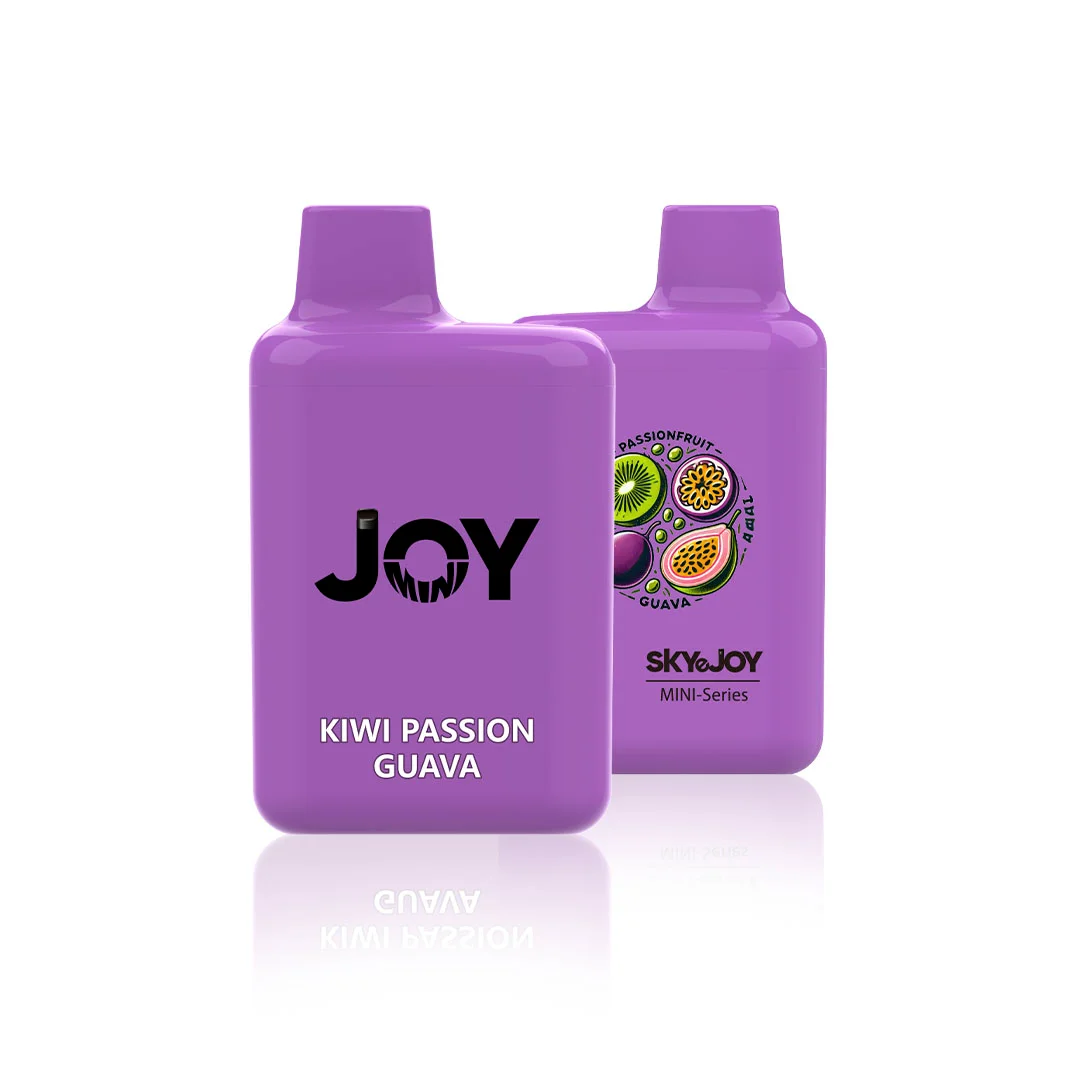
- Disposable vapes: Brands like Joy Mini, Elf Bar, STLTH, and Geek Bar are widely distributed. Disposable vapes have surged in popularity across Canada, and Ontario wholesalers have expanded their disposable inventory accordingly. See the latest best disposable vapes in Canada for 2026 for current top sellers.
- Pod systems: STLTH, JUUL (where available), and Vuse are common pod system brands in wholesale catalogs.
- E-liquids: Both freebase and nicotine salt lines from brands like Twelve Monkeys, Excise Juice Co., and various Canadian craft producers.
- Hardware: Voopoo, SMOK, and Uwell devices for retailers that carry refillable systems.
Market context: Cannara, a Canadian cannabis and vape company, reached an estimated 4.4% national retail market share in Q2 2026, showing that Canadian-made brands are gaining ground. Ontario wholesalers increasingly stock domestic brands alongside imports.
Choose a supplier that carries brands your customers actually ask for. A supplier with 500 SKUs is useless if none of them match local demand. Survey customers or review sales data before committing to a supplier’s brand portfolio.
Legal Requirements for Becoming a Vape Wholesale Buyer in Ontario
To legally purchase vape products at wholesale in Ontario, a buyer must hold a valid business license, comply with federal excise duty requirements, and follow provincial retail regulations. There is no separate “wholesale buyer license”, but several legal obligations apply.
Federal requirements:
- Excise duty compliance. Since October 2022, all vaping products manufactured or imported into Canada are subject to federal excise duty. Products must carry an excise stamp before retail sale.
- TVPA compliance. The Tobacco and Vaping Products Act governs product standards, advertising restrictions, and ingredient disclosure.
Provincial requirements (Ontario-specific):
- Smoke-Free Ontario Act, 2017. Governs where vape products can be sold, age verification requirements (19+), and display restrictions.
- Business registration. A valid Ontario business number and appropriate municipal business license are required.
- Record keeping. Retailers must maintain purchase records showing supplier details, product quantities, and excise stamp verification.
Common oversight: Many new retailers don’t realize that buying from a supplier who hasn’t properly applied excise stamps makes the retailer liable, not just the supplier. Always confirm excise stamp status before accepting delivery.
For a full breakdown of current provincial rules, see this guide to vaping laws in Ontario for 2026.

How to Verify a Vape Wholesaler’s Product Quality and Authenticity
Verify product authenticity by checking batch codes against manufacturer databases, requesting certificates of analysis (COAs), and confirming the supplier’s authorization status directly with the brand.
Step-by-step verification process:
- Request a manufacturer authorization letter. Legitimate distributors can provide written confirmation from each brand they carry.
- Check batch and lot codes. Most major vape brands have online verification tools. Enter the code from the product packaging to confirm it’s genuine.
- Ask for COAs. Certificates of analysis from third-party labs confirm nicotine levels, ingredient purity, and the absence of harmful contaminants.
- Order samples first. Buy a small quantity and compare against known authentic products. Check packaging quality, flavor accuracy, and device performance. Resources like how disposable vapes work can help identify quality indicators.
- Visit the supplier’s facility. If possible, inspect their warehouse or showroom. Lehigh Wholesale Canada, for example, maintains a physical showroom where retailers can assess products firsthand.
Red flag: If a supplier refuses to provide COAs or authorization letters, or if their pricing is significantly below what authorized distributors charge, the products may be counterfeit or diverted from unauthorized channels.
Counterfeit vape products aren’t just a business risk, they’re a safety risk. Fake devices have been linked to battery failures and contaminated e-liquid.
Shipping Costs and Timelines for Vape Wholesale Orders in Ontario
Most Ontario-based wholesale vape suppliers deliver within 1 to 3 business days for orders within the province, with shipping costs ranging from free (on orders above a threshold) to $15–$50 depending on order size and weight.
What to ask about shipping:
- Free shipping thresholds. Many suppliers waive shipping fees on orders above $500–$1,000. Confirm the exact threshold.
- Carrier options. Canada Post, Purolator, and FedEx are common. Some suppliers use their own delivery fleet for GTA-area orders.
- Tracking and insurance. Wholesale vape shipments should include tracking numbers and insurance for loss or damage.
- Signature requirements. Due to age-restricted product regulations, some carriers require adult signature on delivery.
| Shipping Factor | Typical Range (Ontario) |
|---|---|
| Delivery time (within Ontario) | 1–3 business days |
| Delivery time (from other provinces) | 3–7 business days |
| Free shipping threshold | $500–$1,000+ |
| Standard shipping cost | $15–$50 |
Edge case: Suppliers based outside Ontario (e.g., British Columbia or Alberta) may offer competitive pricing but add 3–5 days to delivery and higher shipping costs. Factor total landed cost, product price plus shipping plus any handling fees into comparisons.
Are There Wholesale Vape Suppliers That Specialize in Certain Product Types?
Yes. Some Ontario wholesalers focus exclusively on disposable vapes, while others specialize in e-liquids, pod systems, or accessories. Specialized suppliers often provide better pricing, deeper inventory, and more product knowledge in their niche.
Common specializations:
- Disposable vapes only. These suppliers carry a wide range of disposable brands and flavors, often with faster turnover and fresher stock. Joy Mini, for example, focuses specifically on disposable vape products with a curated flavor lineup.
- E-liquid focused. Suppliers that specialize in bottled e-liquid typically offer a broader range of nicotine strengths, VG/PG ratios, and flavor profiles.
- Hardware and accessories. Some distributors focus on mods, tanks, coils, and replacement parts rather than consumables.
- Cannabis vape products. A distinct category with separate licensing requirements under the Cannabis Act.
Decision rule: If disposable vapes make up more than 60% of retail sales (which is common for convenience stores and smaller vape shops), a disposable-focused supplier will likely offer better terms than a generalist. If the store carries a full range of products, working with 2–3 specialized suppliers may yield better results than one generalist.
What Certifications Should You Look for in a Professional Vape Wholesaler?
Look for suppliers whose products come from manufacturers with ISO 9001 certification, GMP (Good Manufacturing Practice) compliance, and proper Health Canada registration. These certifications indicate consistent quality control and regulatory adherence.
Key certifications and what they mean:
- ISO 9001. An international quality management standard. Manufacturers with ISO 9001 follow documented processes for production, testing, and quality control.
- GMP compliance. Ensures products are consistently produced and controlled according to quality standards. Especially important for e-liquid manufacturing.
- Health Canada registration. Manufacturers and importers of vaping products must submit product information to Health Canada, including ingredient lists and emissions data.
- UL or CE marks on hardware. These indicate that electronic components (batteries, charging circuits) meet safety standards.
- Third-party lab testing. Not a certification per se, but regular independent lab testing for nicotine accuracy, heavy metals, and contaminants is a strong quality signal.
Common mistake: Assuming that a supplier’s claim of “certified products” is accurate without requesting documentation. Always ask for copies of certificates and verify them with the issuing body.
How to Know if a Vape Wholesaler Is Right for a Small vs. Large Retail Operation
Small retailers (1–2 locations, under 500 units/month) need suppliers with low MOQs, flexible payment terms, and no long-term commitments. Large operations (3+ locations or 2,000+ units/month) should prioritize volume pricing, dedicated account managers, and logistics support.
For small retailers:
- Look for MOQs under 100 units
- Prioritize suppliers that offer mixed-SKU orders (variety packs rather than single-SKU bulk)
- Avoid long-term contracts until the supplier relationship is proven
- Consider suppliers that also sell direct-to-consumer, as they often understand retail trends better
- Browse options like affordable disposable vapes under $20 to identify products that move quickly at accessible price points
For large retailers:
- Negotiate volume discounts and net-30 or net-60 payment terms
- Request a dedicated account representative
- Ask about drop-shipping or direct-to-store delivery for multiple locations
- Evaluate the supplier’s capacity to scale, can they handle a 50% increase in your order volume?
- Ontario’s largest specialty vape retailer, 180 Smoke (operated by Delota Corp.), grew to 30 locations and over 260,000 registered customers, demonstrating the kind of supplier infrastructure needed at scale
Quick comparison:
| Factor | Small Retailer Needs | Large Retailer Needs |
|---|---|---|
| MOQ | 50–100 units | 500+ units |
| Payment terms | Prepay or COD | Net-30/Net-60 |
| Account support | Email/phone | Dedicated rep |
| Order frequency | Bi-weekly to monthly | Weekly |
| Contract length | None or month-to-month | Annual with review clauses |
What Are Red Flags When Evaluating Potential Vape Wholesale Suppliers?
The biggest red flags are prices significantly below market rate, no verifiable business address, and refusal to provide compliance documentation. Any one of these should disqualify a supplier from consideration.
Complete red flag checklist:
- No physical address or warehouse. Legitimate wholesalers have verifiable locations. If they can’t be found on Google Maps or won’t allow a site visit, proceed with extreme caution.
- Prices 30%+ below competitors. This often indicates counterfeit products, grey market goods, or products without proper excise stamps.
- No excise stamp documentation. In Canada, this is a legal requirement. A supplier that can’t show excise compliance is putting your retail license at risk.
- Poor or nonexistent online presence. No website, no reviews, no industry references — these are warning signs.
- Pressure to buy large quantities immediately. Reputable suppliers allow trial orders and don’t push aggressive minimums on new accounts.
- No return or defect policy. Every legitimate wholesaler has a documented process for handling defective products.
- Inconsistent product packaging. Misspellings, low-quality printing, or packaging that differs from the manufacturer’s official design suggest counterfeits.
- Cash-only transactions. Professional wholesalers accept bank transfers, credit cards, or established payment platforms.
Real-world context: In 2024, authorities seized over 28,000 pounds of illicit vape products in a single enforcement action in New York, linked to non-compliant distribution. Similar enforcement happens in Canada. Retailers caught with non-compliant inventory face fines and product confiscation regardless of whether they knew the products were illicit.
The 12 Questions: Your Complete Checklist for Choosing the Best Wholesale Vape Supplier in Ontario
Before placing a first order, ask every potential supplier these 12 questions. Their answers, and their willingness to answer, will tell you everything you need to know.
- How long have you been operating, and can you provide business references?
- Are all your products compliant with Health Canada regulations and the TVPA?
- Do your products carry valid federal excise stamps?
- Can you provide manufacturer authorization letters for the brands you carry?
- What are your minimum order quantities, and do you offer trial orders?
- What is your pricing structure, and are volume discounts available?
- What are your shipping timelines and costs within Ontario?
- What is your return and defect policy?
- Can you provide certificates of analysis or third-party lab test results?
- Do you offer dedicated account support for retail partners?
- How do you handle product recalls or compliance changes?
- Can I visit your warehouse or showroom before committing?
Print this list. Bring it to every supplier meeting. A supplier that answers all 12 questions clearly and provides documentation is worth working with. A supplier that dodges even one compliance-related question is not.
Frequently Asked Questions
Do I need a special license to buy vape products wholesale in Ontario? No separate wholesale buyer license exists. You need a valid Ontario business license, a business number for tax purposes, and compliance with the Smoke-Free Ontario Act for retail sales.
How much does it cost to start buying wholesale vape products? Initial orders typically range from $500 to $5,000 depending on the supplier’s MOQ and product mix. Some suppliers offer starter packages for new retailers.
Can I buy wholesale vape products online in Ontario? Yes. Many Ontario-based wholesalers operate e-commerce platforms for B2B ordering. Ensure the supplier verifies your business credentials before shipping.
What happens if I receive counterfeit products from a wholesaler? You may face regulatory penalties even if you didn’t know the products were fake. Document everything, report the supplier to Health Canada, and consult a lawyer if significant financial loss occurred.
How often should I reorder from my wholesale supplier? Most Ontario vape retailers reorder every 1–2 weeks for fast-moving items like disposables and monthly for slower-moving hardware. Set reorder points based on sales velocity.
Is it better to buy direct from brands or through a distributor? It depends on volume. Retailers moving 500+ units per month of a single brand may benefit from direct purchasing. Smaller retailers typically get better value and convenience from distributors who aggregate multiple brands.
What nicotine concentration limits apply to wholesale vape products in Ontario? Federal regulations under the TVPA currently cap nicotine concentration at 20 mg/mL for vaping products sold at retail in Canada.
Can I return unsold wholesale vape inventory? Most wholesalers do not accept returns on unsold inventory unless it’s defective. Always clarify the return policy before ordering.
How do I know if a supplier’s prices are fair? Request quotes from at least 3 suppliers for the same products. Compare total landed cost (product + shipping + fees), not just unit price.
Are there wholesale vape trade shows in Ontario? Yes. Industry events and trade shows occur periodically in Toronto and other Ontario cities. These are excellent opportunities to meet suppliers, compare products, and negotiate terms in person.
Conclusion
Choosing the best wholesale vape supplier in Ontario comes down to asking the right questions before money changes hands. The 12 questions outlined above cover every critical area: compliance, pricing, product authenticity, shipping, and support.
Actionable next steps:
- Create a shortlist of 3–5 potential suppliers based on the criteria in this guide.
- Send each supplier the 12-question checklist and evaluate their responses for completeness and transparency.
- Order samples from your top 2 candidates before committing to a large purchase.
- Verify compliance documentation independently, don’t take a supplier’s word alone.
- Start with a small trial order and evaluate fulfillment accuracy, shipping speed, and product quality before scaling up.
- Review your supplier relationship quarterly and maintain at least one backup supplier.
The Ontario vape market continues to grow and evolve, with new brands entering, regulations tightening, and consumer preferences shifting. A strong wholesale supplier relationship isn’t just about getting products on shelves, it’s about building a foundation for a compliant, profitable, and sustainable retail business.
For more guidance on getting started, explore the complete guide to choosing a wholesale vape supplier in Ontario or browse the full wholesale product catalog.