

Last updated: August 20, 2026
Quick Answer
Opening a vape shop in the Greater Hamilton Area requires a municipal business licence, a tobacco/e-cigarette retailer licence from the City of Hamilton, compliance with the Smoke-Free Ontario Act, and a reliable wholesale supply chain. Vape wholesale in the Greater Hamilton Area: a retailer’s checklist covers every step, from finding suppliers and understanding minimum order quantities to meeting age-verification rules and stocking the right product mix. Retailers who skip even one licensing or compliance step risk fines, licence revocation, or both.
Key Takeaways
- Hamilton requires both a general business licence and a specific tobacco/e-cigarette retailer licence before a single vape product can be sold.
- The Smoke-Free Ontario Act sets strict rules on display, promotion, flavour availability, and nicotine concentration (capped at 20 mg/mL nationally).
- Wholesalers and distributors serve different roles: wholesalers buy from manufacturers in bulk; distributors handle regional logistics and often carry multiple brands.
- Minimum order quantities from Hamilton-area wholesalers typically range from 50 to 500 units, depending on the supplier and product category.
- Bulk pricing for disposable vapes generally falls between $4 and $9 per unit at wholesale before excise tax, with margins varying by brand and volume tier.
- Specialty vape store classification in Hamilton allows a broader flavour selection than general convenience or gas-station retail.
- Age verification is not optional: every customer must be confirmed 19 or older, and staff must be trained on ID-checking protocols.
- Municipal inspections can happen without notice, and repeated violations lead to licence suspension or permanent revocation.
- A focused opening inventory of 15 to 25 SKUs across disposables, pod systems, and e-liquids is enough for most new shops.
- Excise tax, GST/HST, and shipping costs all affect real margins, so reading wholesale invoices carefully matters from day one.
What Licences Do You Need to Sell Vape Products in Hamilton?
Every vape retailer in the Greater Hamilton Area needs two municipal licences plus provincial compliance before opening. The City of Hamilton requires a general business licence and a tobacco and e-cigarette retailer licence, both issued through the city’s licensing office. Without these, selling any vaping product is illegal and subject to immediate enforcement.
Steps to get licensed:
- Register the business with the Ontario government (sole proprietorship, partnership, or corporation).
- Apply for a Hamilton business licence through the city’s online portal or in person at the licensing counter.
- Apply for the tobacco/e-cigarette retailer licence separately. This involves a background check and confirmation that the proposed retail location meets zoning requirements.
- Confirm Smoke-Free Ontario Act compliance with Hamilton Public Health, including display restrictions, signage, and age-verification procedures.
- Register for HST with the Canada Revenue Agency if annual revenue exceeds $30,000.
Common mistake: Some new owners assume a general business licence covers vape sales. It does not. The tobacco/e-cigarette retailer licence is a separate, mandatory document. Operating without it can result in fines starting at several thousand dollars per offence.
For a full walkthrough of the provincial setup process, see the guide on how to become a vape retailer in Ontario.
How Long Does It Take to Get Approved as a Vape Retailer in Hamilton?
Expect the full licensing process to take four to eight weeks from initial application to approval, assuming no complications. The general business licence is usually processed within two to three weeks. The tobacco/e-cigarette retailer licence can take an additional two to five weeks because it involves a public-health review and a site inspection.
Factors that slow things down:
- Incomplete applications (missing floor plans, incorrect zoning classification)
- Renovations needed to meet display and signage rules
- Delays in background-check processing
- Scheduling conflicts for the mandatory site inspection
Decision rule: If the target opening date is firm, submit both licence applications at least 10 weeks in advance. Delays are common, and there is no expedited track for vape-specific licences in Hamilton as of 2026.
What Are the Local Regulations for Vape Retail in Hamilton, Ontario?
Hamilton vape retailers must comply with the Smoke-Free Ontario Act (SFOA), federal nicotine and packaging rules, and city-specific bylaws. Together, these regulations control what can be sold, how it’s displayed, and who can buy it.
Key regulatory requirements:
| Regulation Area | Requirement |
|---|---|
| Nicotine cap | 20 mg/mL maximum (federal, Canada-wide) |
| Flavour restrictions | General retailers (convenience, gas stations) limited to tobacco, mint, and menthol flavours only. Specialty vape stores may sell a broader flavour range. |
| Display rules | Products cannot be visible to minors from outside the store. In-store displays must comply with SFOA restrictions on promotion. |
| Signage | Mandatory health warnings and age-restriction signs at point of sale. |
| Packaging | Plain packaging with standardized health warnings; no lifestyle imagery or testimonials. |
| Sales data reporting | Federal Vaping Product Reporting Regulations require manufacturers and importers to report sales data. Retailers should confirm their suppliers are compliant. |
Specialty vape store classification is important in Hamilton. To qualify, a store must derive the majority of its revenue from vaping products and meet specific criteria set by the province. This classification allows access to flavoured products that general retailers cannot sell. Retailers who want to carry fruit, dessert, or candy flavours should confirm their specialty status before ordering inventory.
For more on Ontario’s display compliance, read about vape shop display rules in Ontario.
What Is the Difference Between Vape Wholesalers and Distributors in the Hamilton Area?
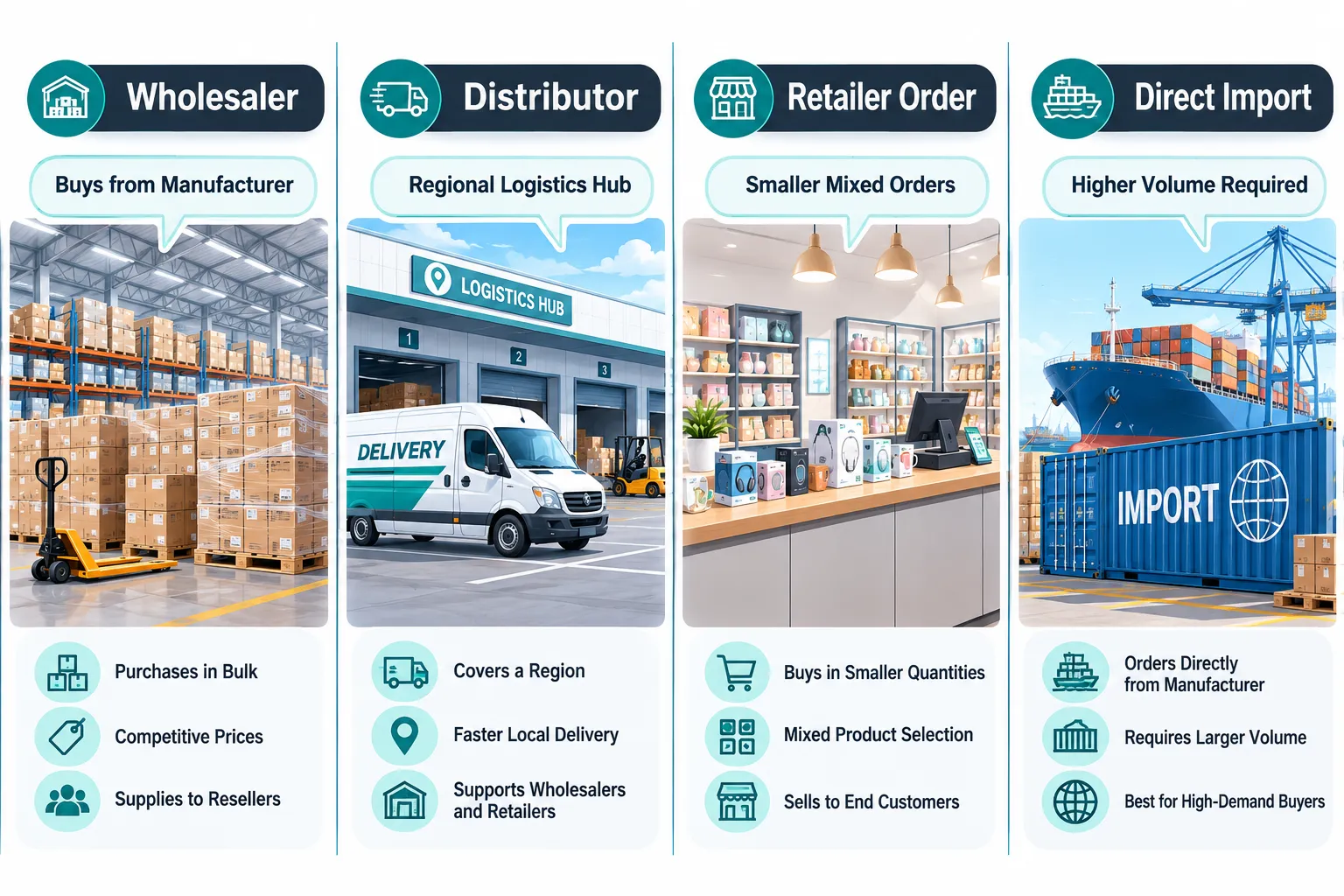
Wholesalers buy large quantities directly from manufacturers and sell to retailers at a markup. Distributors act as regional logistics partners, often carrying products from multiple manufacturers and handling warehousing, delivery, and sometimes credit terms. In practice, many Hamilton-area companies operate as both.
Choose a wholesaler if:
- The shop focuses on one or two brands and can commit to larger volumes.
- Lower per-unit cost is the priority.
- The business has storage space for bulk shipments.
Choose a distributor if:
- The shop needs a mixed product assortment from several brands.
- Smaller, more frequent orders are preferred.
- The business values delivery logistics and flexible payment terms.
Edge case: Some suppliers in the Hamilton area call themselves wholesalers but actually function as distributors with smaller minimum orders and mixed-brand catalogues. Always ask about their relationship with the manufacturer and whether they hold authorized reseller status.
For guidance on evaluating suppliers across Ontario, see how to choose the best wholesale vape supplier in Ontario.
What Are the Best Vape Wholesalers Near Hamilton, Ontario?
The best vape wholesalers near Hamilton are those that carry Health Canada-compliant products, offer transparent pricing that includes excise tax breakdowns, and provide consistent delivery to the Greater Hamilton Area. Specific company recommendations change as the market evolves, but the evaluation criteria stay the same.
What to look for in a Hamilton-area wholesaler:
- Compliance documentation: The supplier should provide proof that all products meet federal nicotine caps, packaging standards, and excise-stamp requirements.
- Product range: A good wholesaler carries disposables, pod systems, e-liquids, and accessories from recognized brands.
- Delivery reliability: Ask about lead times to Hamilton. Local or GTA-based suppliers often deliver within one to three business days.
- Transparent invoicing: The invoice should clearly separate product cost, excise duty, and HST. For help reading these, check the guide on reading a vape wholesale invoice.
- Return and defect policies: Confirm the process for handling defective units or shipping errors before placing a first order.
Quick example: A Hamilton retailer ordering 200 disposable vapes from a GTA-based wholesaler should receive an invoice showing the per-unit product cost, the federal excise duty per unit, HST calculated on the total, and any shipping charges. If any of those line items are missing or bundled together, ask for a corrected invoice.
How to Find Reliable Vape Suppliers in Greater Hamilton
Start with three practical steps: verify compliance, request samples, and check references from other Hamilton-area retailers. Reliability in vape wholesale means consistent product quality, accurate order fulfillment, and no surprises on invoicing.
Step-by-step process:
- Search for Ontario-based suppliers with established distribution to the Hamilton, Burlington, Stoney Creek, and Dundas areas.
- Request a product catalogue and confirm every listed product meets federal and provincial regulations.
- Order a small sample batch (usually 20 to 50 units) to test product quality, packaging condition, and delivery speed.
- Ask for references from at least two other retailers the supplier currently serves.
- Compare at least three suppliers on price, minimum order quantity, delivery terms, and return policy before committing.
Common mistake: Choosing a supplier based on price alone. The cheapest per-unit cost means nothing if products arrive without proper excise stamps or with damaged packaging that can’t be sold. Compliance failures can also result in fines for the retailer, not just the supplier.
For a deeper supplier evaluation framework, see 12 questions to ask a wholesale vape supplier.
Vape Wholesale Pricing Comparison: Hamilton Suppliers
Wholesale pricing for vape products in the Hamilton area varies by product type, order volume, and supplier. Below is a general pricing framework based on market conditions in 2026. These are estimates; actual quotes will vary.
| Product Category | Estimated Wholesale Range (per unit, before excise/HST) | Typical Retail Price |
|---|---|---|
| Disposable vapes (standard) | $4.00, $7.00 | $12.99, $19.99 |
| Disposable vapes (premium/high-puff) | $6.00, $9.00 | $17.99, $24.99 |
| Pod system devices | $8.00, $15.00 | $24.99, $39.99 |
| Replacement pods (pack) | $3.00, $6.00 | $9.99, $16.99 |
| E-liquid (30 mL bottle) | $3.50, $7.00 | $12.99, $19.99 |
Important: These prices do not include federal excise duty, which adds a significant per-unit cost. The excise tax on vaping products in Canada is structured as a combination of a flat rate and a percentage, and it changes the real cost substantially. Retailers who ignore excise in their margin calculations will underestimate costs.
For a detailed breakdown of how excise and HST affect real margins, read about wholesale disposable vape margins for Ontario retailers.
How Much Do Vape Distributors Charge for Bulk Orders in Hamilton?
Bulk order pricing from Hamilton-area distributors typically drops 10% to 20% below standard wholesale rates once order volume exceeds certain thresholds. The exact discount depends on the distributor, the brand, and the product category.
General volume discount structure:
- 50-99 units: Standard wholesale pricing
- 100-249 units: 5% to 10% discount
- 250-499 units: 10% to 15% discount
- 500+ units: 15% to 20% discount, sometimes with free shipping
Decision rule: If the shop can sell through 250 or more units of a single SKU within 30 to 45 days, ordering at the 250+ tier usually makes financial sense. If turnover is slower, the carrying cost and risk of product expiry (e-liquids have shelf lives) may offset the per-unit savings.
For more on order minimums and free shipping thresholds, see free shipping thresholds and order minimums at Canadian vape wholesalers.
What’s the Minimum Order Quantity for Vape Wholesale in Hamilton?
Most Hamilton-area wholesalers set minimum order quantities (MOQs) between 50 and 500 units, depending on the product type and the supplier’s business model. Some distributors allow mixed-product orders where the MOQ applies to the total order rather than individual SKUs.
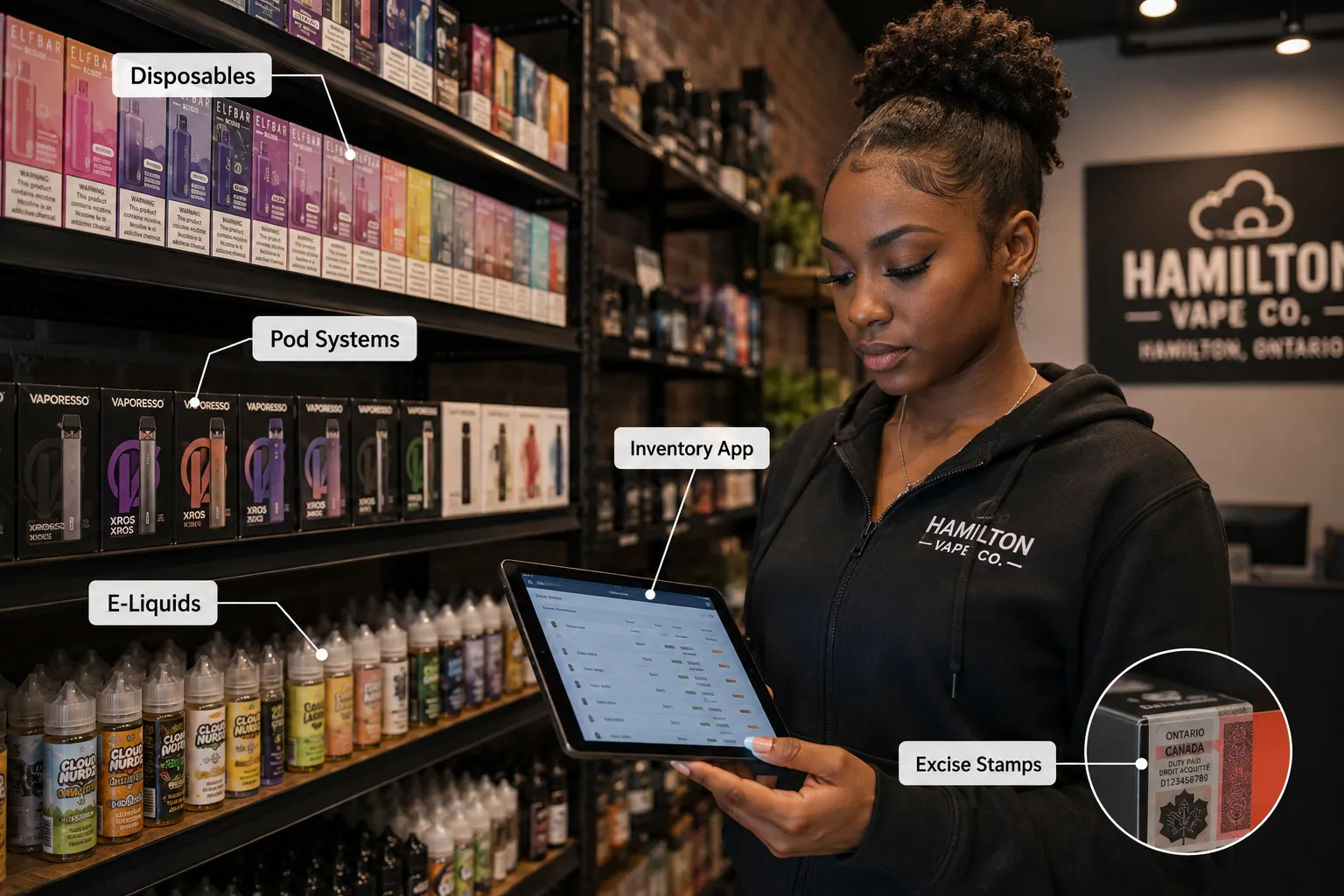
- Disposable vapes: MOQs often start at 50 to 100 units per flavour or per SKU.
- Pod systems and devices: MOQs are lower, sometimes 10 to 25 units, because the per-unit cost is higher.
- E-liquids: Typically 24 to 48 bottles per flavour.
- Accessories (coils, chargers, cases): Often bundled into mixed cases of 20 to 50 units.
Edge case: A brand-new shop with limited capital can look for distributors that offer mixed-case minimums. Instead of ordering 100 units of one flavour, the retailer orders a case of 100 units across 10 flavours. Not all suppliers offer this, so ask specifically.
Which Vape Brands Do Hamilton Wholesalers Carry?
Hamilton-area wholesalers typically carry a mix of nationally recognized disposable brands, pod system manufacturers, and Canadian e-liquid lines. The specific brand roster shifts as new products enter the market and regulations change, but most established suppliers stock products from brands that have completed Health Canada’s reporting requirements.
Product categories commonly available:
- Disposable vapes: Multiple brands offering products compliant with the 20 mg/mL nicotine cap and Canadian packaging rules.
- Pod systems: Devices and replacement pods from major manufacturers.
- E-liquids: Canadian-made and imported lines in compliant packaging.
- Accessories: Replacement coils, lanyards, display stands, and carrying cases.
What to confirm before ordering a new brand:
- Does the brand have proper excise stamps on every unit?
- Is the packaging compliant with federal plain-packaging rules?
- Does the brand have a track record of consistent supply, or is it prone to stock-outs?
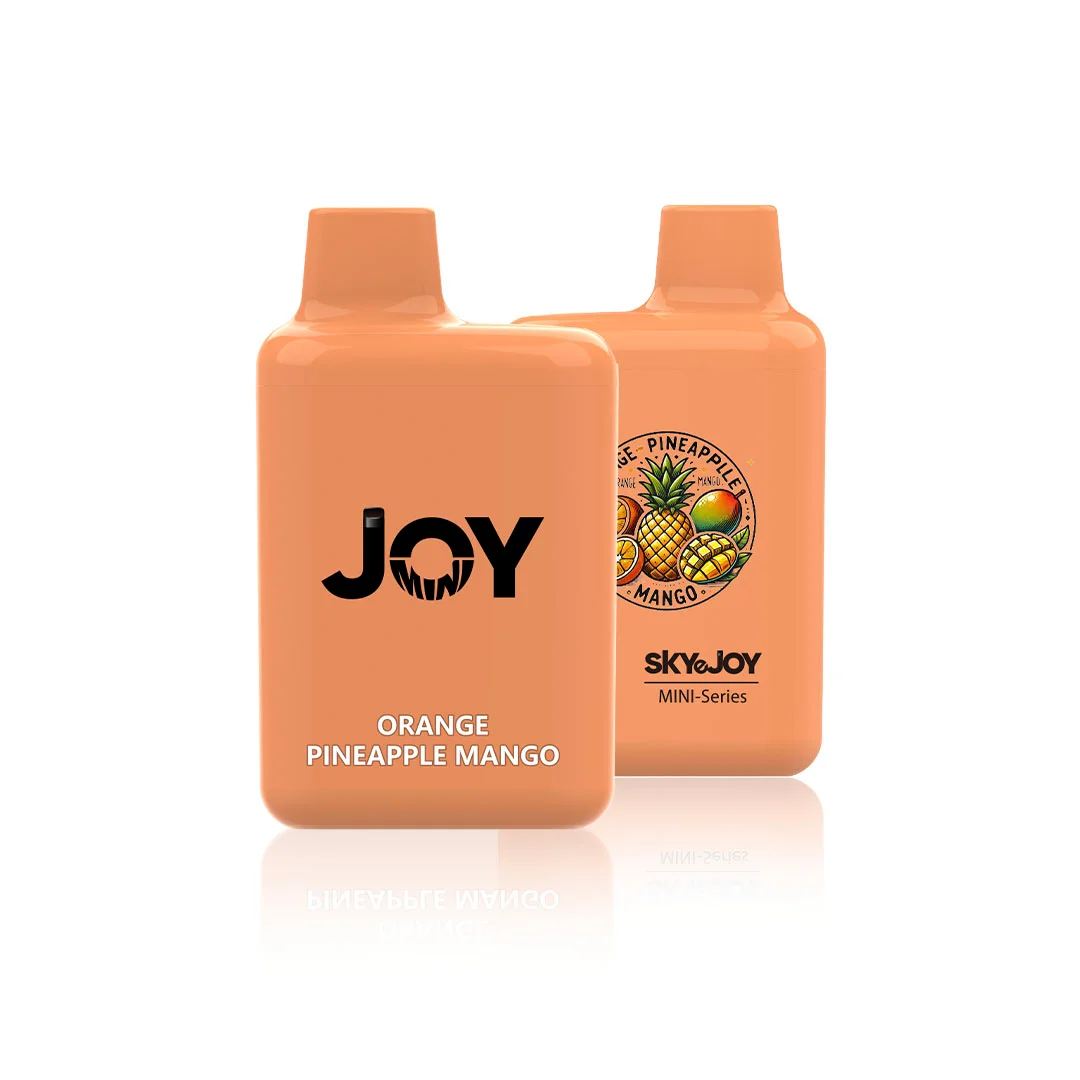
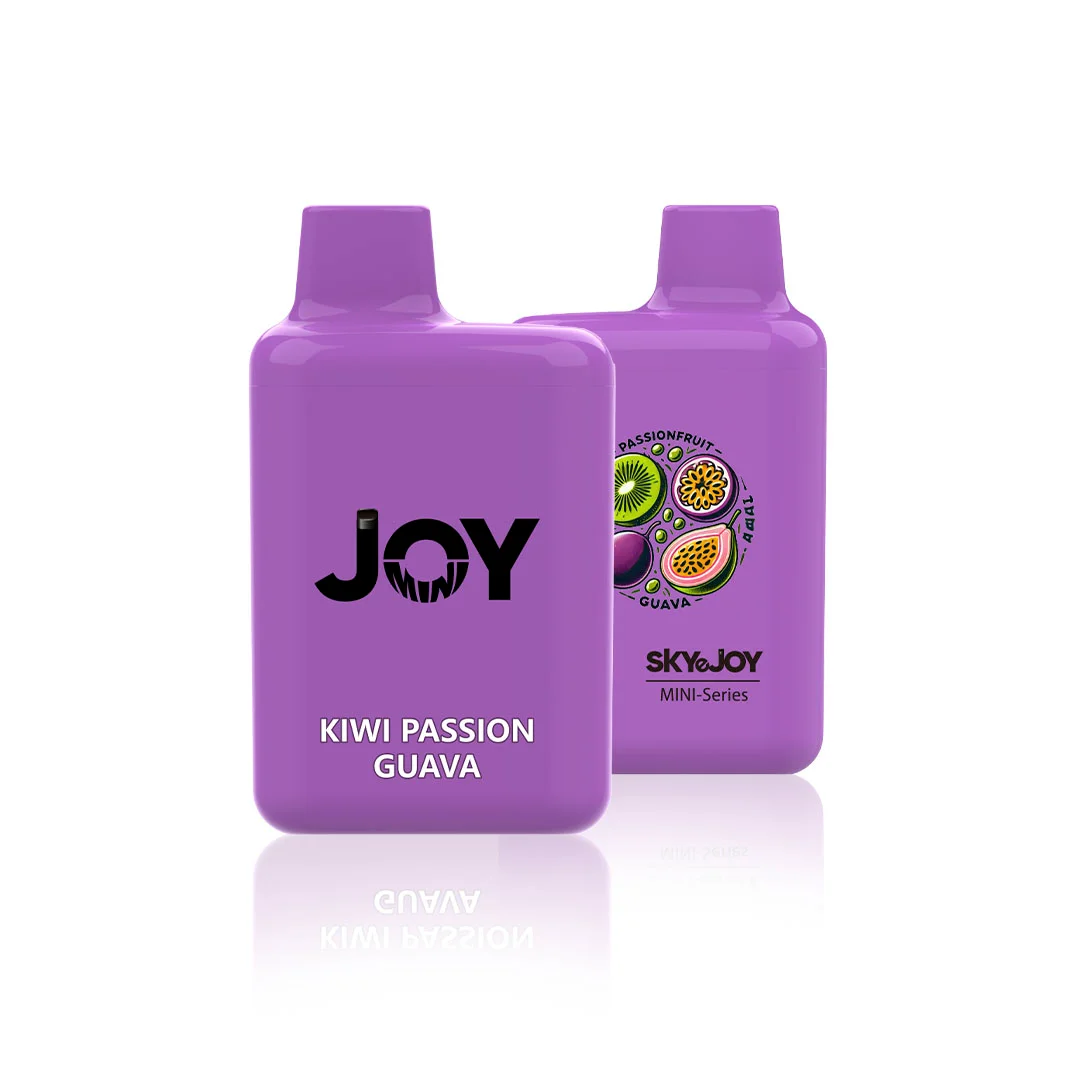
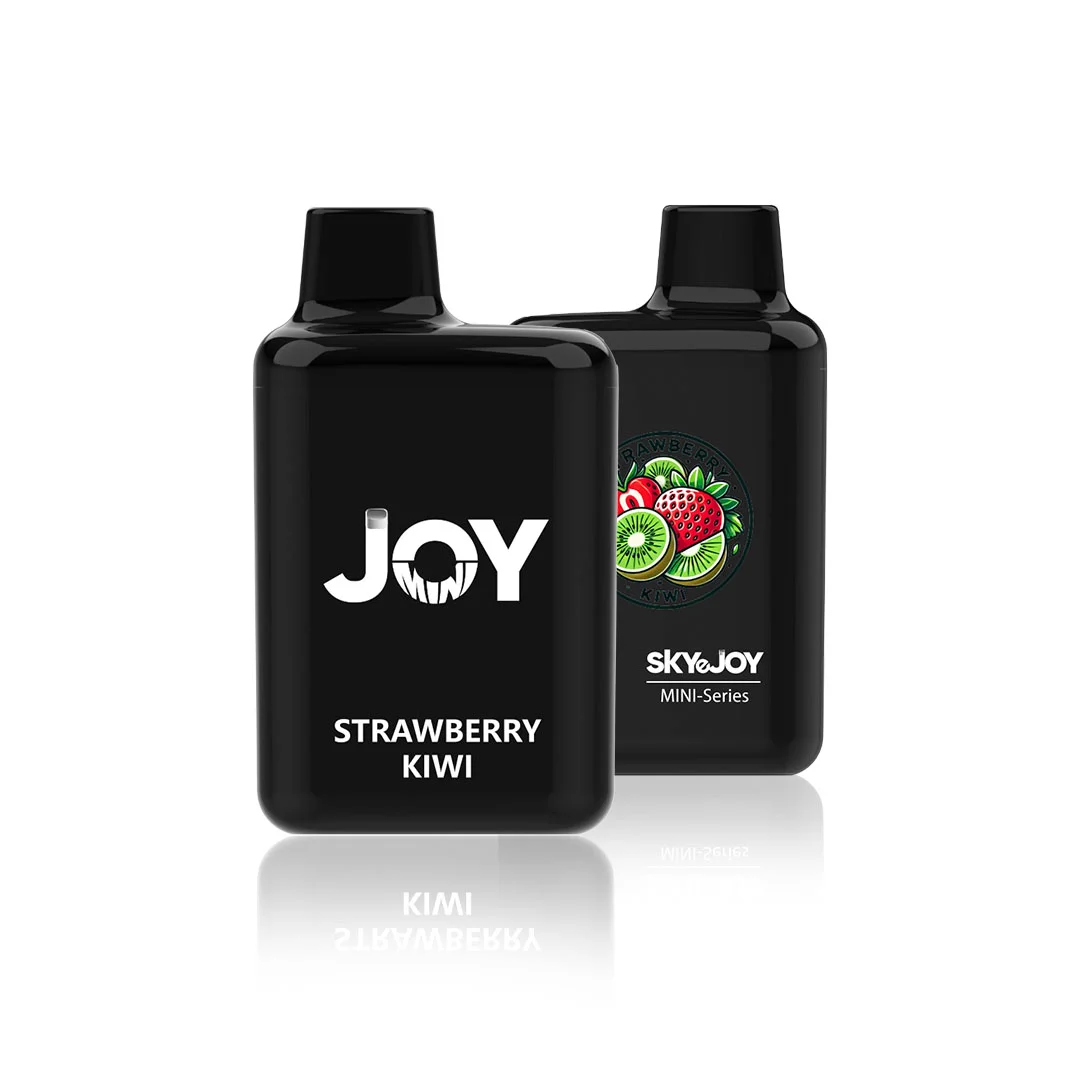
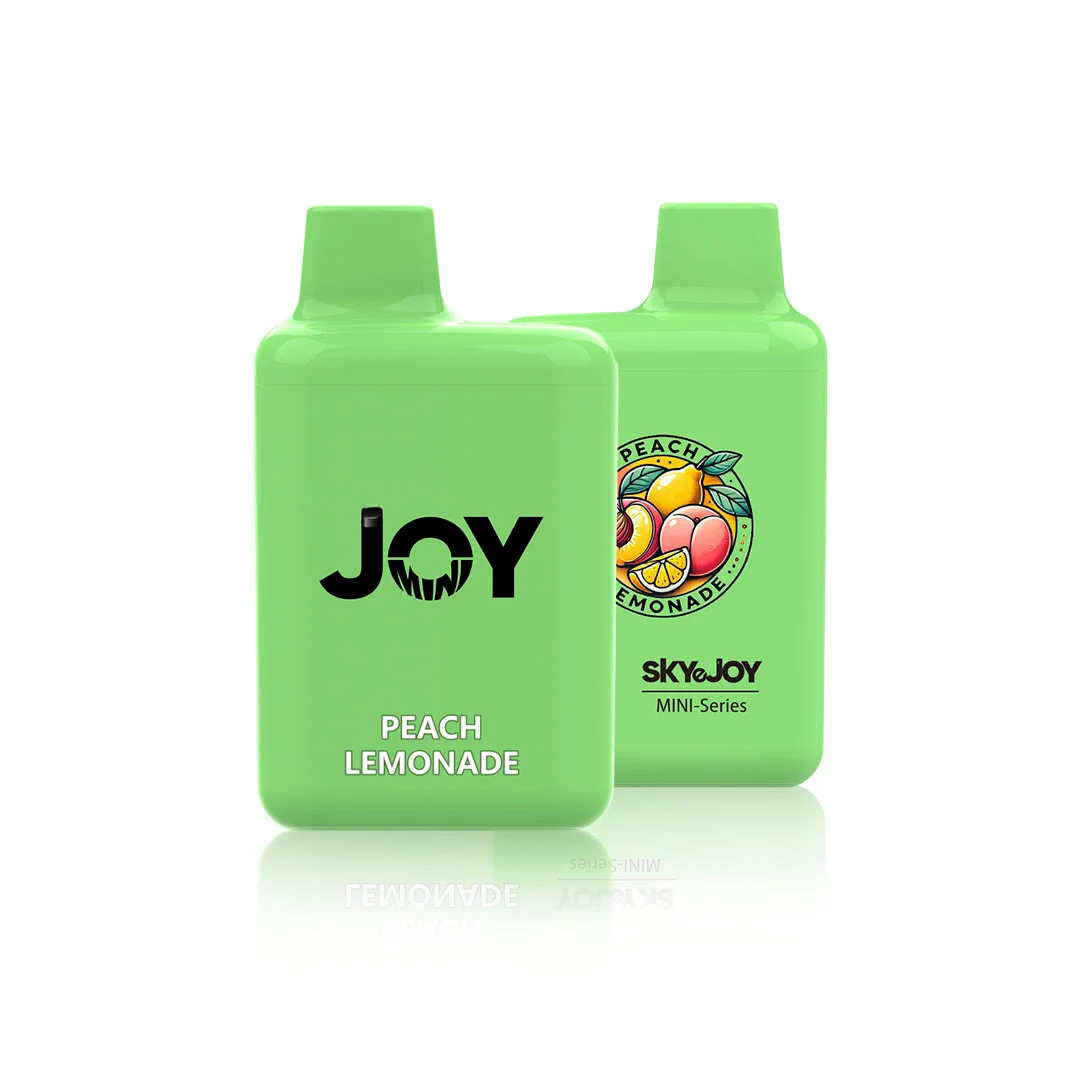
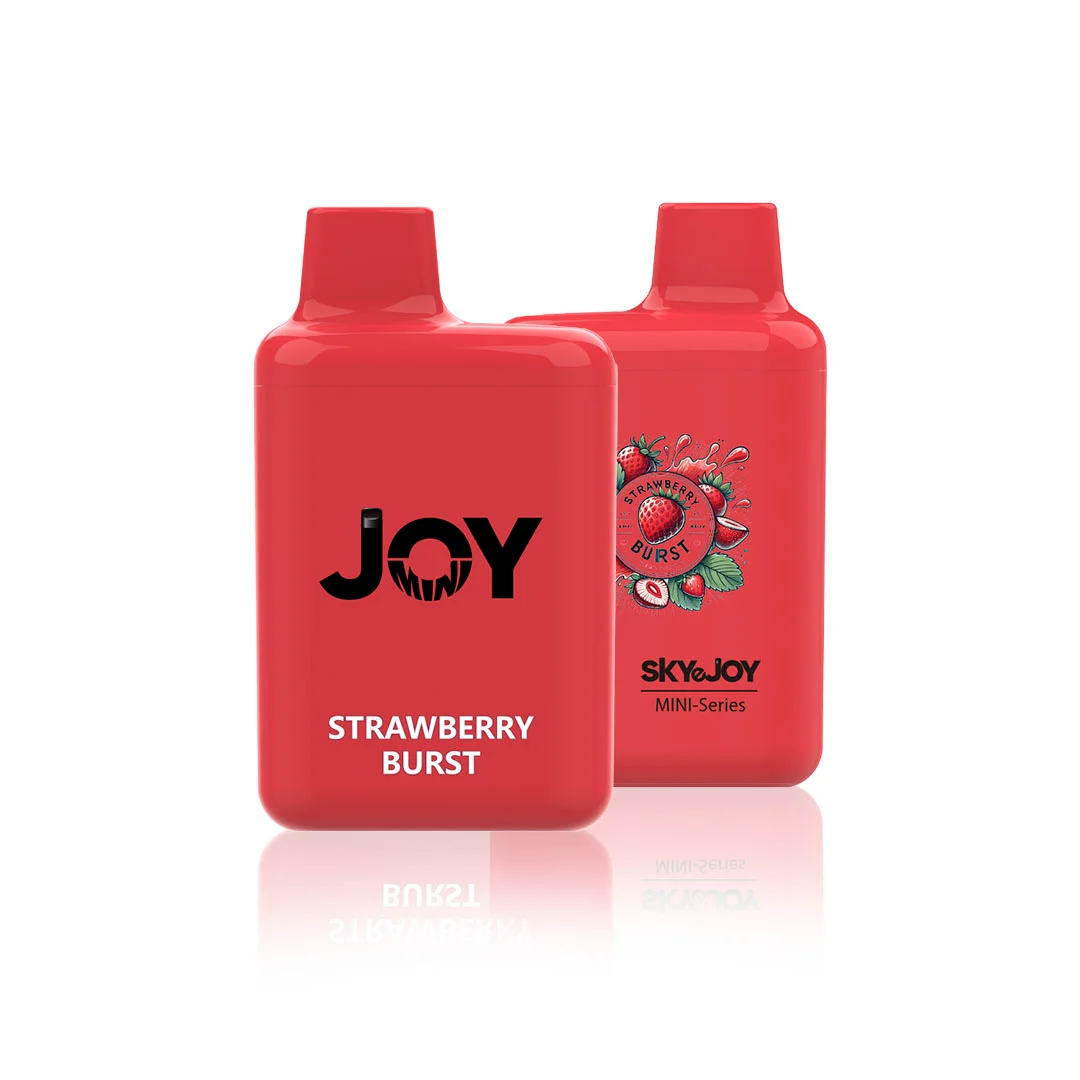
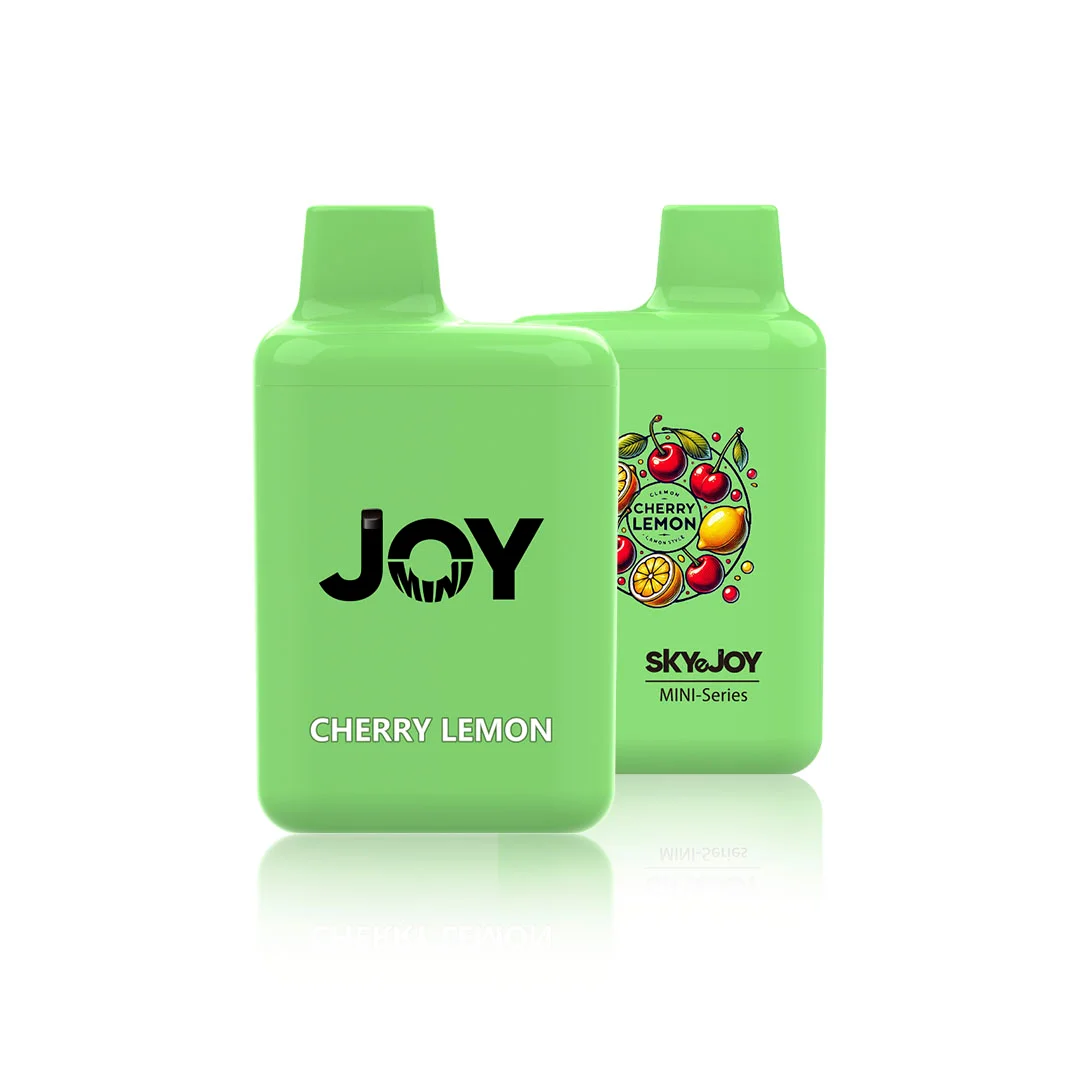
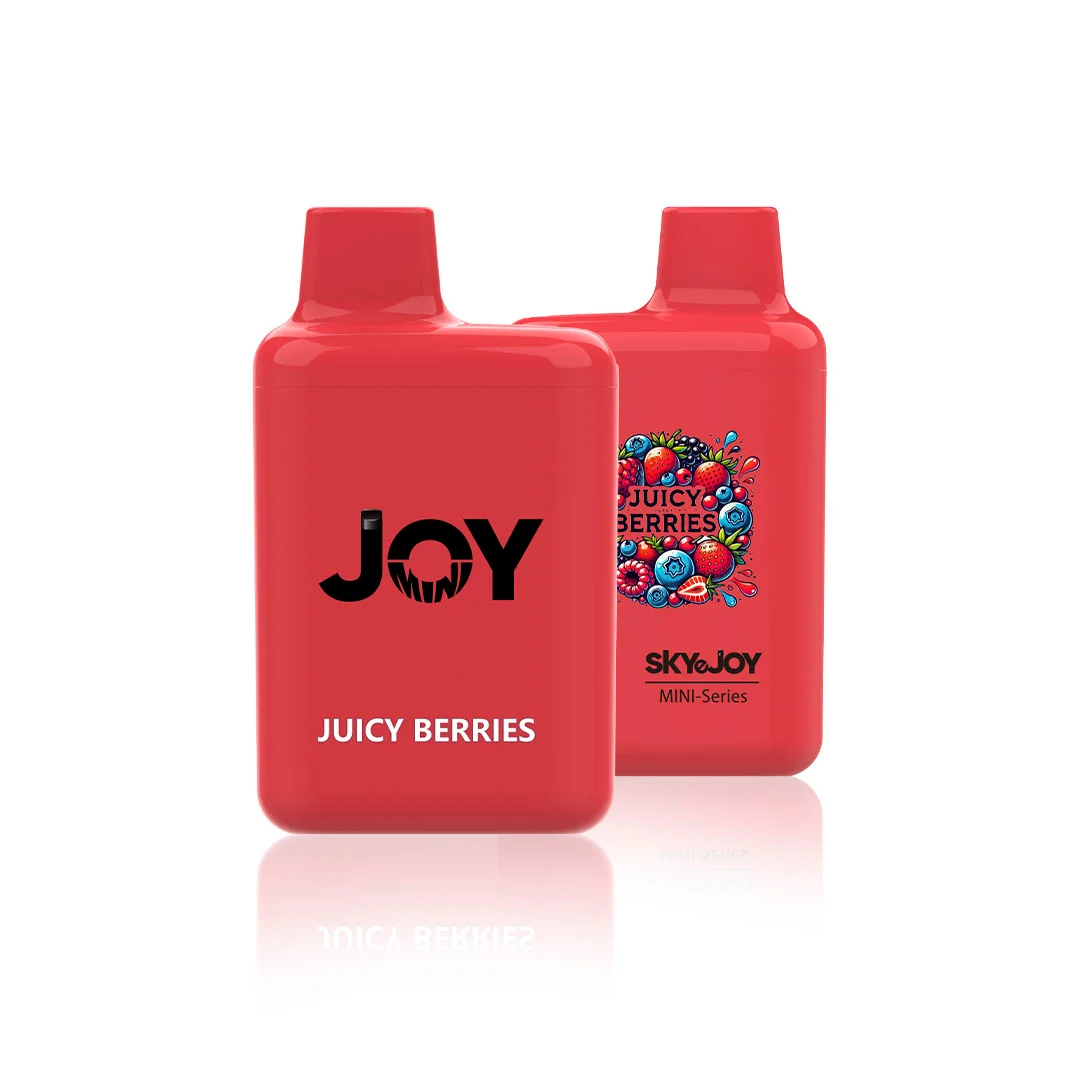
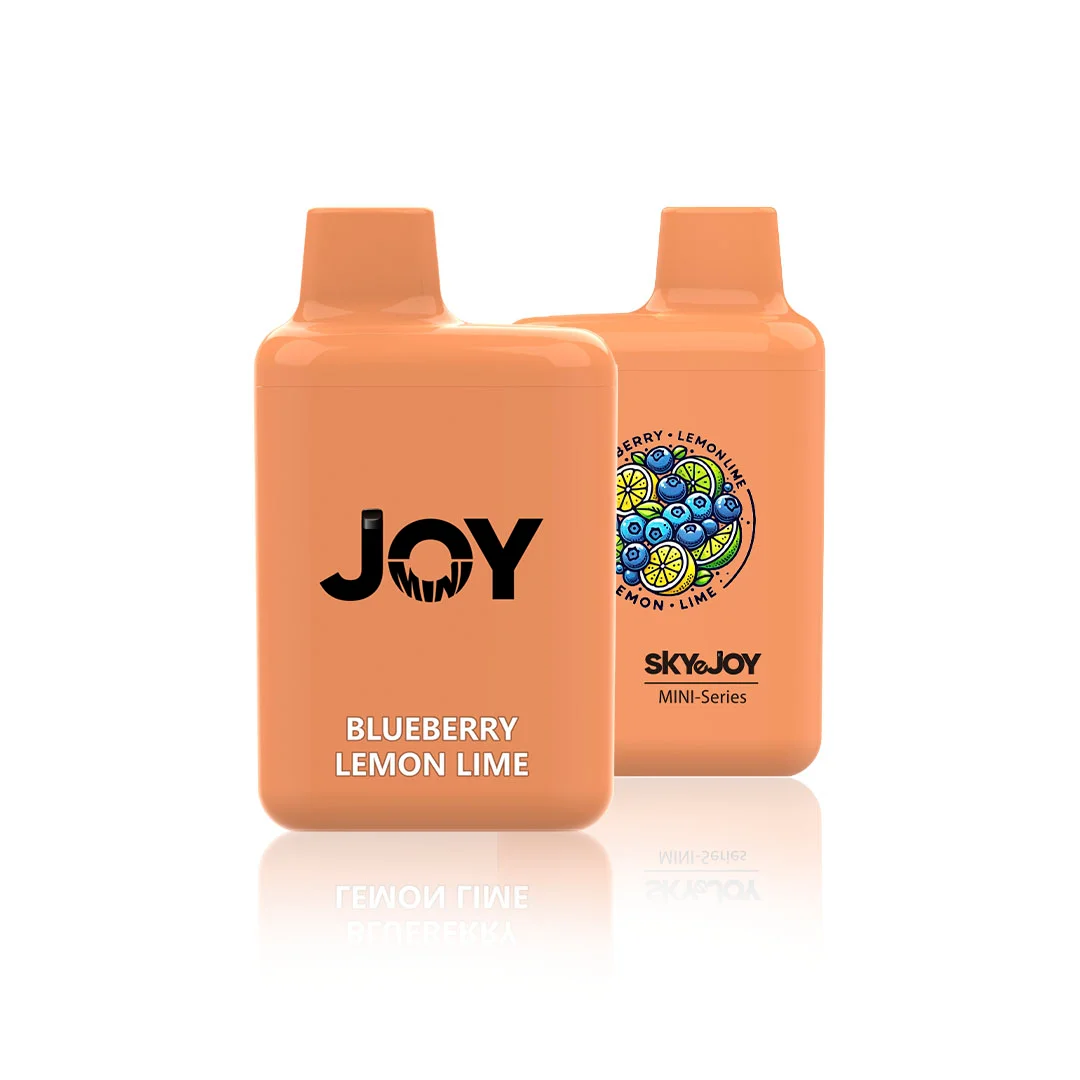
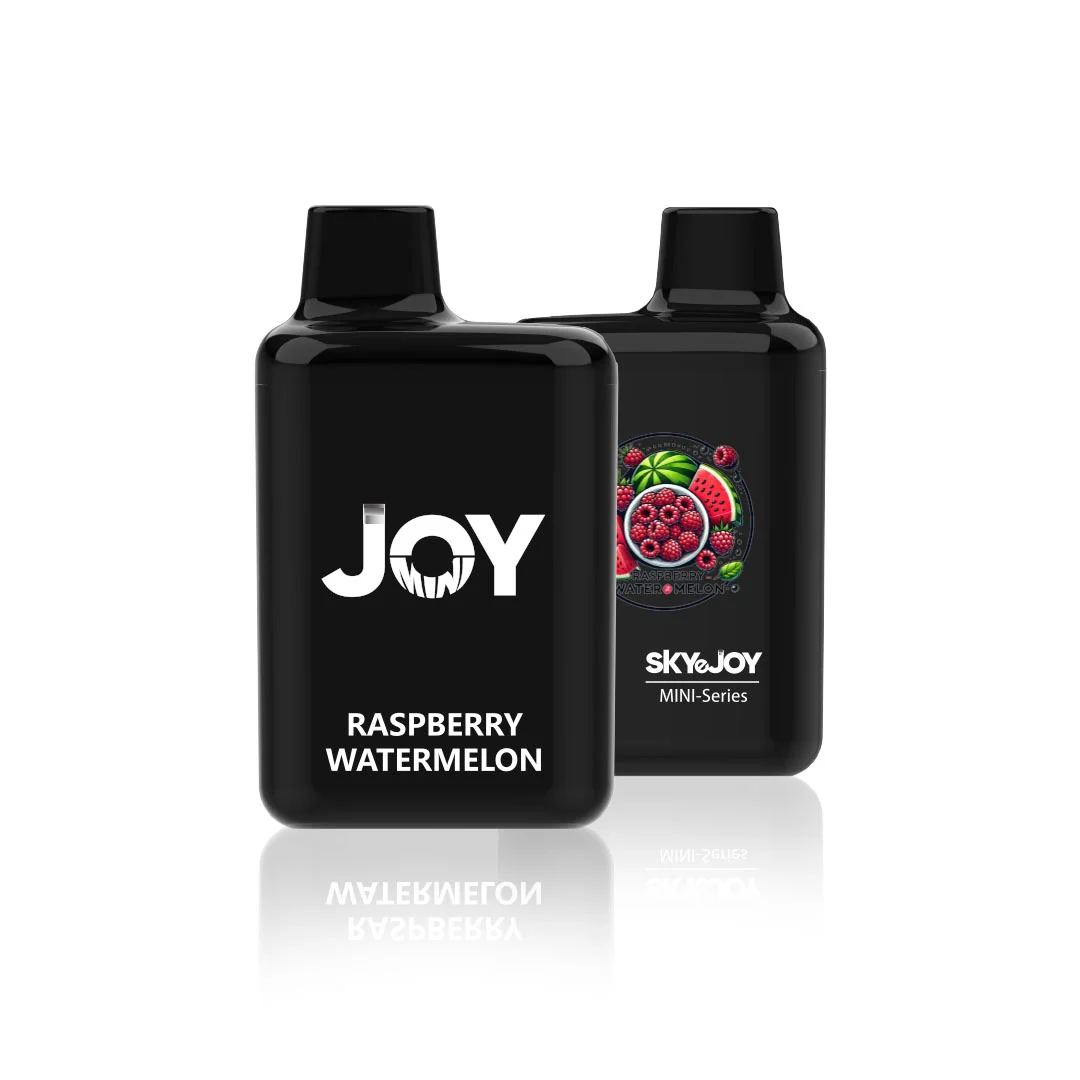
For a look at one compliant wholesale product line, see the Joy Mini wholesale program for Ontario retailers.
What Products Should a New Vape Shop Stock from Wholesalers?
A new vape shop in the Greater Hamilton Area should open with 15 to 25 SKUs across three core categories: disposable vapes, pod systems, and e-liquids. This keeps initial inventory costs manageable while offering enough variety to attract different customer segments.
Recommended opening inventory mix:
- Disposable vapes (60% of initial stock): These are the highest-volume category for most Ontario vape shops. Stock 8 to 12 flavours across two to three brands. Prioritize fruit, menthol, and tobacco options.
- Pod systems (20% of initial stock): Carry two to three device options at different price points, plus replacement pods for each.
- E-liquids (15% of initial stock): Stock 6 to 10 flavours in the most popular nicotine strengths (typically 10 mg/mL and 20 mg/mL).
- Accessories (5% of initial stock): Basic items like replacement coils and device cases.
Common mistake: Over-ordering niche products before understanding local demand. A shop in downtown Hamilton near McMaster University may see different purchasing patterns than one in Stoney Creek or Ancaster. Start lean, track what sells in the first 30 days, and reorder based on actual data.
For inventory management strategies, read about vape inventory management for small Ontario retailers.
Are There Age Verification Requirements for Vape Retailers in Hamilton?
Yes. Ontario law requires every vape retailer to verify that customers are at least 19 years old before completing a sale. This applies to in-store purchases and online orders. There are no exceptions.
Age verification requirements:
- Photo ID check: Acceptable forms include Ontario driver’s licence, Canadian passport, Ontario photo card, and BYID card.
- Challenge-25 approach: Many Hamilton retailers adopt a “challenge 25” policy, meaning anyone who appears under 25 is asked for ID, even if they are likely over 19. This provides a safety margin.
- Staff training: All employees who handle sales must be trained on ID-checking procedures. Training should be documented and refreshed annually.
- Signage: A sign stating that ID is required must be posted at the point of sale.
- Online sales: Retailers selling online must use an age-verification system at checkout. A simple checkbox (“I confirm I am 19+”) is not sufficient under Ontario enforcement standards.
Enforcement reality: Hamilton Public Health and bylaw officers conduct compliance checks, including sending underage test shoppers into stores. A single failed check can result in fines and trigger increased scrutiny. Repeated failures lead to licence suspension or revocation.
Common Mistakes New Vape Shop Owners Make in Hamilton
New vape retailers in the Greater Hamilton Area tend to make the same handful of errors. Most are avoidable with basic planning.
Mistake 1: Skipping the specialty vape store classification. General retailers face severe flavour restrictions. If the business plan depends on selling flavoured disposables beyond tobacco and menthol, the store must qualify as a specialty vape shop. Failing to secure this classification before opening limits the product range dramatically.
Mistake 2: Ignoring excise tax in margin calculations. Federal excise duty on vaping products is a real cost that many first-time owners underestimate. A product that appears to have a 50% margin at wholesale may only yield 25% to 30% after excise and HST are factored in.
Mistake 3: Ordering too much inventory upfront. Enthusiasm leads to over-ordering. A $20,000 initial inventory order sounds reasonable, but if half the SKUs don’t move, cash is tied up in dead stock. Start with a focused selection and expand based on sales data.
Mistake 4: Non-compliant displays. The Smoke-Free Ontario Act restricts how vape products can be displayed. Products visible from outside the store, promotional signage that targets youth, or displays that don’t meet SFOA standards can all trigger enforcement action.
Mistake 5: No written compliance procedures. When an inspector arrives, having documented procedures for age verification, staff training, and product sourcing demonstrates good faith. Shops without documentation face harsher outcomes during inspections.
Mistake 6: Choosing suppliers without verifying compliance. If a supplier ships products without proper excise stamps or with non-compliant packaging, the retailer is liable. Always verify before the first order.
Can You Start a Vape Shop with Limited Startup Capital in Hamilton?
Yes, but it requires careful budgeting and a willingness to start small. A basic vape retail operation in the Greater Hamilton Area can launch with an estimated $15,000 to $30,000 in total startup costs, depending on location and lease terms.
Estimated startup cost breakdown:
| Cost Category | Estimated Range |
|---|---|
| Business and retailer licences | $500, $1,500 |
| Lease deposit (first and last month) | $3,000, $8,000 |
| Store fit-out (display cases, signage, POS system) | $3,000, $7,000 |
| Initial inventory | $5,000, $10,000 |
| Insurance | $1,000, $2,500 |
| Marketing (signage, local ads, website) | $500, $2,000 |
| Working capital (first 2-3 months of operating expenses) | $2,000, $5,000 |
Decision rule: If the total available capital is under $15,000, consider starting as an online-only retailer with a smaller inventory footprint, then expanding to a physical location once revenue supports it. Online-only still requires all licences and age-verification systems.
Cost-saving strategies:
- Negotiate with wholesalers for mixed-case minimums to avoid over-ordering single SKUs.
- Choose a smaller retail space (400 to 600 square feet is sufficient for a specialty vape shop).
- Use a cloud-based POS system instead of expensive hardware.
- Focus marketing spend on local social media and Google Business Profile rather than print advertising.
Vape Wholesale in the Greater Hamilton Area: A Retailer’s Checklist for Store Setup
This section consolidates the full checklist for retailers preparing to open or restock a vape shop in the Hamilton area. Use it as a working document.
Pre-Opening Checklist:
- Register the business with the Ontario government
- Apply for a Hamilton general business licence
- Apply for a Hamilton tobacco/e-cigarette retailer licence
- Confirm specialty vape store classification (if selling flavoured products)
- Register for HST with the CRA
- Secure commercial lease in a properly zoned location
- Install compliant product displays (not visible from outside)
- Post mandatory age-restriction and health-warning signage
- Set up a POS system with age-verification prompts
- Train all staff on ID-checking procedures and document the training
- Identify and vet at least two wholesale suppliers
- Place initial inventory order (15-25 SKUs across core categories)
- Verify all received products have proper excise stamps and compliant packaging
- Set up an inventory tracking system
- Obtain commercial insurance covering product liability
Ongoing Compliance Checklist:
- Conduct monthly self-audits of display compliance
- Refresh staff training on age verification quarterly
- Review wholesale invoices for accurate excise and HST charges
- Monitor regulatory updates from Hamilton Public Health and the Ontario government
- Track inventory turnover and adjust orders based on sales data
- Maintain records of all supplier compliance documentation
Vape Wholesale in the Greater Hamilton Area: A Retailer’s Checklist for Ongoing Success
Launching the shop is only the first phase. Long-term success depends on staying compliant, managing supplier relationships, and adapting to regulatory changes. Hamilton’s enforcement environment is active, and provincial rules around flavours and nicotine may tighten further in 2026 and beyond.
Three priorities for ongoing operations:
Supplier diversification. Relying on a single wholesaler creates risk. If that supplier faces a compliance issue or stock shortage, the shop has no backup. Maintain relationships with at least two vetted suppliers.
Margin monitoring. Excise rates, supplier pricing, and competitive pressure all shift over time. Review real margins (after excise, HST, and shipping) monthly, not just the sticker markup.
Regulatory awareness. Subscribe to updates from Hamilton Public Health, the Ontario Ministry of Health, and Health Canada. Flavour restrictions, packaging rules, and reporting obligations have all changed in recent years and are expected to continue evolving.
Frequently Asked Questions
Do I need a separate licence for online vape sales in Hamilton?
The Hamilton tobacco/e-cigarette retailer licence covers the business, but online sales also require a compliant age-verification system at checkout. A simple age-confirmation checkbox is not considered sufficient. Third-party age-verification services are the standard approach.
Can I sell vape products from a home-based business in Hamilton?
Home-based vape retail is generally not permitted under Hamilton’s zoning bylaws for tobacco and e-cigarette sales. The retailer licence requires a commercial address that meets zoning and inspection requirements.
How often do Hamilton bylaw officers inspect vape shops?
Inspections can occur at any time without prior notice. New shops may be inspected within the first few months of opening. After that, inspections are typically triggered by complaints, compliance-check programs, or random selection.
What happens if I fail an age-verification compliance check?
A first offence typically results in a fine. Repeated failures can lead to licence suspension or permanent revocation. The financial and reputational cost of a single failure far outweighs the effort of consistent ID checking.
Are there restrictions on vape advertising in Hamilton?
Yes. The Smoke-Free Ontario Act prohibits most forms of vape product advertising and promotion. In-store signage is restricted, and any external advertising that could be seen by minors is not permitted. Digital advertising is also subject to federal restrictions.
Do I need to collect and report sales data to the government?
Federal Vaping Product Reporting Regulations primarily apply to manufacturers and importers. However, retailers should maintain accurate sales records for tax purposes and be prepared to provide data if requested during an inspection or audit.
Can I import vape products directly from overseas manufacturers?
Technically yes, but direct importing adds complexity: customs clearance, excise duty payment at the border, compliance verification, and potential delays. Most Hamilton retailers find it more practical to work with Canadian-based wholesalers or distributors who handle importation and compliance.
What is the penalty for selling non-compliant vape products in Hamilton?
Penalties vary based on the violation. Selling products that exceed the 20 mg/mL nicotine cap, lack proper packaging, or are missing excise stamps can result in fines, product seizure, and licence action. The retailer is responsible even if the supplier provided the non-compliant product.
How do I know if a wholesale product has a valid excise stamp?
Every legal vaping product sold in Canada should bear a federal excise stamp on the packaging. The stamp includes specific security features. If a wholesale shipment arrives without visible excise stamps, do not accept the delivery and contact the supplier immediately.
Is there a Hamilton-specific vape retailer association?
As of 2026, there is no Hamilton-specific vape retailer association. However, provincial and national industry groups represent vape retailers and can provide regulatory updates, networking opportunities, and advocacy support.
What insurance do I need for a vape shop in Hamilton?
At minimum, commercial general liability insurance and product liability insurance are recommended. Some landlords also require tenant insurance. Consult with a commercial insurance broker familiar with tobacco and vape retail.
Can I sell CBD or cannabis vape products alongside nicotine vapes?
No. Cannabis products, including CBD vapes, can only be sold through Ontario’s licensed cannabis retail system (authorized by the Alcohol and Gaming Commission of Ontario). A vape retailer licence does not authorize cannabis sales.
Conclusion
Opening and running a vape retail business in the Greater Hamilton Area is achievable, but it demands attention to licensing, compliance, supplier selection, and inventory management from the start. The checklist approach works because it turns a complex regulatory environment into a series of concrete, completable steps.
Actionable next steps for prospective Hamilton vape retailers:
- Submit licence applications now. The four-to-eight-week processing time means early applications prevent delays.
- Vet at least three wholesale suppliers using the criteria outlined above. Request samples, compare invoices, and verify compliance documentation before committing.
- Confirm specialty vape store classification if the business plan includes flavoured products beyond tobacco and menthol.
- Build a focused opening inventory of 15 to 25 SKUs, weighted toward disposable vapes, and plan to adjust based on first-month sales data.
- Document everything. Staff training records, supplier compliance certificates, and inspection-ready procedures protect the business when enforcement visits happen.
The Hamilton vape retail market rewards operators who treat compliance as a competitive advantage rather than a burden. Retailers who get the fundamentals right from day one spend less time reacting to problems and more time building a sustainable business.