







Last updated: August 12, 2026
Quick Answer: Vape inventory management for small Ontario retailers means tracking every SKU from receiving dock to point of sale, staying compliant with provincial regulations, and using the right mix of tools (whether spreadsheets or dedicated software) to prevent dead stock, expiration losses, and stockouts. Done well, it protects margins that are already thin in Ontario’s regulated vape market and keeps a store on the right side of the Smoke-Free Ontario Act.
Key Takeaways
- Vape inventory management covers purchasing, receiving, counting, storing, selling, and reordering products in a cycle that repeats weekly or more often for fast-moving SKUs.
- Ontario retailers must track federal excise stamps, nicotine concentration limits (20 mg/mL cap), and flavour restrictions to stay compliant.
- FIFO (first in, first out) is the recommended stock rotation method for disposable vapes because e-liquid quality degrades over time.
- A full physical count should happen at least monthly, with cycle counts on top sellers weekly.
- Dedicated POS/inventory software typically costs between CAD $50 and $200 per month for a single-location small shop, but can pay for itself by reducing shrinkage and dead stock.
- Spreadsheets work for stores with fewer than roughly 50 SKUs; beyond that, software saves significant time and reduces errors.
- The four inventory metrics that matter most are sell-through rate, days of supply, shrinkage rate, and gross margin return on investment (GMROI).
- Demand forecasting for vape products relies heavily on flavour trends, seasonal patterns, and regulatory changes rather than traditional retail curves.
- Short-staffed stores can maintain inventory discipline by batching tasks, using barcode scanning, and setting automated reorder alerts.
What Is Inventory Management for Vape Shops?
Inventory management for vape shops is the process of ordering, storing, tracking, and selling vape products so that the right items are available at the right time without tying up excess cash in unsold stock. For small Ontario retailers, it also includes a compliance layer: verifying excise stamps, tracking nicotine levels, and documenting product sources.
At its core, the process breaks into five stages:
- Purchasing, Deciding what to order, how much, and from which supplier.
- Receiving, Checking shipments against purchase orders, verifying excise stamps, and logging items into the system.
- Storage, Placing products in proper conditions (cool, dry, away from direct sunlight) and organizing by category or expiry.
- Selling, Deducting units at point of sale and capturing data on what moves and what doesn’t.
- Reordering, Using sales data and lead times to trigger new orders before stockouts.
A vape shop that skips any of these steps will either run out of best-sellers or sit on expired product that can’t be sold. Both outcomes hurt margins that are already under pressure from Ontario’s regulatory costs. For background on those costs, see the guide on wholesale disposable vape margins Ontario retailers should expect.
How Do Small Vape Stores Track Stock in Ontario?
Most small vape stores in Ontario use one of three methods: manual spreadsheets, a basic POS system with built-in inventory, or a dedicated inventory management platform. The best choice depends on store size, SKU count, and budget.

Common tracking methods:
| Method | Best For | Typical Cost | Main Limitation |
|---|---|---|---|
| Spreadsheet (Google Sheets / Excel) | Stores with fewer than 50 SKUs | Free | Manual entry errors, no real-time sync |
| Basic POS with inventory (Square, Lightspeed) | 50-200 SKUs, single location | CAD $50,$120/month | Limited forecasting and reporting |
| Dedicated inventory software (KORONA POS, Vend) | 200+ SKUs or multi-location | CAD $100,$250/month | Higher cost, learning curve |
Decision rule: If a store owner spends more than two hours per week on manual stock counts and data entry, it’s usually cheaper to move to software than to keep paying for that labour time.
Regardless of method, every Ontario vape retailer should record at minimum: product name, SKU or barcode, supplier, purchase date, quantity on hand, cost per unit, retail price, and expiry or batch date.
Should I Use Spreadsheets or Software for Vape Inventory?
Spreadsheets are fine for a brand-new store with a small product range, but they become a liability as the business grows. Software wins on accuracy, speed, and real-time visibility.
Choose spreadsheets if:
- The store carries fewer than 50 SKUs.
- Only one person manages inventory.
- Budget is extremely tight in the first few months of operation.
Choose software if:
- The store carries 50 or more SKUs (disposables, pods, e-liquids, accessories).
- Multiple staff members ring up sales.
- The owner wants automated reorder alerts and sales trend reports.
- Compliance tracking (excise stamps, batch numbers) needs to be audit-ready.
A common mistake is sticking with spreadsheets too long. Once a store adds a second product category or hires a second employee, the risk of data entry errors and version conflicts rises sharply. If you’re just getting started, the step-by-step setup guide for becoming a vape retailer in Ontario covers the early decisions that affect inventory planning.
Best Inventory Software for Vape Retailers
The best inventory software for a small Ontario vape retailer balances cost, ease of use, and compliance features. No single platform is perfect for every store, but three options consistently appear in vape retail discussions in 2026.
KORONA POS, Built for specialty retail including tobacco and vape shops. Offers age-verification prompts, barcode scanning, and detailed product-level reporting. Pricing starts around CAD $59/month for a single terminal.
Lightspeed Retail, A Canadian-headquartered POS and inventory platform with strong multi-location support. Good for stores that also sell accessories or CBD. Plans start near CAD $89/month.
Square for Retail, The free tier covers basic inventory, and the Plus plan (around CAD $89/month) adds purchase orders, vendor management, and COGS tracking. Widely used because of its low barrier to entry.
What to look for in any platform:
- Barcode/SKU scanning
- Low-stock and reorder-point alerts
- Batch or lot tracking (useful for expiry management)
- Sales reporting by product, category, and time period
- Integration with Canadian payment processors
- Age-verification prompt at checkout (required under Ontario law)
Edge case: Some vape-specific distributors offer proprietary ordering portals. These don’t replace a store’s own inventory system but can speed up reordering if the portal syncs with the POS.
How Much Does a Vape Inventory Management System Cost?
A small Ontario vape shop should expect to spend between CAD $0 and $250 per month on inventory management tools, depending on complexity.
- Free tier: Google Sheets or Square’s free POS plan. Adequate for micro-stores.
- CAD $50,$100/month: Entry-level POS with inventory (Square Plus, basic KORONA plan). Covers one register, barcode scanning, and standard reports.
- CAD $100,$250/month: Mid-tier platforms with advanced reporting, purchase order management, multi-location sync, and vendor catalogues.
- One-time hardware costs: A barcode scanner (CAD $40,$150), receipt printer (CAD $100,$300), and tablet or terminal (CAD $300,$800) are typical upfront expenses.
Is it worth it? A store doing CAD $15,000/month in revenue that reduces shrinkage by even 2% saves $300/month, which more than covers most software subscriptions. The ROI calculation is straightforward: compare the monthly software cost to the dollar value of prevented losses (expired stock, theft, miscounts).
Vape Inventory Compliance Requirements in Ontario
Ontario vape retailers must meet both federal and provincial inventory-related rules. Non-compliance can result in fines, product seizures, or licence revocation.
Federal requirements:
- Every vaping product sold in Canada must carry a valid federal excise stamp. Retailers should verify stamps at receiving and refuse unstamped products. For details on identifying legitimate stamps, see the guide on federal excise stamps on Canadian vapes.
- Nicotine concentration must not exceed 20 mg/mL. Inventory records should note the nicotine level of each SKU.
Provincial requirements under the Smoke-Free Ontario Act:
- Products must be stored and displayed according to provincial rules. The Smoke-Free Ontario Act explained for vapers in 2026 covers the current framework.
- Convenience stores face flavour restrictions (only tobacco, mint, and menthol). Specialty vape shops have broader flavour access, but inventory records should clearly separate restricted and unrestricted SKUs.
- Age verification (19+) must occur at every sale. POS systems that prompt for ID checks create an audit trail.
Common compliance mistake: Accepting products from a new supplier without verifying excise stamps on every unit. Even a single unstamped product on the shelf during an inspection can trigger penalties. Build stamp verification into the receiving checklist, not just the purchasing decision. Choosing a reliable supplier matters, the guide on how to choose the best wholesale vape supplier in Ontario covers what to look for.
How Often Should I Count Vape Inventory?
Small vape retailers should do a full physical count at least once per month and cycle counts on high-velocity items every week. Stores with a history of shrinkage should count more frequently.
Recommended counting schedule:
- Weekly cycle counts: Cover the top 20% of SKUs by sales volume. These are usually popular disposable vape flavours and nicotine strengths. A weekly cycle count for 10-15 SKUs takes roughly 20-30 minutes.
- Monthly full count: Every SKU in the store, including backstock. Block off two to three hours outside business hours. Compare the physical count to the system count and investigate variances above 1%.
- Quarterly deep audit: Review slow-moving stock, check expiry dates, and reconcile supplier invoices against receiving logs.
Common mistake: Only counting when “something feels off.” By then, the shrinkage has already happened and the trail is cold. Scheduled counts catch problems early.
A store that counts weekly catches a theft or miscount within days. A store that counts quarterly might not notice for months, and by then, the financial damage is done.
What’s the Difference Between FIFO and LIFO for Vape Stock?
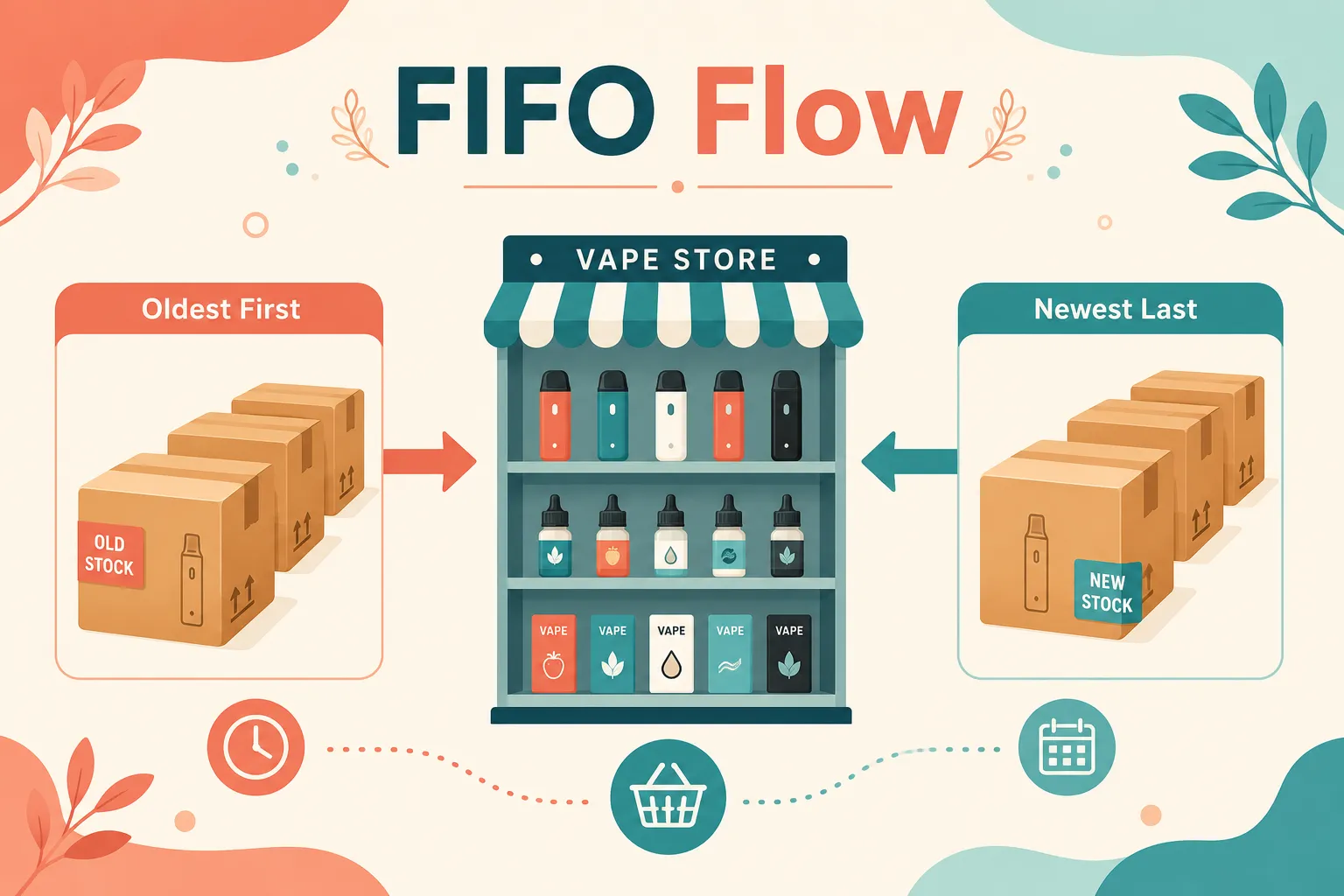
FIFO (first in, first out) means selling the oldest stock first. LIFO (last in, first out) means selling the newest stock first. For vape products, FIFO is almost always the correct choice because e-liquid degrades over time, and disposable vape batteries slowly lose charge on the shelf.
Why FIFO matters for vape retailers:
- E-liquid flavour and nicotine potency can change after 12-24 months, even in sealed disposable units.
- Lithium-ion batteries in disposable vapes self-discharge over time. Old stock may arrive at the customer with reduced battery life.
- FIFO reduces the chance of having to write off expired or degraded inventory.
How to implement FIFO in a small store:
- When new shipments arrive, place them behind existing stock on the shelf and in the backroom.
- Label each case or shelf row with the receiving date.
- Train all staff to pull from the front (oldest) when restocking displays.
When LIFO might apply: In Canada, LIFO is not accepted for tax reporting under IFRS or ASPE, so there’s no accounting advantage. Some retailers accidentally practise LIFO by stacking new boxes on top of old ones in storage, this is a process failure, not a strategy.
How to Prevent Vape Product Expiration Losses
The single most effective way to prevent expiration losses is to combine FIFO rotation with realistic order quantities based on actual sales velocity. Ordering too much of a slow-moving SKU is the root cause of most expiration write-offs.
Steps to reduce expiration losses:
- Track expiry dates in the inventory system. Add a “best before” or “manufactured on” field for every SKU. Most disposable vapes have a shelf life of roughly 12-18 months.
- Set alerts at 90 days before expiry. This gives enough time to run a promotion, bundle the product, or return it to the supplier if the agreement allows returns.
- Order in smaller, more frequent batches. Instead of buying 200 units of a new flavour, start with 50 and reorder based on sell-through. This is especially important for new or trendy products. Understanding free shipping thresholds and order minimums at Canadian vape wholesalers helps balance order size against shipping costs.
- Store products properly. Keep vape stock in a cool (15-25°C), dry area away from windows and heating vents. Ontario’s temperature extremes, both summer heat and winter cold, can accelerate degradation. The guide on storing disposable vapes in hot cars and Ontario winters explains why temperature control matters.
- Discount aging stock before it expires, not after. A 15% discount at 90 days out recovers far more value than a 50% discount at 30 days.
Edge case: Some suppliers accept returns on slow-moving stock within a window (often 60-90 days). Negotiate this upfront. It shifts some of the expiration risk back to the distributor.
How to Forecast Demand for Vape Products
Demand forecasting for vape products combines historical sales data, flavour trend awareness, seasonal patterns, and regulatory monitoring. Small retailers don’t need complex models, a simple rolling average plus qualitative adjustments works well.
Step-by-step forecasting process:
- Pull the last 8-12 weeks of sales data by SKU. Calculate the average weekly units sold.
- Identify trends. Is the SKU trending up, flat, or declining? A flavour that sold 20 units/week three months ago but now sells 10 is declining, don’t reorder at the old rate.
- Adjust for seasonality. Vape sales in Ontario tend to dip slightly in summer (more outdoor activity, less impulse buying) and rise in late fall and winter. Adjust forecasts by roughly 10-15% for these swings, based on the store’s own data.
- Factor in regulatory changes. A new flavour ban or nicotine cap change can instantly shift demand. Monitor Health Canada announcements and Ontario government bulletins.
- Watch social media and supplier catalogues. New product launches from major brands can pull demand away from existing SKUs. Suppliers often signal upcoming releases weeks in advance.
- Calculate reorder point: (Average daily sales x lead time in days) + safety stock. Safety stock is typically 20-30% of lead-time demand for fast movers.
Common mistake: Ordering heavily based on a single strong sales week. One week isn’t a trend. Wait for at least three consecutive weeks of elevated sales before increasing the reorder quantity.
Common Mistakes Small Vape Shops Make with Inventory
Small vape shops tend to make the same inventory errors repeatedly. Recognizing these patterns early saves money and stress.
- Over-ordering new products. Excitement about a new flavour or brand leads to a large initial order. If the product doesn’t sell, it becomes dead stock. Start small and scale up.
- Ignoring slow movers. Products that haven’t sold in 60+ days are silently eating cash. Review aging reports monthly and take action (discount, bundle, return).
- No receiving process. Accepting shipments without checking quantities, verifying excise stamps, or logging items into the system. This is how discrepancies start.
- Mixing personal and business inventory. Some owner-operators take products for personal use without recording it. This creates phantom shrinkage.
- Relying on memory instead of data. “I think we’re low on mint” is not inventory management. Even a basic spreadsheet beats guesswork.
- Not training staff on inventory procedures. If only the owner knows how the system works, the process breaks down on their day off.
- Skipping cycle counts. Monthly counts alone aren’t enough for high-velocity items. Weekly spot checks on top sellers catch problems early.
Vape Inventory Management for Beginners
If this is a first store or a first attempt at structured inventory management, start simple and build complexity over time. Vape inventory management for small Ontario retailers doesn’t require expensive tools on day one, it requires consistent habits.
Beginner checklist:
- Choose a tracking method. A Google Sheet with columns for SKU, product name, quantity, cost, retail price, supplier, and date received is enough to start.
- Set up a receiving routine. Every shipment gets counted, checked against the purchase order, and entered into the tracking system before it goes on the shelf.
- Implement FIFO from day one. It’s much harder to retrofit proper rotation than to start with it.
- Pick a count schedule. Weekly cycle counts on top 10 SKUs, monthly full count. Put it on the calendar.
- Set reorder points for best sellers. Even rough ones (“reorder when we hit 10 units”) prevent stockouts.
- Review sales data weekly. Spend 15 minutes each Monday looking at what sold, what didn’t, and what’s running low.
Upgrade path: After three to six months of consistent tracking, most store owners have enough data to justify moving to a POS-based inventory system. The data collected during the spreadsheet phase makes the migration smoother because baseline sales patterns are already established.
Vape Inventory Management When Short-Staffed
Short staffing is the norm, not the exception, for small Ontario vape retailers. Many stores operate with one or two employees total. Inventory management for small Ontario retailers in this situation requires efficiency, not perfection.
Tactics for lean teams:
- Batch inventory tasks. Instead of counting throughout the day, dedicate 20 minutes before opening or after closing to all inventory-related work.
- Use barcode scanning. A CAD $50 Bluetooth scanner paired with a phone app cuts count time by roughly 60% compared to manual entry.
- Set automated reorder alerts. Let the software tell the owner when to order, rather than relying on visual shelf checks.
- Simplify the product range. Carrying 300 SKUs with one employee is a recipe for errors. Focus on the 50-80 SKUs that drive 80% of revenue and cut the rest.
- Cross-train every employee. Even part-time staff should know how to receive a shipment and enter it into the system.
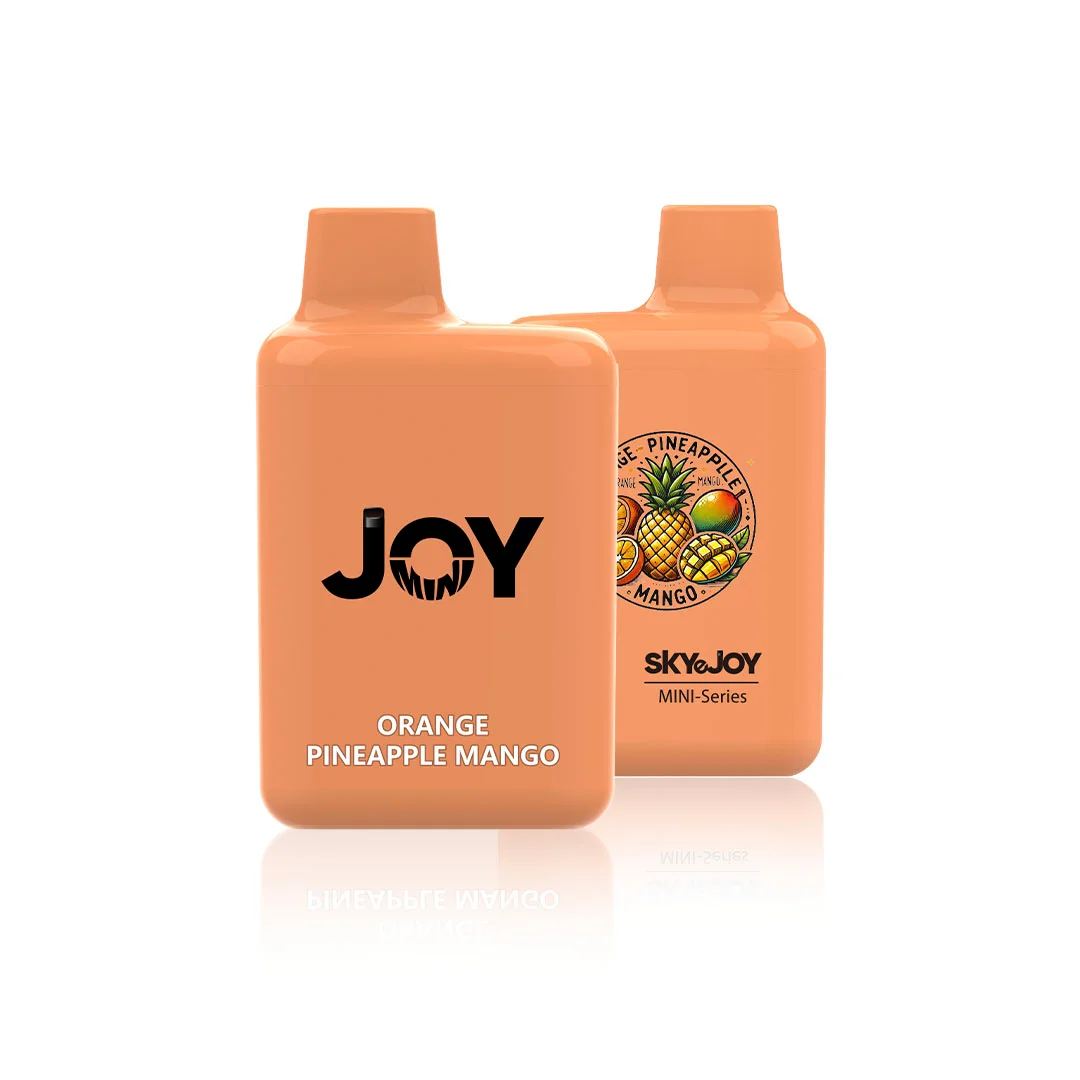
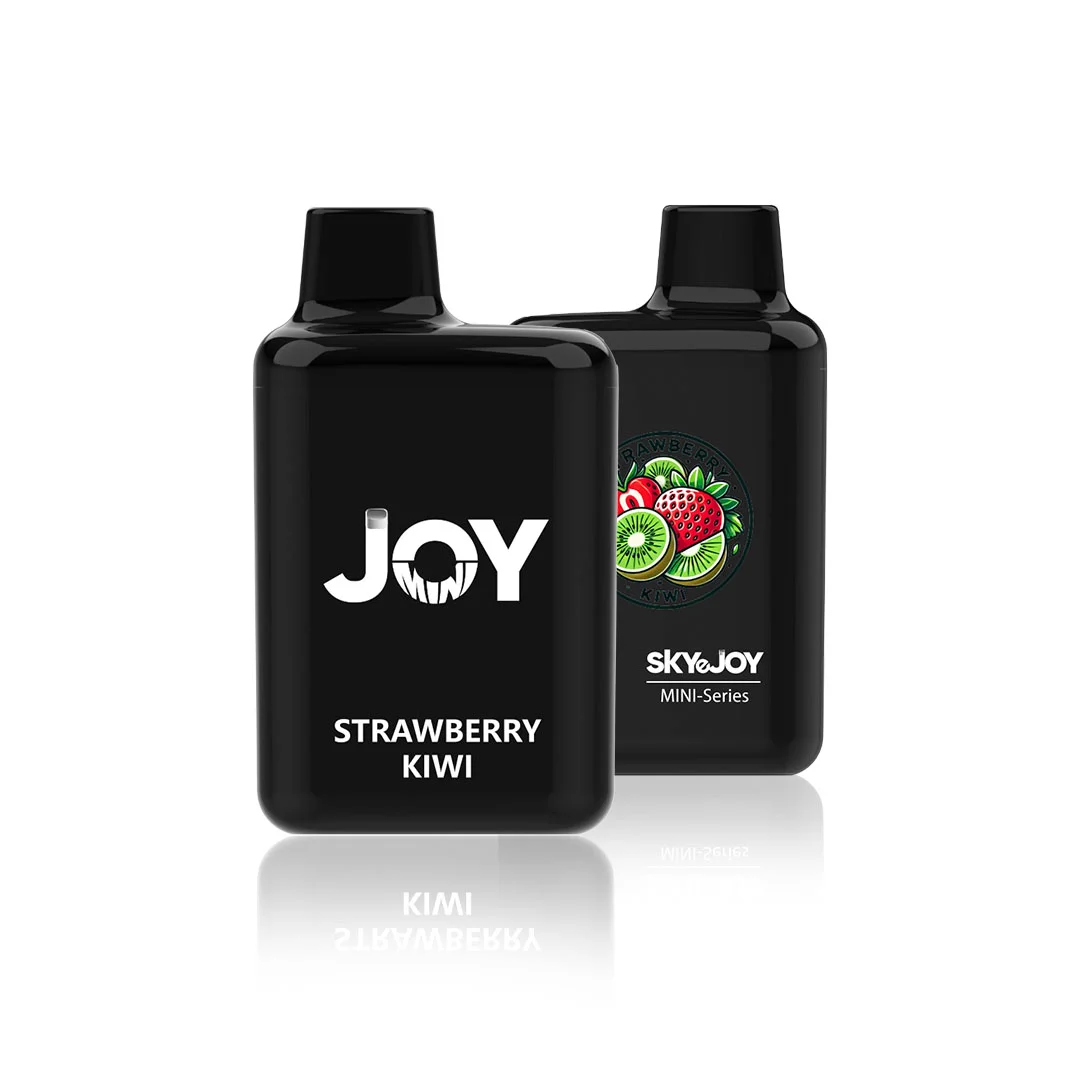
- Use supplier-managed inventory where possible. Some wholesale programs, like the Joy Mini wholesale program for Ontario retailers, offer streamlined ordering that reduces the time spent on purchasing decisions.
Decision rule: If inventory tasks are consistently getting skipped because there’s no time, the product range is too wide for the team size. Cut SKUs before adding staff, it’s cheaper.
What Inventory Metrics Matter Most for Vape Retailers?
Four metrics give a small vape retailer 80% of the insight needed to manage stock well. Track these before adding anything more complex.
1. Sell-Through Rate Formula: (Units Sold / Units Received) x 100, measured over a set period (usually 30 days). A healthy sell-through rate for disposable vapes is typically 60-80% within 30 days of receiving. Below 40% signals over-ordering or a product that isn’t resonating.
2. Days of Supply (DOS) Formula: Current Inventory / Average Daily Sales. This tells the retailer how many days of stock remain at the current sales pace. A DOS of 14-21 days is a reasonable target for fast-moving disposable vapes, assuming a supplier lead time of 3-7 days.
3. Shrinkage Rate Formula: (Recorded Inventory – Physical Count) / Recorded Inventory x 100. Shrinkage includes theft, damage, miscounts, and unrecorded personal use. The National Retail Federation’s 2023 National Retail Security Survey reported an average shrinkage rate of 1.6% across U.S. retail; Canadian figures are similar. Vape shops should aim to stay below 2%.
4. Gross Margin Return on Investment (GMROI) Formula: Gross Margin / Average Inventory Cost. A GMROI above 3.0 means the store earns $3 in gross margin for every $1 tied up in inventory. This metric highlights which product categories are truly profitable versus which ones just move volume.
| Metric | Target Range | Red Flag |
|---|---|---|
| Sell-Through Rate (30-day) | 60-80% | Below 40% |
| Days of Supply | 14-21 days | Above 45 days |
| Shrinkage Rate | Below 2% | Above 3% |
| GMROI | Above 3.0 | Below 1.5 |
Conclusion
Vape inventory management for small Ontario retailers comes down to consistent habits, the right tools for the store’s size, and staying current with provincial and federal compliance rules. The steps are straightforward:
- Start with a system, any system. A spreadsheet beats no tracking at all. Upgrade to POS-based inventory once the store carries more than 50 SKUs or hires a second employee.
- Count regularly. Weekly cycle counts on top sellers, monthly full counts, quarterly deep audits.
- Use FIFO without exception. E-liquid degrades and batteries self-discharge. Oldest stock sells first.
- Track the four key metrics (sell-through rate, days of supply, shrinkage, GMROI) and review them monthly.
- Stay compliant. Verify excise stamps at receiving, document nicotine levels, and keep records audit-ready.
- Right-size the product range. Fewer well-managed SKUs outperform a bloated catalogue with stockouts and dead stock.
The retailers who treat inventory as a weekly discipline rather than an occasional chore are the ones who protect their margins, avoid compliance problems, and keep their best-selling products in stock when customers walk through the door.
Frequently Asked Questions
What is the best way to organize a small vape shop’s backroom? Group products by category (disposables, pods, e-liquids, accessories), then by brand within each category. Place the oldest stock at the front of each shelf. Label shelves with SKU numbers or product names so any employee can find and restock items quickly.
Do I need a special licence to track vape inventory in Ontario? No special licence is required for inventory tracking itself. However, selling vape products in Ontario requires compliance with the Smoke-Free Ontario Act, including proper record-keeping of product sources and excise stamps.
How many SKUs should a small vape shop carry? Most successful small shops carry between 50 and 150 active SKUs. The exact number depends on store size and customer base, but carrying fewer well-stocked SKUs is generally better than carrying many SKUs with frequent stockouts.
Can I return unsold vape products to my supplier? It depends on the supplier agreement. Some wholesalers accept returns within 60-90 days for slow-moving or near-expiry products. Negotiate return terms before placing the first order.
What’s the shelf life of a disposable vape? Most disposable vapes have a shelf life of 12-18 months from the manufacturing date. E-liquid flavour and nicotine potency can degrade after this period, and battery charge diminishes over time even when the device is unused.
How do I handle damaged inventory? Log damaged items immediately in the inventory system with a reason code (shipping damage, customer return, defective). File a claim with the supplier or shipping carrier if the damage occurred in transit. Write off the cost in the accounting system.
Is barcode scanning necessary for a small vape shop? It’s not strictly necessary, but it’s highly recommended. A basic Bluetooth barcode scanner costs CAD $40,$80 and reduces count time and data entry errors significantly. Most disposable vape products come with manufacturer barcodes.
What happens if an inspector finds unstamped vape products in my store? Unstamped products can be seized, and the retailer may face fines under the Excise Act, 2001. Penalties vary but can be substantial. Always verify federal excise stamps during receiving.
How do I track inventory across an online and physical store? Use a POS or inventory platform that syncs online and in-store channels in real time. Square, Lightspeed, and Shopify POS all offer omnichannel inventory sync. Without real-time sync, overselling becomes a constant problem.
Should I insure my vape inventory? Yes. Commercial property insurance or a business owner’s policy (BOP) typically covers inventory against theft, fire, and water damage. Verify that vape products are not excluded under the policy’s terms, as some insurers treat tobacco and vape products differently.
References
- National Retail Federation. “2023 National Retail Security Survey.” NRF, 2023. https://nrf.com/research/national-retail-security-survey-2023
- Government of Ontario. “Smoke-Free Ontario Act, 2017.” Ontario.ca, 2017. https://www.ontario.ca/laws/statute/17s26
- Government of Canada. “Vaping product regulations.” Canada.ca, 2024. https://www.canada.ca/en/health-canada/services/smoking-tobacco/vaping/product-safety-regulation.html
- Canada Revenue Agency. “Excise duty on vaping products.” Canada.ca, 2024. https://www.canada.ca/en/revenue-agency/services/tax/excise-taxes-duties-levies/excise-duty-vaping-products.html