
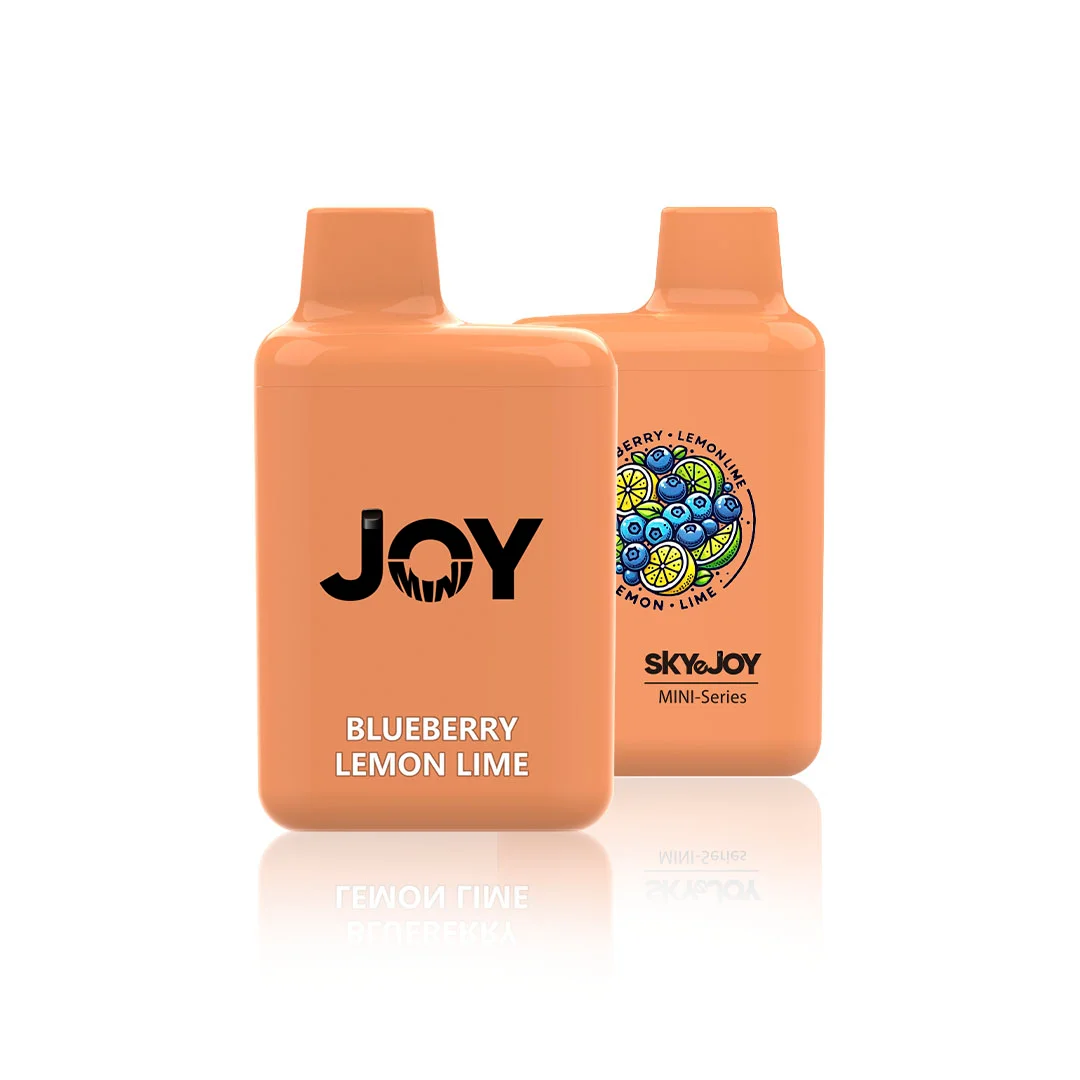

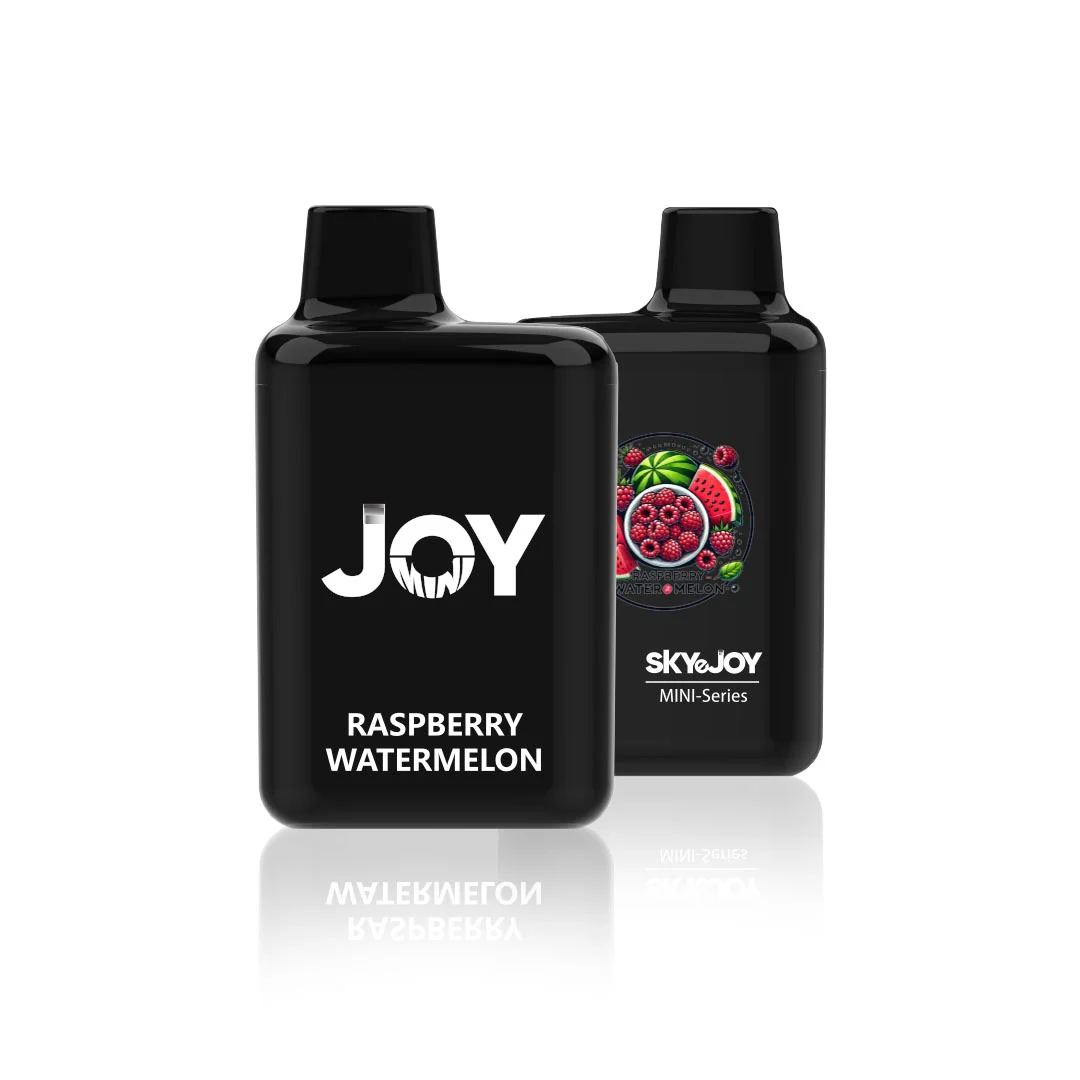

A disposable vape is a small, pre-filled, battery-powered device that heats flavored e-liquid into vapor. It arrives ready to use out of the box and gets discarded once the e-liquid or battery runs out. There’s no charging, no refilling, and no buttons on most models. This guide — What Are Disposable Vapes? A Plain-English Guide for Curious Adults — covers how they work, what’s inside them, how they compare to other options, and what to watch out for.
Key Takeaways
- Disposable vapes are single-use devices pre-loaded with e-liquid and a built-in battery. No setup required.
- They typically contain nicotine, though nicotine-free options exist in some markets.
- Cost per unit is low (often under $20 CAD), but ongoing purchases add up compared to refillable systems.
- Puff counts range widely, from roughly 200 puffs on small models to 5,000+ on larger ones sold in various markets.
- They are not risk-free. Health agencies worldwide agree that while vaping is generally considered less harmful than smoking combustible cigarettes, it is not harmless.
- Canadian regulations set limits on nicotine concentration (20 mg/mL maximum) and restrict sales to adults (age 19+ in most provinces).
- Disposal matters. Disposable vapes contain lithium-ion batteries and should not go in regular household trash or recycling bins.
- Flavor variety is a major draw, with fruit, candy, and beverage-inspired options dominating the market.
- They’re designed for simplicity, making them a common entry point for adults switching from cigarettes.
What Exactly Is a Disposable Vape and How Does It Work?
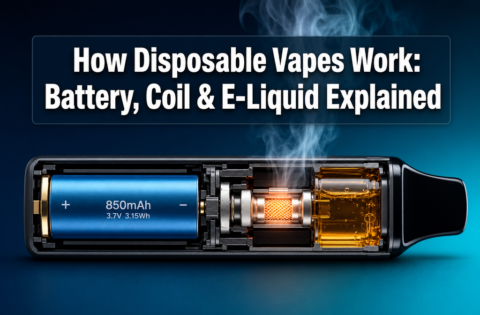
A disposable vape is a self-contained vaping device that comes pre-charged and pre-filled with e-liquid. The user inhales from the mouthpiece, which activates a small heating element (called an atomizer or coil) that turns the liquid into an aerosol — commonly called “vapor.”
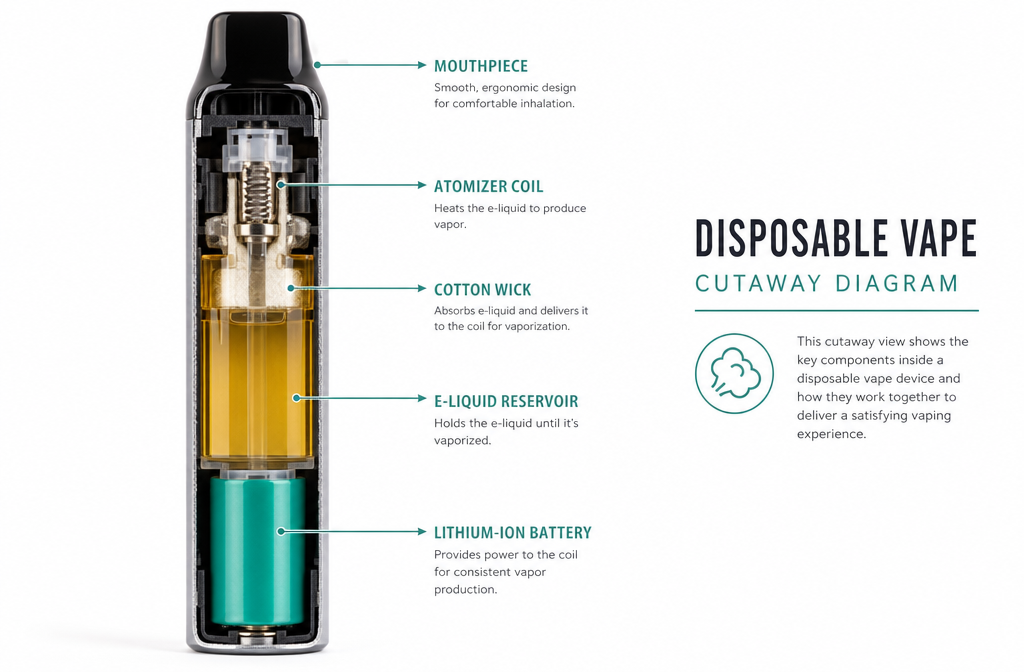
Inside the device
Every disposable vape has the same basic parts:
| Component | What It Does |
|---|---|
| Battery | A small lithium-ion cell (usually 400–750 mAh) that powers the coil |
| E-liquid reservoir | A sealed chamber holding 1–15 mL of flavored liquid |
| Atomizer coil | A tiny wire that heats up when air is drawn through the device |
| Wick | Cotton or similar material that absorbs e-liquid and feeds it to the coil |
| Mouthpiece | The top section where the user inhales |
| Airflow sensor | Detects when the user draws air, triggering the battery (no button needed) |
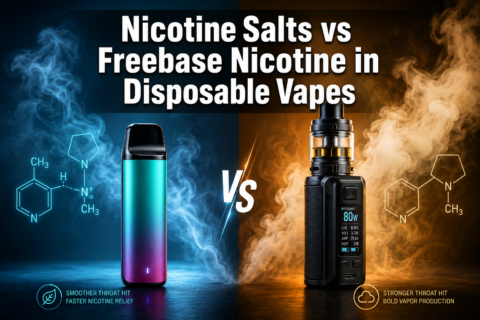
The e-liquid itself is a mixture of propylene glycol (PG), vegetable glycerin (VG), food-grade flavorings, and usually nicotine. In Canada, nicotine salt formulations are common because they deliver nicotine more smoothly at higher concentrations without the harsh throat hit of traditional freebase nicotine.
Common mistake: Many people assume the “smoke” from a vape is water vapor. It’s actually an aerosol — tiny droplets of the e-liquid ingredients suspended in air. The distinction matters for understanding what’s being inhaled.
Who Are Disposable Vapes Designed For?
Disposable vapes are marketed to legal-age adults, particularly those looking for a simple alternative to combustible cigarettes. They are not intended for non-smokers, minors, or pregnant individuals.
The typical user profile includes:
- Current smokers exploring a switch to vaping without committing to expensive hardware
- Occasional social users who don’t want to maintain a refillable device
- Travelers who want something compact and hassle-free
- Former vapers who used to own refillable kits but prefer the convenience of disposables
Choose a disposable if: simplicity matters most, usage is occasional, or the goal is to try vaping before investing in a reusable system.
Skip disposables if: daily usage is heavy (costs add up fast), environmental impact is a priority, or full control over nicotine levels and flavor mixing is important. In that case, a pod system may be a better fit.
Why Have Disposable Vapes Become So Popular?
Three factors drive the growth: convenience, flavor variety, and low upfront cost.
Unlike refillable vape kits that require buying coils, charging cables, and bottles of e-liquid, a disposable works the moment it’s unboxed. There’s nothing to learn, nothing to assemble, and nothing to clean. That simplicity has made disposables the fastest-growing segment of the vaping market in Canada and globally.
Key popularity drivers
- Zero learning curve. Draw-activated firing means there are no buttons, settings, or menus.
- Compact size. Most disposables are smaller than a standard lighter, fitting easily in a pocket or purse.
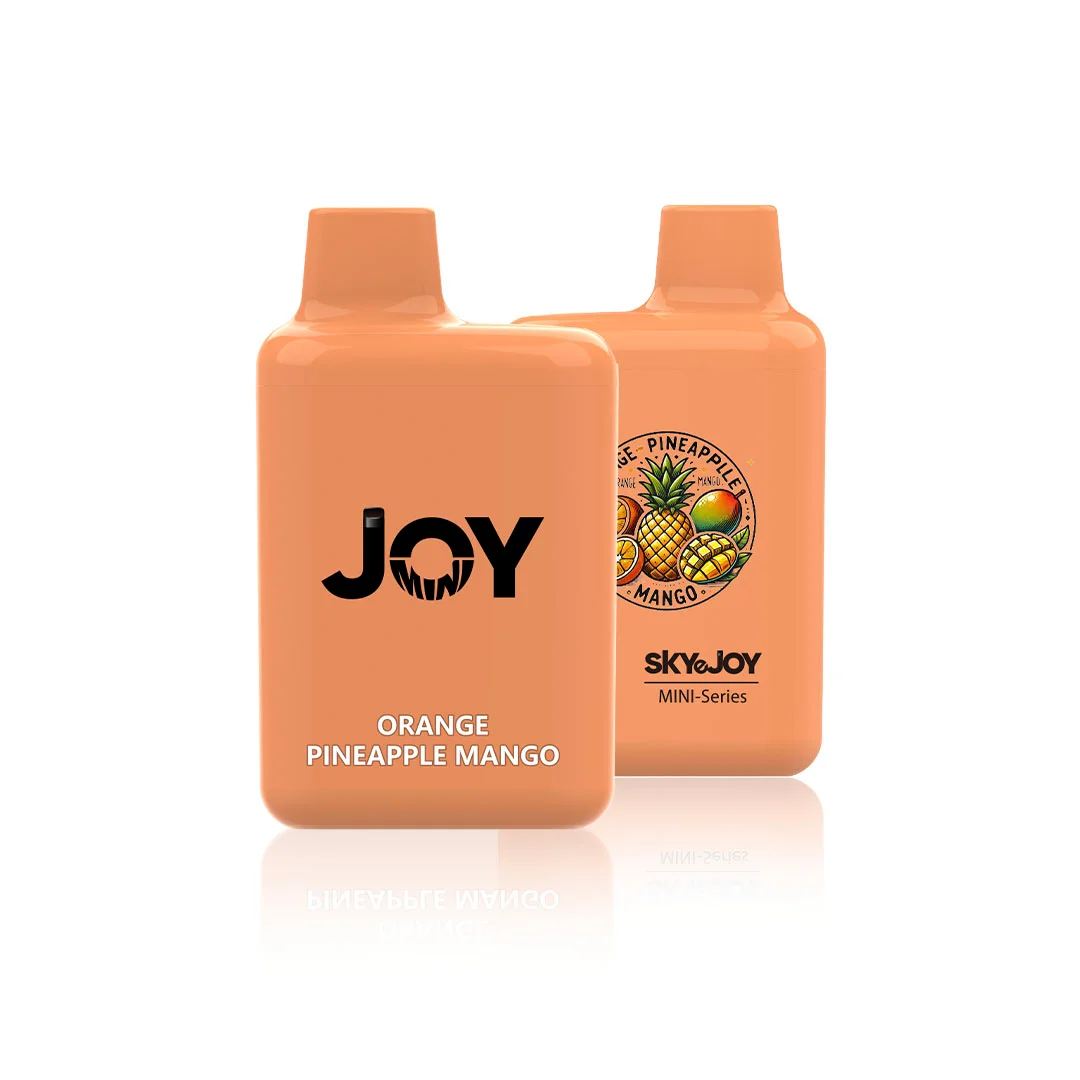
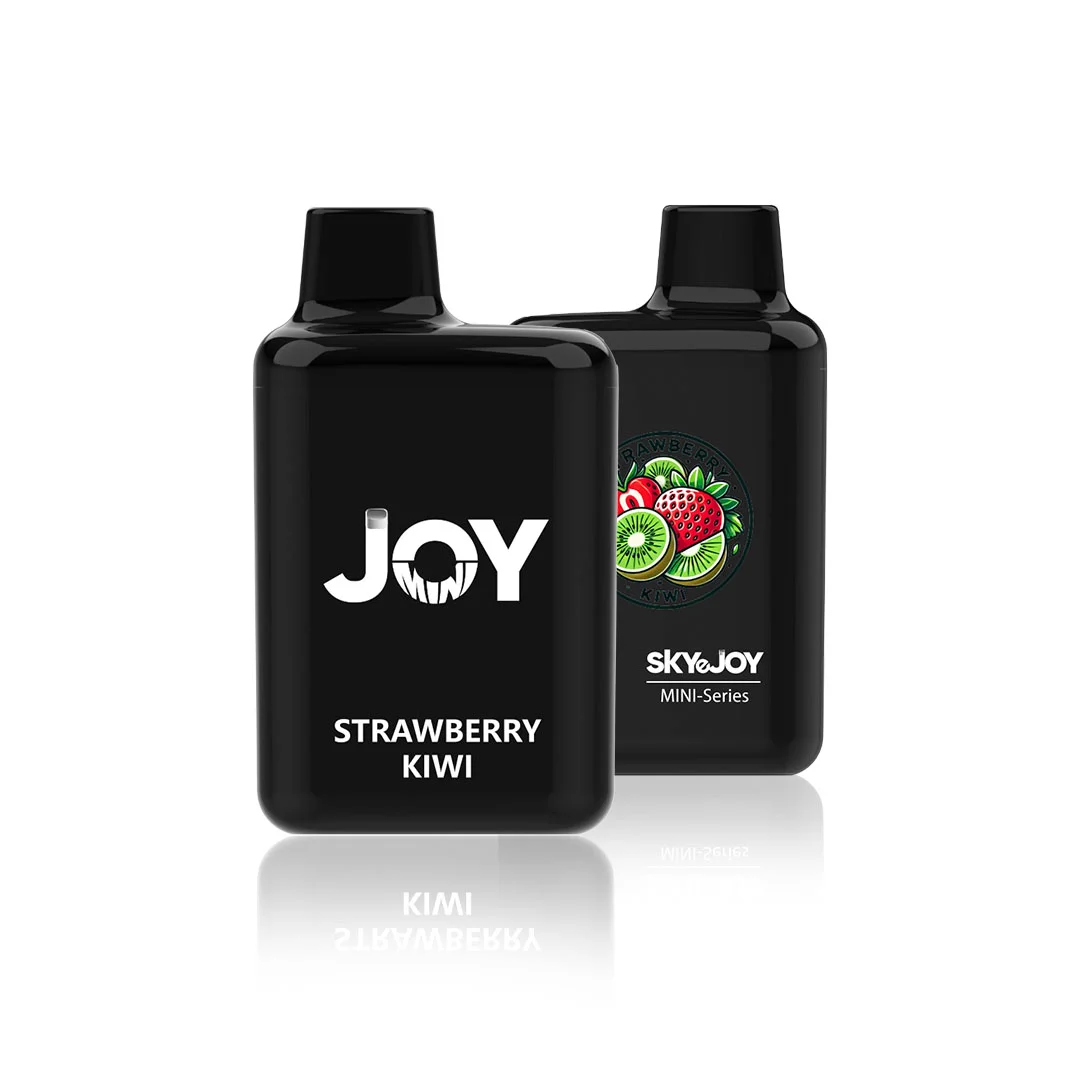
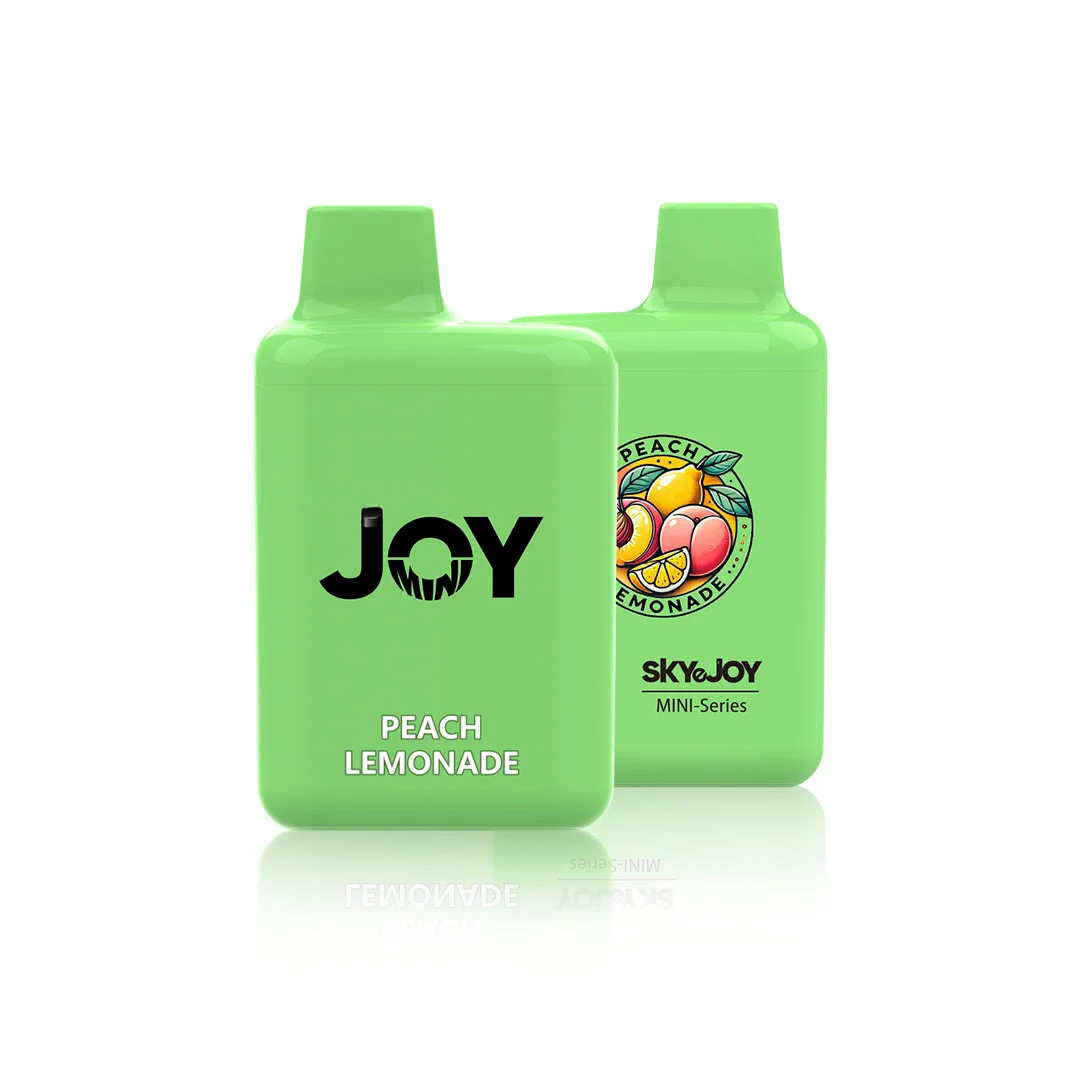
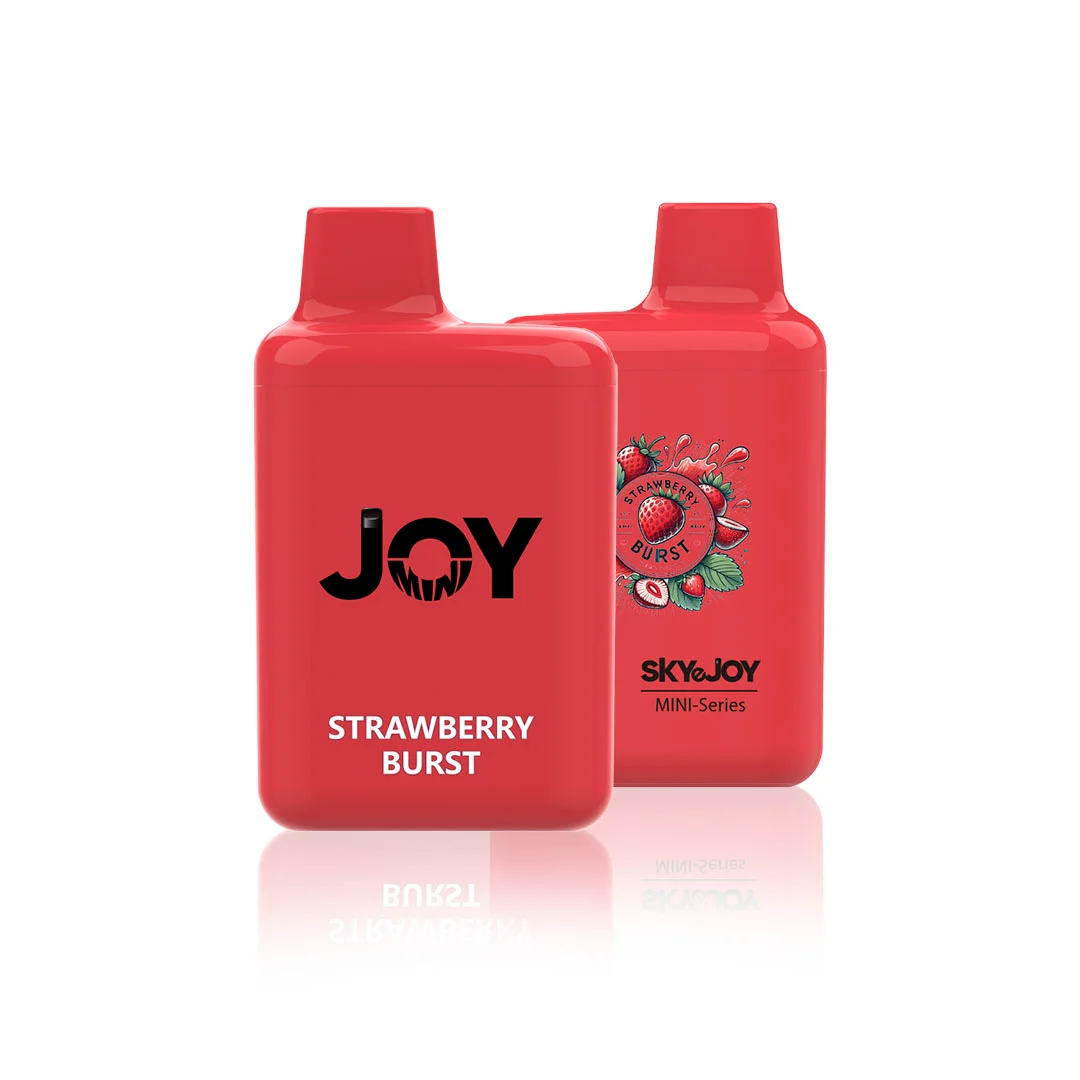
- Flavor range. Brands offer dozens of options — from classic tobacco and menthol to creative blends like peach lemonade and strawberry kiwi.
- Low price point. A single device often costs between $8 and $20 CAD, making it easy to try without a big financial commitment. You can find affordable options under $20 in Ontario and across Canada.
- Discreet use. Smaller vapor clouds and less lingering odor compared to cigarettes.
For a deeper look at what’s driving this trend in 2026, see The Rise of Disposable Vapes in Canada.
What Are the Pros and Cons of Disposable Vapes?
No product is perfect. Here’s an honest breakdown.
Pros
- Extremely convenient. No charging, filling, or maintenance.
- Beginner-friendly. Great for adults who have never vaped before.
- Portable. Lightweight and pocket-sized.
- Consistent experience. Factory-filled, so every puff tastes the same.
- Wide flavor selection. More variety than most refillable pod systems offer pre-made.
Cons
- Higher long-term cost. Buying disposables daily or weekly costs significantly more per year than a refillable system.
- Environmental waste. Each device contains plastic, metal, and a lithium-ion battery. Millions end up in landfills.
- Limited customization. No ability to adjust wattage, airflow (on most models), or nicotine strength beyond what’s pre-filled.
- Battery and liquid are linked. Sometimes the battery dies before the e-liquid is gone, or vice versa — either way, the device is finished.
- Quality varies. Unregulated or counterfeit products can contain unknown ingredients. Always buy from reputable sources.
Edge case: Some newer disposable models in 2026 include a USB-C charging port, which addresses the dead-battery-before-empty-tank problem. These are technically “rechargeable disposables” — still single-use for e-liquid, but the battery can be topped up. Canadian regulations may affect availability of these higher-capacity models.
How Do Disposable Vapes Compare to Other Vaping Options?
Disposables are one of several device types. The main alternatives are refillable pod systems and traditional box mods. Here’s how they stack up.

| Feature | Disposable Vape | Refillable Pod System | Box Mod / Tank |
|---|---|---|---|
| Setup time | None | 5–10 minutes | 15–30 minutes |
| Upfront cost | $8–$20 CAD | $25–$60 CAD | $50–$150+ CAD |
| Ongoing cost | High (new device each time) | Low (just e-liquid + pods) | Lowest (just e-liquid + coils) |
| Portability | Excellent | Good | Bulky |
| Flavor options | Pre-set, wide range | Unlimited (any bottled e-liquid) | Unlimited |
| Nicotine control | Fixed per device | Adjustable | Fully adjustable |
| Maintenance | None | Minimal | Moderate |
| Waste generated | High | Low | Low |
| Best for | Beginners, travelers, light users | Regular vapers wanting convenience | Experienced vapers wanting full control |
Decision rule: If vaping happens fewer than a few times per week, disposables make financial sense. For daily use, a refillable pod system pays for itself within a couple of weeks. For a detailed comparison, check out Disposable Vape vs. Pod System: Which Is Better?
What Ingredients Are in a Disposable Vape?
The e-liquid in a disposable vape typically contains four main ingredients:
- Propylene glycol (PG) — A colorless, odorless liquid used in food products, medications, and cosmetics. It carries flavor well and produces a “throat hit” similar to smoking.
- Vegetable glycerin (VG) — A thicker, slightly sweet liquid derived from vegetable oils. It produces the visible vapor clouds.
- Flavorings — Food-grade flavor compounds. These are the same types of flavorings used in candy, beverages, and baked goods, though their safety when inhaled (rather than eaten) is still being studied.
- Nicotine — Usually in “nicotine salt” form. Canadian law caps concentration at 20 mg/mL. Some devices are available in nicotine-free versions, though these are less common.
What’s NOT supposed to be in there: Legitimate disposable vapes sold in regulated Canadian markets should not contain vitamin E acetate, THC, diacetyl, or other harmful additives that have been linked to vaping-related lung injuries in unregulated products.
Important: Always purchase from licensed retailers or trusted online shops like Joy Mini Vapes Canada to reduce the risk of counterfeit or contaminated products.
Are Disposable Vapes Safe?
No vaping product is completely safe. However, multiple public health bodies have stated that vaping is substantially less harmful than smoking combustible cigarettes — for adults who already smoke.
Here’s what major health organizations have said:
- Public Health England (now the Office for Health Improvement and Disparities) published a report in 2015, updated in subsequent years, estimating that vaping is around 95% less harmful than smoking. This figure has been debated, but the directional conclusion — that vaping carries fewer risks than combustion — is widely accepted.
- Health Canada acknowledges that vaping products are less harmful than cigarettes but cautions that they are not harmless, especially for non-smokers and youth.
- The U.S. FDA has authorized certain vaping products as “appropriate for the protection of public health,” meaning the benefits to adult smokers who switch outweigh the risks.
Key safety considerations
- Nicotine is addictive. Disposable vapes deliver nicotine efficiently, which means dependence can develop.
- Long-term effects are unknown. Vaping in its current form has only been widespread for about 15 years. Decades-long data doesn’t exist yet.
- Battery safety matters. Lithium-ion batteries can malfunction if damaged, exposed to extreme heat, or punctured. Learn more about disposable vape battery safety.
- Quality control varies. Stick to regulated products from known brands sold through legitimate channels.
Bottom line for curious adults: If currently smoking, switching to a regulated disposable vape is likely a harm-reduction step. If not currently using nicotine, starting with any nicotine product introduces unnecessary risk.
How Long Does a Disposable Vape Last?
It depends on the device size and how frequently it’s used. Most manufacturers rate their devices by “puff count,” but actual results vary based on how long and hard each draw is.
General guidelines
| Device Size | Estimated Puff Count | Approximate Duration (moderate user) |
|---|---|---|
| Small (1–2 mL) | 200–600 puffs | 1–3 days |
| Medium (3–5 mL) | 800–1,500 puffs | 3–7 days |
| Large (6–15 mL) | 2,000–5,000+ puffs | 1–3 weeks |
Note: Puff counts on packaging are estimates based on standardized testing (typically 1-second draws). Real-world usage almost always yields fewer puffs than advertised.
Signs a disposable is running out
- Flavor becomes muted or tastes slightly burnt
- Vapor production drops noticeably
- The device feels lighter
- An LED indicator blinks (on models that have one)
For a more detailed breakdown, see How to Tell When a Disposable Vape Is Near the End.
How Should Disposable Vapes Be Disposed Of?
Do not throw disposable vapes in the regular trash or recycling bin. They contain lithium-ion batteries, which pose a fire risk in waste facilities.
Proper disposal steps
- Check local regulations. Many Canadian municipalities have specific e-waste or battery recycling programs.
- Look for retail take-back programs. Some vape shops and electronics retailers accept used devices.
- Use battery recycling drop-offs. Stores like Canadian Tire, Staples, and Home Depot often have battery collection bins.
- Never disassemble the device yourself. Puncturing the battery can cause it to vent, spark, or catch fire.
The environmental impact of disposable vapes is a growing concern in 2026. An estimated tens of millions of units are discarded annually in Canada alone. Some provinces are exploring extended producer responsibility (EPR) programs that would require manufacturers to fund collection and recycling.
What Should Curious Adults Know Before Trying a Disposable Vape?
This section pulls together the practical advice from this plain-English guide for curious adults considering their first disposable vape.
Before buying
- Confirm legal age. In most Canadian provinces, the legal age to purchase vaping products is 19.
- Decide on nicotine strength. If currently smoking a pack a day, 20 mg/mL nicotine salt is a common starting point. Light smokers or those who want less nicotine should look for lower concentrations.
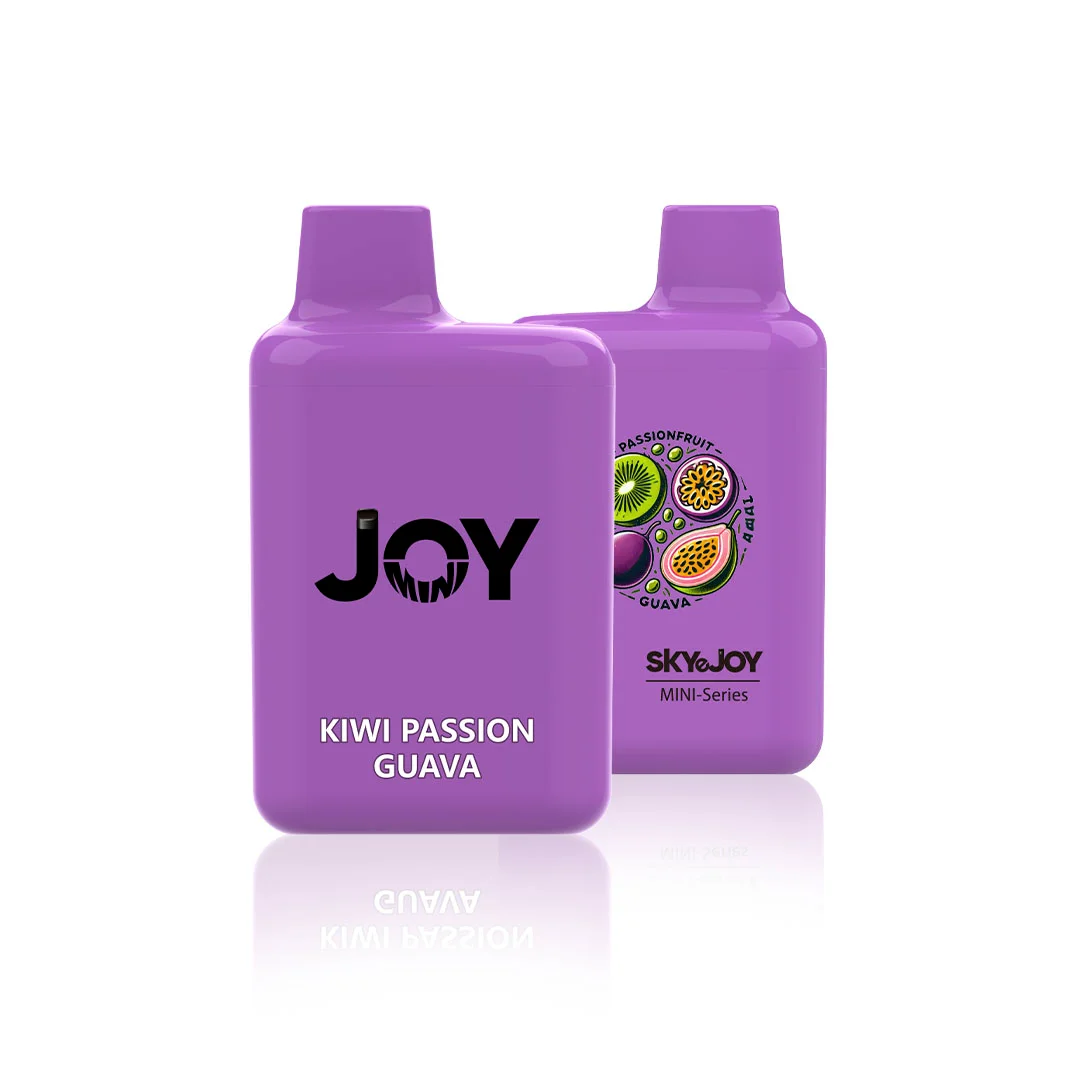
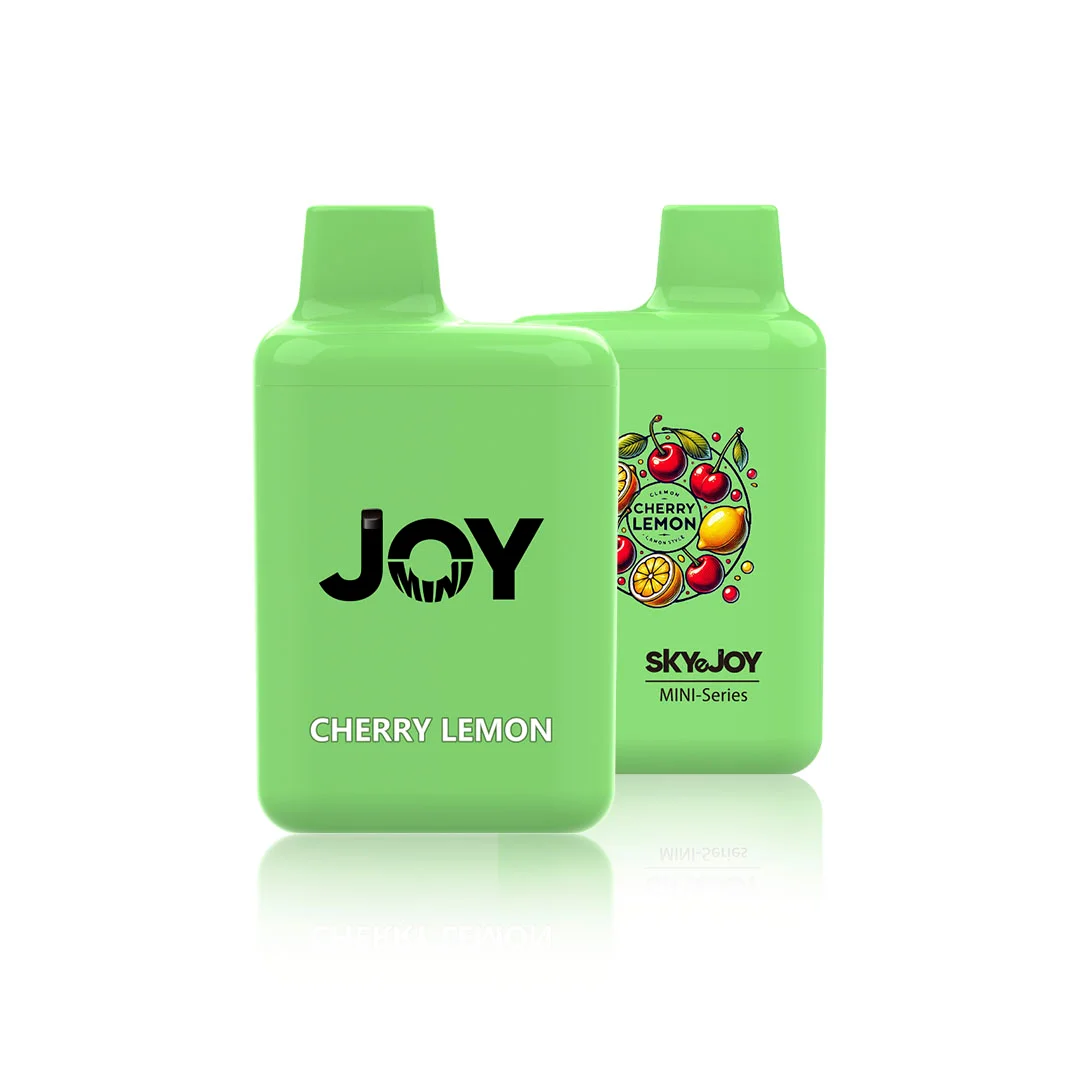
- Pick a flavor that appeals. Flavor satisfaction is one of the biggest factors in whether someone sticks with vaping over cigarettes. Browse options like cherry lemon or kiwi passion guava to see what’s available.
- Buy from a reputable source. Counterfeit vapes are a real problem. Stick to licensed retailers or verified online stores.
First-time tips
- Take short, gentle puffs. Disposable vapes don’t require the hard draw that a cigarette does. A soft 2–3 second inhale is usually enough.
- Wait between puffs. Chain-vaping can cause the wick to dry out, leading to a burnt taste, and can deliver more nicotine than intended.
- Store properly. Keep the device at room temperature, away from direct sunlight and water.
- Pay attention to how you feel. Dizziness, nausea, or headaches may indicate too much nicotine. Switch to a lower strength or reduce frequency.
For help choosing the right device, read How to Choose the Right Disposable Vape for You.
Frequently Asked Questions
Q: Do disposable vapes contain tobacco? A: No. They contain nicotine, which is derived from tobacco plants, but there is no actual tobacco leaf in the device. The e-liquid is a synthetic or extracted nicotine solution mixed with PG, VG, and flavorings.
Q: Can a disposable vape explode? A: It’s extremely rare but not impossible. Lithium-ion batteries can malfunction if physically damaged, exposed to extreme heat, or manufactured poorly. Buying from reputable brands and storing devices properly minimizes this risk.
Q: How much does a disposable vape cost in Canada? A: Prices typically range from $8 to $25 CAD per device, depending on size, brand, and puff count. Smaller convenience-store models sit at the low end; larger high-puff-count devices cost more.
Q: Is vaping cheaper than smoking cigarettes? A: For most users, yes. A pack of cigarettes in Canada costs roughly $15–$18 CAD in 2026 (varies by province). A disposable vape that lasts 1–3 days costs a similar amount or less, and refillable systems are cheaper still over time.
Q: Do disposable vapes produce secondhand smoke? A: They don’t produce smoke at all. The exhaled aerosol does contain trace amounts of nicotine and other compounds, but studies suggest exposure to bystanders is far lower than from cigarette smoke. Many indoor spaces still prohibit vaping, so follow local rules.
Q: Can I bring a disposable vape on an airplane? A: In Canada and most countries, vaping devices must be carried in carry-on luggage (not checked bags) due to lithium battery regulations. Using the device on the plane is prohibited.
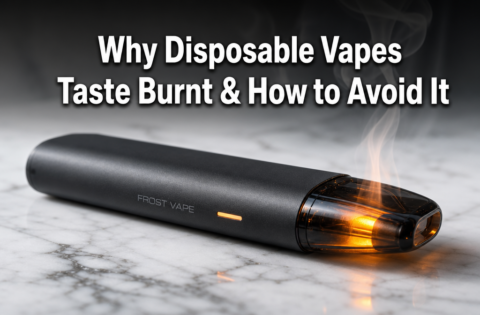
Q: What happens if I use a disposable vape that tastes burnt? A: A burnt taste means the wick is dry or damaged. Stop using the device — continuing to inhale from a dry wick produces unpleasant compounds. Discard it and use a new one.
Q: Are there nicotine-free disposable vapes? A: Yes, some brands offer 0 mg nicotine options. These are less common in Canada but available through select retailers.
Q: How do I know if a disposable vape is counterfeit? A: Look for proper packaging with Health Canada compliance markings, batch numbers, ingredient lists, and manufacturer contact information. If the price seems too good to be true, or the packaging looks off, it probably is.
Q: What’s the difference between nicotine salt and freebase nicotine? A: Nicotine salt is a modified form that absorbs into the bloodstream faster and feels smoother at higher concentrations. Freebase nicotine is harsher at high strengths but has been used in e-liquids since vaping began. Most disposables use nicotine salt.
Conclusion
Disposable vapes are straightforward devices: pre-filled, pre-charged, and designed for adults who want a simple vaping experience without the learning curve of refillable systems. They work well as a first step for smokers exploring alternatives, as a travel-friendly option, or for occasional use.
But they come with trade-offs. The ongoing cost is higher than refillable systems, the environmental impact is real, and no nicotine product is without health risk. Curious adults should buy from reputable sources, start with a comfortable nicotine level, and treat vaping as a tool for harm reduction rather than a risk-free hobby.
Actionable next steps
- Read up before buying. Browse the Joy Mini Vapes blog for tips, guides, and product information.
- Pick the right device. Use the comparison table above or read the guide to choosing the right disposable vape.
- Start simple. Try one device in a flavor that sounds appealing before buying in bulk.
- Dispose responsibly. Find a battery recycling location near you and never toss vapes in household garbage.
- Reassess regularly. If the goal is quitting nicotine entirely, consider stepping down nicotine strength over time or consulting a healthcare provider.
References
- Public Health England. “E-cigarettes: An Evidence Update.” 2015. https://www.gov.uk/government/publications/e-cigarettes-an-evidence-update
- Health Canada. “Vaping Product Regulations.” 2020. https://www.canada.ca/en/health-canada/services/smoking-tobacco/vaping.html
- Government of Canada. “Tobacco and Vaping Products Act (TVPA).” 2018. https://laws-lois.justice.gc.ca/eng/acts/T-11.5/