

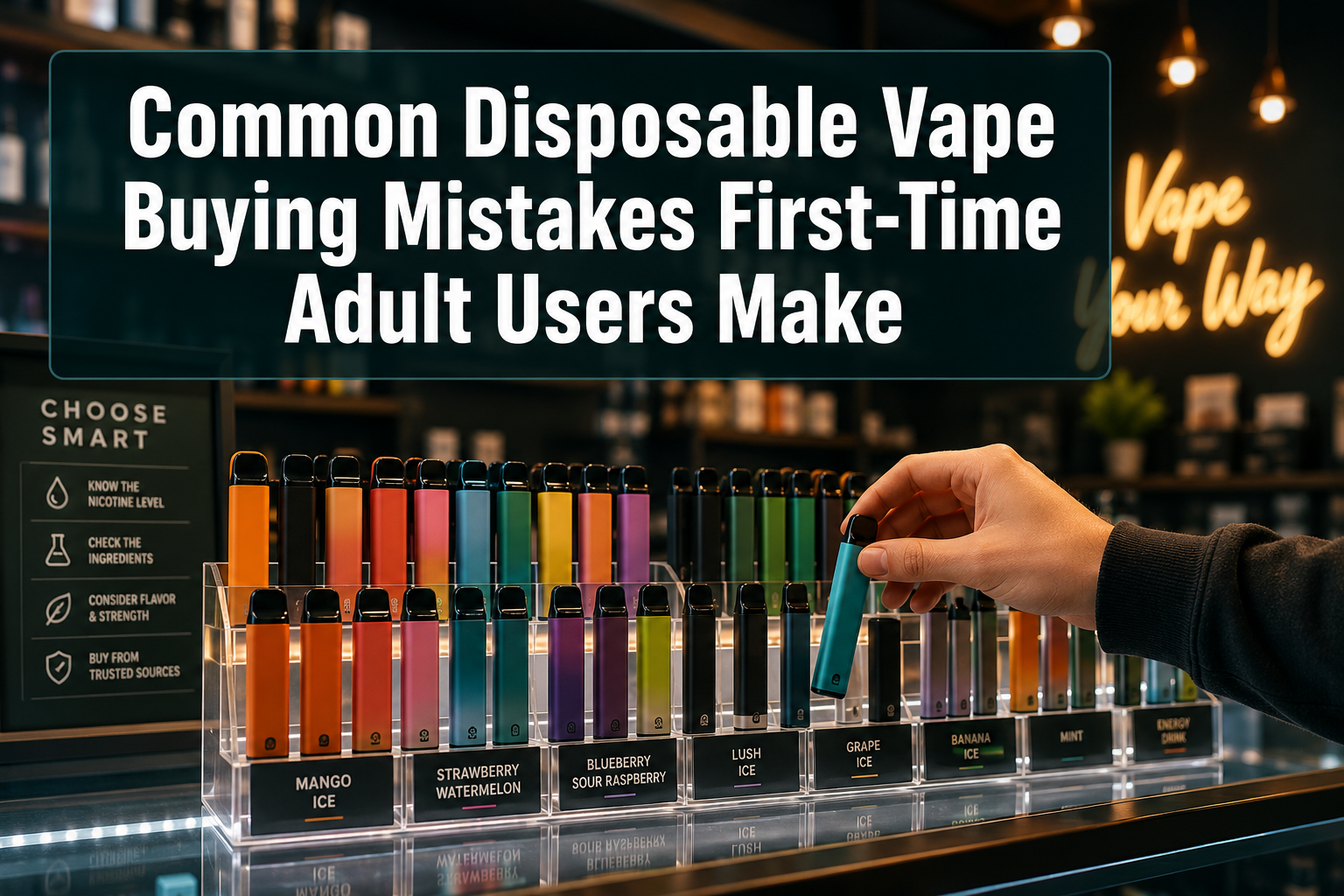
The most common disposable vape buying mistakes first-time adult users make include choosing the wrong nicotine strength, falling for counterfeit products, overspending on overhyped brands, and ignoring basic product specs like puff count and battery life. Avoiding these errors comes down to researching before purchasing, buying from verified retailers, and matching the device to personal needs rather than following trends.
Key Takeaways
- Nicotine strength is the single biggest decision most beginners get wrong, often starting too high or too low.
- Counterfeit disposable vapes are widespread; always verify authenticity through scratch codes or QR verification.
- A decent disposable vape in Canada typically costs between $10 and $25 depending on puff count and brand.
- Higher puff counts don’t always mean better value; battery life and e-liquid quality matter more.
- Buying from unverified online sellers or social media ads is the fastest way to get a fake product.
- Disposable vapes do have a shelf life, generally 1 to 2 years from manufacture.
- First-time users who previously smoked should consider devices designed for mouth-to-lung draws, which mimic cigarette inhalation.
- Reading ingredient lists and checking for Health Canada compliance can prevent exposure to harmful additives.
What Are the Biggest Rookie Mistakes When Buying a First Disposable Vape?
First-time buyers tend to make the same handful of errors, and most of them are completely avoidable with a little preparation. The common disposable vape buying mistakes first-time adult users make fall into three categories: choosing the wrong product specs, buying from unreliable sources, and misunderstanding how the device actually works.
Here are the most frequent rookie errors:
- Picking nicotine strength based on guesswork. Many beginners grab whatever is available without considering whether 20mg/mL is appropriate for their tolerance. Former heavy smokers may need a higher concentration, while non-smokers experimenting should start at the lowest available level or consider nicotine-free options.
- Ignoring puff count vs. battery capacity. A device advertised as “5000 puffs” means nothing if the battery dies at 2000. Check whether the device is rechargeable or if the battery is sized to match the e-liquid volume.
- Buying the cheapest option available. Budget matters, but the lowest-priced device often uses inferior coils and e-liquid that produce a burnt or chemical taste. For guidance on finding quality at a fair price, see this list of affordable disposable vapes in Ontario under $20.
- Not understanding draw activation. Some beginners try to find a button that doesn’t exist, or they inhale too hard and flood the coil. Most disposables are draw-activated, meaning a gentle, steady pull is all that’s needed.
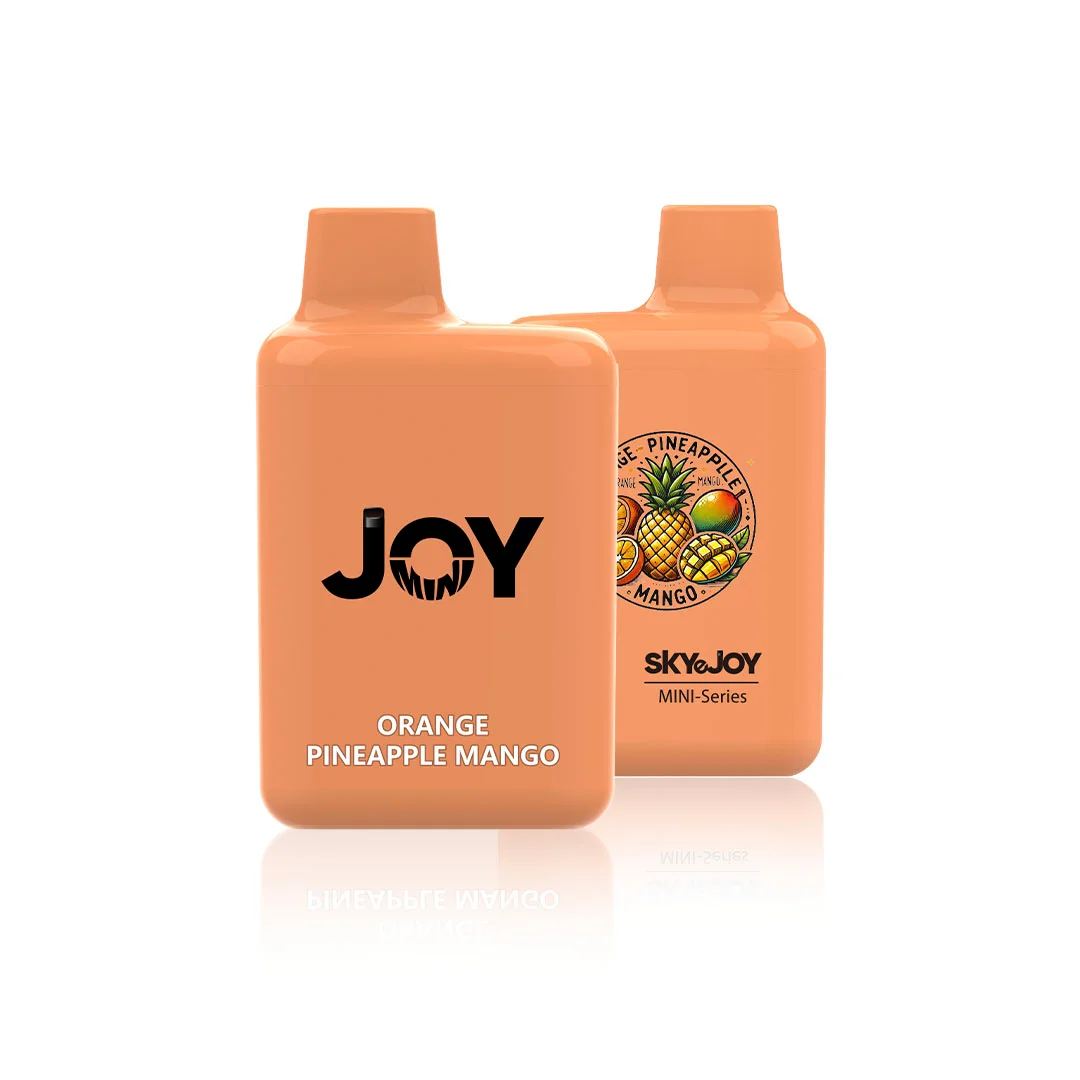
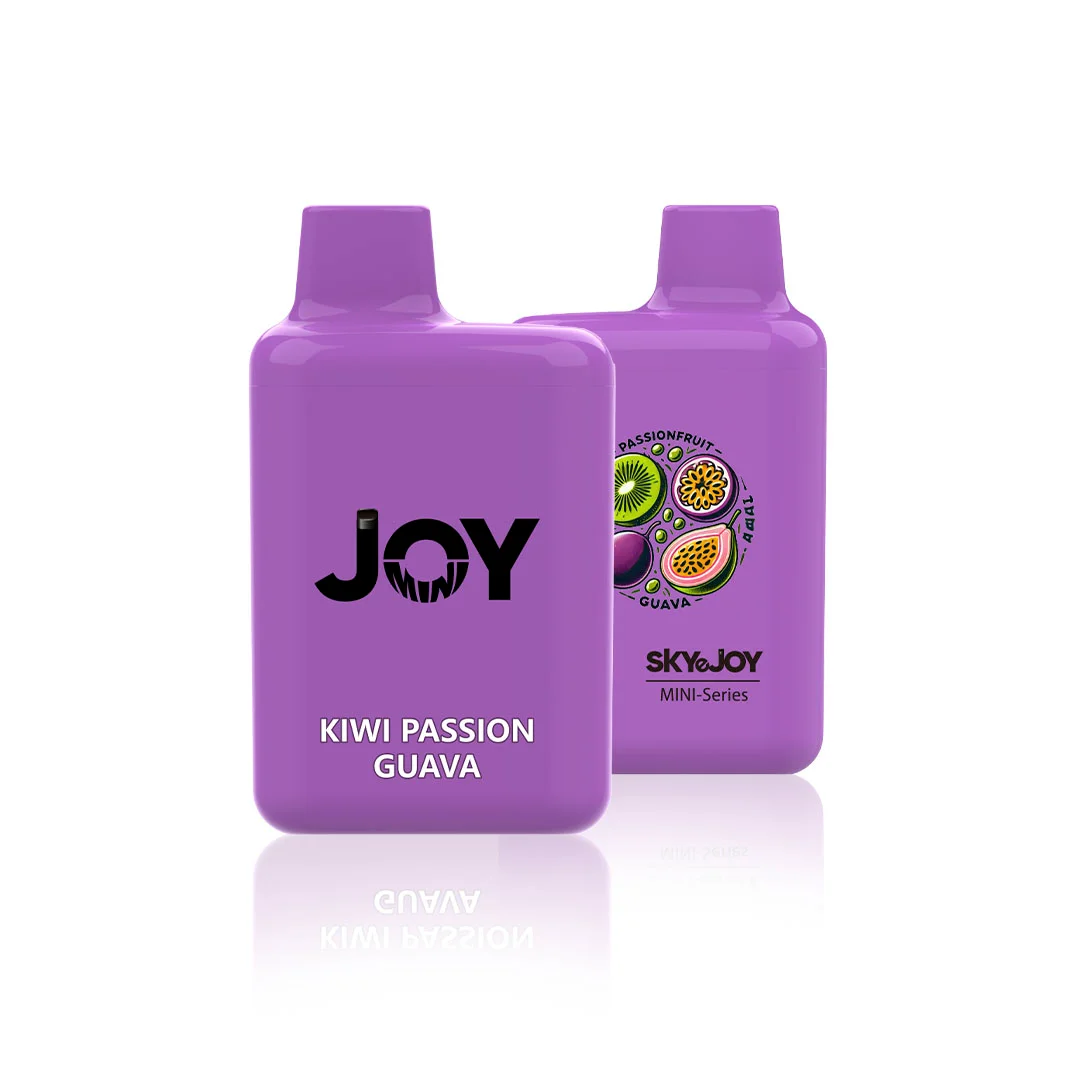
- Falling for flashy packaging over substance. Bright colors and bold flavor names sell units, but they don’t indicate quality. Check the brand’s reputation, ingredient transparency, and whether the product meets Canadian regulations.
If you’re completely new to the category, our plain-English guide to disposable vapes covers the basics before you spend a dollar.
How Do I Avoid Getting a Fake or Low-Quality Disposable Vape?
Buy only from licensed retailers, authorized online stores, or directly from brand websites. Counterfeit disposable vapes are a genuine safety concern because they may contain unregulated chemicals, use substandard batteries, or deliver inconsistent nicotine levels.
Red flags that suggest a fake product
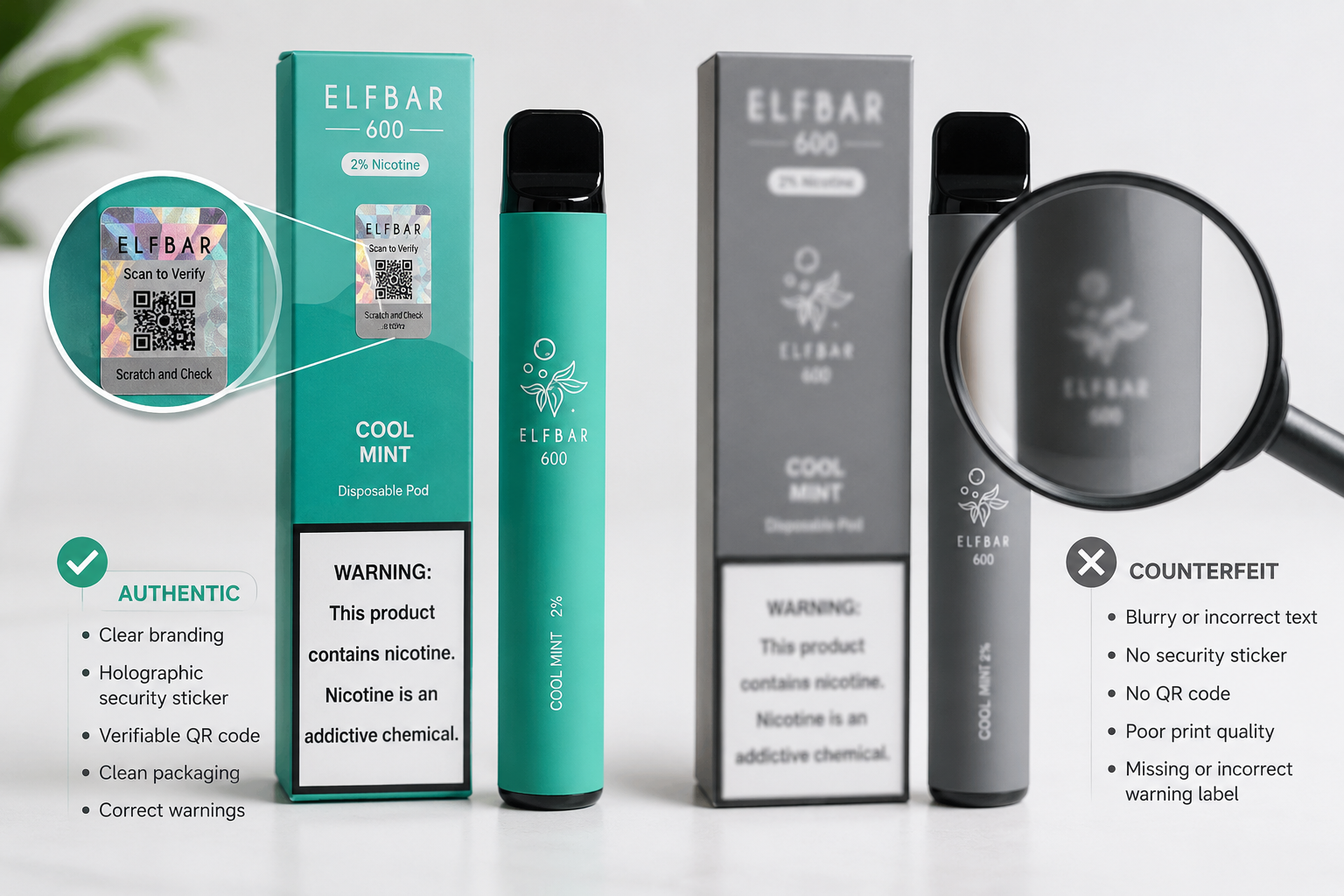
- No verification system. Legitimate brands include scratch-off codes, QR codes, or holographic stickers that link to an authentication page. If the packaging has none of these, be cautious.
- Spelling errors or blurry printing. Counterfeiters often get small details wrong: misspelled words, low-resolution logos, or fonts that don’t match the brand’s official packaging.
- Suspiciously low prices. If a device that retails for $18 is being sold for $6 on a random website, it’s almost certainly not genuine.
- No batch number or manufacturing date. Regulated products in Canada should display this information.
- Sold through social media DMs or unverified marketplaces. Legitimate brands sell through established retail channels, not through Instagram stories or anonymous Telegram groups.
Steps to verify authenticity
- Check the brand’s official website for a list of authorized retailers.
- Scan the QR code or enter the scratch-off code on the brand’s verification page.
- Compare the packaging side-by-side with official product images.
- Read recent reviews from verified buyers on the retailer’s site.
For more on battery safety issues and how to avoid them, especially with unverified products, that guide covers what to watch for.
Which Disposable Vape Brands Are Actually Good for Beginners?
Beginner-friendly brands prioritize simplicity, consistent flavor, moderate nicotine options, and reliable build quality. In the Canadian market in 2026, brands that comply with Health Canada’s nicotine concentration limits (20mg/mL cap) and provide clear labeling tend to be the safest choices for new users.
What makes a brand beginner-friendly:
| Feature | Why It Matters for Beginners |
|---|---|
| Multiple nicotine strengths | Lets you start low and adjust |
| Mouth-to-lung (MTL) draw | Mimics cigarette inhalation, feels natural |
| Clear flavor descriptions | Reduces guesswork; you know what you’re getting |
| Verification system | Confirms you have a genuine product |
| Moderate puff count (600–1500) | Enough to evaluate without overcommitting |
| Compact size | Easy to carry, discreet, not intimidating |
Rather than naming specific brands that may change in quality over time, focus on these criteria when evaluating options. Our guide to the best disposable vapes in Canada for 2026 ranks current options based on these factors.
Common mistake: Choosing a brand solely because a friend recommended it. Personal preferences for flavor, throat hit, and nicotine strength vary widely. What works for one person may be unpleasant for another.
How Much Should I Expect to Spend on a Decent Disposable Vape?
In Canada, a quality disposable vape from a reputable brand typically costs between $10 and $25 at retail. Devices under $10 often cut corners on e-liquid quality or battery capacity. Devices over $25 usually offer higher puff counts (3000+) that may be more than a first-time user needs.
Price breakdown by category:
| Price Range (CAD) | What You Typically Get | Best For |
|---|---|---|
| Under $10 | 200–600 puffs, basic flavors, smaller battery | Trying vaping once to see if you like it |
| $10–$18 | 600–1500 puffs, better flavor quality, reliable brands | Most first-time users |
| $18–$25 | 1500–3000 puffs, rechargeable battery, premium flavors | Users who’ve tried vaping and want more |
| Over $25 | 3000–5000+ puffs, advanced features | Experienced users, not ideal for beginners |
Decision rule: If you’ve never vaped before, spend $10–$18 on a device with 600–1500 puffs. This gives you enough usage to form an opinion without wasting money if you don’t enjoy it.
Common mistake: Buying a 5000-puff device as your first purchase. If you dislike the flavor or nicotine strength (which is likely on your first try), you’re stuck with a device you won’t use.
What Nicotine Strength Should I Start With as a First-Time User?
Start with the lowest nicotine concentration that satisfies your craving. For former smokers, 10–20mg/mL (1%–2%) in a mouth-to-lung device is a reasonable starting point. For adults who don’t currently use nicotine, starting at 0mg (nicotine-free) or the lowest available strength is the safest approach.
Matching nicotine strength to smoking history:
- Heavy smokers (20+ cigarettes/day): 20mg/mL may be needed to manage cravings effectively.
- Moderate smokers (10–20 cigarettes/day): 10–15mg/mL usually provides adequate satisfaction.
- Light smokers (under 10 cigarettes/day): 5–10mg/mL is often sufficient.
- Non-smokers: 0mg/mL. There is no benefit to introducing nicotine if you don’t already use it.
Why this matters: Nicotine that’s too strong causes dizziness, nausea, and an unpleasant burning sensation in the throat. Nicotine that’s too weak leaves former smokers unsatisfied, which can lead them back to cigarettes. Getting this right on the first or second try makes the difference between a positive experience and giving up entirely.
Edge case: Some users find that salt nicotine (nic salts), which is what most disposables use, delivers nicotine more smoothly than freebase nicotine at the same concentration. This means a 20mg salt nic device may feel less harsh than expected. Still, start conservatively.
Are Disposable Vapes Safe Compared to Other Nicotine Options?
No nicotine product is completely safe, but the scientific consensus as of 2026 is that vaping is likely less harmful than smoking combustible cigarettes. Public Health England published a widely cited review in 2015 estimating that e-cigarettes are roughly 95% less harmful than smoking, though this figure has been debated and refined in subsequent research. The key distinction is that vaping eliminates combustion, which is the process that produces tar and most of the carcinogens in cigarette smoke.
What the evidence supports:
- Vaping exposes users to fewer toxic chemicals than cigarette smoke.
- Nicotine itself, while addictive, is not the primary cause of smoking-related diseases; combustion byproducts are.
- Long-term effects of vaping are still being studied, as the products have only been widely available for about 15 years.
- Disposable vapes that contain unregulated additives (often found in counterfeit products) carry additional, unpredictable risks.
What the evidence does not support:
- Claims that vaping is “100% safe” or “harmless.”
- The idea that vaping is equally dangerous as smoking.
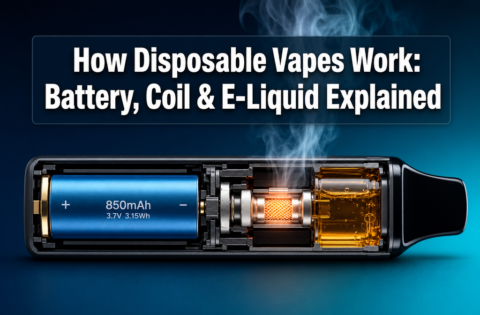
Common mistake for first-time users: Assuming all vaping products carry the same risk profile. A regulated disposable vape from a compliant manufacturer is a very different product from an unverified device purchased through unofficial channels. For a deeper understanding of how disposable vapes work at the component level, that resource breaks down the battery, coil, and e-liquid system.
What Common Features Should I Look for When Choosing My First Disposable?
Look for a mouth-to-lung (MTL) draw style, a nicotine strength that matches your history, a puff count between 600 and 1500, and a flavor you’ll actually enjoy. These four factors determine whether your first experience is pleasant or frustrating.
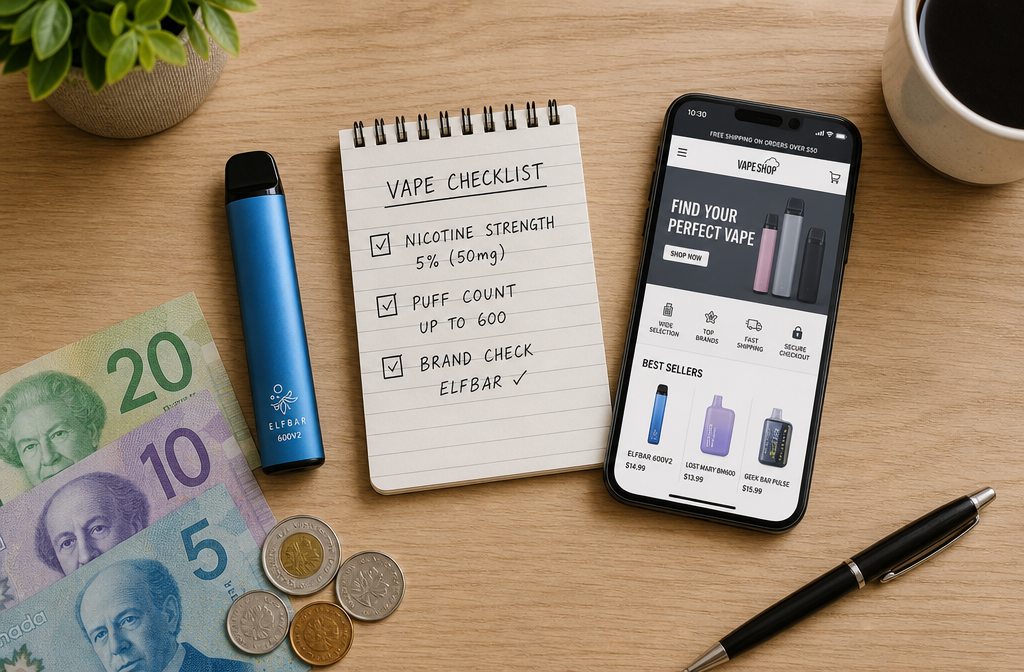
First-time buyer checklist
- Draw style: MTL devices feel like drawing on a cigarette. Direct-to-lung (DTL) devices produce more vapor but can feel overwhelming for beginners. Choose MTL.
- Nicotine type and strength: Salt nicotine at 10–20mg/mL for former smokers; 0mg for non-smokers.
- Puff count: 600–1500 puffs is the sweet spot for a first device.
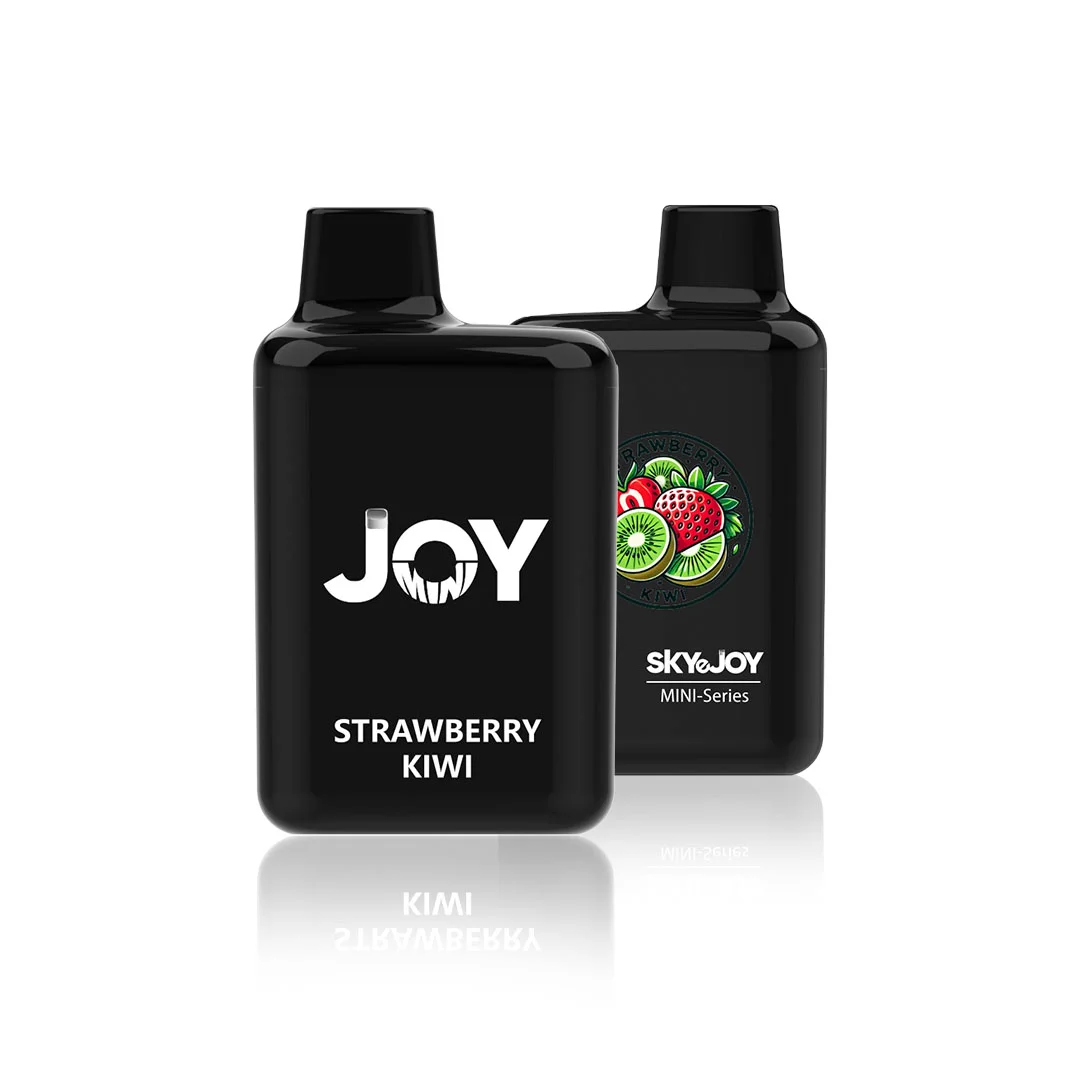
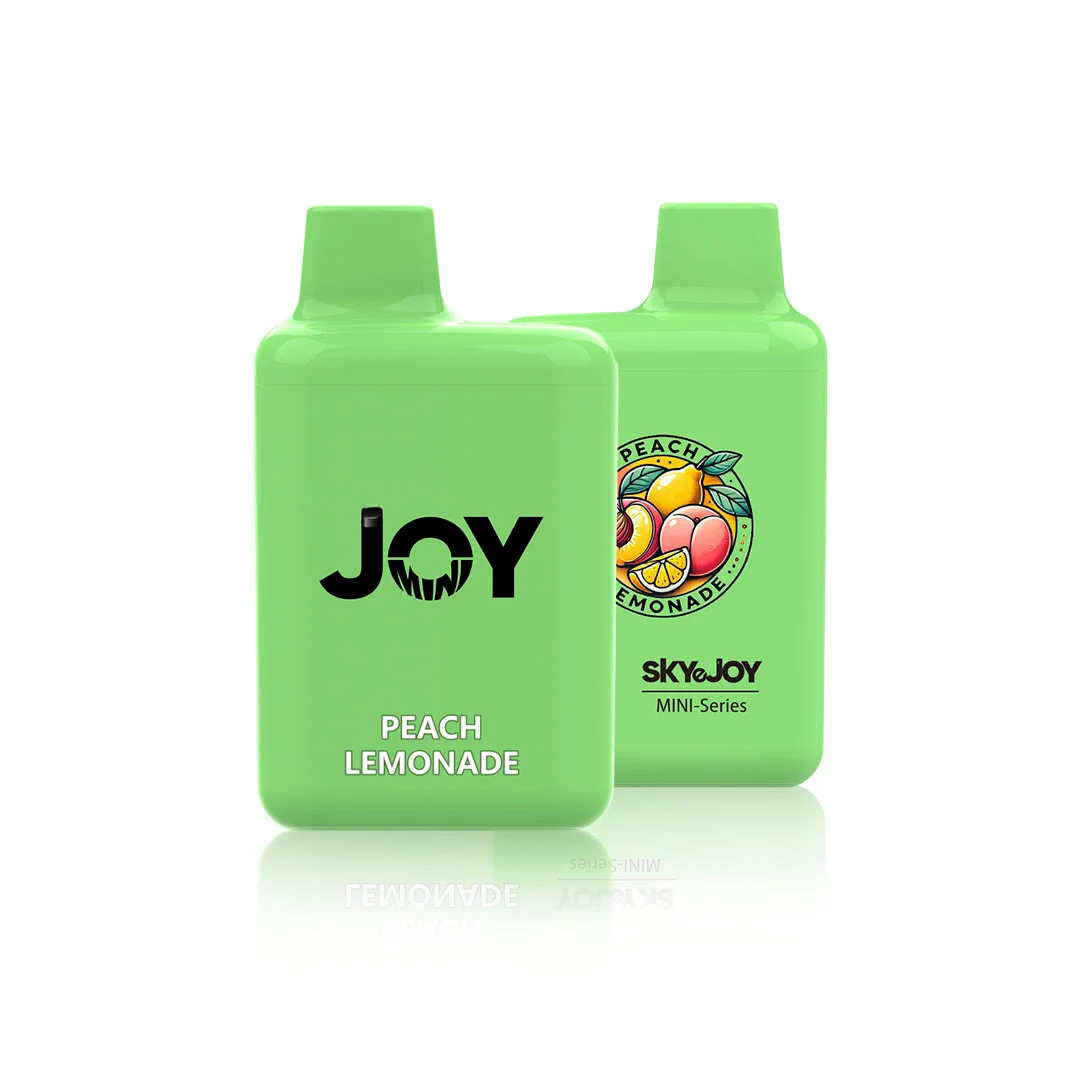
- Flavor: Start with a flavor profile you already enjoy in food or drinks. Fruit and mint flavors tend to be the most approachable. Options like peach lemonade or strawberry kiwi are popular starting points.
- Battery indicator: Some devices have an LED that changes color as the battery depletes. This helps you know when the device is nearly done.
- Airflow: Tighter airflow suits MTL draws. If the device feels too airy, it’s probably designed for DTL use.
- Size and portability: A compact device is easier to carry and more discreet.
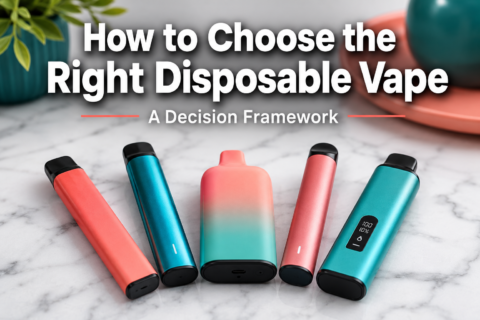
For a more detailed walkthrough, our guide on how to choose the right disposable vape covers each of these factors in depth.
Common mistake: Prioritizing vapor production over satisfaction. Beginners don’t need massive clouds. They need a smooth, flavorful draw that delivers the right amount of nicotine.
Do Disposable Vapes Expire or Go Bad If I Don’t Use Them Right Away?
Yes, disposable vapes have a shelf life, typically 1 to 2 years from the date of manufacture. The e-liquid inside can degrade over time, and the battery slowly loses charge even when the device isn’t being used.
Signs a disposable vape has gone bad:
- The e-liquid has darkened significantly or turned brown.
- The flavor tastes stale, muted, or chemically off.
- The device doesn’t activate when you draw on it (dead battery).
- The vapor production is noticeably weak despite the device being “new.”
Storage tips to maximize shelf life:
- Keep the device in its original sealed packaging until you’re ready to use it.
- Store at room temperature, away from direct sunlight and extreme heat.
- Avoid leaving devices in a hot car, which can degrade both the battery and the e-liquid.
- Don’t store in a freezer; extreme cold can damage the battery and thicken the liquid.
Edge case: If you buy multiple devices to try different flavors, use them within a few months of purchase. Stockpiling disposables for a year or more often results in degraded flavor and reduced battery performance. To understand the signs that a device is nearing the end of its usable life, check out how to tell when a disposable vape is near the end.
What Are the Most Common Health Risks for New Disposable Vape Users?
The most immediate health risks for new users are nicotine overconsumption (dizziness, nausea, headaches) and throat or lung irritation from inhaling vapor for the first time. Long-term risks are still being researched, but they are generally considered lower than those associated with smoking.
Short-term risks and how to manage them:
- Nicotine sickness: Symptoms include nausea, dizziness, headache, and increased heart rate. This happens when you consume more nicotine than your body can handle. Solution: use a lower nicotine strength and take fewer puffs per session.
- Throat irritation: New users sometimes experience a dry or scratchy throat. This is often caused by propylene glycol (PG) in the e-liquid, which is a known mild irritant. Staying hydrated helps.
- Coughing: Many first-time users cough when they first inhale vapor. This usually subsides after a few uses as the body adjusts. If persistent coughing continues, stop using the device.
- Allergic reactions: Rare, but some individuals are sensitive to PG, certain flavorings, or other e-liquid ingredients. Discontinue use and consult a healthcare provider if you experience swelling, rash, or difficulty breathing.
Important context: Most serious vaping-related lung injuries reported in 2019 (often referred to as EVALI) were linked to illicit THC cartridges containing vitamin E acetate, not regulated nicotine vaping products. This is another reason to avoid counterfeit or unregulated devices.
Common mistake: Treating a disposable vape like a cigarette and taking puff after puff in a short session. Unlike a cigarette, which burns out after a few minutes, a disposable vape is always ready. New users sometimes overconsume nicotine simply because there’s no natural stopping point. Set a limit, such as 5–10 puffs per session, and wait to see how you feel.
How Long Does a Typical Disposable Vape Actually Last?
A disposable vape lasts anywhere from 1 day to 2 weeks, depending on the puff count and how frequently you use it. A 600-puff device used moderately (about 50–100 puffs per day) will last roughly a week. A 1500-puff device at the same usage rate can last 2 weeks or more.
Estimated lifespan by puff count:
| Advertised Puff Count | Light Use (30–50 puffs/day) | Moderate Use (50–100 puffs/day) | Heavy Use (150+ puffs/day) |
|---|---|---|---|
| 200–400 puffs | 4–8 days | 2–4 days | 1–2 days |
| 600–800 puffs | 12–20 days | 6–10 days | 3–5 days |
| 1500–2000 puffs | 30+ days | 15–20 days | 7–10 days |
| 3000–5000 puffs | 60+ days | 30–40 days | 15–25 days |
Important caveat: Advertised puff counts are based on standardized machine testing, not real-world use. Actual results vary based on draw length, draw intensity, and ambient temperature. Most users get 70–80% of the advertised puff count.
Common mistake: Assuming the device is defective when it runs out sooner than expected. If you take long, deep draws, you’ll use more e-liquid per puff than the manufacturer’s testing assumes. For more on why flavor can degrade near the end, see why some disposable vapes taste burnt and how to avoid it.
Are There Disposable Vapes That Are Better for People Trying to Quit Smoking?
Yes, disposable vapes designed with a tight MTL draw, salt nicotine at 15–20mg/mL, and a simple design tend to work best for adult smokers looking to transition away from cigarettes. The goal is to replicate the hand-to-mouth ritual and nicotine delivery of smoking as closely as possible.
What to look for in a quit-smoking disposable:
- Tight draw resistance that mimics a cigarette’s airflow.
- Salt nicotine at 15–20mg/mL for adequate craving relief without the harshness of freebase nicotine.
- Tobacco or menthol flavors if you want familiarity, though many former smokers find they prefer fruit or mint flavors once they switch.
- Compact, cigarette-like form factor that feels natural in the hand.
What to avoid:
- Sub-ohm or DTL devices that produce large vapor clouds. These don’t feel like smoking and often use lower nicotine concentrations that won’t satisfy a cigarette craving.
- Devices with 0mg nicotine, unless you’ve already weaned down from higher strengths.
- Overly complex devices with adjustable settings. Simplicity is key when you’re making a behavioral change.
Decision rule: Choose a disposable vape if you want the simplest possible entry point with no maintenance. Choose a pod system if you want lower long-term costs and more flavor options, but are willing to learn basic refilling or pod replacement.
Common mistake: Trying to quit smoking and nicotine at the same time. Most smoking cessation experts recommend separating the two goals: first, switch away from combustible tobacco to reduce harm, then gradually reduce nicotine strength over time.
Avoiding Common Disposable Vape Buying Mistakes: A Quick-Reference Checklist
Use this checklist before your next purchase:
- Identified your nicotine strength based on smoking history (not guesswork)
- Chosen a puff count appropriate for a first-time purchase (600–1500)
- Verified the retailer is authorized by the brand
- Checked for an authentication code on the packaging
- Confirmed the device uses an MTL draw style
- Read at least 3 reviews from verified buyers
- Set a personal budget of $10–$18 for a starter device
- Checked that the product complies with Canadian vaping regulations
- Planned to stay hydrated while using the device
- Set a puff limit per session to avoid nicotine overconsumption
Conclusion
The common disposable vape buying mistakes first-time adult users make are predictable and preventable. They boil down to three things: not matching the product to your actual needs, buying from unreliable sources, and not understanding how the device works before using it.
Actionable next steps:
- Determine your nicotine needs first. Use the smoking history guide above to pick an appropriate strength.
- Set a budget of $10–$18 for your first device. Don’t overspend on a high-puff device you might not finish.
- Buy from a verified retailer and check the authentication code before your first puff.
- Start slow. Take 5–10 puffs, wait 10 minutes, and assess how you feel before continuing.
- If the flavor or strength isn’t right, try a different option rather than giving up on the category entirely. One bad experience with the wrong product doesn’t represent all disposable vapes.
For Canadian adults ready to explore their options, browse the full disposable vape collection to find a device that matches the criteria outlined in this guide.
Frequently Asked Questions
Can I bring a disposable vape on an airplane in Canada? Yes, but it must be in your carry-on luggage, not checked baggage. Transport Canada follows the same lithium battery rules as most international aviation authorities. You cannot use the device on the plane.
How do I know when my disposable vape is empty? The flavor will become weak or taste burnt, vapor production will decrease significantly, and some devices have an LED that blinks rapidly to indicate the e-liquid or battery is depleted.
Is it normal to cough the first time I use a disposable vape? Yes. Most first-time users cough initially because the throat isn’t accustomed to inhaling vapor. This usually goes away after a few sessions. If it persists, try a lower nicotine strength or a device with a tighter draw.
Can I charge a disposable vape? Some newer disposable vapes include a USB-C charging port. These are designed to ensure the battery lasts long enough to use all the e-liquid. However, most basic disposables are not rechargeable and are discarded when the battery or e-liquid runs out.
What happens if I use a disposable vape that’s past its expiration date? The flavor will likely taste off, the nicotine may have degraded (reducing effectiveness), and the battery may not hold enough charge to activate the device. It’s not typically dangerous, but it won’t be a good experience.
Are disposable vapes legal in Ontario? Yes, disposable vapes are legal for adults aged 19 and older in Ontario. They must comply with federal nicotine concentration limits and provincial retail regulations.
Why does my new disposable vape taste burnt right away? This can happen if the device was stored improperly (exposed to heat), if the coil is defective, or if you’re drawing too hard and too frequently. Let the device sit upright for a few minutes before first use to allow the wick to saturate.
How should I dispose of a used disposable vape? Do not throw disposable vapes in regular household trash or recycling. The lithium battery inside requires proper disposal. Many vape shops and electronics recycling centers accept used devices. Check your municipality’s hazardous waste guidelines.
Can I use a disposable vape indoors? This depends on the property owner’s rules and local bylaws. In Ontario, vaping is prohibited in enclosed public spaces and workplaces under the Smoke-Free Ontario Act, 2017. Private residences are generally at the discretion of the property owner.
Do all disposable vapes contain nicotine? No. Some brands offer 0mg (nicotine-free) options. Always check the label before purchasing if you want to avoid nicotine.