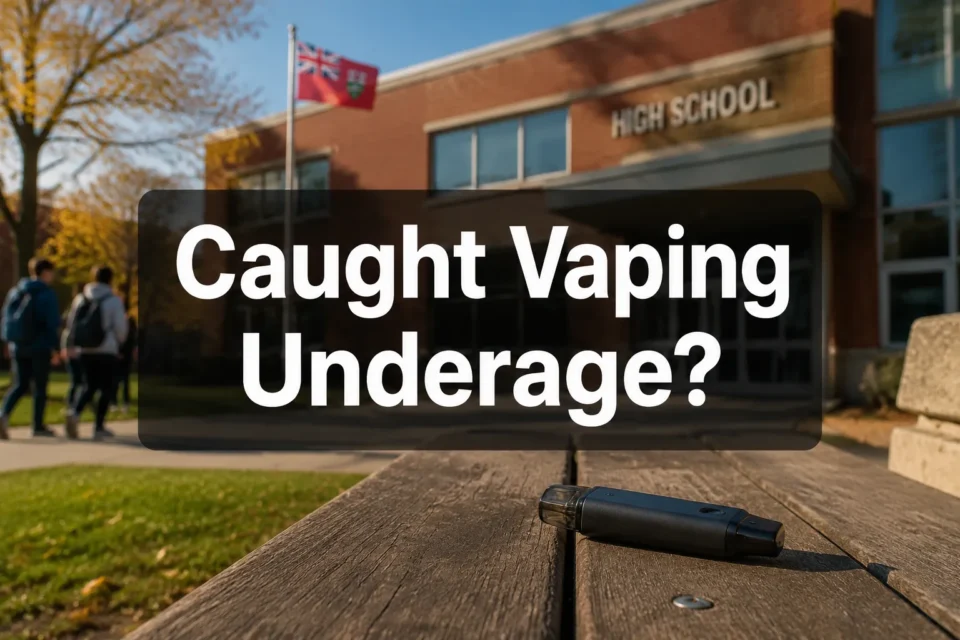
Last updated: July 21, 2026 Quick Answer: If you get caught vaping underage in Ontario, the consequences fall primarily on the person who sold or supplied the vape to you,
Last updated: July 20, 2026 Quick Answer: Ontario’s Smoke-Free Ontario Act (SFOA) bans vaping in all enclosed public spaces, restaurant and bar patios, and vehicles carrying anyone under 16. These
Last updated: July 2, 2026 Quick Answer: Toronto residents aged 19 and older can order disposable vapes online and receive them the same day through multiple GTA delivery services. Most
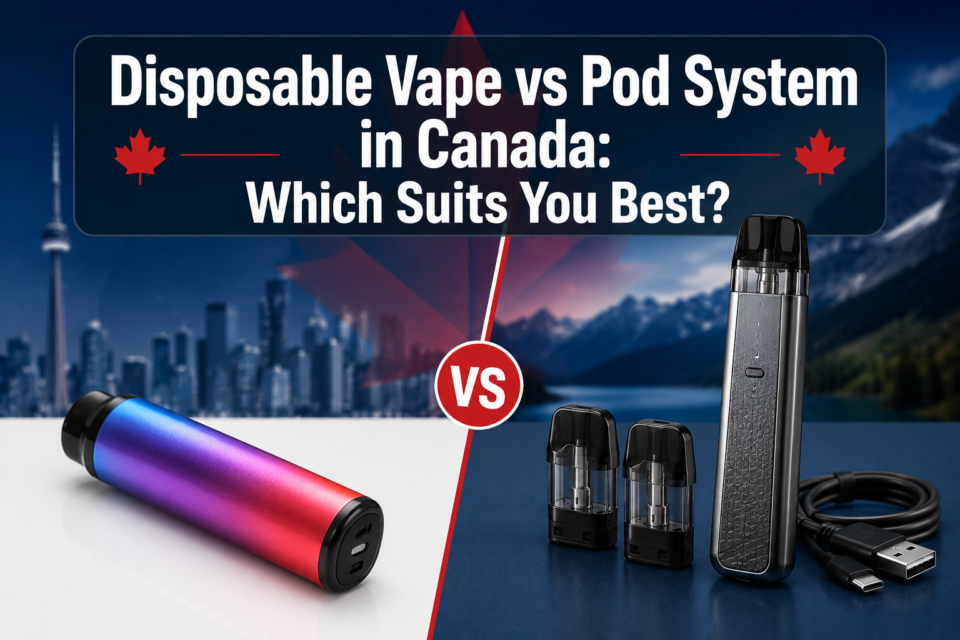
Last updated: July 1, 2026 Quick Answer: Disposable vapes are the easiest entry point — no charging, no refilling, no learning curve. Pod systems cost more upfront but save money
Last updated: June 30, 2026 Quick Answer: Choosing the right disposable vape comes down to five core factors: nicotine strength, puff count, flavor profile, device quality, and budget. Match nicotine
Last updated: June 29, 2026 Quick Answer: The best disposable vapes in Canada in 2026 balance flavor quality, battery life, regulatory compliance, and cost per puff. Top options include the
Last updated: June 25, 2026 Quick Answer: A disposable vape nearing the end will show one or more clear signs: the flavor weakens or turns burnt, vapor production drops noticeably,
Last updated: June 24, 2026 Quick Answer: Every disposable vape contains a small lithium-ion battery that can overheat, swell, or catch fire if mishandled, stored in extreme temperatures, or physically
Last updated: June 23, 2026 Quick Answer Ontario’s Smoke-Free Ontario Act (SFOA), 2017 allows registered specialty vape stores to display and promote products inside the store, but those displays must
Last updated: June 22, 2026 Quick Answer: Ontario retailers purchasing disposable vapes at wholesale typically pay between $3 and $6 per unit for standard devices, with retail markups producing gross