Last updated: June 18, 2026 Quick Answer: To become a vape retailer in Ontario, you need to register your business with the CRA, obtain a municipal business licence, register as
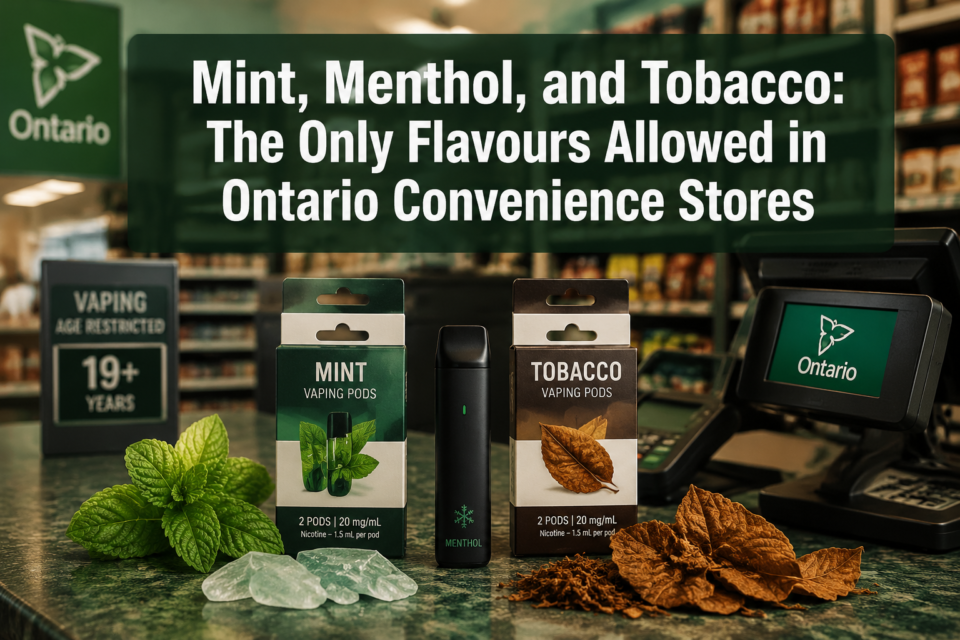
Last updated: June 17, 2026 Quick Answer Ontario restricts convenience stores and gas stations to selling only mint, menthol, and tobacco-flavoured vape products. All other flavours, including fruit, candy, and
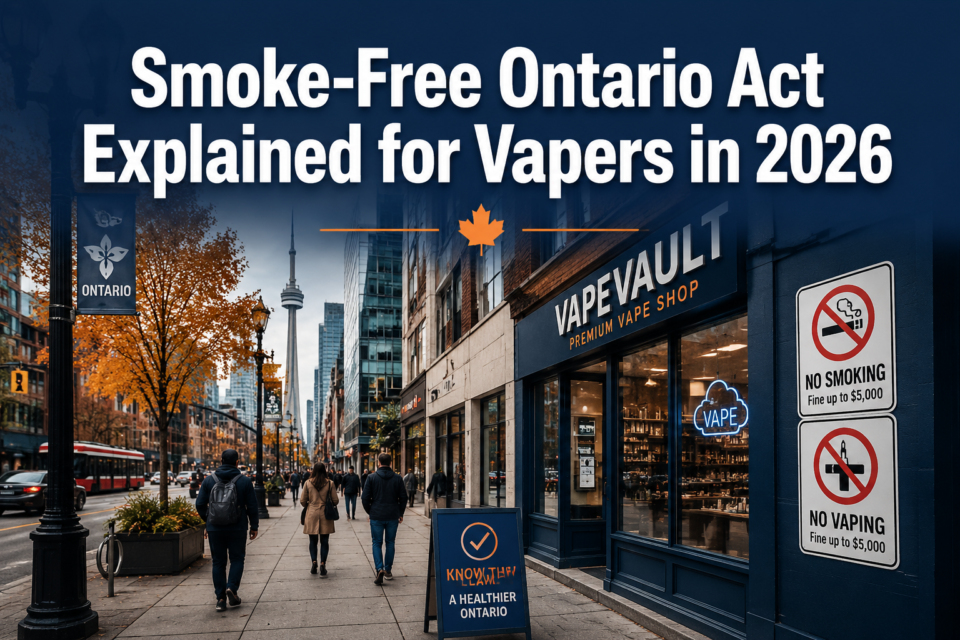
Last updated: June 16, 2026 Quick Answer: The Smoke-Free Ontario Act (SFOA), 2017, treats vaping almost identically to smoking in most public spaces across Ontario. In 2026, proposed amendments under
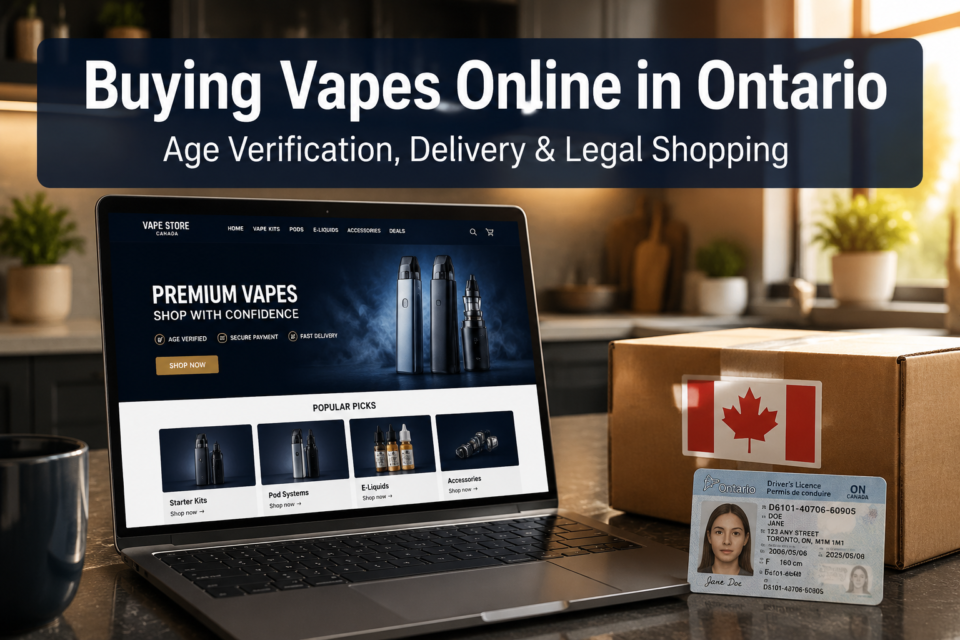
Last updated: June 15, 2026 Quick Answer: Adults aged 19 and older can legally buy vapes online in Ontario from licensed Canadian retailers, but every purchase requires age verification at
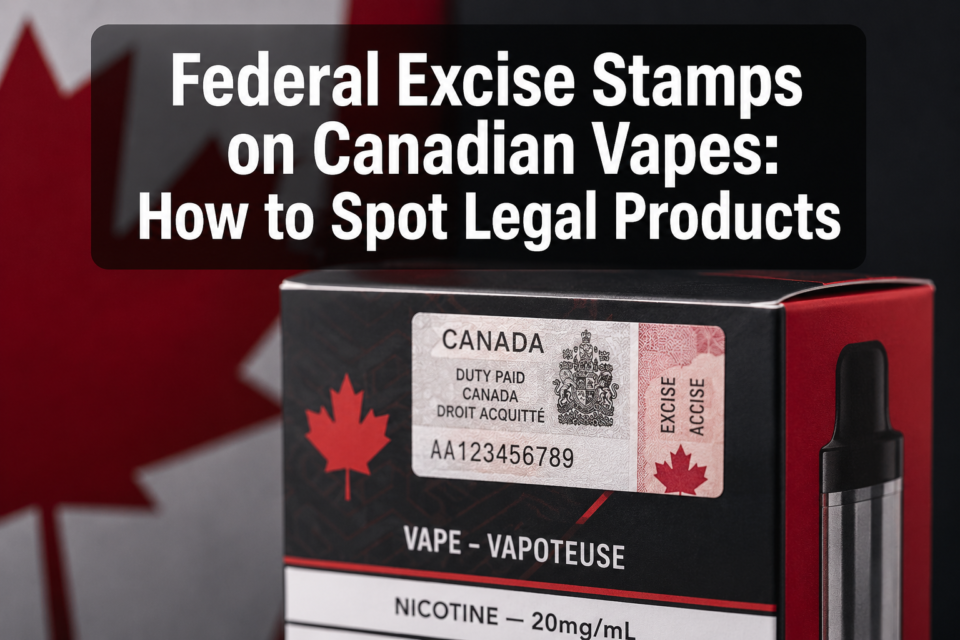
Last updated: June 11, 2026 Quick Answer: Every vaping product legally sold in Canada must carry a federal excise stamp — a small 20 x 40 mm label printed with
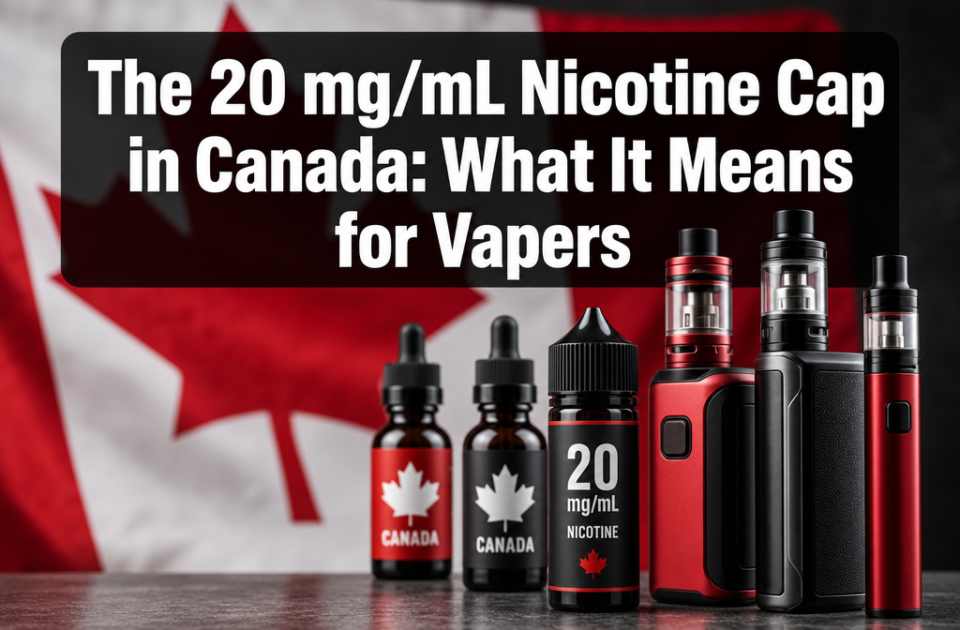
Last updated: June 10, 2026 Quick Answer: Canada’s federal nicotine cap limits all vaping products sold in the country to a maximum of 20 mg/mL. Established under the Nicotine Concentration
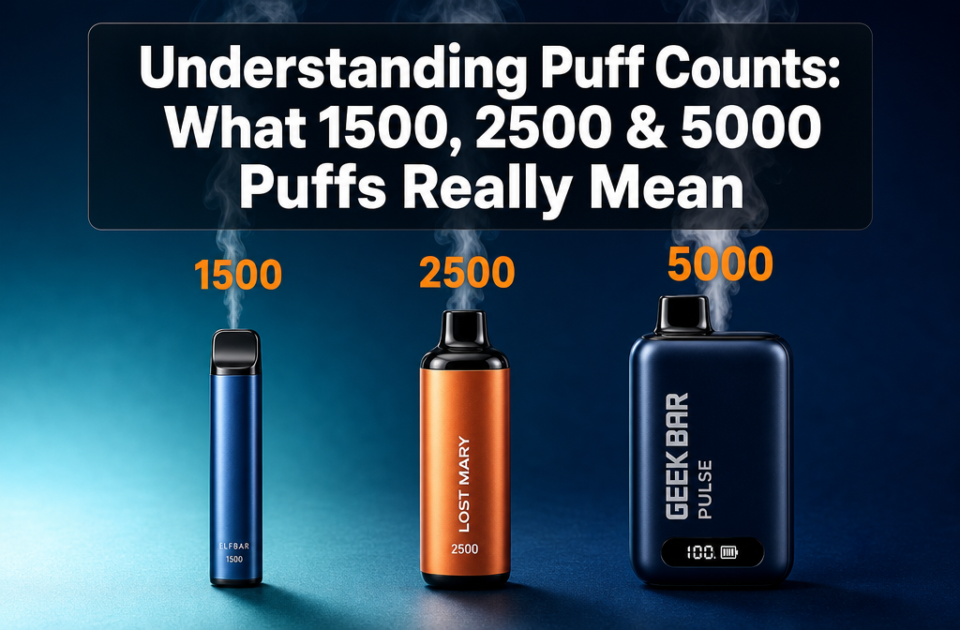
Last updated: June 9, 2026 Quick Answer: Puff counts on disposable vapes are lab-tested estimates, not guarantees. A 1500-puff device typically holds about 4-5 ml of e-liquid, a 2500-puff device
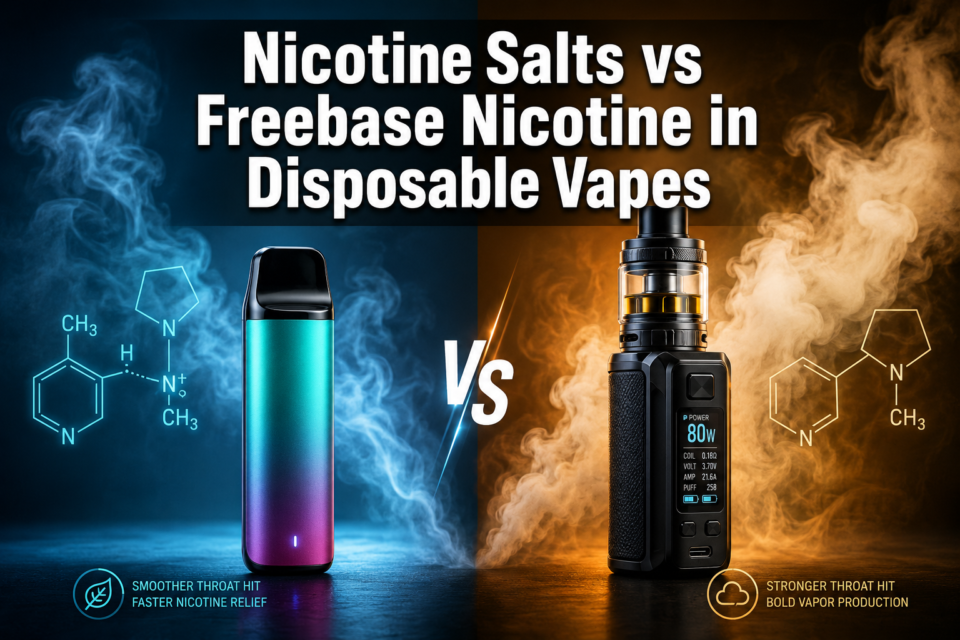
Nicotine salts and freebase nicotine are two different chemical forms of nicotine used in e-liquids. Nicotine salts deliver a smoother throat hit at higher strengths (20-50 mg/mL) and absorb into
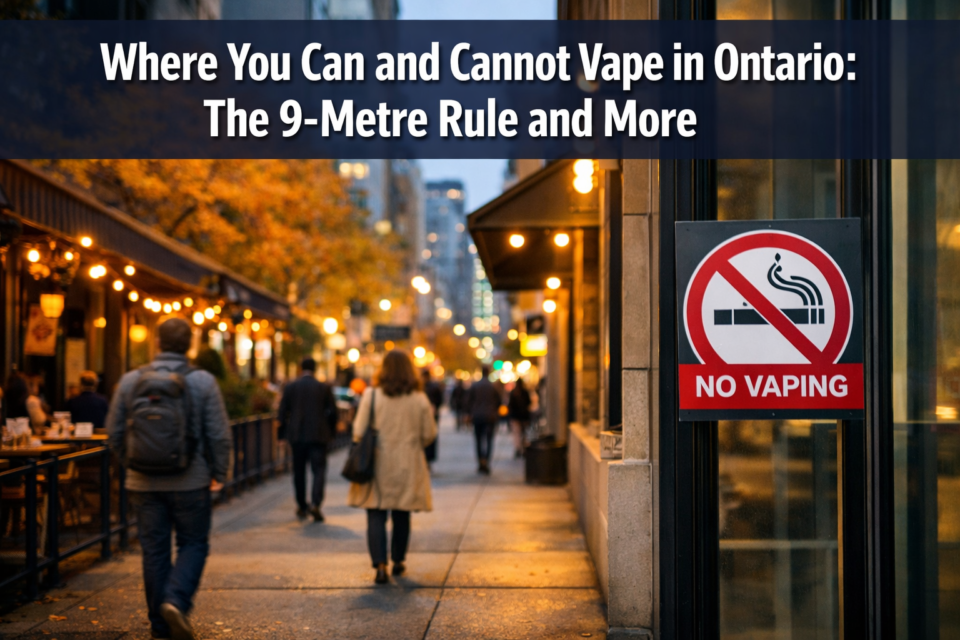
Ontario’s Smoke-Free Ontario Act, 2017 bans vaping in all enclosed public places, enclosed workplaces, and within 9 metres of building entrances and exits. Additional buffer zones of 20 metres apply
Last updated: May 28, 2026 Quick Answer: Selling wholesale disposable vapes in Canada is legal but heavily regulated at both the federal and provincial level. Retailers typically earn gross margins