

Last updated: June 10, 2026
Quick Answer: Canada’s federal nicotine cap limits all vaping products sold in the country to a maximum of 20 mg/mL. Established under the Nicotine Concentration in Vaping Products Regulations (NCVPR) in July 2021, this rule applies to every e-liquid and pre-filled device manufactured or imported for Canadian sale. For vapers who previously used products at 50 mg/mL or higher, the cap means adjusting habits, switching devices, or changing how often they vape.
Key Takeaways
- The federal 20 mg/mL nicotine cap has been in effect since July 2021 and applies to all vaping products sold in Canada.
- Products previously available at 50+ mg/mL have been reformulated or pulled from the Canadian market.
- Health Canada uses ISO 20714 testing standards to verify nicotine concentration compliance.
- Several provinces add their own restrictions on top of the federal cap, including flavour bans in Quebec, Nova Scotia, PEI, New Brunswick, and the territories.
- Vapers transitioning from cigarettes can still use 20 mg/mL products effectively, especially with the right device and vaping technique.
- Non-compliance by manufacturers or retailers can lead to product seizures and fines from Health Canada.
- The 20 mg/mL limit matches the European Union’s cap under the Tobacco Products Directive, but is far lower than the roughly 59 mg/mL products still legal in the United States.
- Disposable vapes, pod systems, and bottled e-liquids are all subject to the same concentration limit.
- Adjusting to the cap may require using a slightly higher-wattage device or taking longer draws rather than simply consuming more liquid.
What Exactly Does the 20 mg/mL Nicotine Cap Mean for Me?
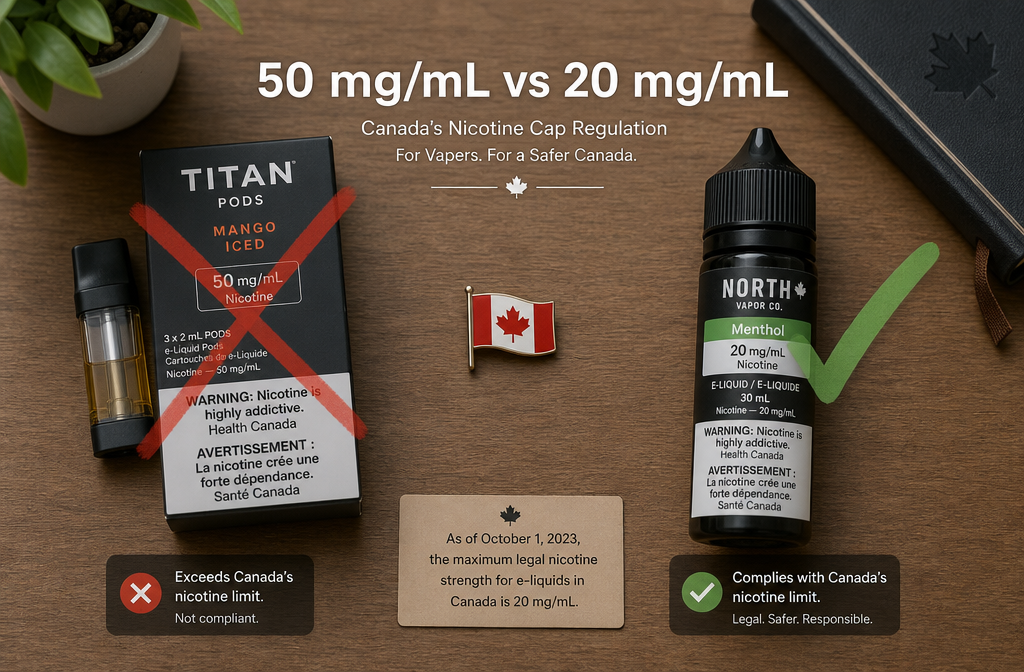
It means no vaping product legally sold in Canada can contain more than 20 milligrams of nicotine per millilitre of e-liquid. Whether you buy a disposable vape, a refillable pod, or a bottle of juice, the nicotine strength printed on the label cannot exceed that number.
Before the regulation, many popular pod systems — particularly salt-nicotine devices — sold e-liquid at concentrations of 35 mg/mL, 50 mg/mL, or even higher. Those products are no longer legal for sale in Canada. If you were using a high-strength product, the 20 mg/mL cap in Canada means you’ll need to:
- Switch to a compliant product at 20 mg/mL or lower.
- Adjust your vaping style (more on this below).
- Consider a different device type that delivers nicotine more efficiently at lower concentrations.
The regulation applies at the point of sale and import. It’s illegal for retailers to package or sell any vaping product displaying a nicotine concentration above 20 mg/mL.
Why Did Canada Implement This Nicotine Concentration Limit?
Canada introduced the cap primarily to reduce youth nicotine addiction. High-strength nicotine products were identified as a key driver of vaping uptake among teenagers, and public health organizations like the Canadian Lung Association publicly supported the measure.
The reasoning breaks down into three main concerns:
- Youth addiction risk. Higher nicotine concentrations create stronger physical dependence faster. Products at 50 mg/mL deliver a nicotine hit comparable to or exceeding a cigarette, making them especially habit-forming for young, first-time users.
- Nicotine poisoning. Concentrated nicotine liquids carry a higher risk of accidental poisoning if swallowed or absorbed through the skin, particularly for children.
- Alignment with international standards. The European Union had already capped nicotine at 20 mg/mL under its Tobacco Products Directive. Canada chose to align with that benchmark rather than the more permissive U.S. market.
Health Canada framed the regulation as part of a broader strategy that includes flavour restrictions in certain provinces, advertising limits, and age-verification requirements.
Common misconception: Some vapers believe the cap was designed to make quitting smoking harder. The stated intent is the opposite — to keep vaping available as a harm-reduction tool while limiting the addictiveness of the products, especially for non-smokers.
What Health Risks Prompted This Nicotine Concentration Change?
The health risks behind the regulation center on nicotine’s effects on developing brains and its addictive properties, not on the other chemicals in e-liquid.
Key health concerns include:
- Adolescent brain development. Nicotine exposure during adolescence can harm brain development, affecting memory, concentration, learning, and impulse control. The brain continues developing until roughly age 25.
- Cardiovascular effects. Higher nicotine intake raises heart rate and blood pressure. While these effects occur at any nicotine level, concentrated products amplify them.
- Dependence escalation. Users who start with high-strength products tend to develop stronger dependence more quickly, making it harder to reduce or quit nicotine use later.
- Accidental exposure. E-liquids at 50 mg/mL or above are more dangerous in cases of accidental ingestion by children or pets.
It’s worth noting that the cap does not address other vaping-related health concerns like lung irritation from flavouring compounds or heavy metal exposure from coils. Those issues are handled through separate product safety regulations.
How Will This Regulation Impact Vape Juice Prices in Canada?
For most vapers, the nicotine cap itself has not caused significant price increases. The cost per bottle or pod has stayed relatively stable because the cap changes concentration, not the volume of liquid sold.
However, there’s an indirect cost effect:
- Higher consumption volume. Some vapers who previously used 50 mg/mL products now go through more liquid at 20 mg/mL to achieve the same nicotine intake. That means buying refills more often.
- Device upgrades. Switching from a low-power pod system (designed for high-nic salt juice) to a slightly more powerful device can offset the lower concentration, but the new hardware costs money upfront.
- Provincial flavour bans. In provinces that restrict flavours, the reduced product selection can limit competition and keep prices higher than in provinces with broader flavour availability.
Decision rule: If you’re spending noticeably more on e-liquid since the cap took effect, consider switching to a device with better vapour production at 20 mg/mL rather than simply buying more pods. A mid-wattage pod system often delivers more nicotine per puff than an ultra-low-power device. Check our guide on how to choose the right disposable vape for help finding a device that fits.
Am I Going to Have to Buy More Pods or Juice to Get the Same Nicotine Hit?
Possibly, but not necessarily. The answer depends on your device, your vaping technique, and how much nicotine you actually need.
Here’s the math: A vaper using 50 mg/mL e-liquid at 1 mL per day was consuming 50 mg of nicotine daily. At 20 mg/mL, getting the same total nicotine would require 2.5 mL per day — a 150% increase in liquid consumption.
But most vapers don’t need to match their old intake milligram-for-milligram. Nicotine dependence adjusts over time, and many users find that 20 mg/mL satisfies cravings adequately after a short adjustment period of one to two weeks.
Tips to avoid burning through liquid faster:
- Take slower, longer draws instead of quick puffs. This extracts more nicotine per hit.
- Use a device with adjustable airflow. A tighter draw delivers more concentrated vapour.
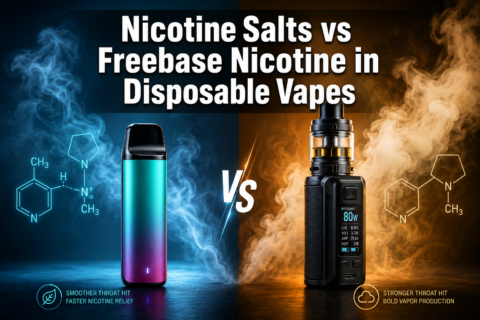
- Choose nicotine salt e-liquid at 20 mg/mL rather than freebase nicotine. Salt nic absorbs faster into the bloodstream, so it satisfies cravings more quickly.
- Don’t chain-vape. Give each puff a minute to take effect before reaching for the device again.
If you’re using disposable vapes, look for models with higher puff counts and efficient coil designs that maximize nicotine delivery within the 20 mg/mL limit.
Can I Still Get Higher Nicotine Strengths If I’m Trying to Quit Smoking?
No — the 20 mg/mL cap applies to everyone, including adult smokers using vaping as a cessation tool. There is no medical exemption or prescription pathway for higher-strength vaping products in Canada.
That said, 20 mg/mL nicotine salt e-liquid is still a meaningful step down from cigarettes for most smokers. A typical cigarette delivers roughly 1 to 2 mg of absorbed nicotine. A few puffs on a 20 mg/mL device can match that delivery, especially with a tight-draw pod system.
If 20 mg/mL doesn’t feel like enough:
- Pair vaping with nicotine replacement therapy (NRT) like patches or gum during the first few weeks. Consult a healthcare provider before combining methods.
- Use a mouth-to-lung (MTL) device, which mimics the draw style of a cigarette and tends to deliver nicotine more efficiently than direct-to-lung setups.
- Start at 20 mg/mL and give yourself at least two weeks to adjust before concluding it’s insufficient.
Edge case: Some heavy smokers (two or more packs per day) may find the transition more difficult. In those situations, working with a smoking cessation program that incorporates vaping alongside other NRT tools can improve success rates.
Will This Make It Harder for Smokers to Transition to Vaping?
For some smokers, yes — particularly those with very heavy habits. But for the majority, 20 mg/mL provides enough nicotine to manage cravings during the switch.
Research from the UK, which has operated under the same 20 mg/mL cap since 2016, suggests that the limit does not prevent successful smoking cessation through vaping. The UK remains one of the most vape-friendly countries for harm reduction, and its public health agencies continue to endorse vaping as a quit-smoking tool despite the concentration cap.
The key factors that determine success are:
| Factor | Impact on Transition |
|---|---|
| Device type | MTL pod systems work best for smokers switching at 20 mg/mL |
| Nicotine form | Nicotine salts absorb faster than freebase, better mimicking a cigarette |
| Flavour preference | Having a flavour you enjoy increases the likelihood of sticking with vaping |
| Support system | Combining vaping with counselling or quit-smoking programs improves outcomes |
| Realistic expectations | The first 1-2 weeks may feel different; cravings typically stabilize after that |
For adults exploring vaping as a first step away from cigarettes, our overview of what disposable vapes are and how they work covers the basics.
What Are the Best Alternatives to High-Strength Nicotine Vapes?
If you relied on 35 mg/mL or 50 mg/mL products before the cap, several alternatives can help bridge the gap.
Within vaping:
- 20 mg/mL nicotine salt pods or disposables. These are the closest legal option to the old high-strength products. Salt nicotine at 20 mg/mL is smoother and faster-absorbing than freebase at the same concentration.
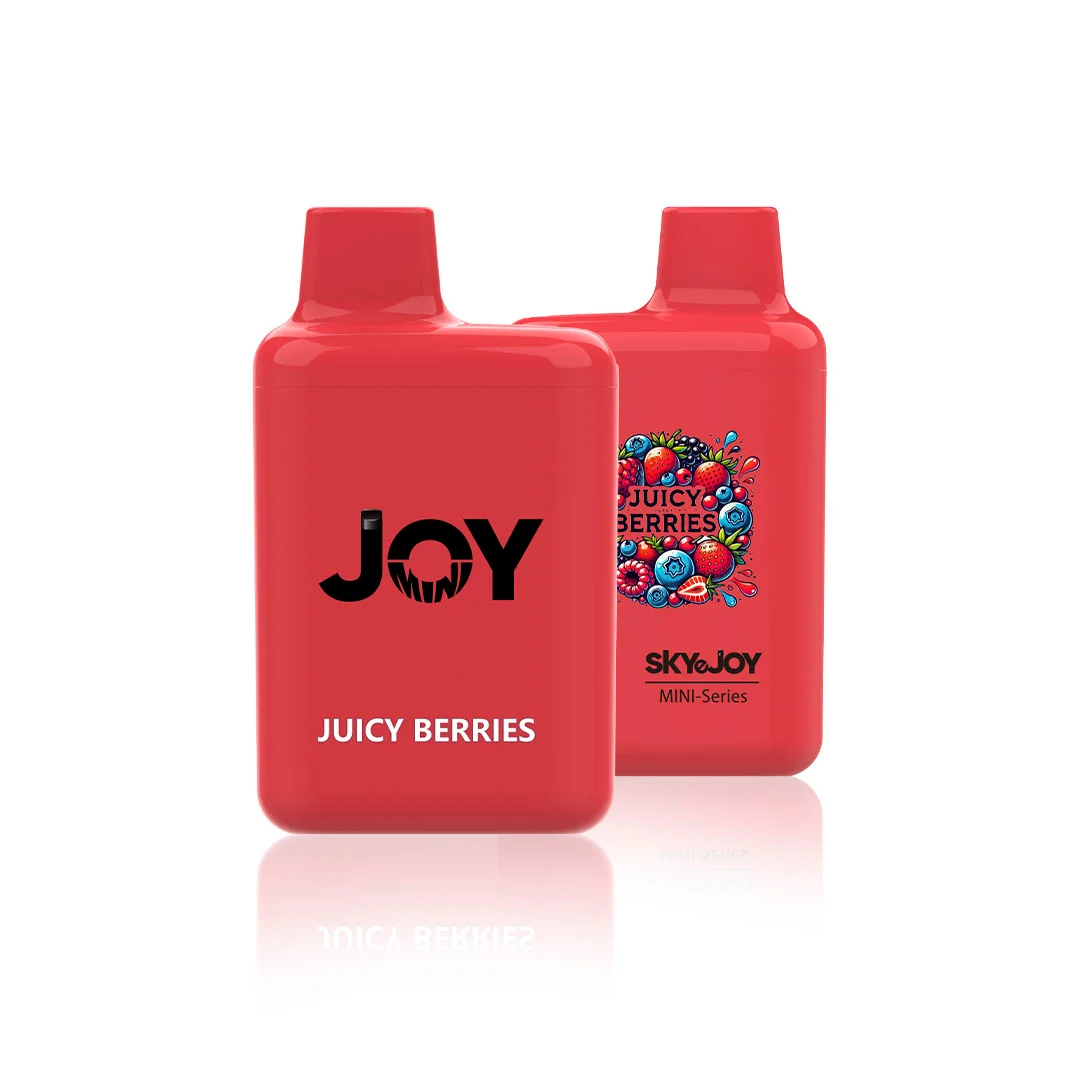
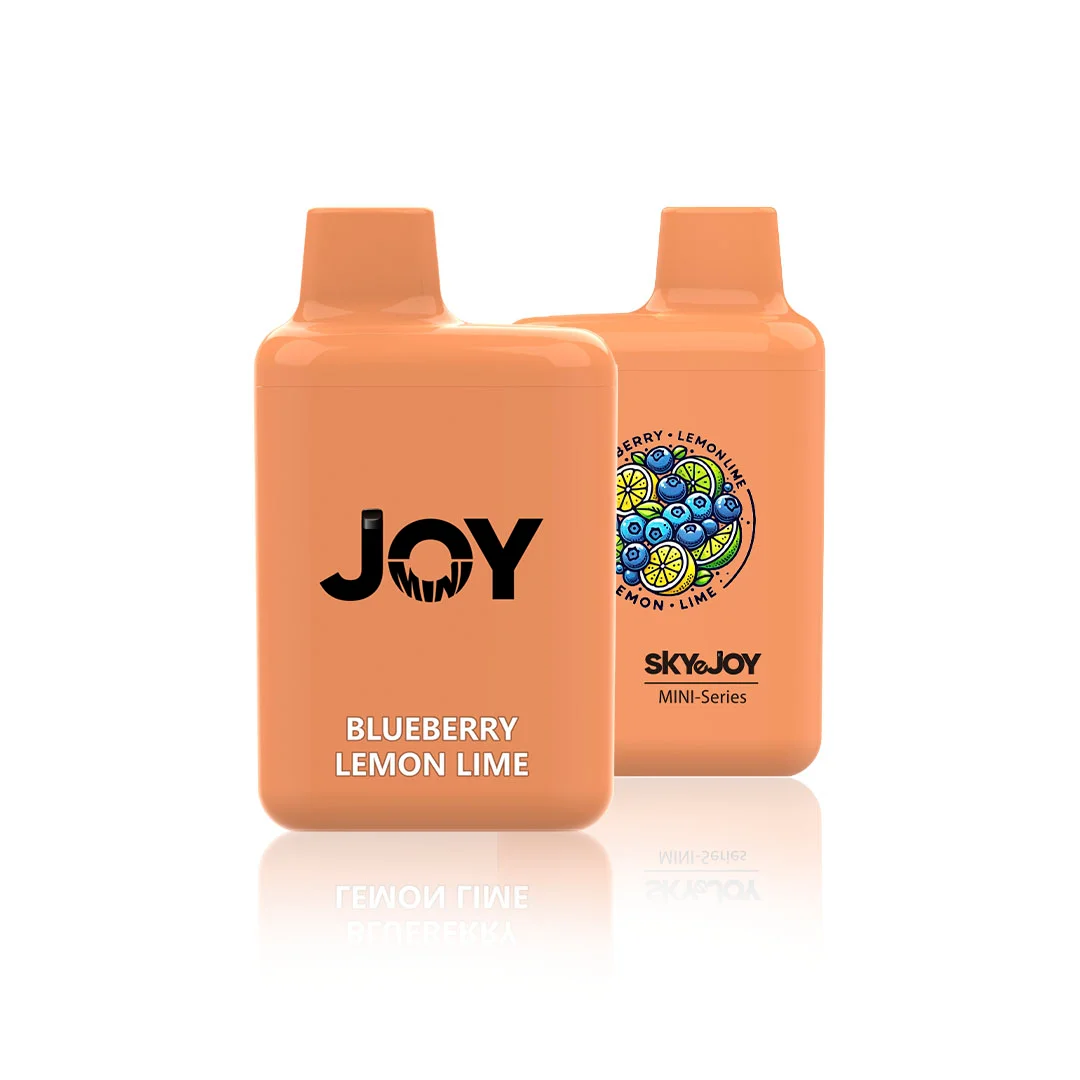
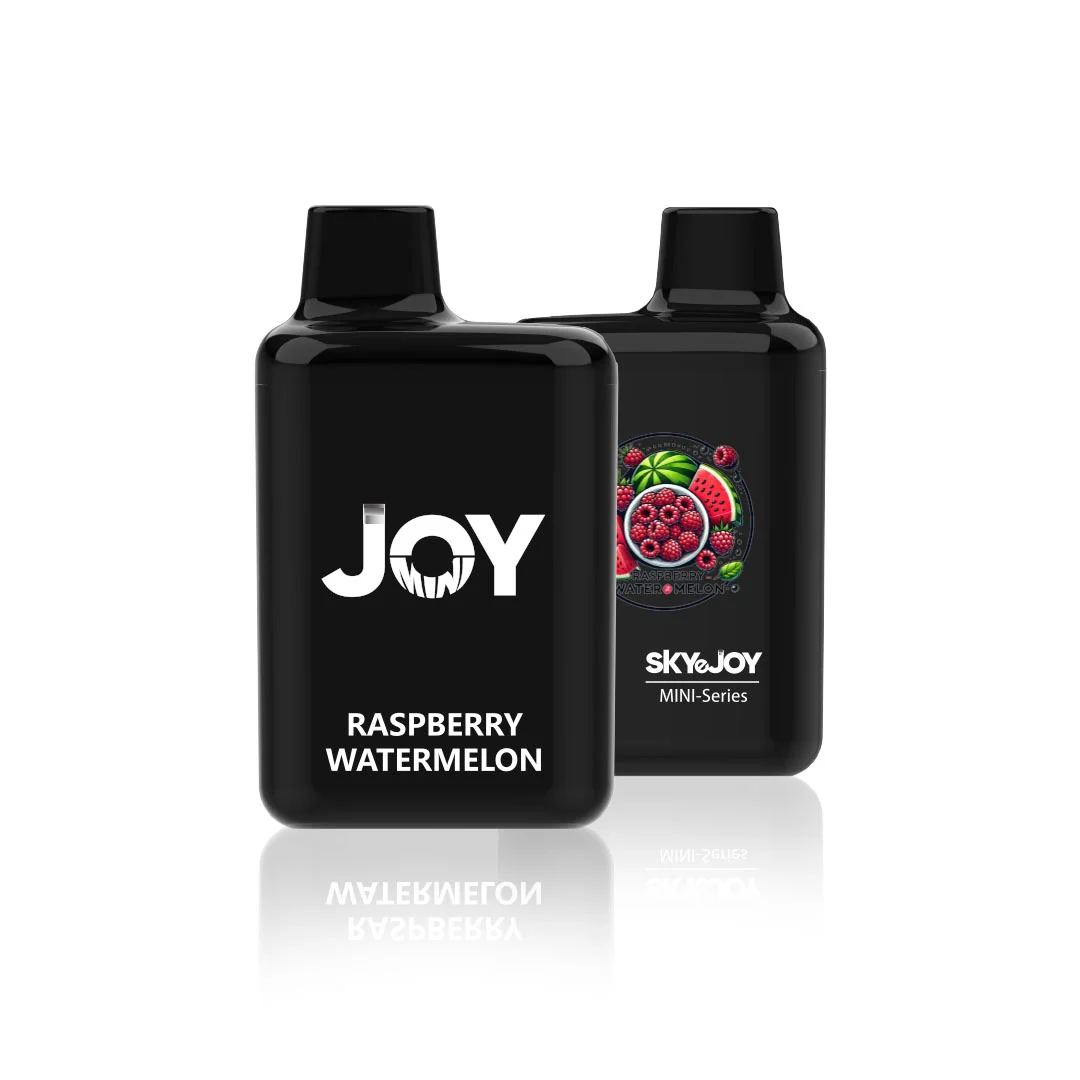
- Higher-efficiency devices. Some pod systems and disposables use mesh coils or optimized wicking that deliver more vapour (and therefore more nicotine) per puff. Browse the Joy Mini disposable vape collection for compliant options.
- Adjustable-wattage pod mods. Slightly increasing wattage boosts vapour production, which increases nicotine delivery without exceeding the concentration limit.
Outside vaping:
- Nicotine pouches. Tobacco-free oral pouches (brands like Zyn or Velo) deliver nicotine without inhalation. They come in various strengths and are sold separately from vaping products.
- Nicotine gum or lozenges. Available over the counter at pharmacies.
- Prescription options. Varenicline (Champix) and other prescription medications can reduce nicotine cravings. Talk to a doctor.
Common mistake: Buying non-compliant products from grey-market or online sellers outside Canada. These products may exceed 20 mg/mL, but they also bypass Health Canada’s safety testing, carry legal risks, and may contain unknown ingredients.
Which Vape Brands Still Work Well With the New 20 mg/mL Restriction?
Most major brands selling in Canada have reformulated their products to comply. The brands that work best at 20 mg/mL are those that pair the concentration with well-designed hardware.
What to look for in a compliant device:
- Mesh coil technology for consistent, flavourful vapour production
- Tight MTL airflow that concentrates the vapour for better nicotine delivery
- Nicotine salt formulation for smooth throat hit at 20 mg/mL
- Adequate battery life so the device performs consistently from first puff to last
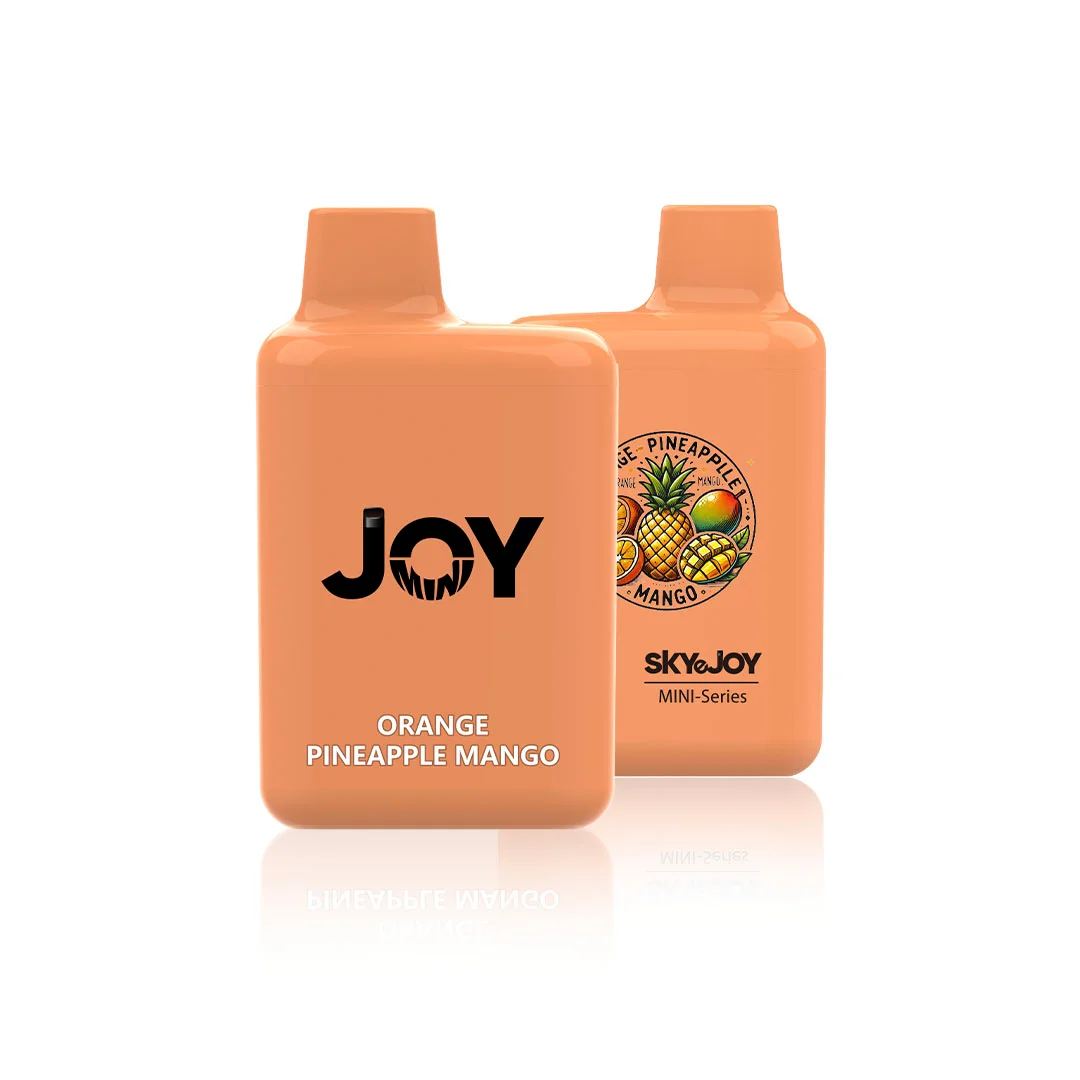
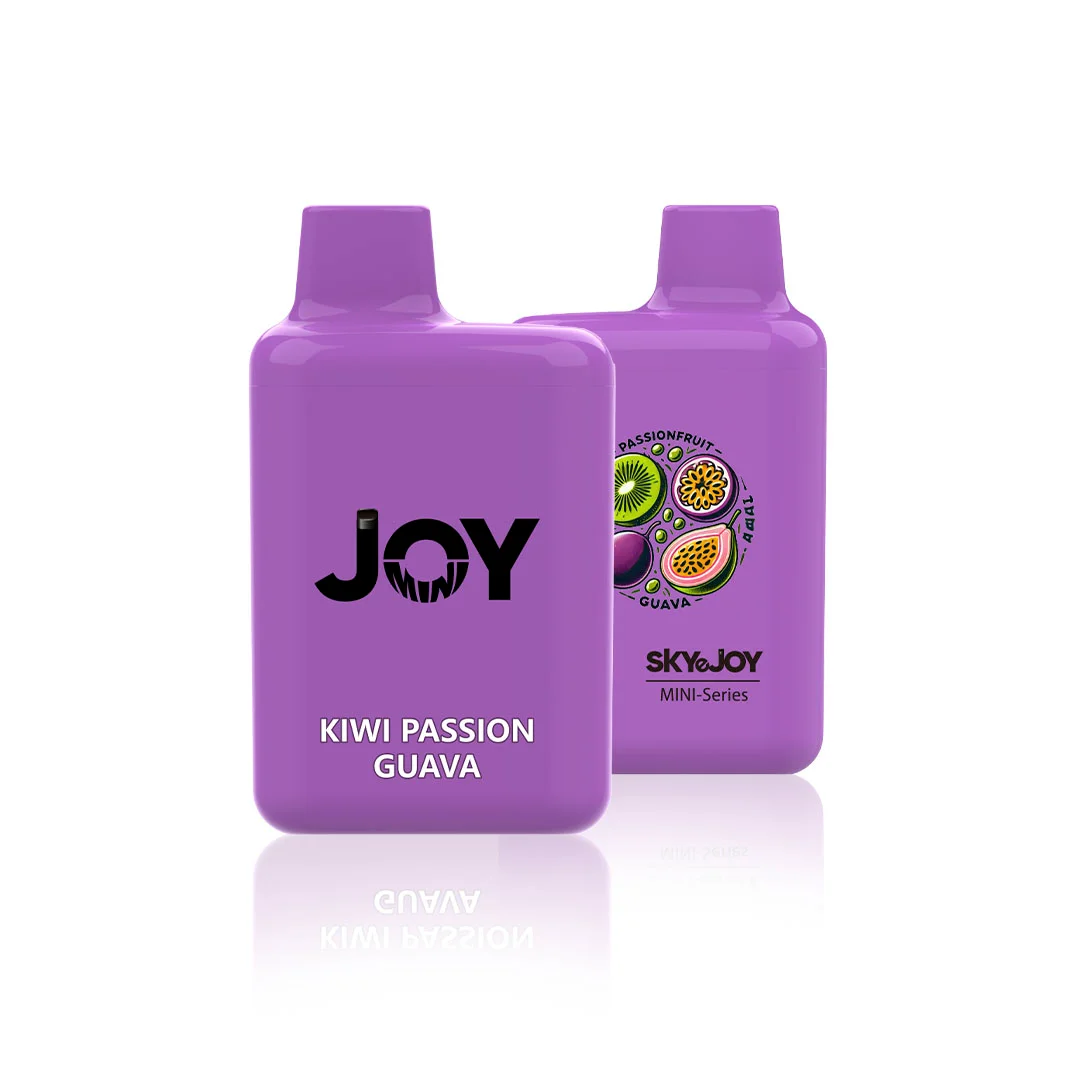
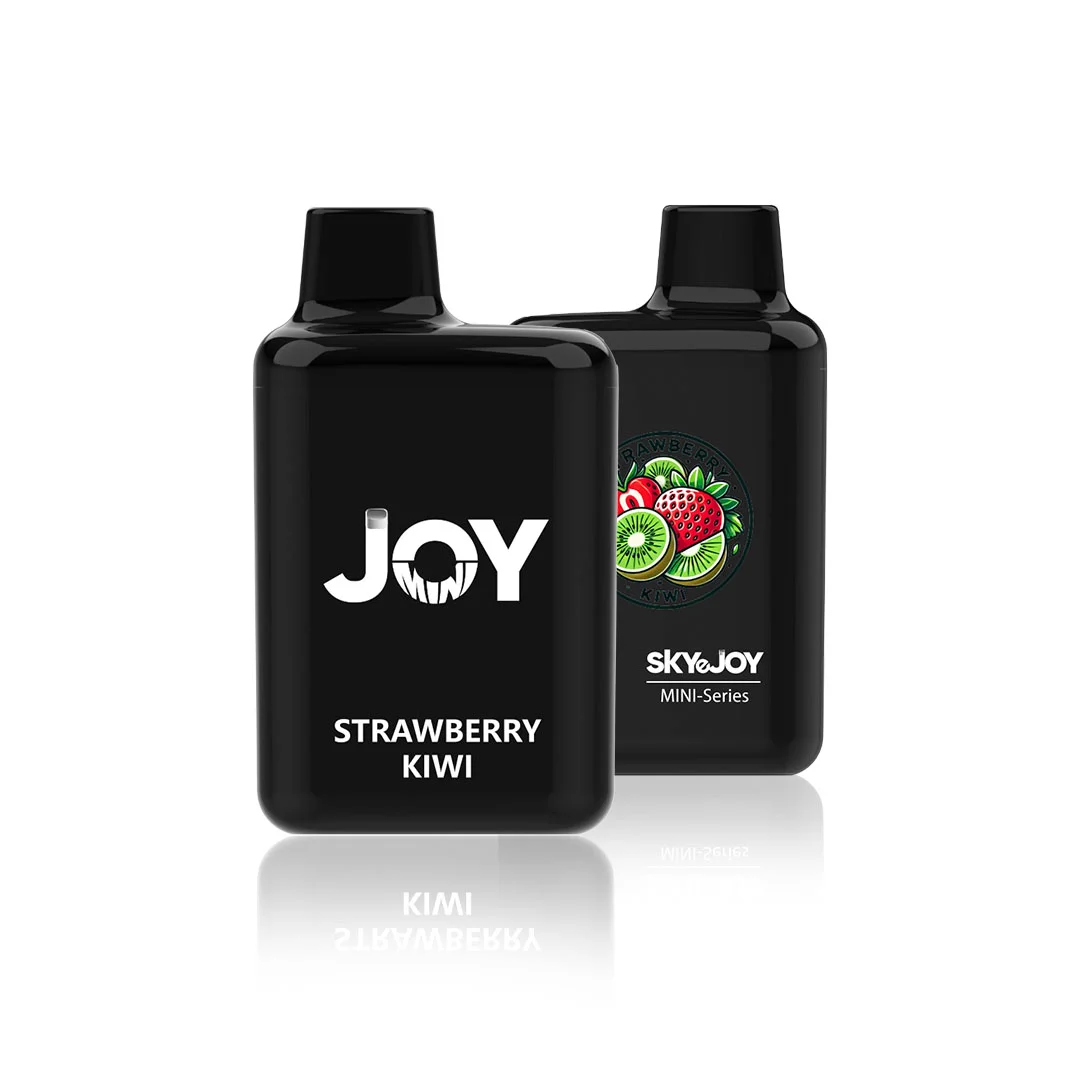
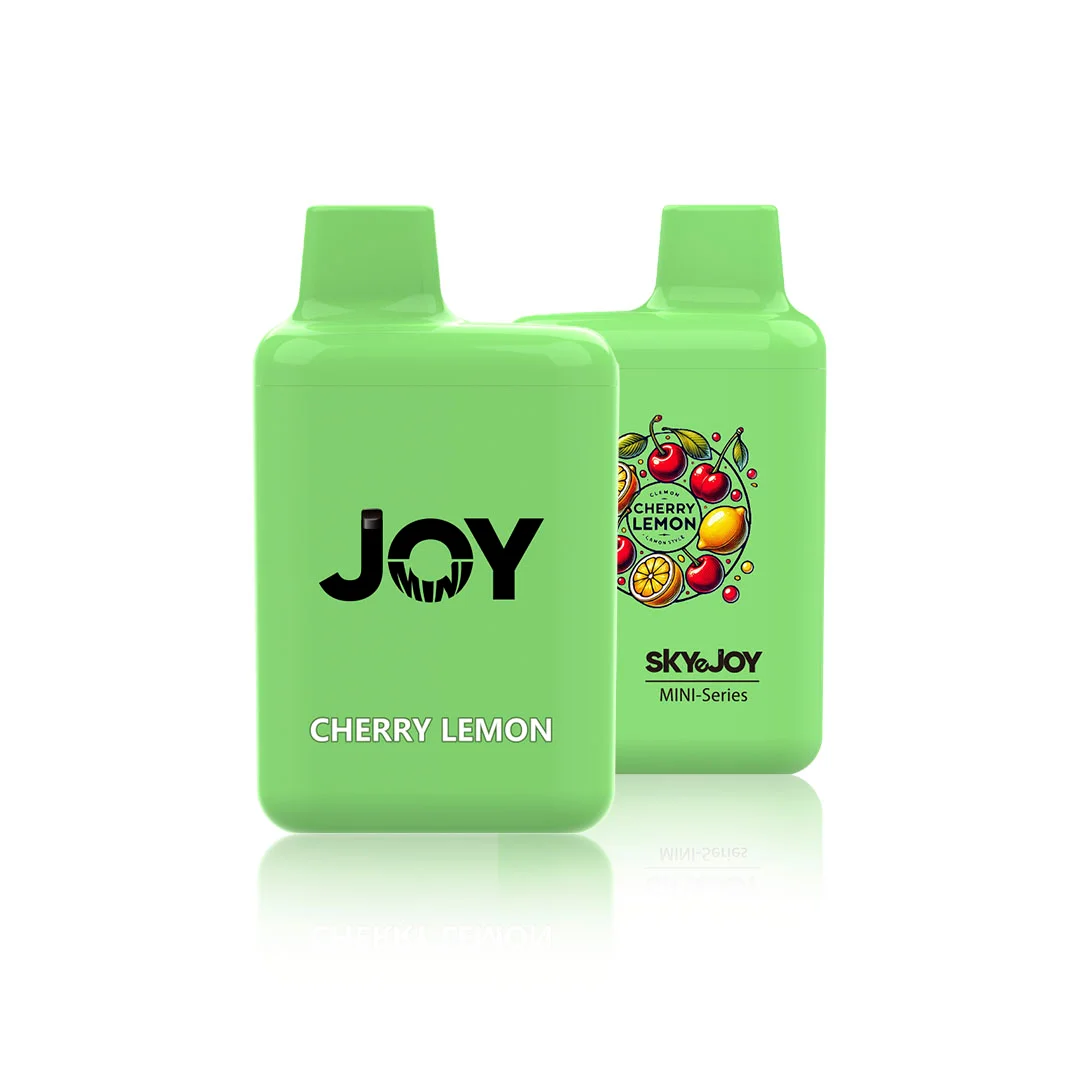
Joy Mini disposable vapes, for example, are designed for the Canadian market and comply with the 20 mg/mL cap. Popular flavour options like Strawberry Kiwi and Kiwi Passion Guava deliver satisfying nicotine at the legal limit.
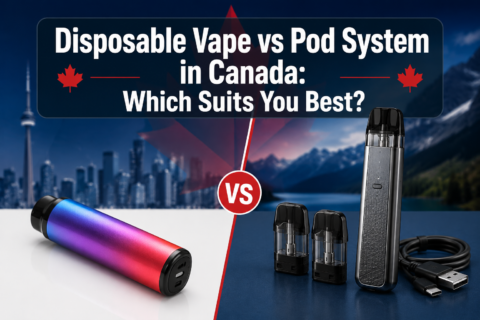
When comparing options, the choice between disposable vapes and pod systems often comes down to convenience versus long-term cost. Both formats work well at 20 mg/mL.
Are Disposable Vapes Affected by This New Nicotine Limit?
Yes. Disposable vapes are fully subject to the 20 mg/mL cap. Every pre-filled disposable device sold in Canada must contain e-liquid at or below 20 mg/mL nicotine concentration.
This has had a noticeable effect on the disposable market:
- High-nic disposables are gone from legal retail. Products that once advertised 50 mg/mL are either reformulated or no longer available.
- Puff counts have become more important. Because each puff delivers less nicotine than it would at higher concentrations, vapers tend to prefer disposables with higher puff counts (800+) to ensure the device lasts long enough.
- Device efficiency matters more. A well-designed disposable at 20 mg/mL can feel more satisfying than a poorly designed one at the same concentration. Coil quality, airflow design, and e-liquid formulation all play a role.
If you’re unsure how to tell when a disposable vape is near the end, watch for reduced vapour production, a change in flavour, or a blinking LED indicator.
How Does Canada’s Nicotine Cap Compare to Rules in the US and UK?
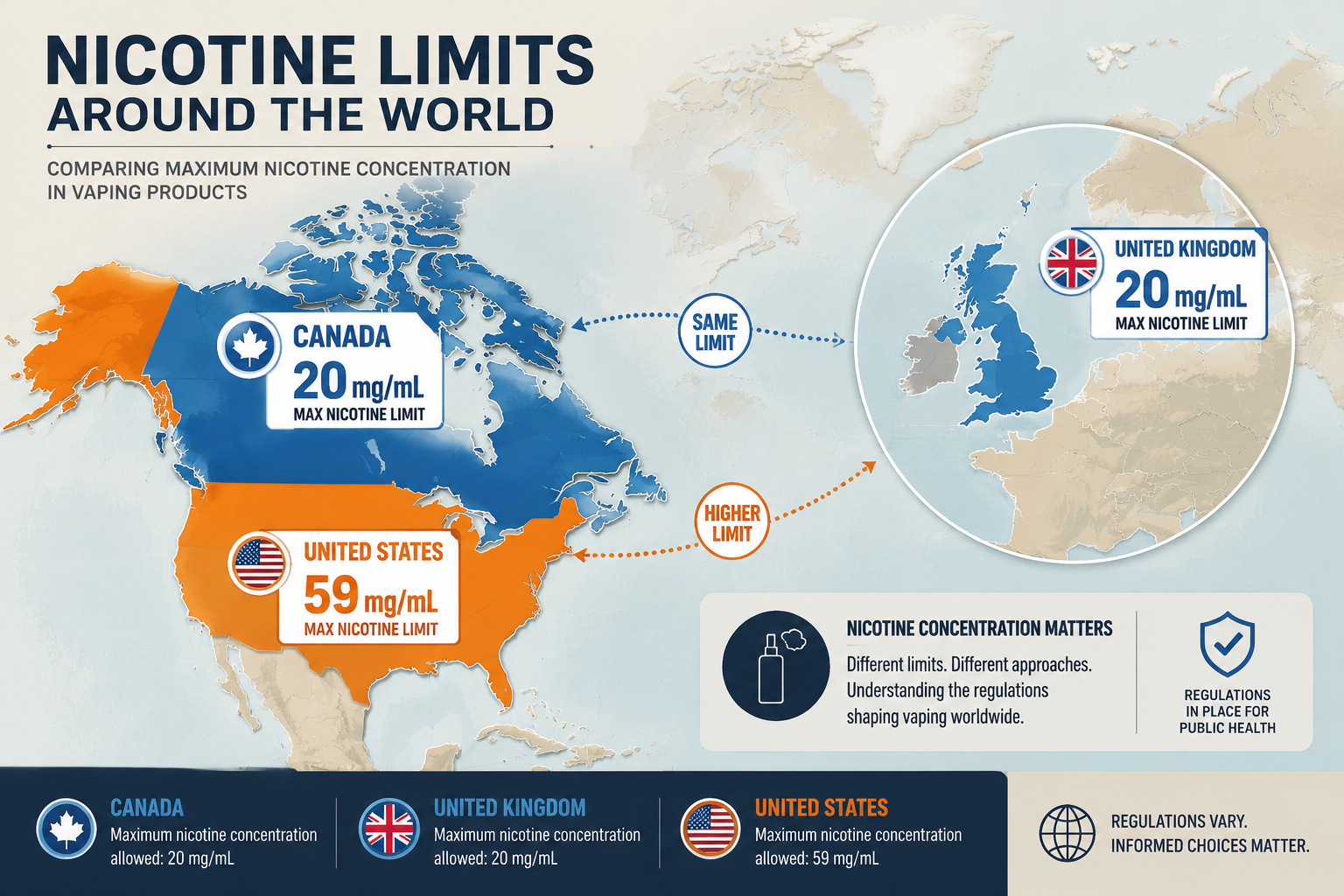
Canada’s 20 mg/mL limit sits in the middle of the global spectrum. Here’s how it stacks up:
| Country/Region | Maximum Nicotine Concentration | Year Implemented | Notes |
|---|---|---|---|
| Canada | 20 mg/mL | 2021 | Federal regulation under NCVPR |
| United Kingdom | 20 mg/mL | 2016 | Under EU Tobacco Products Directive (retained post-Brexit) |
| European Union | 20 mg/mL | 2016 | Tobacco Products Directive |
| United States | No federal cap (products up to ~59 mg/mL available) | N/A | FDA regulates marketing authorization, not concentration |
| Australia | Prescription-only for nicotine vapes | 2021 (updated 2024) | Nicotine vapes require a prescription |
Key takeaway: Canada and the UK share the same cap. The US has no equivalent federal limit, which is why American vape products often contain much higher nicotine levels. Australia takes the most restrictive approach by requiring a prescription for any nicotine-containing vape product.
For Canadian vapers who travel to the US and buy higher-strength products, be aware that importing them back into Canada is not legal under the NCVPR.
What Do Experienced Vapers Think About This New Regulation?
Opinions among experienced vapers are split, and the divide generally follows usage patterns.
Vapers who support the cap tend to say:
- 20 mg/mL is enough for daily satisfaction, especially with good hardware
- The cap reduces the risk of excessive nicotine dependence
- It brings Canada in line with UK and EU standards, which have worked well
- Youth protection is a legitimate goal
Vapers who oppose the cap tend to say:
- Heavy smokers switching to vaping need higher concentrations during the initial transition
- The cap pushes some users toward black-market products with unknown safety profiles
- Adults should be able to choose their own nicotine strength
- The regulation treats all vapers the same regardless of their reason for vaping
A practical middle ground: Many long-term vapers who initially disliked the cap report that they adjusted within a few weeks. The strongest criticism tends to come from vapers in the first days after switching down from 50 mg/mL, when the difference feels most noticeable.
For those still navigating the adjustment, understanding current vaping laws in Ontario and other provinces helps ensure you’re buying compliant products from legitimate retailers.
Compliance, Enforcement, and What Retailers Need to Know
Health Canada enforces the NCVPR through product testing, inspections, and penalties. Retailers and manufacturers face real consequences for non-compliance.
How enforcement works:
- Health Canada can test any vaping product using the ISO 20714 standard to verify nicotine concentration.
- Products found to exceed 20 mg/mL can be seized.
- Retailers who knowingly sell non-compliant products face fines under the Tobacco and Vaping Products Act.
- Manufacturers and importers bear primary responsibility for ensuring their products meet the standard before they reach store shelves.
What retailers should do:
- Verify that all suppliers provide compliant products with accurate labelling.
- Keep records of product sourcing and compliance documentation.
- Train staff to recognize non-compliant products (e.g., imported products with labels showing concentrations above 20 mg/mL).
- Stay current on provincial regulations, which may add flavour restrictions or other requirements on top of the federal cap.
Retailers looking for compliant wholesale options can explore wholesale disposable vape sourcing in Canada for guidance on legal requirements and margins.
Conclusion
The 20 mg/mL nicotine cap in Canada is a settled regulation that isn’t going away. Whether you’re a current vaper adjusting to lower concentrations or a smoker considering vaping as a quit tool, the practical path forward is clear.
Actionable next steps:
- Accept the 20 mg/mL ceiling and focus on optimizing your setup within it. Device choice and vaping technique matter more than raw nicotine concentration.
- Choose nicotine salt e-liquid if you want the fastest craving relief at the legal limit.
- Pick a well-designed device with good coil technology and appropriate airflow. MTL devices generally deliver the most satisfying experience at 20 mg/mL.
- Give yourself two weeks to adjust if you’re stepping down from a higher concentration. Most vapers report that cravings normalize within that window.
- Stay informed about provincial rules that may further restrict flavours or sales channels in your area.
- Avoid grey-market products that claim higher nicotine strengths. They carry legal and health risks that aren’t worth the trade-off.
The cap changes the numbers on the label, but it doesn’t eliminate vaping as a viable option for adult nicotine users in Canada. With the right product and a short adjustment period, 20 mg/mL works for the vast majority of vapers.
Frequently Asked Questions
Is the 20 mg/mL nicotine cap a federal or provincial rule? It’s a federal regulation under the Nicotine Concentration in Vaping Products Regulations (NCVPR), meaning it applies across all of Canada. Some provinces add their own rules on top of it, such as flavour bans.
When did the 20 mg/mL cap take effect? The regulation was established in July 2021 and has been in full effect since then.
Can I legally order higher-strength e-liquid from the United States? No. Importing vaping products that exceed 20 mg/mL into Canada violates federal regulations, regardless of where you purchased them.
Does the cap apply to nicotine salts and freebase nicotine equally? Yes. Both nicotine salt and freebase nicotine e-liquids are subject to the same 20 mg/mL maximum concentration.
Will I experience nicotine withdrawal if I switch from 50 mg/mL to 20 mg/mL? Some vapers experience mild withdrawal symptoms like irritability or increased cravings for the first few days. These typically subside within one to two weeks as your body adjusts.
Are zero-nicotine vapes affected by this regulation? No. The NCVPR specifically regulates nicotine concentration. Products containing 0 mg/mL nicotine are not subject to the cap, though they may still be subject to other vaping product regulations.
How can I verify that a product complies with the 20 mg/mL limit? Check the product label. All legally sold vaping products in Canada must display the nicotine concentration. If the label shows a number above 20 mg/mL, the product is non-compliant.
Do DIY e-liquid mixers have to follow the cap? The regulation applies to products manufactured or imported for sale. Personal mixing for private use occupies a grey area, but selling any DIY e-liquid above 20 mg/mL is illegal.
Is Canada likely to lower the cap further? There has been no official proposal to reduce the limit below 20 mg/mL as of mid-2026. However, Health Canada reviews vaping regulations periodically, so future changes are possible.
What’s the penalty for a retailer selling non-compliant products? Penalties can include product seizure, fines, and other enforcement actions under the Tobacco and Vaping Products Act. Specific fine amounts vary depending on the violation.
SEO Meta Title: 20 mg/mL Nicotine Cap in Canada: What Vapers Need to Know
SEO Meta Description: Learn how Canada’s 20 mg/mL nicotine cap affects vapers, disposable vapes, pricing, and smoking cessation. Complete 2026 guide with alternatives and tips.