


Last updated: August 25, 2026
Quick Answer
Ontario’s vape wholesale market in 2026 is shaped by tighter provincial regulations, a consumer shift toward disposables and closed-pod systems, and growing demand for low-nicotine and nicotine-free options. Retailers planning their next-quarter inventory should prioritize compliant disposable devices, nicotine salt pods in mint and menthol, and 0 mg product lines while reducing shelf space for box mods and unverified brands. Bill 125 (the proposed Smoke-Free Ontario Amendment Act) is poised to restrict vape sales primarily to specialty stores, making compliance-first wholesale partnerships more important than ever.
Key Takeaways
- Disposable vapes remain the fastest-growing device category, accounting for roughly one-third of Ontario’s vape users and driving the bulk of wholesale volume.
- Closed-pod systems are gaining share as repeat-purchase revenue generators, and retailers should stock leading pod ecosystems alongside disposables.
- Consumer demand is shifting toward 0 mg and low-nicotine products, so next-quarter assortments should include more reduced-nic options.
- Bill 125 may restrict vape sales to specialty stores, which would concentrate wholesale volume among compliant, licensed retailers.
- Convenience stores in Ontario are limited to mint, menthol, and tobacco flavors, while specialty vape shops can carry broader flavor assortments.
- Federal excise duties continue to rise, pushing up wholesale costs and making margin management a critical skill for retailers.
- Nicotine salt formulations dominate demand over freebase at the 20 mg/mL cap, especially in disposable and pod formats.
- Municipal licensing requirements are tightening, potentially slowing new store openings and benefiting established retailers.
- Wholesale distribution is consolidating around compliance-focused suppliers who can help retailers adjust assortments quickly.
- Box mods and advanced open systems are declining in mainstream demand and should occupy minimal shelf space for most retailers.
What Vape Products Are Selling Best in Ontario Right Now
Disposable vapes, closed-pod systems, and nicotine salt e-liquids are the three best-selling product categories in Ontario’s vape retail market as of mid-2026. Disposables lead in unit volume, while closed pods are growing fastest in dollar share among repeat buyers.
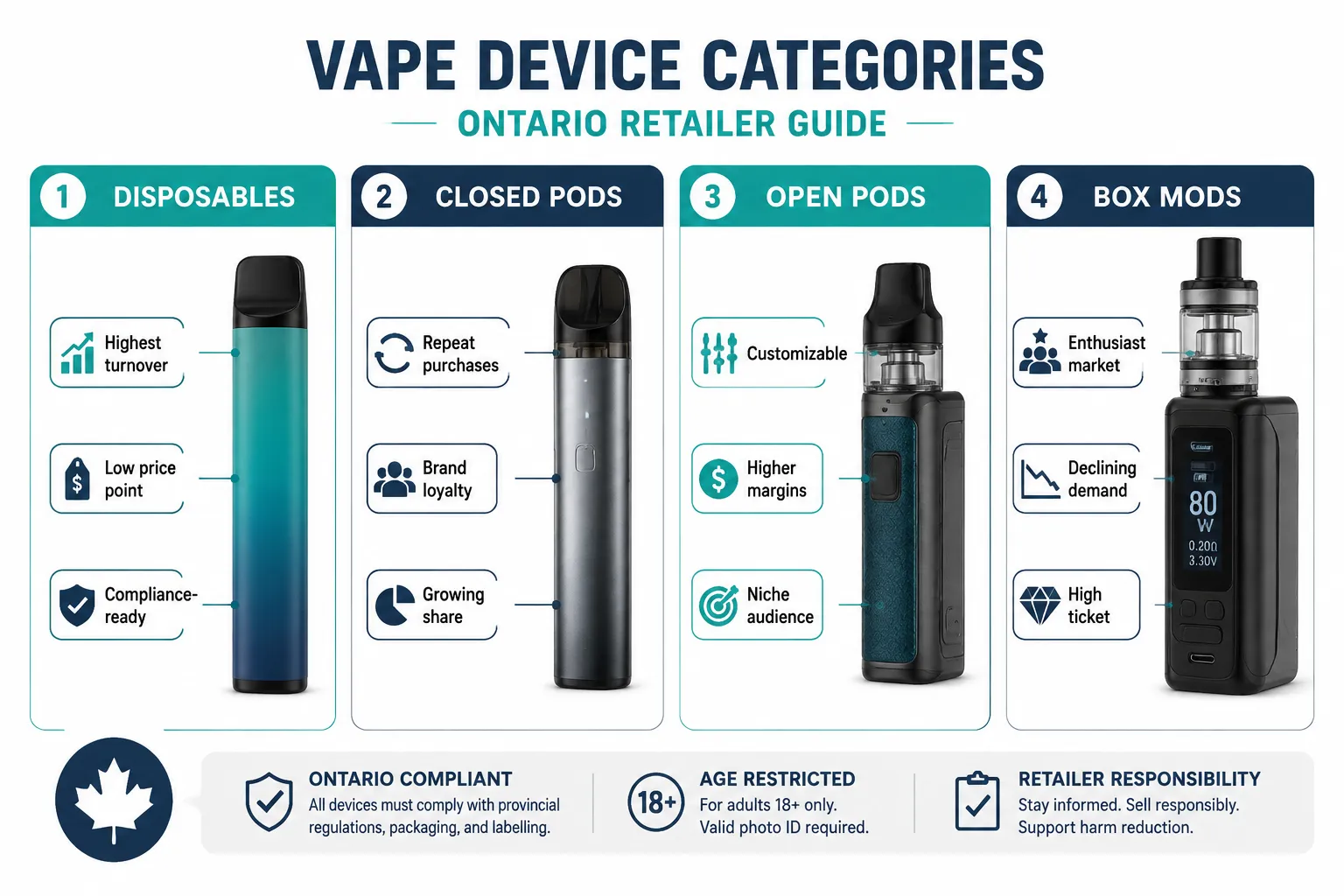
Here’s how the current product mix breaks down for a typical Ontario vape retailer:
| Product Category | Share of Sales (Estimate) | Trend Direction | Best Channel |
|---|---|---|---|
| Disposable vapes | ~35-40% of units | Stable to growing | All retail |
| Closed-pod systems | ~25-30% of units | Growing | Specialty stores |
| Nicotine salt e-liquids | ~15-20% of units | Stable | Specialty stores |
| Freebase e-liquids | ~5-10% of units | Declining | Specialty stores |
| Box mods and open tanks | ~5% of units | Declining | Specialty stores |
Decision rule: If a store’s floor space is limited, prioritize disposables and one or two closed-pod ecosystems. Add freebase liquids only if the customer base includes a meaningful number of experienced vapers who specifically request them.
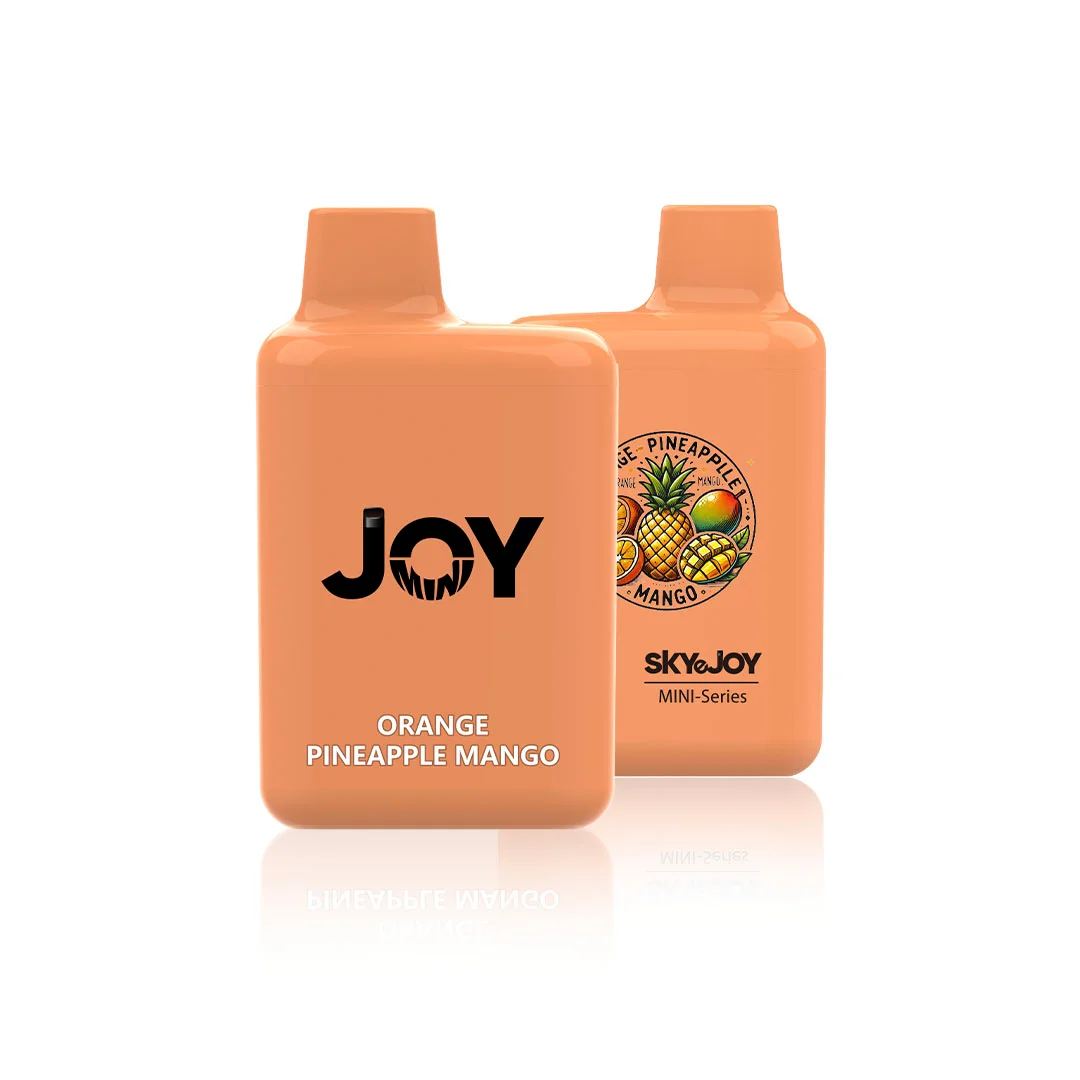
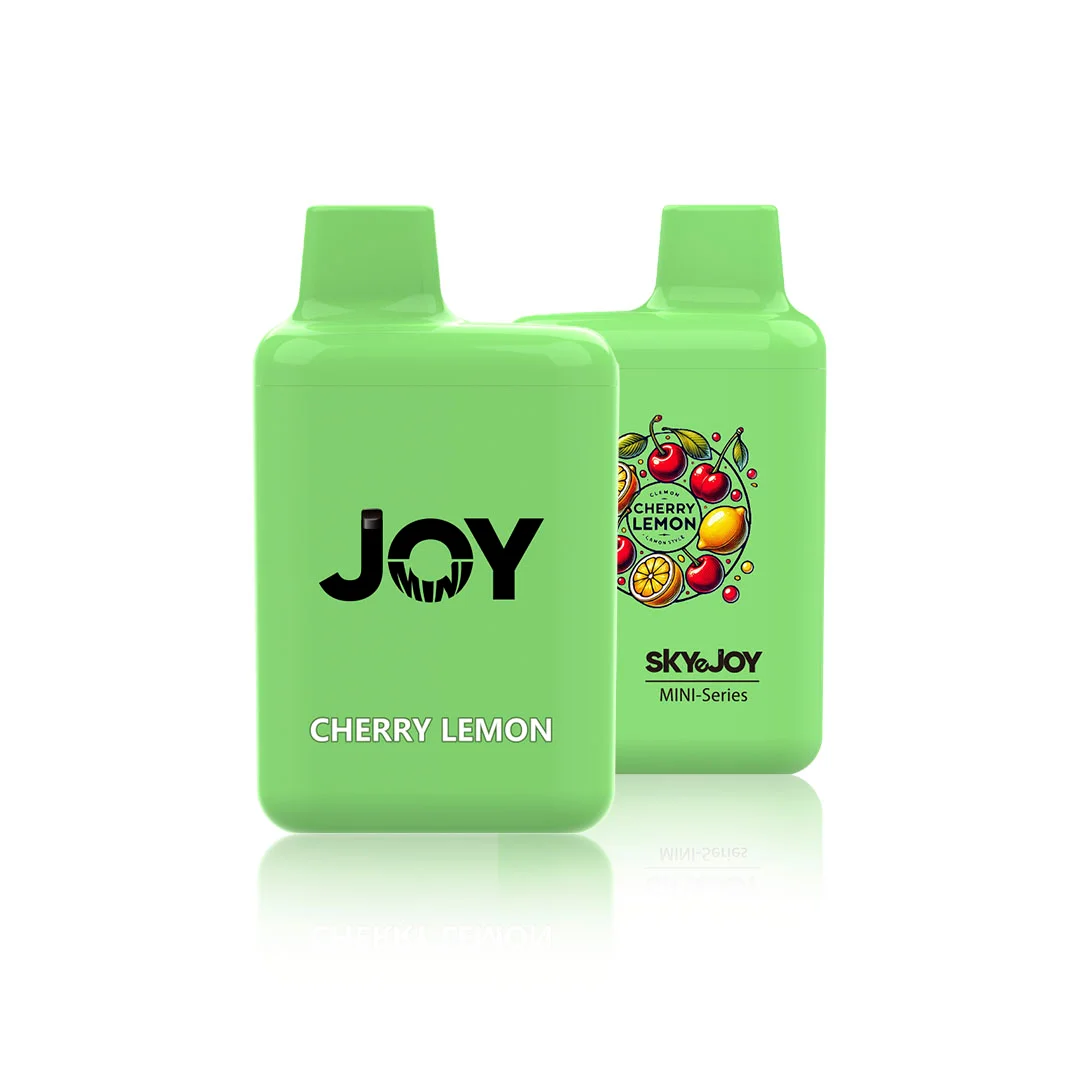
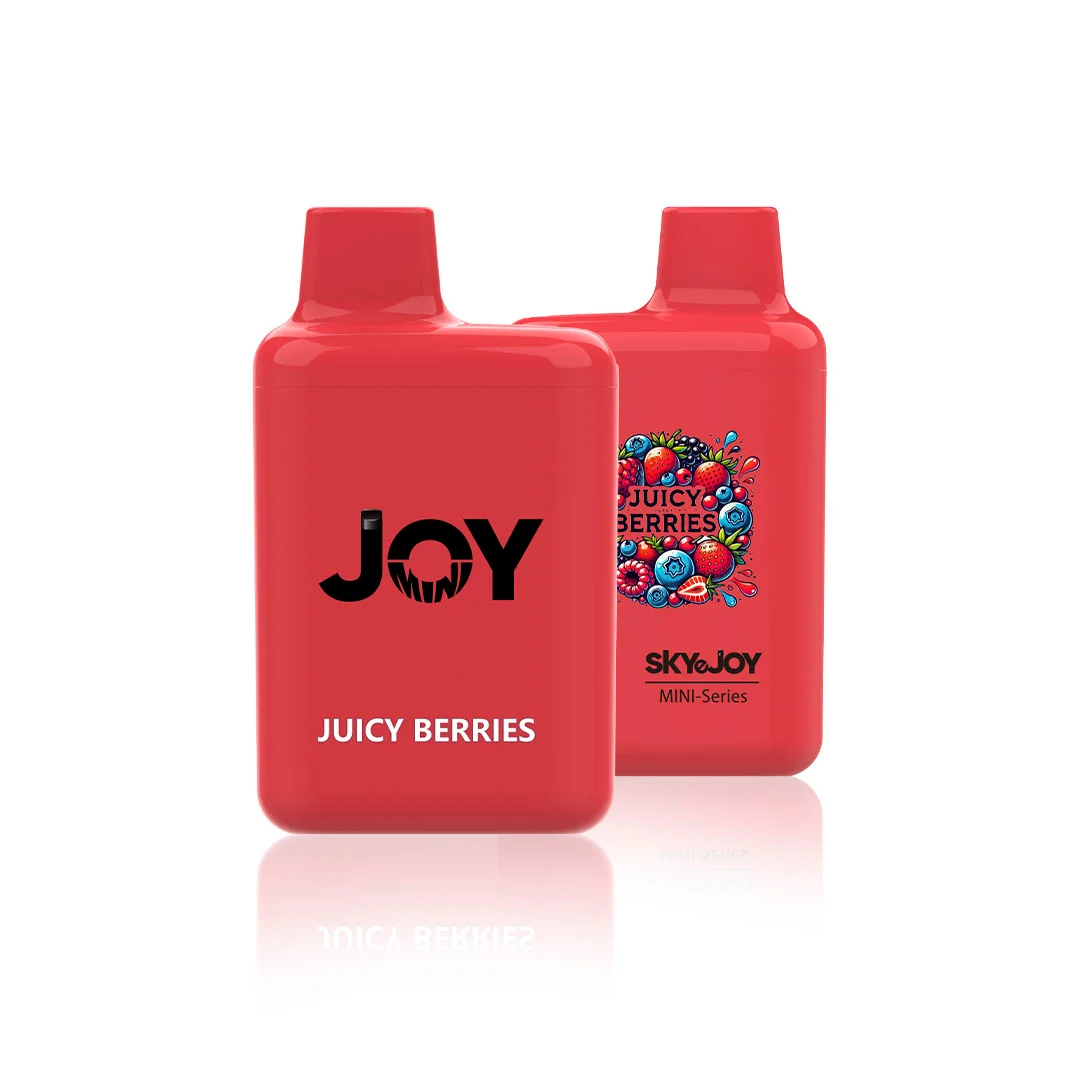
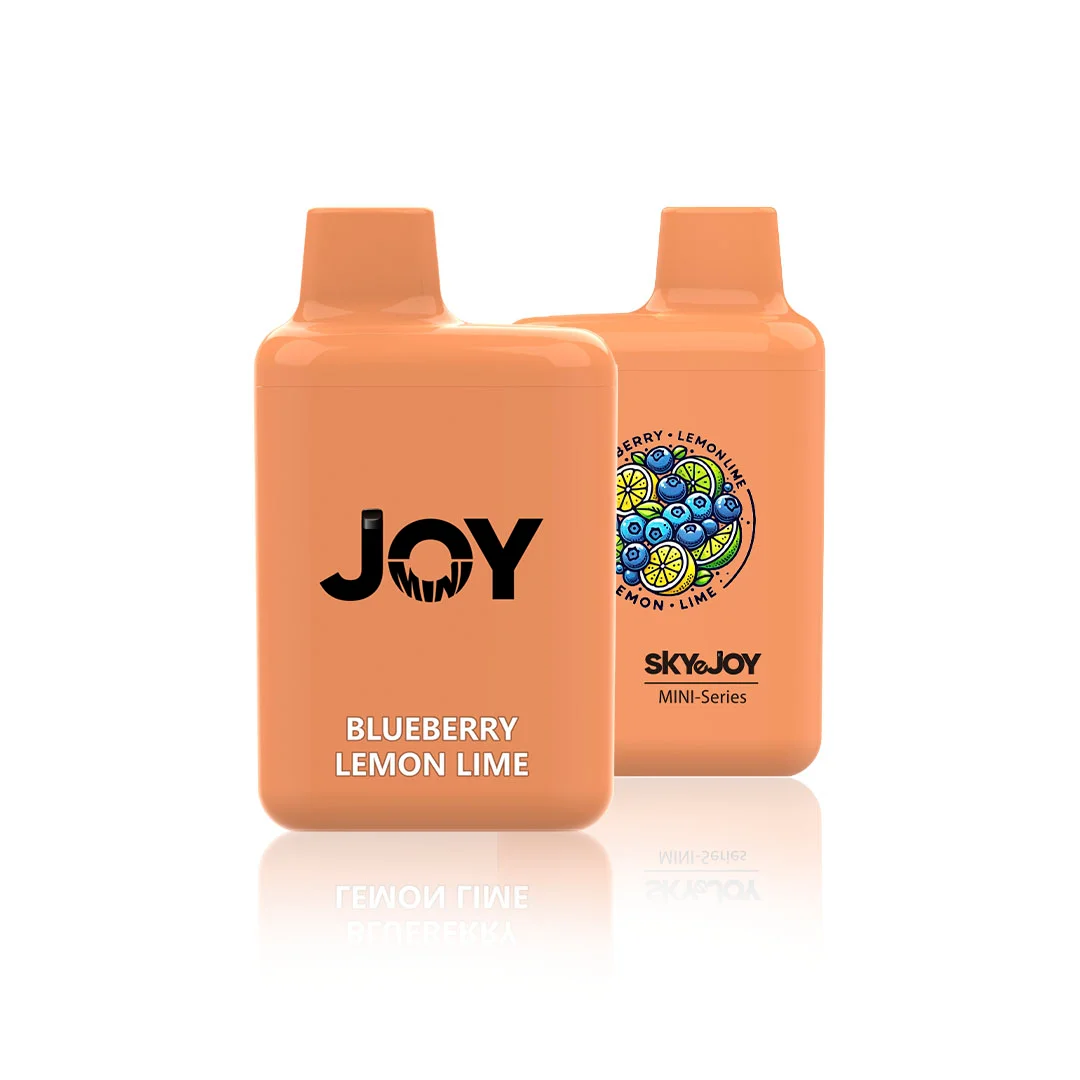
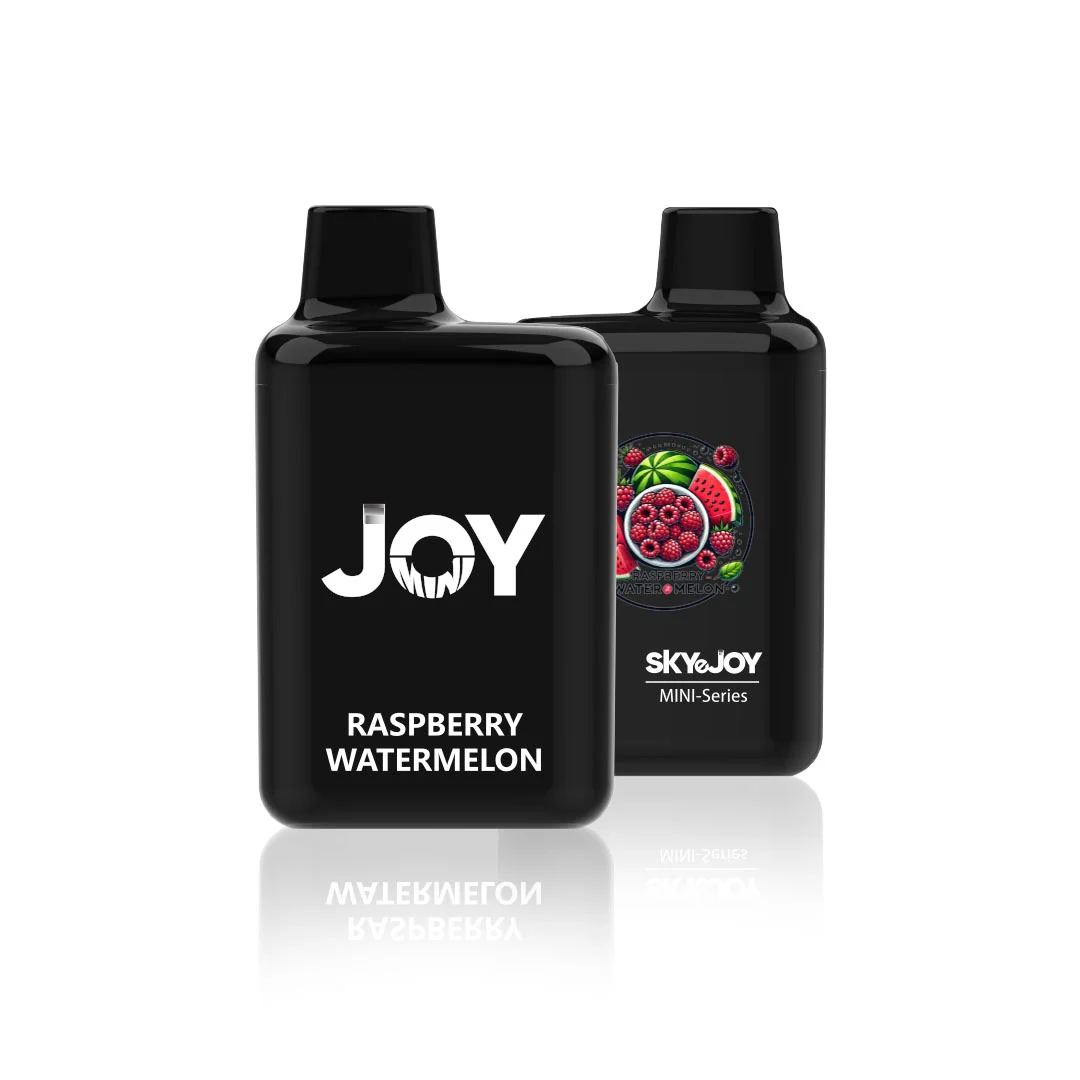
For a detailed look at disposable product options, see the wholesale disposable vapes collection at Joy Mini.
New Vape Flavors and Devices Trending This Year
The biggest flavor trends in Ontario for 2026 are tropical fruit blends, berry combinations, and iced or cooling variants. Device-wise, mid-range puff count disposables (2,500 to 5,000 puffs) and USB-C rechargeable disposables are the formats gaining the most traction.
Trending flavors for next quarter:
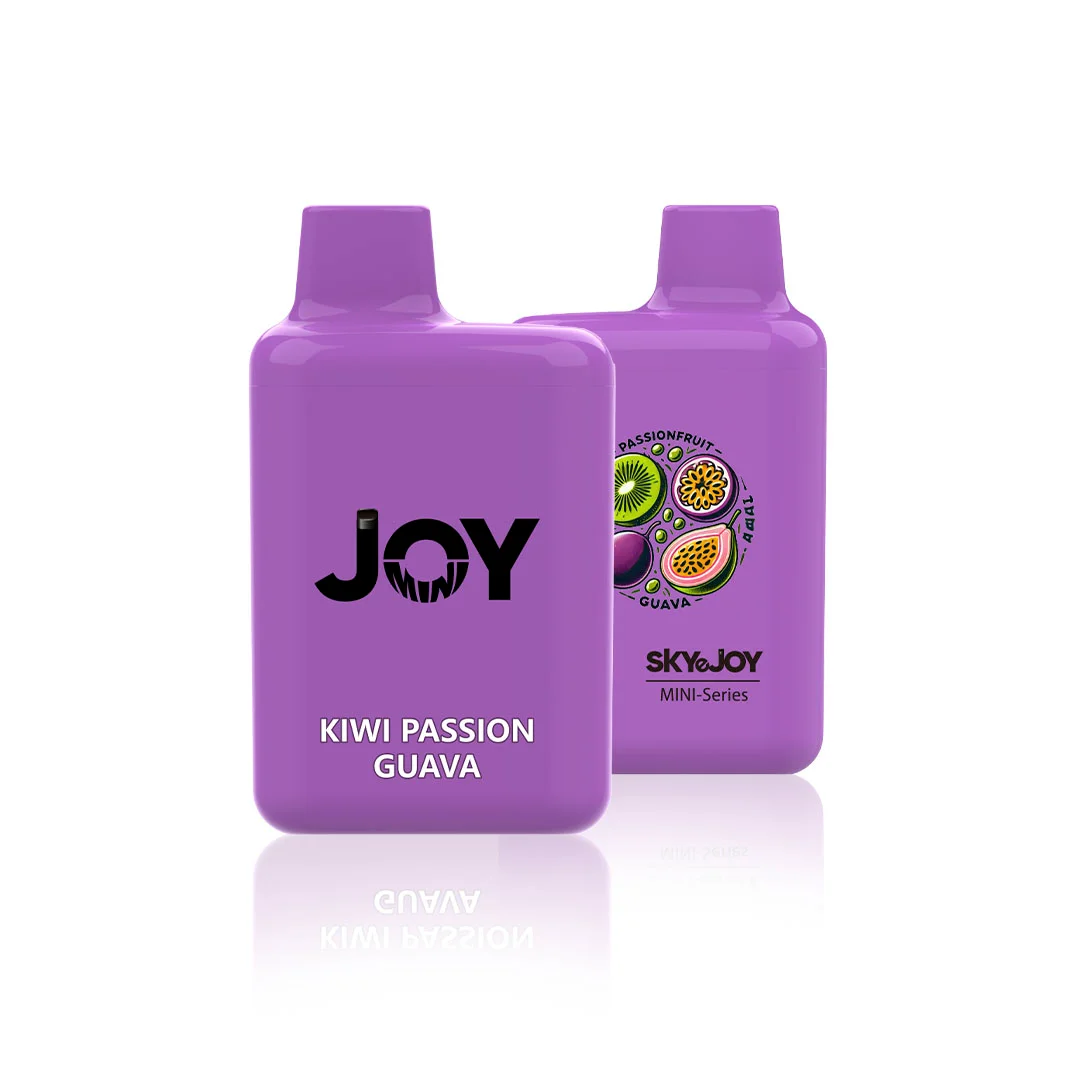
- Tropical fruit mixes, combinations like kiwi-passion-guava and orange-pineapple-mango are outselling single-fruit options
- Berry blends, raspberry watermelon and mixed berry profiles remain consistent sellers
- Iced/cooling versions, menthol-enhanced fruit flavors appeal to former menthol cigarette smokers
- Floral-fruit hybrids, rose grape and similar profiles are a growing niche
Trending device features:
- Mesh coil technology in disposables for more consistent flavor delivery
- Rechargeable disposables with USB-C ports, which reduce the waste complaint and extend device life
- Digital puff counters and battery indicators on mid-range devices
- Compact form factors that fit discreetly in a pocket
Common mistake: Stocking too many similar fruit flavors. Retailers often carry six or seven nearly identical berry options from different brands when they’d be better served by three strong berry SKUs and broader flavor diversity across categories.
Specialty vape shops have the advantage here because they can carry the full flavor spectrum. Convenience stores operating under Ontario’s flavor restrictions should focus on their permitted categories, mint, menthol, and tobacco are the only flavors allowed in Ontario convenience stores.
How Much Do Vape Wholesalers Charge in Ontario in 2026
Wholesale pricing in Ontario varies by product type, order volume, and supplier, but retailers should expect to pay between $4 and $9 per unit for disposable vapes at wholesale before excise and HST. Closed-pod starter kits typically wholesale for $12 to $25, with replacement pods running $8 to $15 per pack.
Key pricing factors:
- Federal excise duty adds a meaningful per-unit cost that has increased in recent years. This duty applies at the manufacturer or importer level and gets passed through to wholesale pricing.
- HST (13% in Ontario) applies on top of the wholesale price.
- Volume discounts typically kick in at 50+ units for disposables and can reduce per-unit cost by 10-20%.
- Shipping and minimum order thresholds vary by supplier, some offer free shipping above certain order values.
For a breakdown of how excise, GST/HST, and other line items affect real margins, see this guide on reading a vape wholesale invoice.
Edge case: Retailers near the US border sometimes see customers comparison-shopping across the border. Ontario wholesale prices are generally higher than US equivalents due to excise duties and the regulatory framework, but the products sold in Ontario must meet Canadian compliance standards, which is a selling point for safety-conscious customers.
Which Vape Brands Have the Highest Profit Margins for Retailers
Margins vary significantly by brand, but retailers in Ontario generally see the strongest percentage margins on mid-tier disposable brands and house-brand or white-label pod liquids. Premium international brands often carry lower percentage margins but higher dollar margins per unit.
General margin ranges for Ontario vape retailers:
- Budget disposables: 30-40% gross margin (high volume, lower dollar margin per unit)
- Mid-tier disposables: 35-50% gross margin (the sweet spot for most retailers)
- Premium disposables: 25-35% gross margin (brand recognition drives traffic)
- Closed-pod refills: 40-55% gross margin (repeat purchases make these very profitable over time)
- E-liquids (bottled): 45-60% gross margin (but slower turnover)
Decision rule: Stock one or two premium brands as traffic drivers, then fill the majority of shelf space with mid-tier brands that deliver better margins. Use closed-pod refill sales as a recurring revenue base.
For a deeper analysis of disposable vape margins specifically, see this breakdown of wholesale disposable vape margins for Ontario retailers.
What Are the Legal Restrictions on Vaping Products in Ontario
Ontario regulates vaping products through the Smoke-Free Ontario Act (SFOA), federal tobacco and vaping product legislation, and municipal bylaws. The core restrictions affect who can sell, what can be sold, and how products can be displayed.
Current key restrictions:
- Age requirement: Sales are restricted to adults aged 19 and older in Ontario.
- Nicotine cap: Canada’s federal limit is 20 mg/mL for nicotine concentration in vaping products.
- Flavor restrictions by channel: Convenience stores and gas stations may only sell mint, menthol, and tobacco-flavored vape products. Specialty vape stores can sell a broader range of flavors.
- Display rules: Vape products must be stored behind the counter or in areas not visible to minors. Specific display requirements vary by store type.
- Advertising: Promotion of vaping products is heavily restricted, especially anything that could appeal to youth.
- Excise stamps: All legally sold vaping products must carry the required federal excise stamp.
Bill 125, what retailers need to know:
Ontario’s proposed Smoke-Free Ontario Amendment Act (Bill 125, titled “Vaping is not for Kids”) would further restrict vape sales primarily to specialty vape stores. If passed, this would significantly reduce the number of retail outlets authorized to sell vaping products and concentrate wholesale volume among licensed specialty retailers.
For a full explanation of the current regulatory framework, see the Smoke-Free Ontario Act explained for vapers in 2026.
Common mistake: Assuming that compliance is a one-time setup. Ontario’s vape regulations are actively evolving, and retailers who don’t monitor legislative changes risk stocking non-compliant products or losing their authorization to sell.
How to Find Reliable Vape Wholesale Suppliers in Ontario
The most reliable vape wholesale suppliers in Ontario are compliance-focused distributors who carry excise-stamped products, offer consistent stock availability, and provide transparent invoicing that breaks out all duties and taxes.
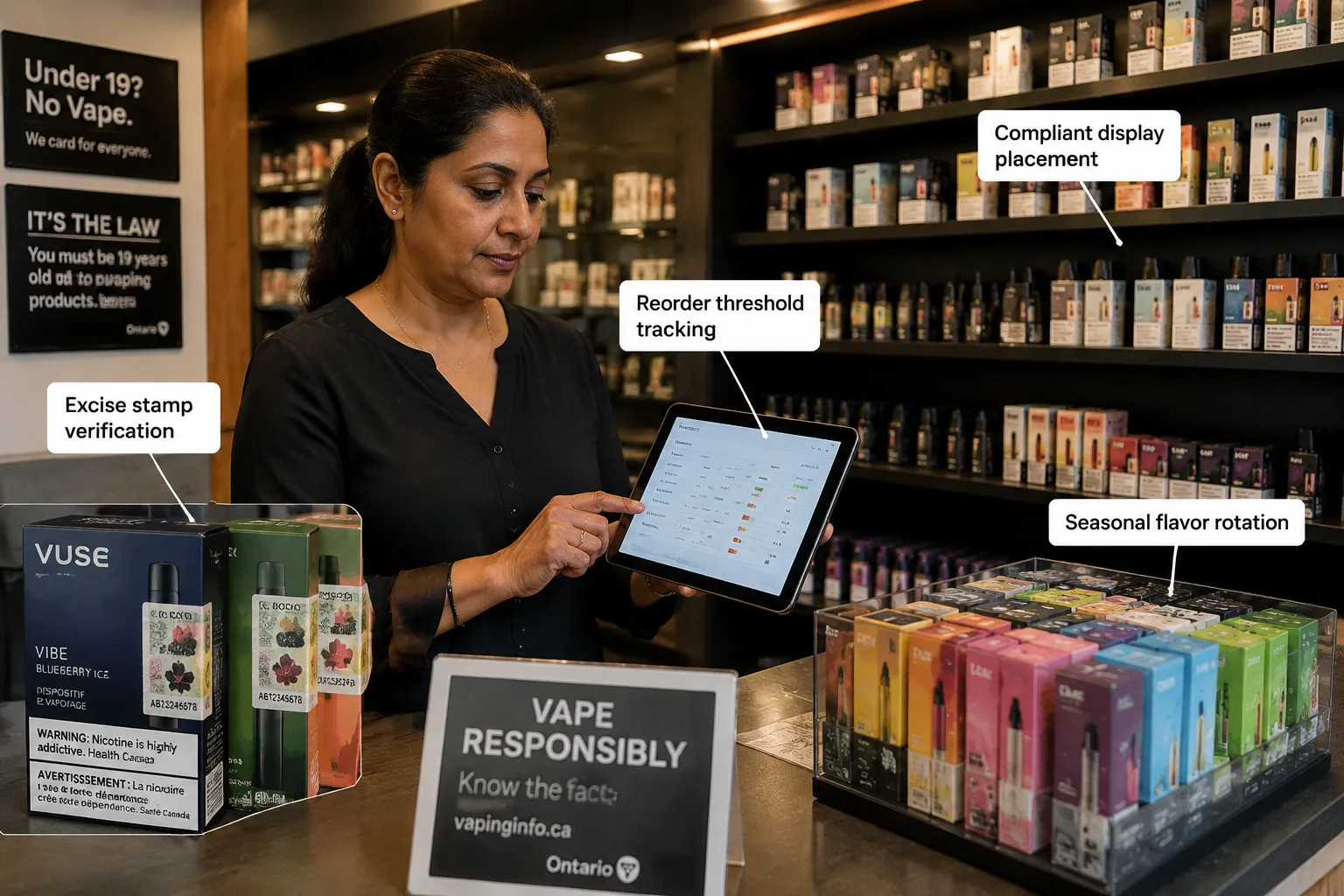
What to look for in a supplier:
- Compliance documentation, the supplier should provide proof that all products meet federal excise requirements and provincial regulations
- Consistent inventory, suppliers who frequently run out of popular SKUs cause lost sales
- Transparent pricing, invoices should clearly separate product cost, excise duty, and HST
- Flexible order minimums, especially important for smaller retailers testing new products
- Return and defect policies, understand the supplier’s process for handling defective units
- Delivery speed and reliability, particularly important for GTA retailers who need fast restocking
Ontario’s wholesale distribution ecosystem is consolidating around a smaller number of large, compliance-focused distributors. This consolidation actually benefits retailers because these suppliers tend to have better stock management, faster delivery, and stronger compliance support.
For a checklist of what to evaluate, see the guide on choosing the best wholesale vape supplier in Ontario. Retailers in the Greater Toronto Area specifically should also review the criteria for vape wholesale suppliers in the GTA.
Decision rule: Choose a primary supplier who covers 70-80% of inventory needs reliably, then maintain a secondary supplier for specialty items or backup stock during high-demand periods.
Are Disposable Vapes or Refillable Devices More Popular With Customers
Disposable vapes are more popular by unit volume in Ontario, accounting for roughly one-third of all vape users and an even larger share of retail transactions. However, refillable devices (particularly closed-pod systems) generate more revenue per customer over time due to repeat pod and liquid purchases.
Disposables win on:
- First-time buyer appeal (no setup, no learning curve)
- Impulse purchases
- Lower upfront cost
- Convenience store suitability
Refillable/pod systems win on:
- Customer lifetime value
- Per-puff cost for the consumer
- Environmental perception
- Repeat purchase revenue for the retailer
The smart stocking strategy: Carry both, but weight the mix based on store type. A convenience store should lean 70-80% disposable. A specialty vape shop should aim for a 50/50 or even 40/60 split favoring refillable systems, because the repeat business from pod and liquid refills builds a more stable revenue base.
For a detailed comparison of these two formats from a consumer perspective, see this disposable vape vs pod system comparison.
What Inventory Mistakes Do Vape Retailers Make
The most common inventory mistakes Ontario vape retailers make are over-ordering trendy SKUs, under-stocking staple flavors, ignoring expiration and compliance dates, and failing to track sell-through rates at the SKU level.
Top inventory mistakes to avoid:
Over-ordering new or hyped products, A new flavor or device generates buzz, the retailer orders heavily, and then demand stabilizes at a fraction of the initial spike. Start with small test orders for new SKUs.
Under-stocking proven sellers, Running out of a top-five SKU costs more in lost sales than the carrying cost of keeping extra stock on hand. Track which products consistently sell and maintain buffer inventory.
Ignoring product shelf life, Vape liquids and pre-filled devices have shelf lives. Stock that sits too long can degrade in quality, leading to customer complaints and returns.
Not tracking margins at the SKU level, A product that sells well but has a 15% margin is less valuable than a moderate seller with a 45% margin. Track both volume and margin.
Carrying too many brands of the same product type, Five different brands of 5,000-puff mango disposables don’t serve the customer better than two strong options. Consolidate to reduce dead stock.
Failing to plan for regulatory changes, Stocking large quantities of products that may become non-compliant under pending legislation (like Bill 125) creates financial risk.
Seasonal blindness, Demand patterns shift seasonally. Menthol and cooling flavors spike in summer; richer, dessert-type flavors may see modest increases in winter.
For a more detailed framework on managing vape stock efficiently, see the guide on vape inventory management for small Ontario retailers.
Nicotine Salt vs Freebase Vape Demand in 2026
Nicotine salt formulations dominate consumer demand in Ontario in 2026, particularly in the disposable and closed-pod categories. Freebase nicotine still has a market, but it’s shrinking and is now primarily purchased by experienced vapers using open-tank systems.
Why nicotine salts are winning:
- Smoother throat hit at higher nicotine concentrations (up to the 20 mg/mL Canadian cap)
- Better suited to the low-wattage devices that dominate the market (disposables and pods)
- Faster nicotine satisfaction, which appeals to smokers transitioning to vaping
- Nearly all disposable vapes use nicotine salt formulations
Where freebase still matters:
- Sub-ohm and high-wattage devices (box mods with open tanks)
- Vapers who prefer lower nicotine concentrations (3 mg/mL or 6 mg/mL)
- Cloud-chasing enthusiasts (a small but dedicated segment)
Stocking recommendation: Allocate 75-85% of nicotine liquid inventory to salt-based products and 15-25% to freebase, unless the store specifically caters to an enthusiast community.
Growing trend: The demand for 0 mg (nicotine-free) products is increasing noticeably. Some consumers are stepping down their nicotine intake, while others simply enjoy the flavors and the hand-to-mouth habit without nicotine. Next-quarter assortments should include at least a small selection of 0 mg options in both disposable and bottled formats.
How Often Should Retailers Restock Vape Products
Most Ontario vape retailers should restock their core SKUs every one to two weeks, with a full inventory review and reorder cycle happening monthly. High-traffic stores in the GTA may need twice-weekly restocking for top sellers.
Restocking cadence by product type:
| Product Type | Suggested Restock Frequency | Notes |
|---|---|---|
| Top 10 disposable SKUs | Weekly or twice weekly | These drive the majority of transactions |
| Closed-pod refills | Every 1-2 weeks | Track by flavor; some move faster |
| Bottled e-liquids | Every 2-4 weeks | Slower turnover, longer shelf life |
| Hardware (devices, kits) | Monthly | Lower volume, higher per-unit value |
| Accessories (coils, chargers) | Monthly | Stock based on installed device base |
Best practice: Set reorder points for each SKU based on average weekly sales plus a safety buffer of 20-30%. When stock hits the reorder point, place the order immediately rather than waiting for the next scheduled review.
Seasonal adjustment: Increase order quantities by 15-25% heading into summer months (May through August), when foot traffic and vape consumption tend to peak. Reduce slightly in January and February when consumer spending typically dips.
What Age Group Buys the Most Vapes in Ontario
Adults aged 20 to 34 represent the largest purchasing demographic for vaping products in Ontario. Within that range, the 20-to-24 age group shows the highest usage rates, while the 25-to-34 group often spends more per transaction.
Key demographic insights for Ontario retailers:
- Ages 20-24: Highest adoption rate, price-sensitive, prefer disposables and trendy flavors, strong brand awareness through social circles
- Ages 25-34: Largest spending segment, more likely to use pod systems and buy refills regularly, increasingly interested in low-nicotine options
- Ages 35-44: Growing segment, often former smokers transitioning to vaping, tend to prefer simpler devices and familiar flavors (menthol, tobacco)
- Ages 45+: Smallest vape-purchasing group but growing slowly, almost exclusively former or current smokers, strong preference for straightforward products
Stocking implication: A store near a university campus should lean heavily into disposables, trending flavors, and competitive pricing. A store in a suburban area with an older demographic should emphasize pod systems, menthol/tobacco flavors, and the smoking-cessation angle.
All sales in Ontario require age verification, the legal minimum purchase age is 19. Retailers must verify age at point of sale without exception.
Are Pod Systems or Box Mods Selling Better Right Now
Pod systems are significantly outselling box mods in Ontario in 2026. The gap has widened steadily over the past three years, and box mods now represent a small fraction of overall device sales outside of dedicated enthusiast shops.
Pod systems are winning because:
- Simpler to use with no coil-building or wattage adjustment
- More portable and discreet
- Lower upfront cost
- Better flavor consistency with pre-filled pods
- Manufacturers are investing heavily in pod ecosystem development
Box mods still sell to:
- Long-time vapers who prefer customizable experiences
- Cloud enthusiasts
- Vapers who want the lowest possible per-puff cost through rebuildable atomizers
Recommendation for most retailers: Carry one or two box mod kits and a basic selection of compatible coils and tanks for the enthusiast segment, but don’t dedicate significant shelf space or capital to this category. The growth is in pods and disposables.
How to Compete With Big Box Retailers on Vape Pricing
Independent Ontario vape retailers can’t win a pure price war against large chains, but they can compete effectively through product expertise, curated selection, exclusive or niche brands, and superior customer service.
Practical strategies:
- Curate rather than compete on breadth. Big box stores carry a generic selection. Independent retailers can stock niche flavors, emerging brands, and specialty products that chains don’t carry.
- Bundle products. Offer a starter kit with a device plus two pod packs at a slight discount. This increases average transaction value while giving the customer perceived savings.
- Build a loyalty program. Even a simple punch card (buy 10 pod packs, get one free) creates repeat visits.
- Leverage expertise. Staff who can explain products, recommend based on preferences, and troubleshoot issues create value that a self-serve big box shelf cannot.
- Negotiate wholesale pricing aggressively. Smaller retailers can sometimes access better per-unit pricing by committing to larger orders of fewer SKUs rather than small orders across many products.
- Offer online ordering with local pickup or delivery. This competes with the convenience factor of big box locations.
Edge case: Retailers in smaller Ontario cities and towns often face less big box competition on vape products specifically. In these markets, being the go-to local vape shop with knowledgeable staff and reliable stock is a strong competitive position.
What Vape Products Should Retailers Avoid Stocking in Ontario
Retailers should avoid stocking any product that lacks proper federal excise stamps, exceeds the 20 mg/mL nicotine cap, comes from unverified or grey-market suppliers, or falls outside the flavor restrictions for their store type.
Specific categories to avoid or approach with caution:
- Products without excise stamps, Selling these is illegal and can result in significant fines, product seizure, and loss of retail authorization.
- Products exceeding 20 mg/mL nicotine, Non-compliant with federal regulations regardless of what the manufacturer claims.
- Flavored products in convenience stores, If the store is not a specialty vape shop, only mint, menthol, and tobacco flavors are permitted.
- Brands with no Canadian distributor or compliance documentation, These products may not meet Canadian safety standards and create liability risk.
- Excessively high puff-count devices from unknown manufacturers, Devices claiming 10,000+ puffs from brands with no track record often have quality control issues and higher defect rates.
- Products with youth-appealing packaging, Even if technically legal, products with cartoon characters, candy-like branding, or packaging that mimics children’s products invite regulatory scrutiny and community backlash.
- Large quantities of any single trendy SKU, Trend-driven products can lose momentum quickly. Test with small orders before committing.
Bottom line: Every product on the shelf should be verifiably compliant, from a known supplier, and backed by documentation that can withstand a regulatory inspection.
Vape Wholesale Trends in Ontario for 2026: What Retailers Should Stock Next Quarter, Predictions for Q4
The final quarter of 2026 will likely be defined by cautious assortment expansion, a stronger shift toward specialty-store-focused distribution, and increased emphasis on compliance infrastructure.
Q4 2026 stocking priorities:
- Expand 0 mg and low-nicotine options, Consumer demand for reduced-nicotine products is growing. Allocate 10-15% of new orders to this category.
- Increase closed-pod system inventory, Pod ecosystems are building loyal customer bases. Stock the top two or three pod platforms and their full refill range.
- Maintain strong disposable assortment, Disposables remain the volume driver. Focus on mid-range puff counts (2,500-5,000) with rechargeable batteries.
- Add sustainable/recyclable device options, Environmental concerns are growing among consumers. Brands offering take-back programs or recyclable components have a marketing advantage.
- Prepare for Bill 125 implications, Even if the legislation hasn’t passed by Q4, retailers should be positioning their businesses as compliant specialty operations.
- Stock seasonal flavors strategically, As fall arrives, consider shifting some inventory toward richer, warmer flavor profiles while maintaining cooling/menthol staples.
FAQ
What is the minimum age to buy vaping products in Ontario? The legal minimum age to purchase vaping products in Ontario is 19. Retailers must verify age at every transaction and can face penalties for selling to minors.
Can convenience stores sell flavored vapes in Ontario? Convenience stores and gas stations in Ontario are restricted to selling mint, menthol, and tobacco-flavored vaping products. Only specialty vape stores can sell the broader range of flavors.
What is the nicotine limit for vape products in Canada? Canada’s federal nicotine concentration limit for vaping products is 20 mg/mL. Products exceeding this limit are non-compliant and cannot be legally sold.
How does Bill 125 affect vape retailers in Ontario? Bill 125, the proposed Smoke-Free Ontario Amendment Act (“Vaping is not for Kids”), would restrict vape sales primarily to specialty vape stores. If passed, convenience stores and gas stations would lose the ability to sell most or all vaping products.
Do all vape products in Ontario need excise stamps? Yes. All vaping products legally sold in Canada must carry the required federal excise stamp. Products without stamps are considered contraband and selling them carries significant penalties.
What vape products have the best margins for retailers? Closed-pod refills and mid-tier disposable vapes typically offer the best combination of margin percentage and sales volume. Bottled e-liquids have high percentage margins but slower turnover.
How do I verify a wholesale vape supplier is legitimate? Check that the supplier provides excise-stamped products, transparent invoicing with duty and tax breakdowns, proper business registration, and references from other Ontario retailers. Compliance documentation should be available on request.
Are cannabis vape products part of this market? Cannabis vape products (510 cartridges and similar formats) are sold through Ontario’s legal cannabis retail channel, not through traditional vape wholesale. They represent a separate but growing market opportunity for licensed cannabis retailers.
Should I stock box mods in 2026? Only if the store serves a meaningful enthusiast customer base. For most Ontario vape retailers, box mods represent a small and declining share of sales. One or two options is sufficient for general retail.
What happens if I’m caught selling non-compliant vape products? Penalties can include fines, product seizure, and potential loss of retail authorization. Ontario enforcement has been increasing, and the financial risk of non-compliance far outweighs any short-term margin gain from grey-market products.
Is the Ontario vape market still growing? The market is growing slowly but remains sizable. Traditional cigarette sales continue to decline while smoke-free alternatives, including vaping, grow at a modest pace. The market supports cautious inventory expansion rather than aggressive scaling.
How do I handle vape product returns? Return policies for vaping products in Ontario vary by retailer. Due to health and safety regulations, most retailers do not accept returns on opened or used products. Establish a clear, posted return policy and work with wholesale suppliers who have reasonable defect replacement processes.
Conclusion
Understanding vape wholesale trends in Ontario for 2026 and what retailers should stock next quarter comes down to three priorities: compliance, customer demand data, and margin discipline.
Actionable next steps for Ontario vape retailers:
- Audit current inventory against the product mix recommendations above. Identify SKUs that are underperforming or at risk of non-compliance.
- Place a test order for 0 mg and low-nicotine products if the store doesn’t currently carry them. Start small and track demand.
- Review wholesale supplier relationships. Ensure the primary supplier offers compliant products, transparent invoicing, and reliable delivery. Consider the Joy Mini wholesale program for Ontario retailers as a potential partner.
- Monitor Bill 125 developments and begin positioning the business as a compliant specialty operation if it isn’t already.
- Set up SKU-level tracking for both volume and margin. Make restocking decisions based on data, not gut feeling.
- Plan Q4 orders by mid-September to ensure stock arrives before any seasonal demand increases.
The Ontario vape retail market rewards retailers who stay ahead of regulatory changes, stock what customers actually want, and maintain tight inventory discipline. The next quarter is an opportunity to refine the product mix, strengthen supplier relationships, and build the compliance infrastructure that will matter even more in 2027.