
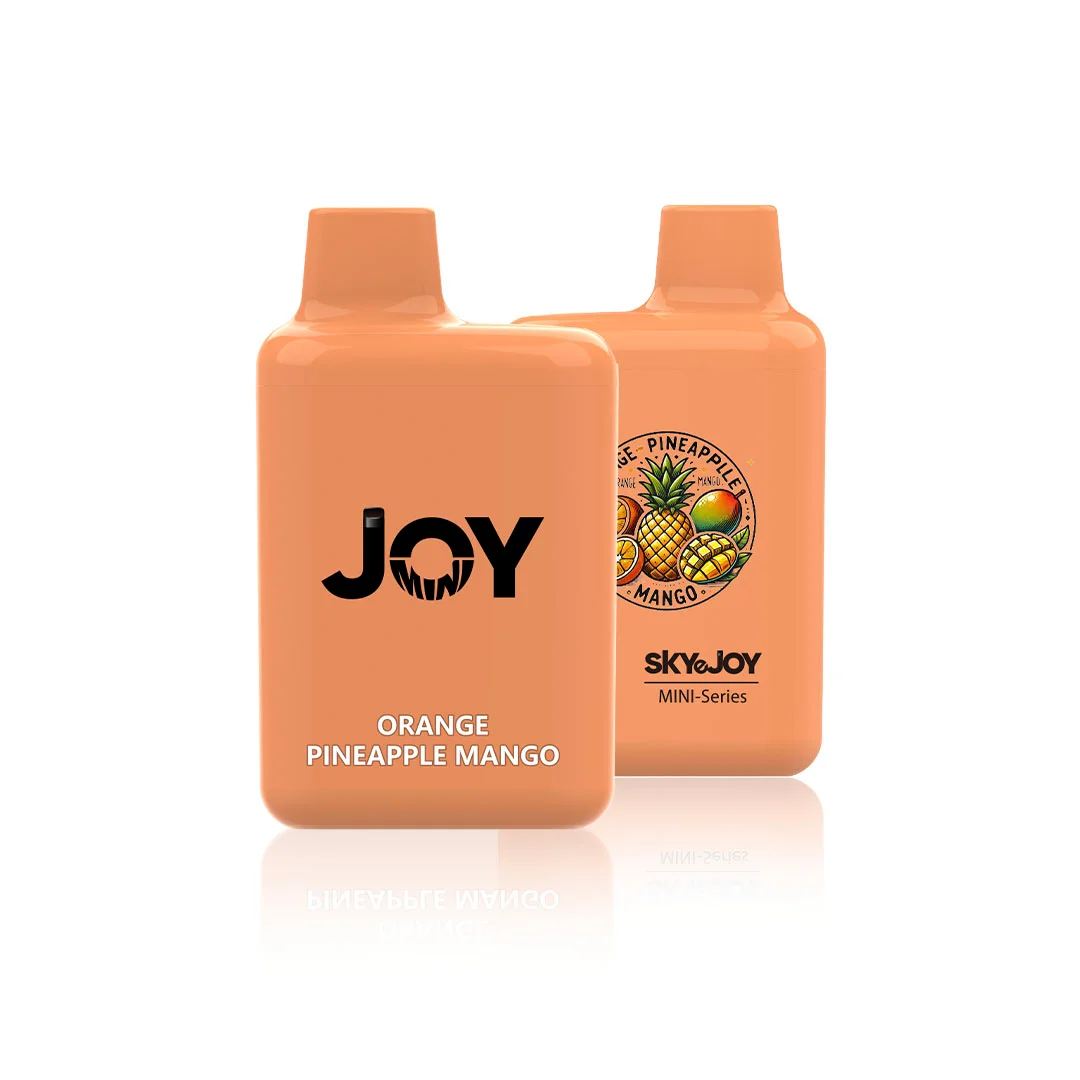
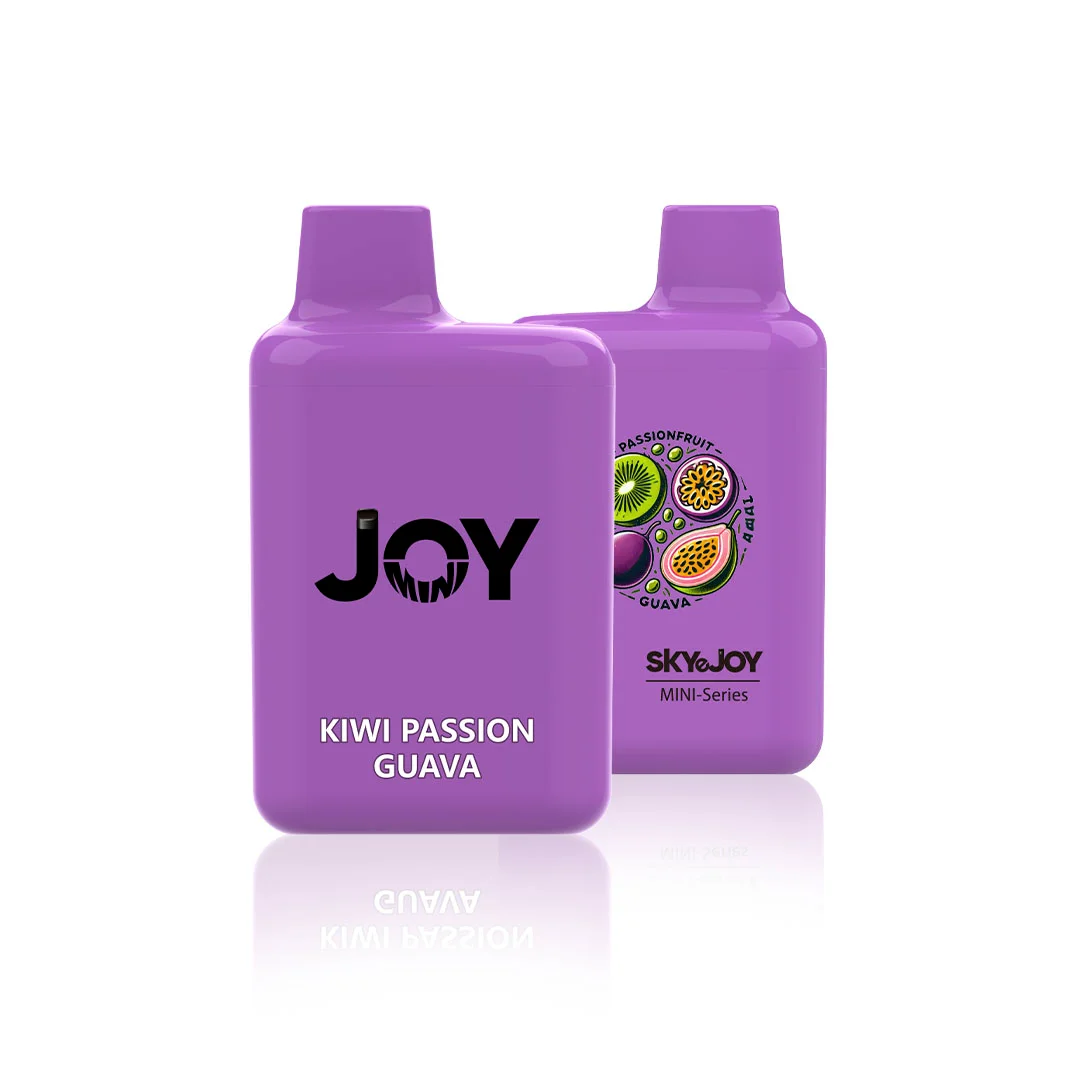
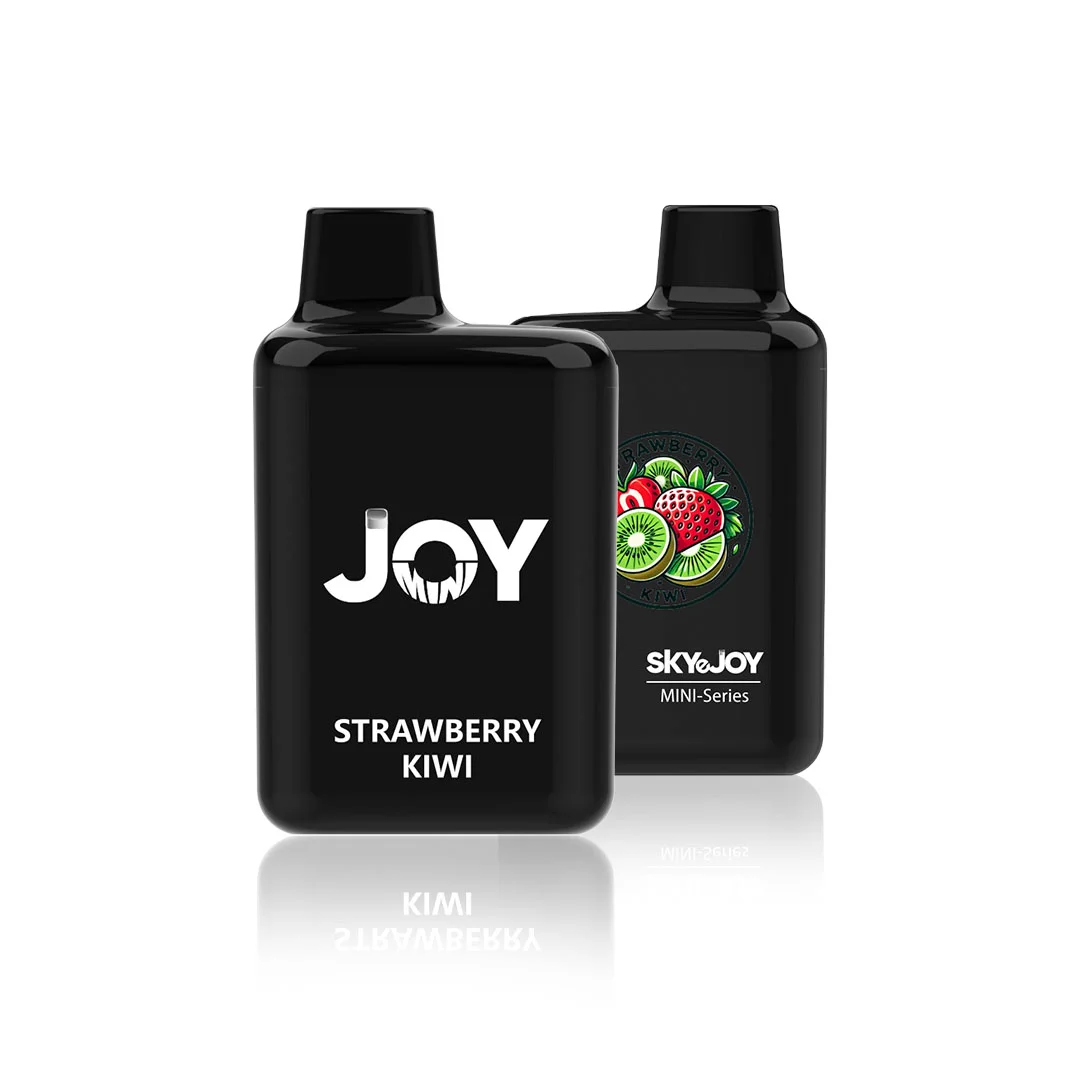
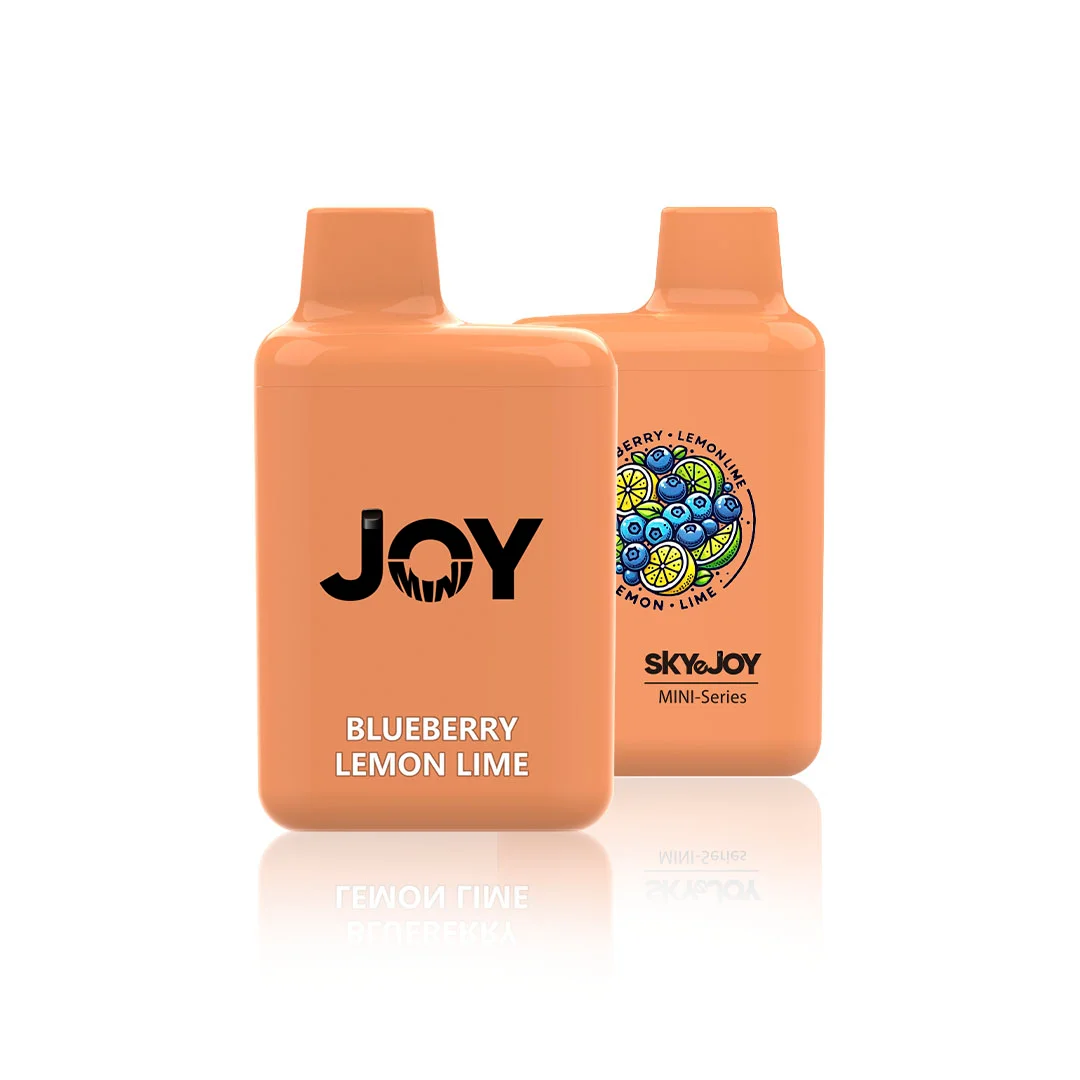

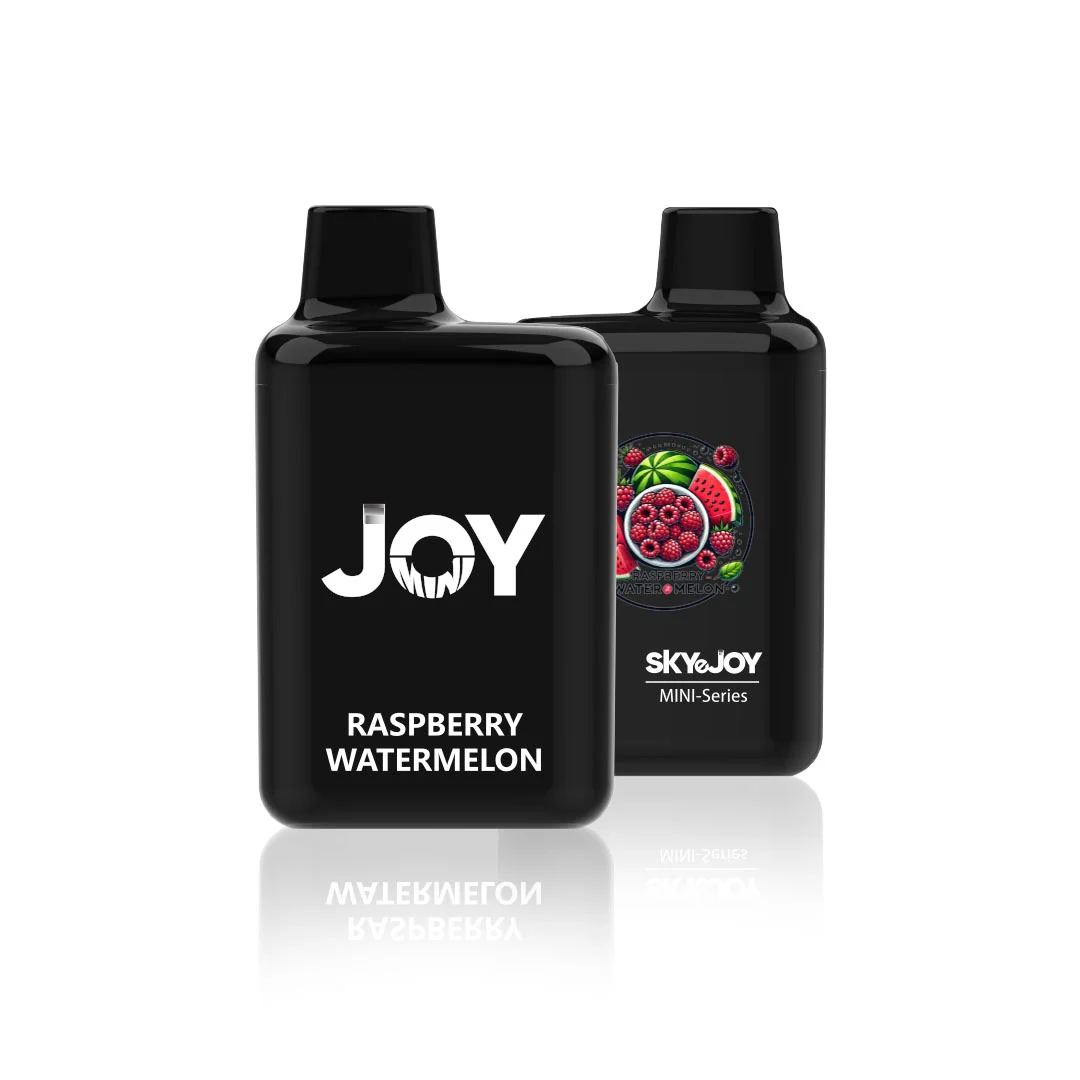

A disposable vape works through three core components acting in sequence: a battery powers a coil, which heats e-liquid soaked into a wick, turning it into inhalable vapor. The entire process takes less than a second from the moment a user draws on the mouthpiece. There are no buttons, no settings, and no assembly required, the device arrives ready to use and is discarded once the e-liquid or battery is depleted.
Key Takeaways
- Battery: Most disposable vapes in 2026 use rechargeable USB-C lithium-ion batteries ranging from 500mAh to 1,200mAh capacity.
- Coil: Mesh coil technology is now the industry standard, offering roughly 32% better flavor consistency than older wire coils.
- E-liquid: Pre-filled and sealed inside the device, typically in volumes from 2mL to 10mL depending on regional regulations.
- Activation: An airflow sensor detects inhalation and triggers the battery — no button press needed.
- Speed: The coil heats within approximately 0.2 seconds of activation, with temperature control within about ±3°C.
- Two coil types exist: Sub-ohm (below 1.0Ω) for bigger clouds and stronger flavor, and above-ohm (1.0Ω or higher) for longer battery life and a tighter draw.
- Flavor advantage: Disposables can use higher sweetener concentrations (up to 30% more) because the coil is never reused, so gunking isn’t a concern.
- Modern features: Many 2026 models include LED displays showing battery percentage and remaining e-liquid levels.
What Exactly Is a Disposable Vape and Who Is It For?
A disposable vape is a single-use (or use-until-empty) electronic device that vaporizes a nicotine-containing liquid for inhalation. It comes pre-charged, pre-filled, and requires zero setup.
Disposable vapes are designed for:
- Beginners who want a simple entry point without learning about wattage, coil building, or tank filling
- Travelers who need a compact, low-maintenance option
- Smokers exploring alternatives who aren’t ready to invest in a reusable system
- Experienced vapers looking for a convenient backup device
They are not ideal for users who want full control over nicotine strength, coil resistance, or airflow settings. For those preferences, a pod system may be a better fit. And if the concept is entirely new, a beginner’s guide to disposable vapes covers the basics well.
How Disposable Vapes Work: Battery, Coil, and E-Liquid Explained Step by Step
Understanding how disposable vapes work, battery, coil, and e-liquid explained together, comes down to a five-step chain reaction that happens almost instantly:
- Inhalation: The user draws air through the mouthpiece.
- Sensor activation: An internal airflow sensor detects the pressure change and signals the battery.
- Battery fires: The lithium-ion battery sends electrical current to the coil.
- Coil heats: The coil reaches operating temperature (typically 200–250°C) within about 0.2 seconds, vaporizing the e-liquid absorbed in the wick.
- Vapor delivery: The resulting aerosol travels through the mouthpiece and is inhaled.
Modern devices achieve temperature regulation within approximately ±3°C, which keeps each puff consistent from the first draw to the last. There are no buttons involved, the draw-activated mechanism handles everything.
Common mistake: Some users try to inhale too hard, thinking it will produce more vapor. This actually cools the coil and can cause the wick to flood, leading to gurgling or spit-back. Slow, steady draws produce the best results.

How Does the Battery Work in a Disposable Vape?
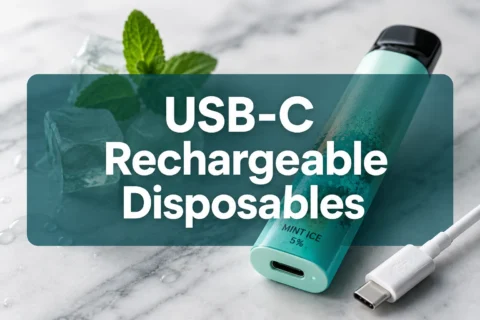
The battery is the power source that drives everything. Without it, the coil can’t heat and the e-liquid stays liquid. In 2026, roughly 87% of disposable vapes ship with rechargeable USB-C lithium-ion batteries, a major shift from the fully single-use models that dominated the market just a few years ago.
Battery specifications at a glance
| Specification | Typical Range | What It Means |
|---|---|---|
| Capacity | 500mAh – 1,200mAh | Higher mAh = more puffs per charge |
| Charging port | USB-C (most common) | Fast, universal connector |
| Charge time | 45–60 minutes (full) | From empty to full |
| Voltage output | 3.3V – 4.2V | Determines coil heating power |
| Activation | Draw-activated (airflow sensor) | No button needed |
Why USB-C rechargeable batteries became standard
Earlier disposable vapes used non-rechargeable batteries. The problem: the battery would often die before the e-liquid ran out, wasting product. Rechargeable batteries solve this by letting users top up the charge multiple times until the e-liquid is fully consumed.
This also addresses sustainability concerns. While the device is still discarded eventually, less e-liquid goes to waste, and the overall material efficiency improves.
Battery safety considerations
Lithium-ion batteries carry inherent risks if damaged, exposed to extreme heat, or punctured. Signs of a failing battery include:
- The device gets unusually hot during use
- Charging takes significantly longer than normal
- The device produces a burnt or chemical smell
- Visible swelling or deformation of the casing
For a deeper look at these risks, see this guide on disposable vape battery safety issues and how to avoid them.
Decision rule: Choose a device with at least 600mAh if the e-liquid volume exceeds 4mL. Anything less and the battery may struggle to last through the full liquid supply, even with recharging.
What Does the Coil Do and Why Does It Matter?
The coil is the heating element, the part that actually turns liquid into vapor. It consists of a metal element (wire or mesh) wrapped around or adjacent to a wick material (cotton, ceramic, or a blend). When electrical current from the battery passes through the metal, resistance generates heat, and that heat vaporizes the e-liquid saturating the wick.
Mesh coils vs. traditional wire coils
Mesh coil technology has become the dominant design in disposable vapes for good reason:
- Even heating: Mesh distributes heat across a flat, wide surface rather than concentrated hot spots on a wire spiral. This produces more consistent flavor.
- Better flavor: Mesh coils deliver approximately 32% better flavor consistency compared to traditional round-wire coils, based on 2026 manufacturing data.
- Longer life: The even heat distribution extends coil lifespan by roughly 15%, meaning fewer dry hits toward the end of the device’s life.
- Reduced dry hits: When paired with ceramic wicking, mesh coils cut dry hit occurrences by about 40%.
Coil resistance: sub-ohm vs. above-ohm
Coil resistance, measured in ohms (Ω), determines the vaping style and performance characteristics:
| Feature | Sub-Ohm (< 1.0Ω) | Above-Ohm (≥ 1.0Ω) |
|---|---|---|
| Power range | 40–100W | 10–30W |
| Vaping style | Direct-to-lung (DTL) | Mouth-to-lung (MTL) |
| Vapor production | Large, dense clouds | Moderate, tighter draw |
| Flavor intensity | Higher (full vaporization at 220–250°C) | Good, but less intense |
| E-liquid consumption | ~23% faster | Standard rate |
| Battery drain | ~28% faster | Extends battery life ~35% |
| Best for | Cloud chasers, experienced vapers | Beginners, ex-smokers |
Choose sub-ohm if big clouds and intense flavor are the priority and frequent recharging isn’t an issue. Choose above-ohm if the goal is a cigarette-like draw with maximum device longevity.
Most disposable vapes marketed to beginners and general consumers use above-ohm coils because they better mimic the draw resistance of a cigarette and make the battery last longer.

How Does E-Liquid Work Inside a Disposable Vape?
E-liquid (also called vape juice) is the consumable substance that produces the flavored vapor. In a disposable vape, it comes pre-filled and sealed, there’s no bottle to open, no tank to fill, and no mess.
What’s in the e-liquid?
A standard e-liquid contains four main ingredients:
- Propylene glycol (PG): A thin liquid that carries flavor effectively and produces a noticeable “throat hit.” Common in mouth-to-lung devices.
- Vegetable glycerin (VG): A thicker liquid responsible for vapor cloud density. Higher VG ratios produce bigger clouds.
- Flavorings: Food-grade flavor concentrates that create the taste profile. Disposables often use higher sweetener concentrations (up to 30% more than reusable devices) because coil longevity isn’t a concern.
- Nicotine: Typically nicotine salts in disposable vapes, which deliver nicotine more smoothly at higher concentrations. Standard strengths range from 20mg/mL to 50mg/mL depending on the market and local regulations.
Why disposables often taste better than refillable systems
This is a question that comes up frequently, and the answer is straightforward. Manufacturers of disposable vapes can optimize the e-liquid formula specifically for the coil inside that device. They don’t need to worry about sweeteners caramelizing and destroying a coil that a user expects to last weeks. The coil and liquid are consumed together and discarded together, so the formula can prioritize flavor above all else.
E-liquid capacity and regulations
Standard capacities range from 2mL to 10mL. In Canada, regulations set limits on nicotine concentration and container size. Always check local rules, as these vary by province.
Edge case: If a device tastes burnt or harsh well before the e-liquid should be depleted, the wick may not be saturating properly. This can happen if the device was stored on its side for a long time or exposed to very cold temperatures. Warming it gently in a pocket and taking a few slow primer puffs (without inhaling deeply) usually fixes it.
What Modern Features Are Changing How Disposable Vapes Work?
Disposable vapes in 2026 are significantly more advanced than the basic models from even two years ago. Several design trends are reshaping the user experience:
Exposed e-liquid windows
Many devices now feature transparent sections that let users see how much e-liquid remains. This “exposed e-liquid” design eliminates the guesswork that used to frustrate users. No more wondering if the next puff will be the last, just look at the window.
LED displays
Advanced models include small LED screens that show:
- Real-time battery percentage (with roughly 5% accuracy)
- Estimated remaining e-liquid level
- Puff count
- Charging status
Airtight, sealed construction
Premium disposable vapes now meet IP67 water and dust resistance standards. The fully sealed design prevents external contaminants, dust, pocket lint, moisture, from reaching the coil, wick, or battery connections. This matters because even small debris on the coil can cause off-flavors or inconsistent heating.
Adjustable airflow
Some newer disposables include a small airflow dial or slider, letting users tighten or loosen the draw without needing a full mod system. Tighter airflow mimics a cigarette; looser airflow produces bigger clouds.
For a broader look at why these devices have gained so much traction, see the rise of disposable vapes in Canada.
How to Tell When a Disposable Vape Is Running Out
Knowing when a device is near the end prevents unpleasant surprises. Here are the most reliable signs:
- Flavor drops off noticeably: the taste becomes muted or slightly burnt
- Vapor production decreases: each puff produces visibly less vapor
- The LED indicator blinks: most devices blink rapidly (usually 10+ times) when the battery or e-liquid is critically low
- The draw feels different: a tighter or more airy draw than usual can indicate low liquid
- The display shows low levels: on models with LED screens, the numbers speak for themselves
A more detailed breakdown is available in this guide on how to tell when a disposable vape is near the end.
Common mistake: Continuing to use a device after it starts tasting burnt. This doesn’t just taste bad, it means the wick is dry and the coil is overheating, which can produce unpleasant byproducts. Stop using the device at this point.
How Disposable Vapes Work: Battery, Coil, and E-Liquid Explained for Choosing the Right Device
Now that the internal mechanics are clear, here’s how to use that knowledge when selecting a disposable vape:
Match the coil type to the vaping style
- MTL (mouth-to-lung): Above-ohm coil, tighter draw, lower power. Best for beginners and ex-smokers. This is what most standard disposables offer.
- DTL (direct-to-lung): Sub-ohm coil, open draw, higher power. Best for experienced vapers who want clouds and intense flavor.
Match the battery to the e-liquid volume
A rough guide:
| E-Liquid Volume | Minimum Recommended Battery |
|---|---|
| 2mL | 400mAh |
| 4mL | 600mAh |
| 6mL+ | 800mAh+ |
If the battery capacity seems low relative to the liquid volume, the device should have a USB-C port for recharging. If it doesn’t, that’s a red flag, the battery may die before the liquid runs out.
Check for quality indicators
- Sealed construction (no rattling parts)
- Clear branding and batch information
- Visible e-liquid window (preferred)
- USB-C charging port (for devices over 3mL capacity)
For personalized guidance, see how to choose the right disposable vape, or browse the current disposable vape collection for options available in Canada.
Pros and Cons of Disposable Vapes
Pros
- Zero learning curve – no coil changes, no refilling, no wattage settings
- Compact and portable – fits in any pocket
- Consistent flavor – optimized e-liquid formula matched to the specific coil
- Low upfront cost – no starter kit investment required
- Wide flavor variety – manufacturers release new flavors constantly
Cons
- Higher long-term cost – per-puff cost is higher than refillable systems
- Environmental waste – even rechargeable models are eventually discarded (battery, plastic, and electronics)
- Limited customization – no control over nicotine strength, PG/VG ratio, or wattage
- Regulatory uncertainty – rules on puff counts, nicotine levels, and flavors vary and change frequently
- Battery anxiety – non-rechargeable models may die before the e-liquid is used up
Frequently Asked Questions
How long does a disposable vape last?
It depends on the e-liquid volume, battery capacity, and how frequently the device is used. A 2mL device typically lasts 400–600 puffs. Larger devices (6mL+) can deliver 2,000 puffs or more. Heavy users may go through a smaller device in a day; moderate users might get several days from the same device.
Can a disposable vape be recharged?
Most disposable vapes sold in 2026 include a USB-C charging port and can be recharged. However, the device is still designed to be discarded once the e-liquid runs out, the e-liquid itself is not refillable.
Why does my disposable vape taste burnt?
A burnt taste means the wick has dried out and the coil is overheating against dry material. This happens when the e-liquid is nearly depleted, or if the user takes very rapid, consecutive puffs without giving the wick time to re-saturate. Stop using the device if this happens.
Is the vapor from a disposable vape the same as smoke?
No. Vapor is an aerosol produced by heating a liquid. Smoke is produced by combustion (burning). Disposable vapes do not burn anything, they heat e-liquid to a temperature that turns it into an inhalable aerosol. The two processes are chemically different.
What is a mesh coil and why is it better?
A mesh coil uses a flat, perforated metal strip instead of a wound wire. The larger surface area heats e-liquid more evenly, producing better flavor and reducing hot spots that cause dry hits. Mesh coils are now standard in most quality disposable vapes.
How much nicotine is in a disposable vape?
Nicotine concentrations typically range from 20mg/mL to 50mg/mL, depending on the product and local regulations. Most disposables use nicotine salts, which deliver nicotine more smoothly than freebase nicotine at equivalent concentrations.
Are disposable vapes safe?
No nicotine product is risk-free. Disposable vapes eliminate some risks associated with handling loose e-liquid and building coils, but they still deliver nicotine, which is addictive. The long-term health effects of vaping are still being studied. Anyone who does not currently use nicotine should not start.
Can I bring a disposable vape on a plane?
In most jurisdictions, disposable vapes must be carried in carry-on luggage (not checked bags) due to lithium battery regulations. Using them on the aircraft is prohibited. Always check the specific airline and destination country rules before traveling.
Why do some disposable vapes have a window?
The transparent e-liquid window lets users monitor how much liquid remains. This “exposed e-liquid” design became popular because users were frustrated by not knowing when their device was about to run out.
What happens if I try to refill a disposable vape?
Disposable vapes are sealed and not designed to be opened. Attempting to refill one can damage the coil, compromise the battery seal, introduce contaminants, and void any safety certifications. It’s not recommended.
Conclusion
Understanding how disposable vapes work, battery, coil, and e-liquid explained together, makes it much easier to choose the right device, use it properly, and know when it’s time to replace it.
Here are the actionable next steps:
- Identify the vaping style that suits the situation: MTL for a cigarette-like experience, DTL for bigger clouds and stronger flavor.
- Check the battery capacity relative to the e-liquid volume. Look for USB-C rechargeable models if the device holds more than 3mL.
- Look for mesh coils, they’re the current standard for a reason and deliver noticeably better flavor.
- Monitor the device using the e-liquid window or LED display. Stop using it at the first sign of a burnt taste.
- Dispose of the device responsibly. Many regions have e-waste collection points that accept vape devices.
For those ready to try a disposable vape or looking for a new option, browse the current selection of disposable vapes available in Canada to find a device that matches these criteria.