

Last updated: August 24, 2026
Quick Answer
Restocking convenience stores across the GTA requires a structured approach to wholesale purchasing, delivery scheduling, and category management. The most effective playbook combines national wholesale distributors for high-volume staples with local suppliers for differentiated products, targets non-tobacco growth categories like beverages and grab-and-go food, and uses inventory software to time reorders before stockouts. With Ontario holding roughly 6,400 convenience stores (about 34% of Canada’s total), GTA operators have significant wholesale leverage, but only if they plan restocking around actual sell-through data rather than gut instinct.
Key Takeaways
- Non-tobacco categories are driving growth. Canadian c-store dollar sales excluding tobacco grew 10.3% year-over-year in Q2 2025, compared to just 0.4% overall. Beverages, snacks, and foodservice deserve the most restocking attention.
- Restock frequency depends on category. High-velocity items like beverages and grab-and-go food need two to three deliveries per week; shelf-stable snacks and tobacco can follow weekly or biweekly cycles.
- Wholesale pricing typically runs 20% to 50% below retail, depending on the product category and order volume. Negotiating better terms starts with consolidating orders and committing to consistent volumes.
- Ontario’s new alcohol regulations (effective July 1, 2026) allow chains with 20 or more convenience store licences to deliver liquor from centralized warehouses, changing the logistics playbook for larger operators.
- Initial stocking costs for a small GTA convenience store range from roughly CAD 15,000 to CAD 50,000, depending on store size, format, and category mix.
- Inventory management software like Square for Retail, Lightspeed, or c-store-specific platforms (such as CStorePro) can automate reorder alerts and reduce dead stock.
- Local sourcing is gaining traction in the GTA for baked goods, ethnic foods, and niche beverages, offering faster refill cycles and better neighborhood alignment.
- Seasonal planning matters. Ice cream, cold beverages, and sunscreen peak in summer; hot drinks, hand warmers, and holiday snacks spike in winter.
- Common restocking mistakes include over-ordering slow movers, ignoring sell-by dates, and failing to adjust orders for local demographics.
What Products Sell Best in Convenience Stores in the GTA?
Beverages, snacks, tobacco products, and grab-and-go food consistently rank as the top-selling categories in GTA convenience stores. Energy drinks, bottled water, and iced coffee lead the beverage segment, while chips, candy bars, and protein bars dominate snacks.
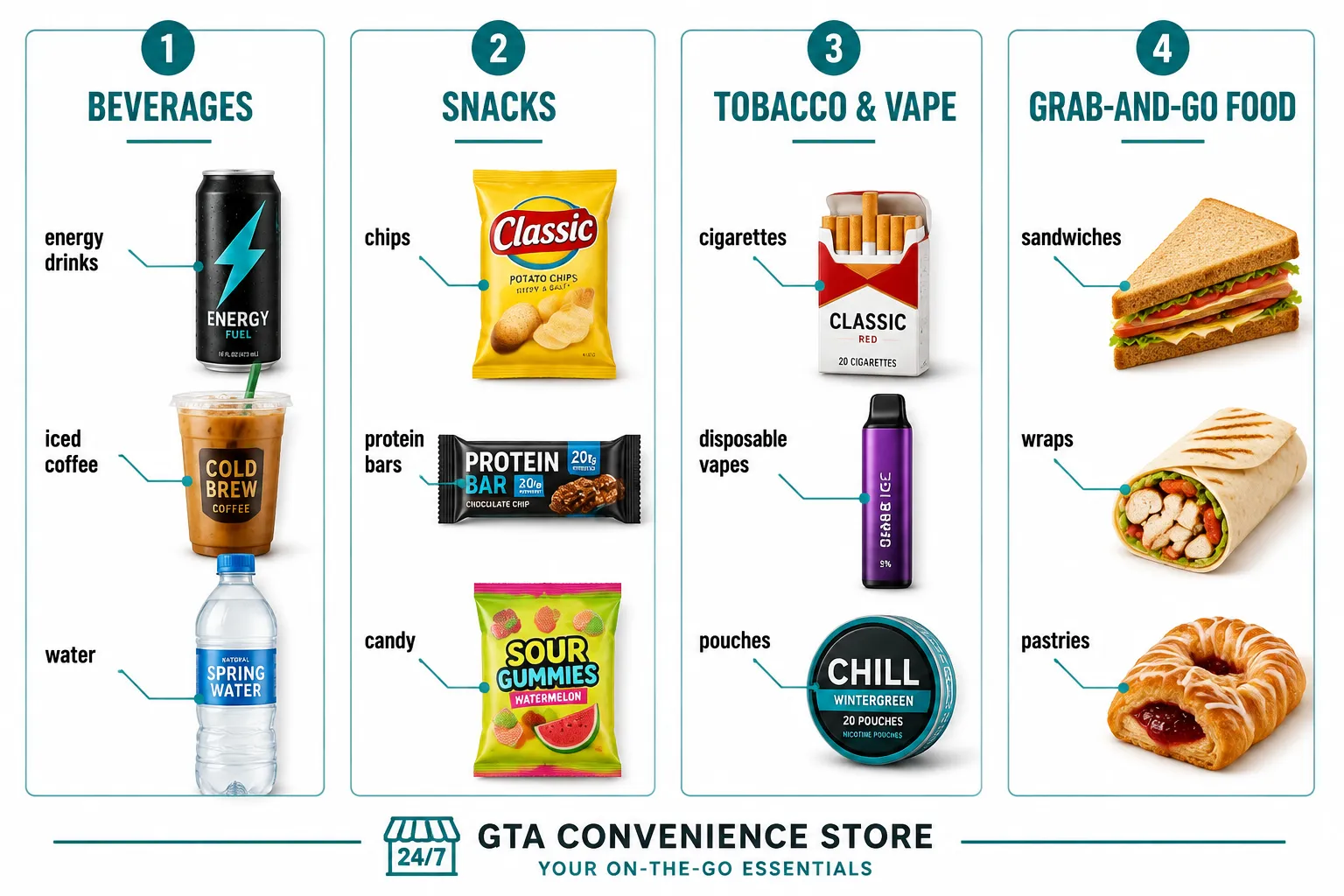
Here is how the major categories break down for GTA operators:
| Category | Top Sellers | Trend Direction |
|---|---|---|
| Beverages | Energy drinks, iced coffee, water, sports drinks | Strong growth |
| Snacks | Chips, chocolate bars, protein/granola bars | Steady growth |
| Tobacco | Cigarettes, rolling tobacco, nicotine pouches | Declining volume |
| Vape Products | Disposable vapes (mint, menthol, tobacco flavours) | Regulated but steady |
| Grab-and-Go Food | Sandwiches, wraps, pastries, fresh fruit | Fastest-growing segment |
| Alcohol (new for 2026) | Beer, wine, cider, RTD cocktails | New category, high potential |
| Lottery and Prepaid | Lottery tickets, phone top-ups, gift cards | Stable |
Key insight: While tobacco remains a significant traffic driver, it is no longer the growth engine. Q2 2025 data showed Canadian c-store unit sales grew 2.2% overall, but the real momentum came from non-tobacco segments. GTA operators building a restocking playbook should allocate more shelf space and more frequent deliveries to beverages, foodservice, and snacks.
For stores carrying vape products, Ontario regulations limit flavours to mint, menthol, and tobacco. Understanding the only flavours allowed in Ontario convenience stores is essential before placing wholesale vape orders.
How Often Should Convenience Stores Restock Inventory?
Most GTA convenience stores should restock high-velocity categories two to three times per week and slower-moving categories weekly or biweekly. The right frequency depends on store size, foot traffic, and storage capacity.
Suggested restocking schedule by category:
- Daily or every other day: Fresh grab-and-go food (sandwiches, salads, baked goods), dairy, fresh fruit
- Two to three times per week: Beverages (especially refrigerated), ice, popular snack items
- Weekly: Shelf-stable snacks, candy, tobacco, vape products, household essentials
- Biweekly or monthly: Seasonal items, health and beauty, automotive supplies, cleaning products
Common mistake: Many store owners restock on a fixed calendar regardless of actual sales velocity. A better approach is setting reorder points for each SKU based on average daily sales and lead time from the supplier. If a product sells 10 units per day and the supplier needs two days to deliver, the reorder point should be at least 20 units plus a small safety buffer.
Stores near transit hubs or in high-foot-traffic areas of downtown Toronto, Mississauga, or Brampton often need more frequent deliveries than suburban locations. Large-format stores (over 500 square feet of selling space) that carry foodservice items may need daily restocking for perishables.
Wholesale Suppliers for Convenience Stores in the Toronto Area
GTA convenience store owners can source from national broadline distributors, regional wholesalers, cash-and-carry warehouses, and direct-from-manufacturer programs. The best approach usually combines two or three supplier types.
Major supplier categories:
- Broadline distributors: Companies like Core-Mark and McLane Canada carry thousands of SKUs across all c-store categories. They offer scheduled route delivery, promotional programs, and planogram support.
- Cash-and-carry wholesalers: Costco Business Centre, wholesale clubs, and regional cash-and-carry operations let operators buy at wholesale prices without minimum order commitments. Useful for topping up between scheduled deliveries.
- Direct manufacturer programs: Large beverage and snack companies (Coca-Cola, PepsiCo, Frito-Lay, Nestlé) offer direct-store-delivery (DSD) with merchandising support. These programs often include cooler placement and promotional pricing.
- LCBO and The Beer Store: As of 2026, the LCBO remains the exclusive wholesaler for wine, spirits, and cider sold at retail, while The Beer Store handles primary beer distribution. GTA c-stores with alcohol licences must source through these channels.
- Local and specialty suppliers: Bakeries, ethnic food producers, and niche beverage makers in the GTA can supply differentiated products with shorter lead times. Many offer direct-to-store delivery.
For vape product sourcing specifically, choosing a reliable wholesale partner matters. A detailed guide on choosing the best wholesale vape supplier in Ontario covers the 12 key questions to ask before committing.
How Much Does It Cost to Stock a Convenience Store?
Initial stocking costs for a GTA convenience store typically range from CAD 15,000 to CAD 50,000, depending on store format, size, and category depth. Ongoing monthly restocking costs for a small to mid-sized store generally run between CAD 8,000 and CAD 25,000.
Cost breakdown by category (estimates for initial stocking of a 1,000 sq. ft. store):
| Category | Estimated Initial Cost (CAD) |
|---|---|
| Beverages (cooler and shelf) | 4,000 – 10,000 |
| Snacks and candy | 2,500 – 6,000 |
| Tobacco and vape | 3,000 – 8,000 |
| Grab-and-go food | 1,500 – 4,000 |
| Alcohol (if licensed) | 3,000 – 8,000 |
| Household, HBC, other | 1,000 – 4,000 |
| Total | 15,000 – 40,000 |
These figures are estimates based on typical GTA wholesale pricing and standard assortment sizes. Actual costs vary based on supplier terms, store location, and category emphasis.
Decision rule: If working with a tight budget, prioritize beverages and snacks first. These categories turn fastest and generate the cash flow needed to expand into other segments. Tobacco requires significant upfront capital but moves consistently. Alcohol is a new opportunity in 2026 but requires a separate licence and compliance investment.
What Is the Difference Between Wholesale and Retail Pricing for Convenience Stores?
Wholesale prices are what store owners pay to acquire products from distributors or manufacturers, while retail prices are what customers pay at the register. The gap between the two is the gross margin, and it typically ranges from 20% to 50% depending on the category.
Typical margin ranges by category:
- Tobacco: 8% to 15% (low margin, high volume)
- Beverages: 35% to 50% (especially energy drinks and bottled water)
- Snacks: 30% to 45%
- Grab-and-go food: 40% to 60% (highest margins but also highest spoilage risk)
- Vape products: 30% to 45% (varies by brand and format)
- Alcohol: Expected to be 20% to 30% based on LCBO wholesale pricing structures
Understanding the real margins on wholesale invoices, including excise taxes and HST, is critical. For vape products in particular, reading a vape wholesale invoice helps clarify what the actual landed cost looks like after all taxes are applied.
Common mistake: Calculating margin based on the sticker wholesale price without factoring in excise duty, HST, spoilage, and shrinkage. A product that looks like it carries a 40% margin on paper might deliver only 25% after waste and taxes.
Which Products Have the Highest Profit Margins in Convenience Stores?
Grab-and-go food, private-label beverages, and impulse items like candy and gum deliver the highest profit margins in GTA convenience stores, often exceeding 40% gross margin.
Top margin performers:
- Prepared food and foodservice (sandwiches, hot dogs, coffee): 40% to 60% gross margin. The catch is perishability, so tight inventory control is essential.
- Bottled water and store-brand drinks: 45% to 55%. Low wholesale cost, high perceived value.
- Energy drinks: 40% to 50%. Strong brand loyalty means less price sensitivity.
- Candy, gum, and impulse snacks: 35% to 50%. Small footprint, high turnover near the register.
- Disposable vapes: 30% to 45%. Regulated but consistent demand. For margin benchmarks, see wholesale disposable vape margins for Ontario retailers.
- Phone accessories and chargers: 50% to 70%. Low volume but very high per-unit margin.
Decision rule: If the goal is to maximize profit per square foot, dedicate prime shelf and cooler space to beverages, prepared food, and impulse items. Use tobacco as a traffic driver that brings customers in the door, then capture margin on add-on purchases.
How to Manage Inventory for a Small Convenience Store in the GTA
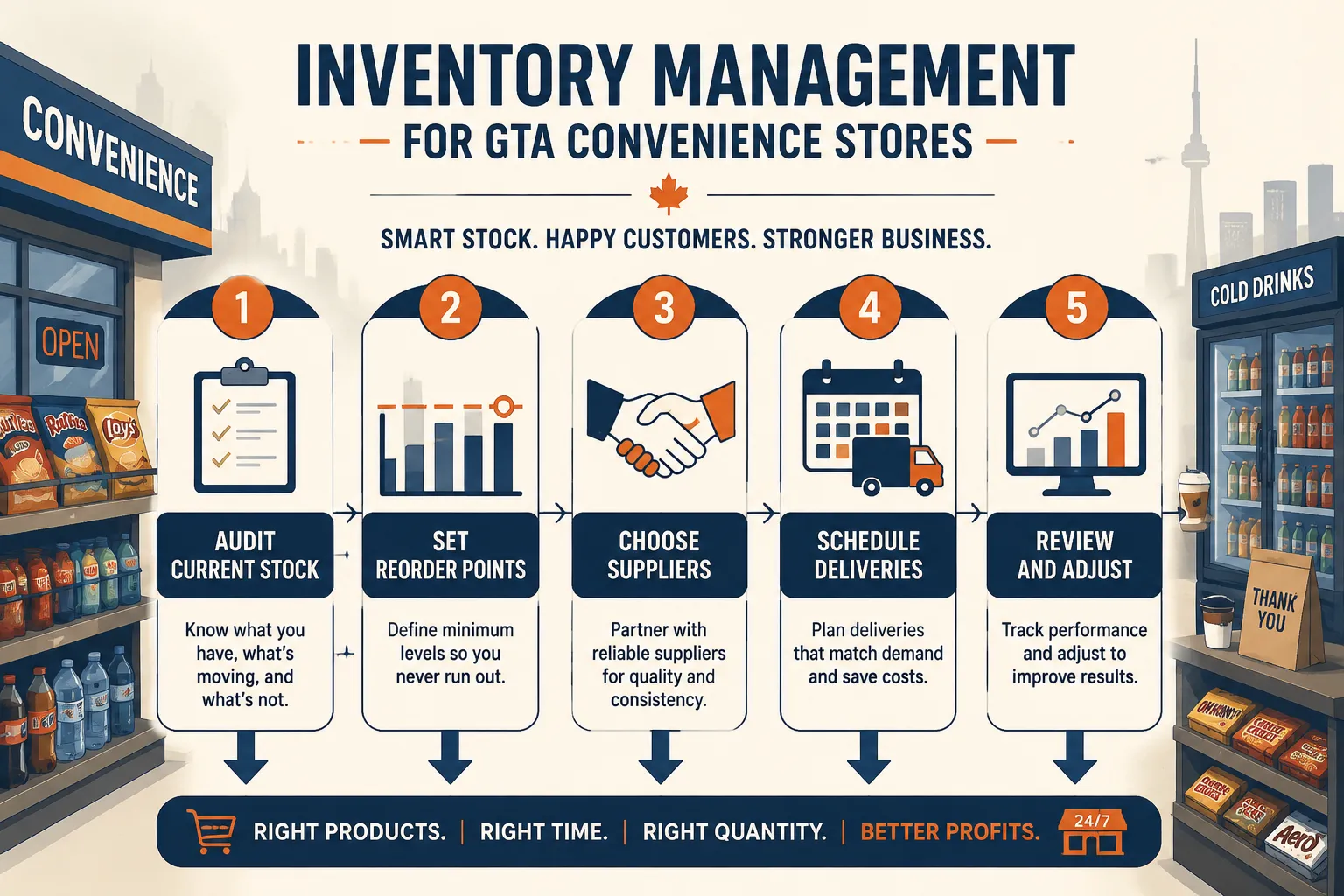
Effective inventory management for a small GTA convenience store starts with tracking every SKU digitally, setting reorder points based on sales velocity, and reviewing performance weekly. Even a basic POS system with inventory tracking beats manual counts.
Step-by-step approach:
- Audit current stock. Count every item on shelves and in the back room. Record quantities, wholesale costs, and expiry dates.
- Set reorder points. For each product, calculate: (average daily sales x supplier lead time in days) + safety stock. This tells the system when to trigger a new order.
- Choose suppliers and set delivery schedules. Align delivery days with your highest-traffic periods so shelves are full when customers arrive.
- Use a POS or inventory system. Even affordable options like Square for Retail or Lightspeed track sales in real time and can generate automatic reorder alerts.
- Review and adjust weekly. Check which items are overstocked, which are close to stockout, and which have upcoming expiry dates. Adjust order quantities accordingly.
Edge case: Stores in ethnically diverse GTA neighbourhoods (Brampton, Scarborough, Markham) often carry specialty items with unpredictable demand. For these SKUs, start with small test orders and increase only after confirming consistent sell-through over two to three weeks.
What Inventory Management Software Do Convenience Stores Use?
Most small to mid-sized GTA convenience stores use cloud-based POS systems with built-in inventory modules. The leading options include Square for Retail, Lightspeed Retail, and c-store-specific platforms like CStorePro or PDI Enterprise.
Software comparison:
| Software | Best For | Key Features | Approximate Monthly Cost (CAD) |
|---|---|---|---|
| Square for Retail | Budget-conscious small stores | Free tier available, barcode scanning, basic reorder alerts | Free to 90 |
| Lightspeed Retail | Mid-sized stores wanting depth | Advanced reporting, multi-location, supplier management | 100 to 250 |
| CStorePro | C-store-specific workflows | Lottery tracking, age verification, tobacco compliance | 80 to 150 |
| PDI Enterprise | Chain operators (5+ stores) | Full category management, DSD receiving, analytics | Custom pricing |
Choose Square if the store is small, budget is tight, and the priority is getting off paper-based tracking. Choose Lightspeed if running multiple locations or needing detailed supplier and margin reports. Choose a c-store-specific platform if tobacco compliance, lottery integration, or age-gated product tracking is a priority.
How Do I Get a Wholesale Licence to Supply Convenience Stores?
In Ontario, there is no single “wholesale licence” for all product categories. The licensing requirements depend on what products are being distributed. Most general merchandise (snacks, beverages, household goods) does not require a special wholesale licence beyond a standard business registration.
What is needed by category:
- General merchandise, snacks, beverages: Register the business with the Ontario government, obtain a Business Number from the CRA, and register for HST collection. No special wholesale licence required.
- Tobacco: A tobacco dealer’s permit from the Ontario Ministry of Finance is mandatory. Strict record-keeping and reporting rules apply.
- Vape products: Federal excise duty registration is required for anyone manufacturing or importing vaping products. Retailers and wholesalers must comply with Ontario’s Smoke-Free Ontario Act. A helpful overview of the legal landscape is available in the guide on selling wholesale disposable vapes in Canada.
- Alcohol: Convenience stores need a licence from the Alcohol and Gaming Commission of Ontario (AGCO). Wholesaling alcohol is restricted to the LCBO and authorized beer distributors.
- Food (perishable): Compliance with Canadian Food Inspection Agency (CFIA) regulations and Ontario public health requirements is necessary. Proper food handling certifications may be required.
Common mistake: Assuming that a general business licence covers regulated categories like tobacco, alcohol, or vape products. Each has its own licensing body and compliance requirements. Operating without the correct permits can result in fines, product seizure, or licence revocation.
Can I Start a Convenience Store Restocking Business With No Experience?
Yes, but success requires learning the basics of wholesale purchasing, delivery logistics, and category management before committing significant capital. Many GTA restocking businesses start small, focusing on one or two product categories and a handful of store accounts.
Practical starting path:
- Learn the market. Visit 10 to 15 GTA convenience stores. Talk to owners. Understand what they struggle to source and where current suppliers fall short.
- Pick a niche. Starting with a focused category (ethnic snacks, specialty beverages, or vape products) is easier than trying to be a full-line distributor from day one.
- Establish supplier relationships. Contact manufacturers and importers directly. Attend trade shows like the Convenience U CARWACS Show, which is the main Canadian industry event.
- Start with a van, not a warehouse. Many successful GTA restocking operators began with a cargo van and a storage unit, scaling to warehouse space only after building a reliable customer base.
- Understand compliance. Depending on the product category, permits, insurance, and food safety certifications may be required.
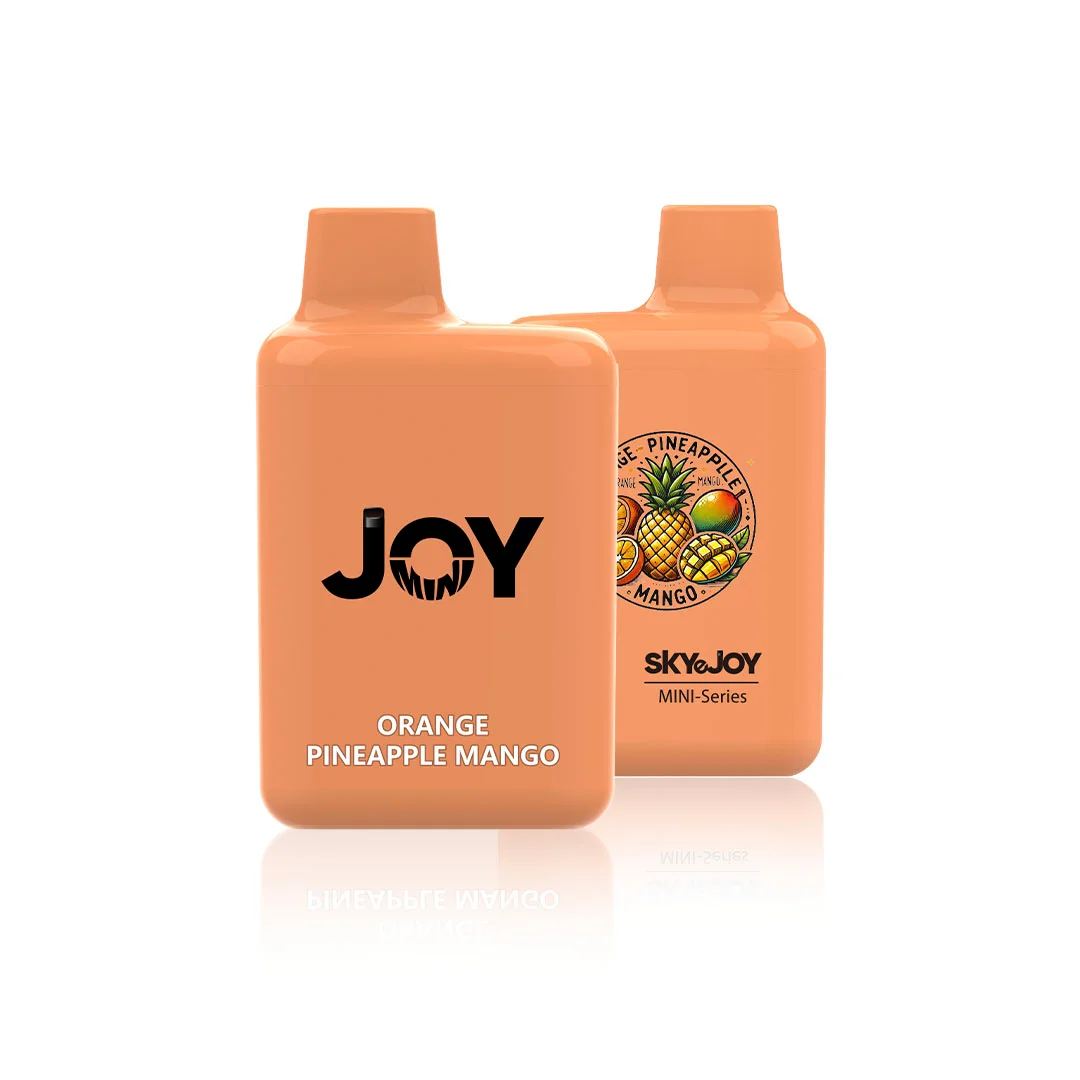
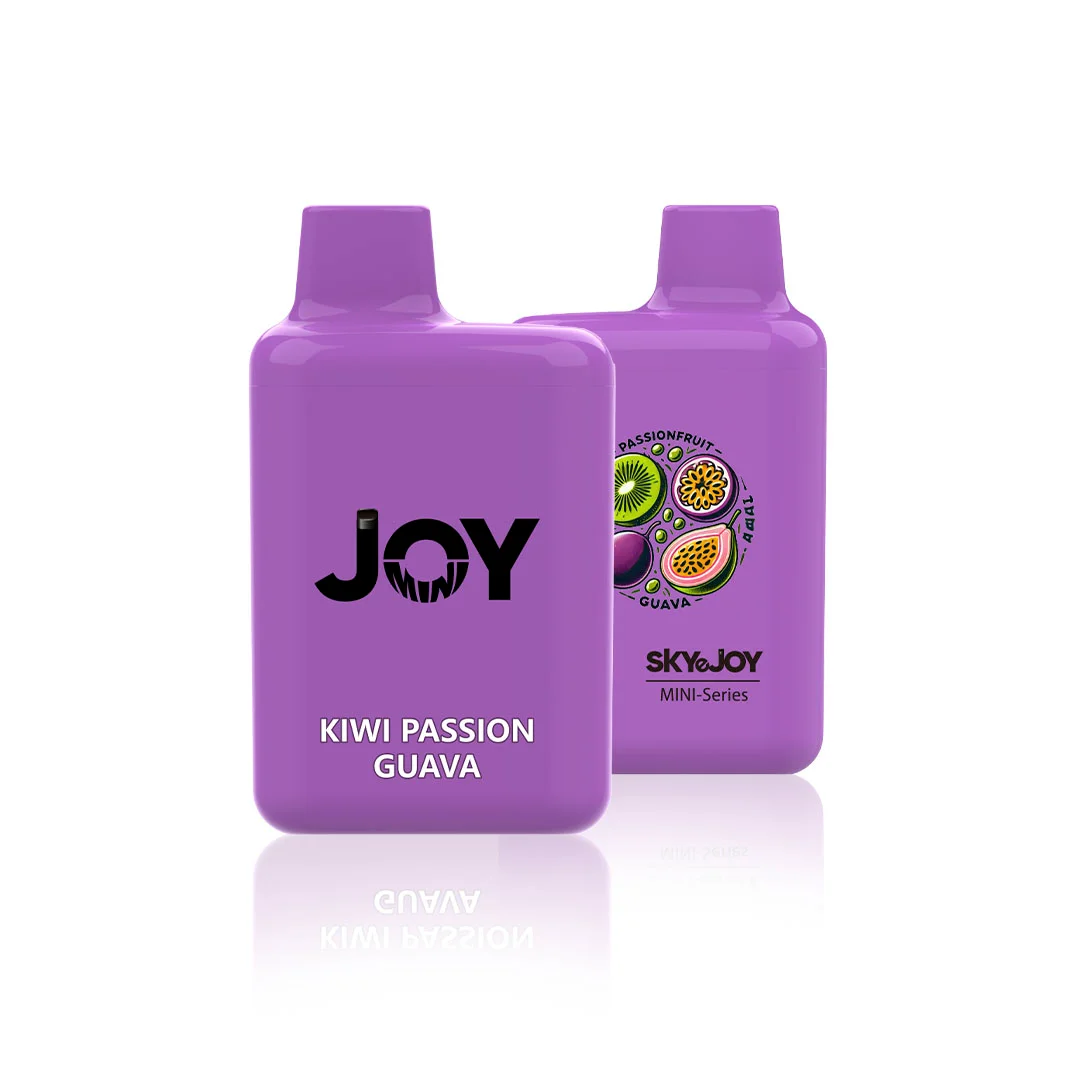
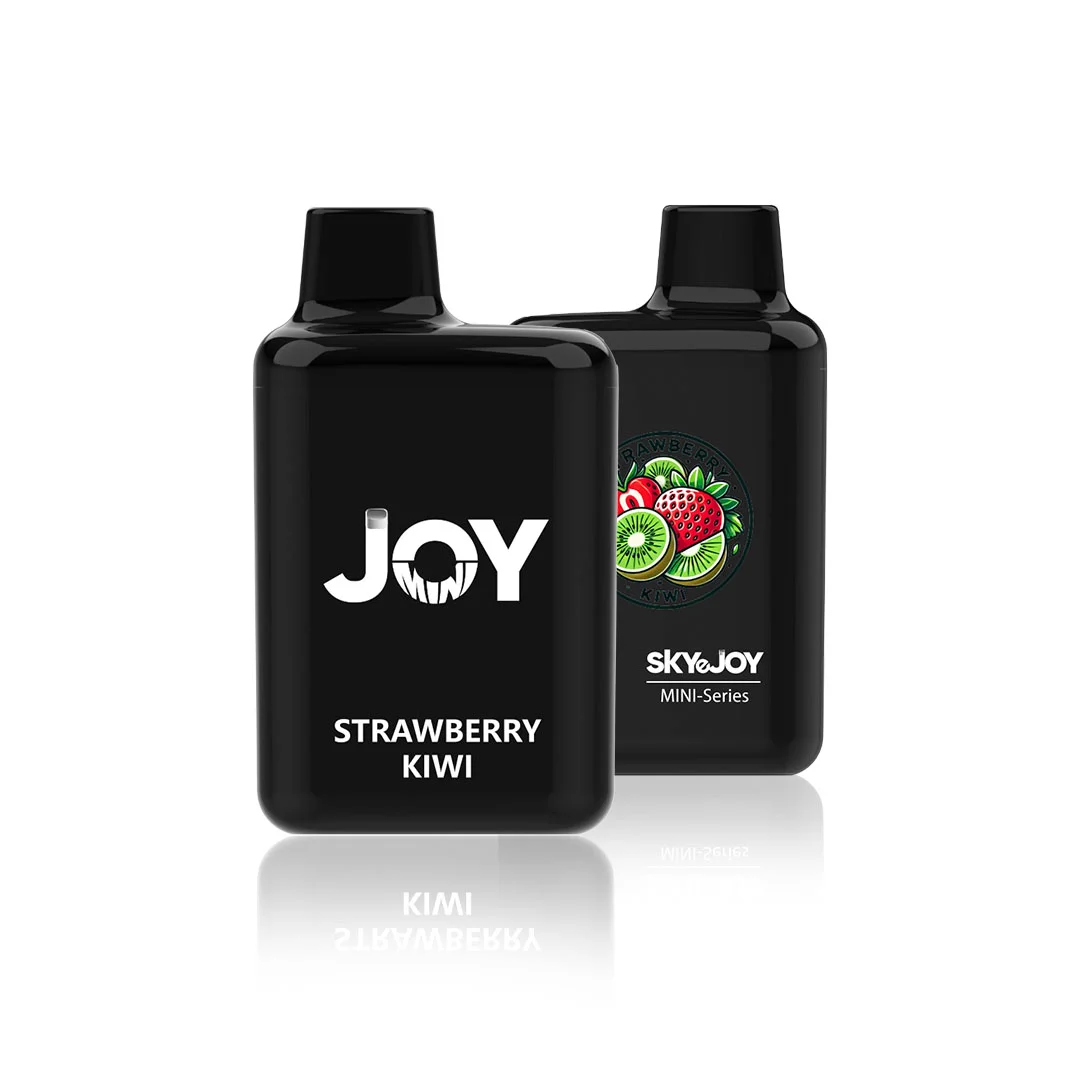
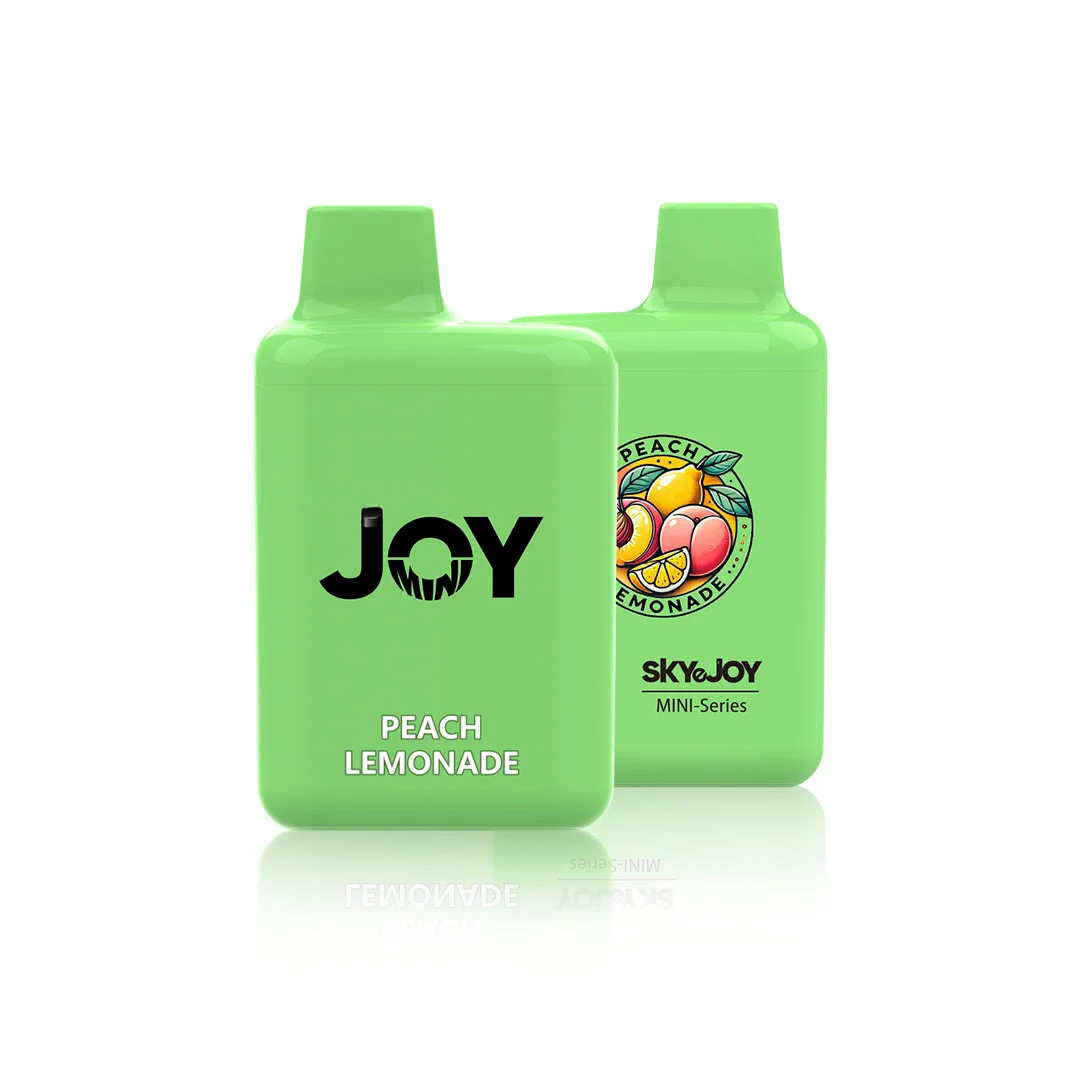
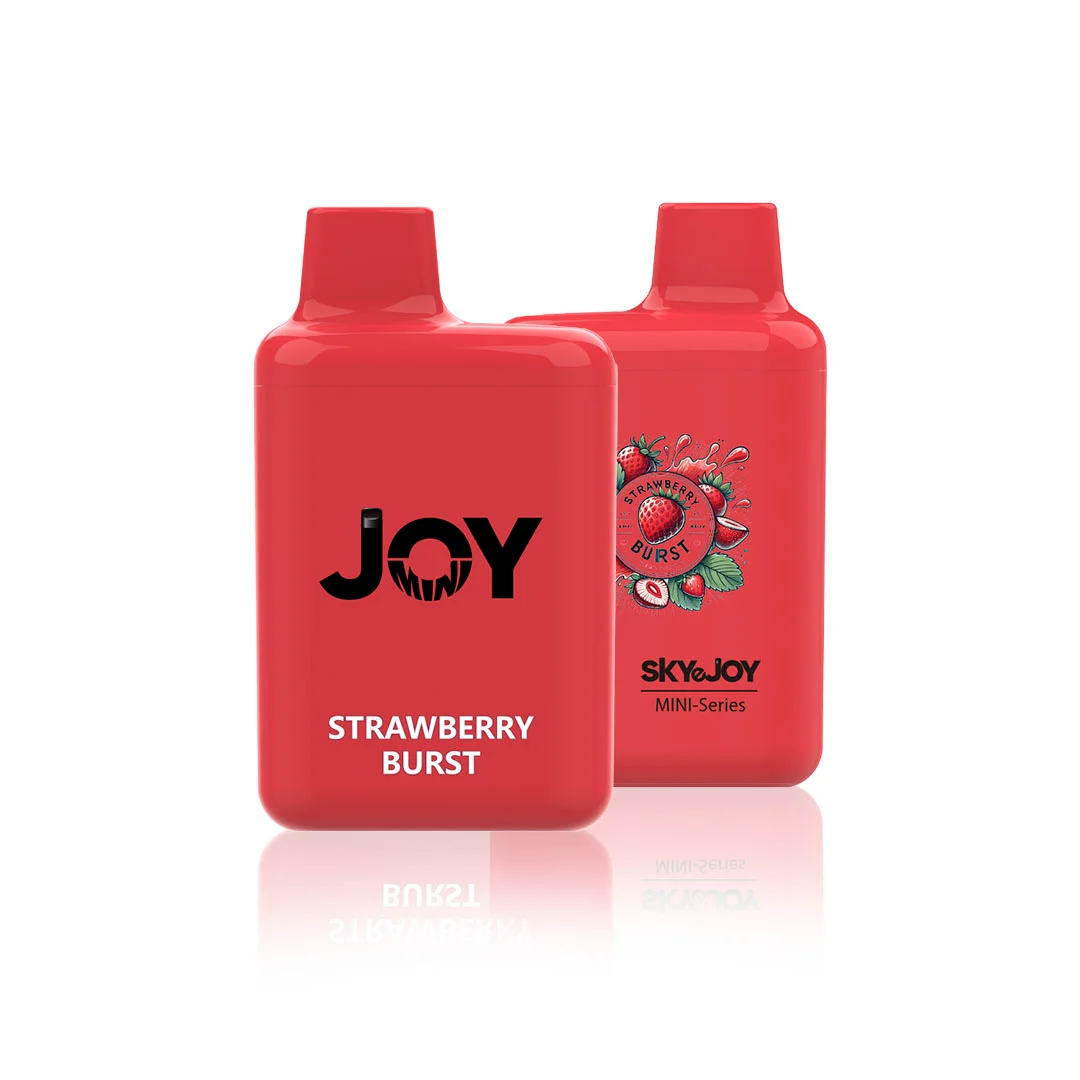
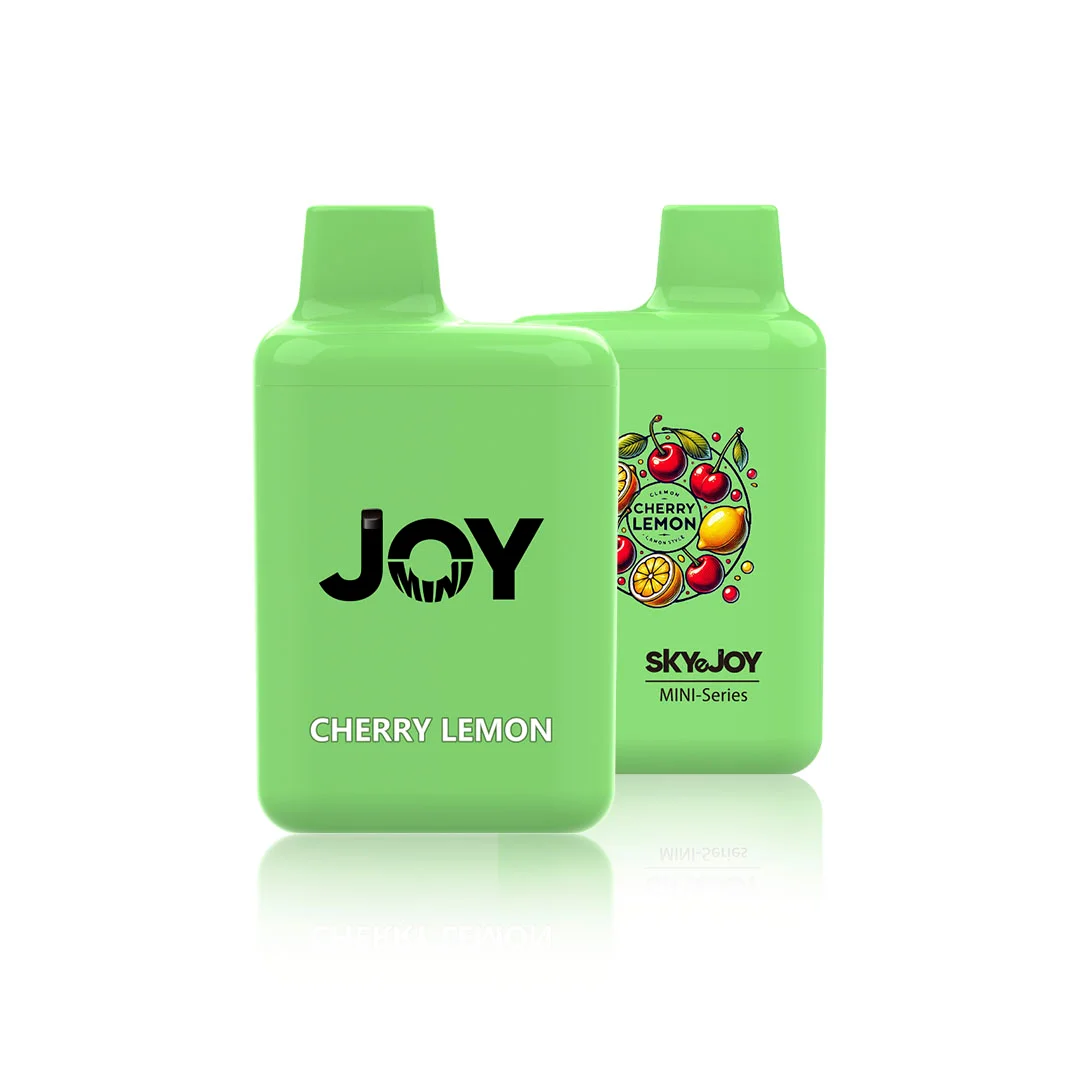
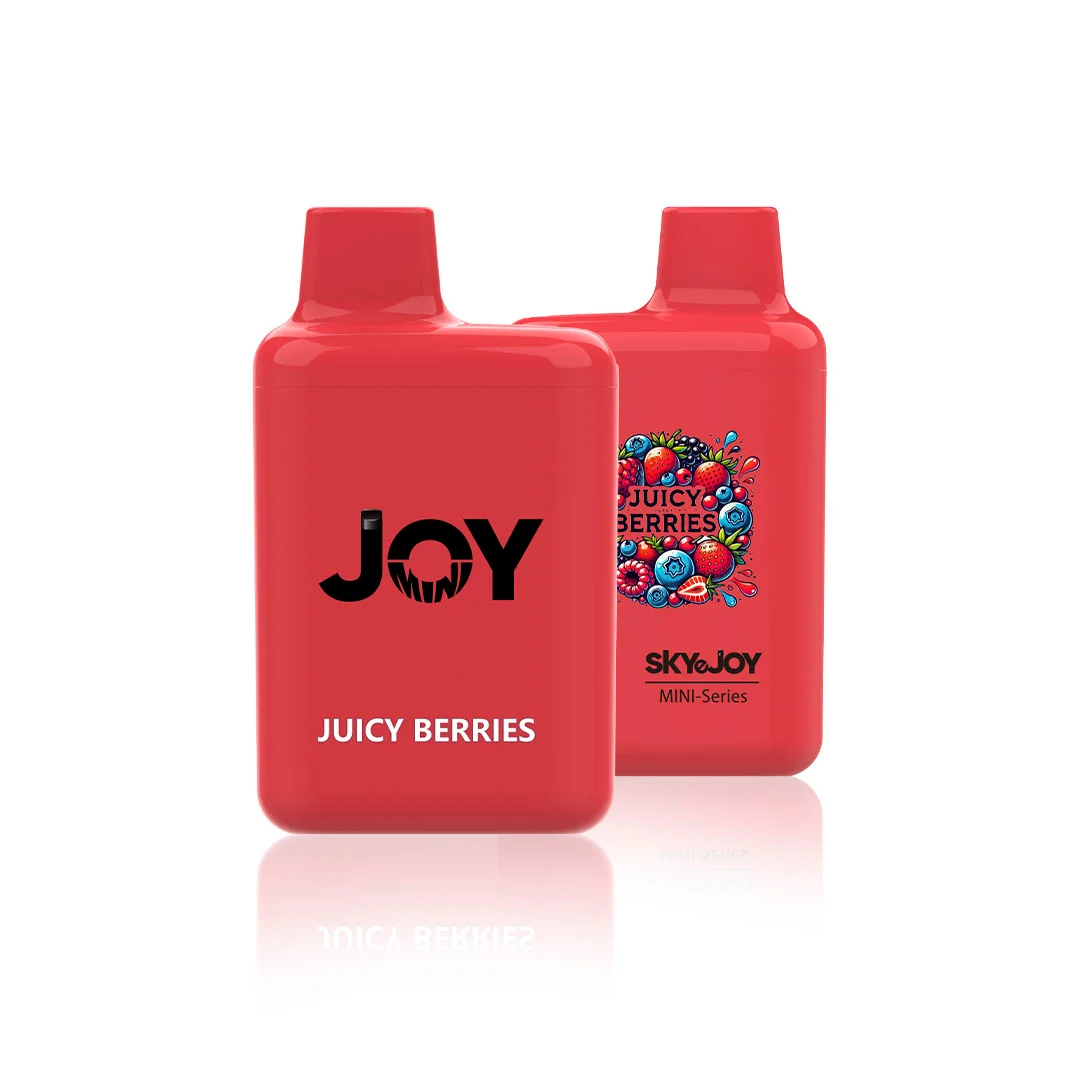
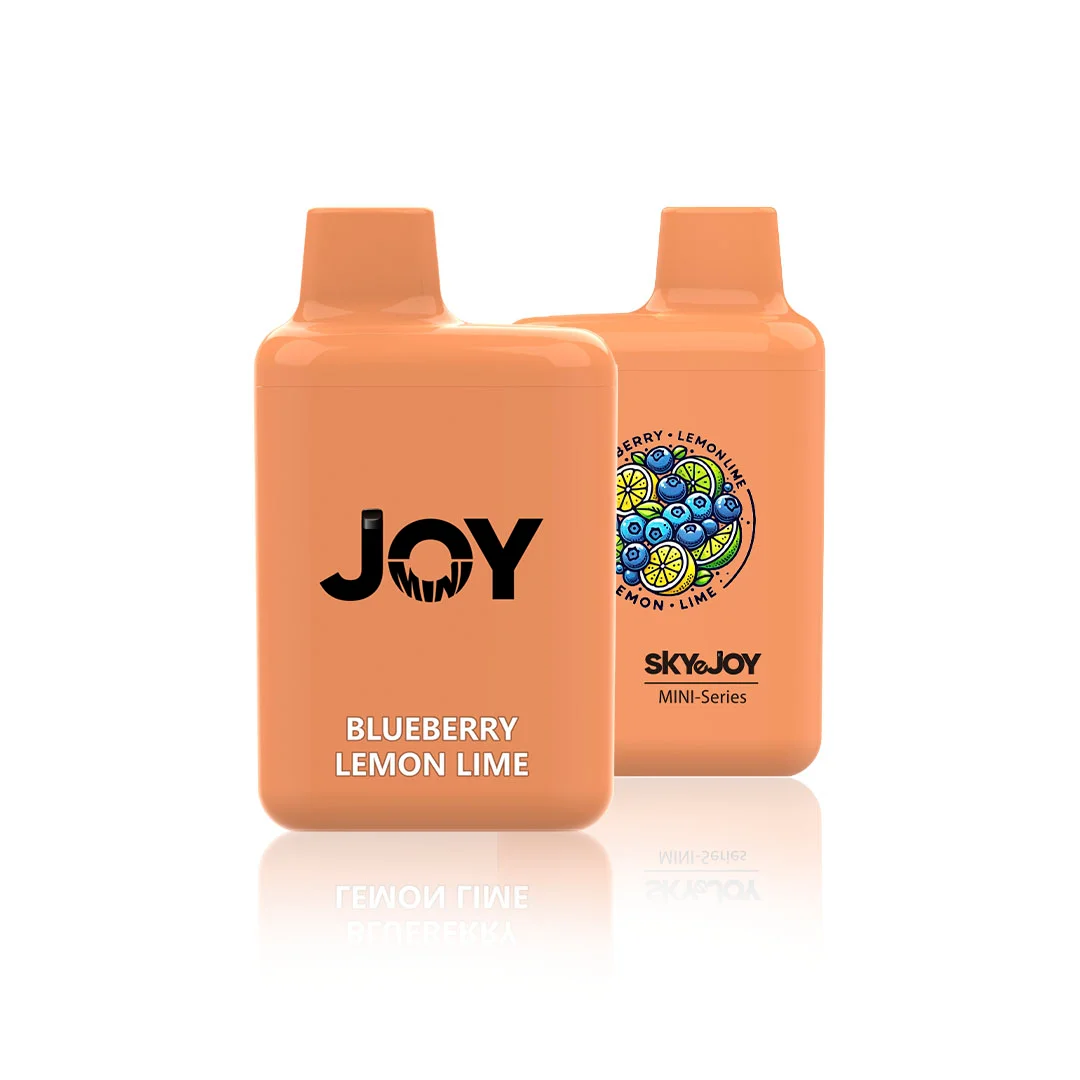
Edge case: If entering the vape wholesale space specifically, the regulatory requirements are more complex. The Joy Mini wholesale program for Ontario retailers outlines one model for how wholesale vape distribution works in practice.
How to Negotiate Better Wholesale Prices With Distributors
The single most effective negotiation lever for GTA convenience store owners is volume commitment. Distributors offer better per-unit pricing when they can count on predictable, recurring orders.
Proven negotiation strategies:
- Consolidate orders. Instead of placing small orders with five different distributors, consolidate spending with two or three. Higher per-supplier volume unlocks better pricing tiers.
- Commit to a schedule. Offer a standing weekly order in exchange for a discount. Distributors value route predictability because it lowers their delivery costs.
- Join a buying group. Several GTA-area buying cooperatives pool independent store orders to negotiate chain-level pricing. Ask distributors or industry associations about available groups.
- Pay promptly. Many wholesalers offer 2% to 5% early payment discounts (e.g., “2/10 net 30” means a 2% discount if paid within 10 days). Over a year, this adds up significantly.
- Negotiate on terms, not just price. Free delivery, extended payment terms, return policies for slow-moving stock, and promotional allowances can be as valuable as a lower unit price.
- Benchmark against cash-and-carry pricing. Know what Costco Business Centre or other cash-and-carry options charge for the same products. Use that as a floor when negotiating with route distributors.
Common mistake: Focusing only on the per-unit price while ignoring delivery minimums, return policies, and payment terms. A slightly higher unit price from a supplier that offers free delivery, net-30 terms, and accepts returns on damaged goods may be the better deal overall.
Common Mistakes When Restocking Convenience Stores
Even experienced GTA store operators make restocking errors that eat into margins. Here are the most frequent and costly ones.
- Over-ordering slow movers. Buying large quantities of a product because the per-unit price is lower ties up cash and shelf space. If the product does not sell within two to three weeks, the “savings” are illusory.
- Ignoring expiry dates. Perishable and near-date products must be rotated using first-in-first-out (FIFO). Failure to do this leads to spoilage losses, especially in grab-and-go food and dairy.
- Not adjusting for local demographics. A restocking plan that works for a store in downtown Toronto will not work for one in suburban Pickering. Product mix should reflect the neighbourhood’s age, ethnicity, income level, and commuting patterns.
- Relying on a single supplier. If that supplier has a stockout or delivery delay, the store’s shelves go empty. Maintain at least one backup source for critical categories.
- Skipping seasonal adjustments. Ordering the same quantities year-round means overstocking winter items in summer and running out of cold beverages during heat waves.
- Neglecting vape compliance. Ontario’s display and flavour regulations are strict. Stocking non-compliant products risks fines and licence issues. Review the rules on behind-the-counter vape displays in Ontario convenience stores before placing orders.
- Not tracking shrinkage. Theft, damage, and administrative errors (scanning mistakes) can account for 2% to 5% of revenue. Regular cycle counts catch these problems early.
Seasonal Products to Stock in Convenience Stores
Seasonal demand shifts significantly in the GTA due to the region’s distinct four-season climate and multicultural calendar. Planning restocking around these cycles prevents both stockouts and dead inventory.
Spring (March to May):
- Allergy medication and tissues
- Bottled water (ramp-up begins)
- Gardening gloves and small tools (suburban stores)
- Easter candy and treats
Summer (June to August):
- Ice cream, popsicles, frozen treats
- Cold beverages (peak demand: energy drinks, iced tea, sports drinks)
- Sunscreen, sunglasses, insect repellent
- Ice bags
- BBQ lighters and charcoal (suburban and gas-station stores)
Fall (September to November):
- Back-to-school supplies (pens, notebooks, snack packs)
- Hot beverages (coffee, hot chocolate ramp-up)
- Halloween candy (order by early September)
- Thanksgiving baking supplies
Winter (December to February):
- Hot drinks at peak volume
- Hand warmers, lip balm, travel-size tissues
- Holiday gift cards and candy
- Road salt, windshield washer fluid (gas-station c-stores)
- Diwali, Hanukkah, and Christmas-themed products (adjust by neighbourhood)
Pro tip: Review the previous year’s POS data by week to identify exactly when seasonal demand ramps up and down. Order seasonal products two to three weeks before the expected demand spike, and begin markdowns one to two weeks before the season ends to clear remaining stock.
Restocking Convenience Stores Across the GTA: A Wholesale Playbook for Alcohol in 2026
Ontario’s new alcohol regulations, effective July 1, 2026, represent the biggest category addition for GTA convenience stores in decades. Beer, wine, cider, and ready-to-drink cocktails are now available for sale in licensed convenience stores across the province.
What GTA store owners need to know:
- Sourcing: The LCBO is the exclusive wholesaler for wine, spirits, and cider. The Beer Store handles primary beer distribution and will continue in that role until at least 2031.
- Warehouse delivery for chains: Operators holding 20 or more convenience store licences (individually or through affiliates) can deliver liquor from centralized distribution centres or warehouses. This enables hub-and-spoke logistics for larger GTA networks.
- Independent store logistics: Smaller operators will rely on LCBO wholesale programs and Beer Store delivery schedules. Integrating alcohol deliveries into existing restocking routines requires careful scheduling to avoid receiving bottlenecks.
- Storage requirements: Alcohol inventory needs temperature-controlled storage and secure areas that comply with AGCO regulations. Factor in cooler and shelving investments when planning.
- Margin expectations: Early estimates suggest retail margins on alcohol in convenience stores will land between 20% and 30%, lower than snacks or beverages but potentially high-volume.
Decision rule: If the store has limited cooler space, prioritize ready-to-drink cocktails and single-serve beer, which have higher per-unit margins than large-format beer packs. Wine and cider can occupy ambient shelf space, freeing cooler real estate for higher-margin cold beverages.
Building a Restocking Playbook: Putting It All Together
A complete wholesale playbook for restocking convenience stores across the GTA ties together supplier selection, delivery scheduling, category management, and technology into a repeatable system.
The playbook in practice:
- Segment the store into category zones. Assign each zone (beverages, snacks, tobacco/vape, food, alcohol, general merchandise) a primary supplier and a backup.
- Set delivery schedules by velocity. High-turn categories get two to three deliveries per week. Slower categories get weekly or biweekly drops.
- Use POS data to drive orders. Pull weekly sales reports, identify top sellers and slow movers, and adjust the next order accordingly.
- Build in local sourcing. Identify one or two local suppliers for differentiated products (fresh baked goods, ethnic snacks, specialty drinks) that set the store apart from competitors.
- Plan seasonal transitions four weeks ahead. Use the seasonal calendar above and prior-year data to time category resets.
- Review supplier performance quarterly. Track fill rates (what percentage of ordered items actually arrive), delivery timeliness, and pricing competitiveness. Switch suppliers if performance drops below 95% fill rate consistently.
- Stay compliant. Regulations around tobacco, vape, and alcohol change frequently in Ontario. Build compliance checks into the restocking process, not as an afterthought.
For stores in the broader region, the principles in this playbook extend beyond Toronto proper. Operators in Hamilton, for example, can reference the vape wholesale checklist for the Greater Hamilton Area for region-specific supplier guidance.
FAQ
How many convenience stores are in the GTA? Ontario has approximately 6,400 convenience stores as of mid-2025, with a significant concentration in the Greater Toronto Area. The exact GTA count is not published separately, but industry estimates suggest the region accounts for roughly 30% to 40% of Ontario’s total.
What is the best day of the week to receive wholesale deliveries? Tuesday and Wednesday are generally the best days for GTA convenience stores. Monday deliveries often face delays due to weekend order backlogs, and Friday deliveries may arrive too late to stock shelves before the weekend rush.
Do I need a separate licence to sell alcohol in my convenience store? Yes. A convenience store licence from the Alcohol and Gaming Commission of Ontario (AGCO) is required. The application process includes background checks, premises inspections, and compliance with display and storage regulations.
How do I handle products that do not sell? First, try repositioning slow movers to higher-traffic areas of the store or discounting them. If they still do not sell, check whether the supplier accepts returns. For perishable items, donate before expiry to local food banks (which may also provide a tax benefit). Going forward, reduce or eliminate the SKU from future orders.
What is the minimum order size for most GTA wholesale distributors? Minimums vary widely. Broadline distributors like Core-Mark typically require CAD 300 to CAD 500 per order. Cash-and-carry wholesalers have no minimums. Direct-store-delivery programs from major beverage companies often require a full case minimum per SKU.
Can I buy wholesale without a business number? Most wholesale distributors require a valid Business Number and HST registration. Cash-and-carry locations like Costco Business Centre require a Costco Business membership. Without a business registration, access to true wholesale pricing is very limited.
How long does it take to get a tobacco dealer’s permit in Ontario? Processing times vary, but most applicants receive their tobacco dealer’s permit from the Ontario Ministry of Finance within four to eight weeks of submitting a complete application.
What percentage of revenue should go toward restocking? For most convenience stores, cost of goods sold (which is essentially restocking cost) runs between 65% and 75% of revenue. The remaining 25% to 35% covers rent, labour, utilities, and profit.
Is it worth joining a buying group? For independent operators, yes. Buying groups can negotiate 3% to 10% better pricing than individual stores, depending on the category. The trade-off is less flexibility in choosing brands and suppliers.
How do I find local suppliers for specialty products in the GTA? Attend the Toronto Food and Drink Market, check listings on platforms like Local Line, visit farmers’ markets, and ask neighbouring store owners for referrals. Many local producers actively seek convenience store distribution and will approach stores directly.
What insurance do I need for a restocking or wholesale distribution business? At minimum: commercial auto insurance for delivery vehicles, commercial general liability insurance, and product liability coverage. If handling food, additional food-safety-specific coverage may be required. Consult a commercial insurance broker familiar with Ontario distribution businesses.
How is the GTA convenience store market expected to grow? Canada’s convenience store market is projected to grow at roughly 6.6% annually through 2033. The GTA, as the country’s largest urban market, is expected to outpace the national average due to population growth, transit expansion, and the addition of alcohol sales.
Conclusion
Restocking convenience stores across the GTA is a discipline, not a guessing game. The operators who consistently outperform their competitors are the ones who treat restocking as a system: data-driven ordering, diversified supplier relationships, category-specific delivery schedules, and continuous adjustment based on what actually sells.
Actionable next steps for GTA convenience store owners:
- This week: Audit the current product mix and identify the top 20 SKUs by unit volume and by margin. These are the products that should never go out of stock.
- This month: Implement or upgrade a POS system with inventory tracking. Set reorder points for at least the top 50 SKUs.
- This quarter: Evaluate current suppliers against the criteria in this playbook. Negotiate better terms or test a new supplier for at least one category.
- Before year-end: If eligible, apply for an AGCO licence to add alcohol. Plan the cooler and shelf space allocation now, even if the licence takes time to process.
The GTA convenience store market is large, growing, and increasingly competitive. A structured wholesale playbook is the difference between a store that merely survives and one that thrives.