

Last updated: June 18, 2026
Quick Answer: To become a vape retailer in Ontario, you need to register your business with the CRA, obtain a municipal business licence, register as a tobacco and vapour products vendor with your local public health unit, and comply with the Smoke-Free Ontario Act, 2017. Most retailers do not need a federal vaping product licence unless they manufacture or import products. The entire setup process typically takes four to eight weeks and costs between $15,000 and $80,000 depending on store size, location, and initial inventory.
Ontario’s vaping market continues to grow in 2026, and new retailers are entering the space every month. But the regulatory environment is strict, and a single compliance misstep can result in fines starting at $1,000 for individuals and up to $100,000 for corporations under provincial law. This guide on how to become a vape retailer in Ontario: a step-by-step setup guide covers every requirement, from business registration and licensing to age verification, marketing restrictions, and sourcing inventory. Whether you’re planning a brick-and-mortar shop or an online store, the steps below will keep you on the right side of the law and set you up for a profitable operation.
Key Takeaways
- Retailers only (not manufacturers or importers) generally do not need a federal vaping product licence from the CRA.
- You must register as a tobacco and vapour products vendor with your local public health unit before selling any vaping products.
- Ontario law prohibits the sale of vapour products to anyone under 19 years old, and sellers must request valid government-issued photo ID.
- All vaping products sold in Canada must carry a valid federal excise stamp and contain no more than 20 mg/mL nicotine.
- Startup costs for a small Ontario vape shop typically range from $15,000 to $80,000, with inventory being the largest expense.
- Marketing and advertising of vaping products is heavily restricted under both federal and provincial law, especially where minors may be exposed.
- Choosing the right wholesale supplier and store location are two of the biggest factors in long-term profitability.
What Licenses Do You Need to Sell Vapes Legally in Ontario?
Ontario vape retailers need three core registrations: a CRA Business Number, a municipal business licence, and a vendor registration with the local public health unit. You do not need a federal vaping product licence if you are strictly retailing products purchased from licensed Canadian wholesalers.
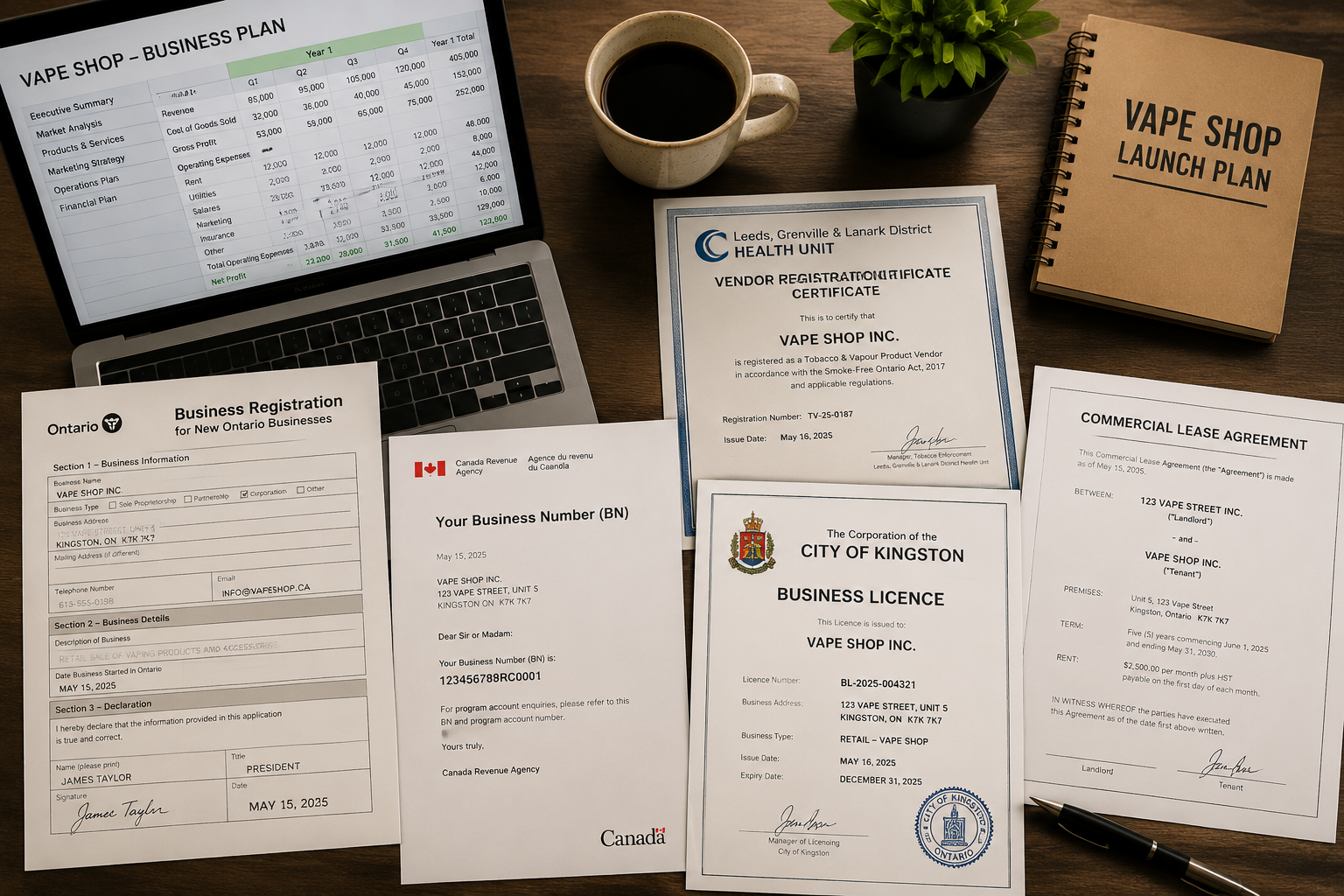
Here’s the breakdown:
1. CRA Business Number and GST/HST Registration Before anything else, register your business entity (sole proprietorship, partnership, or corporation) and obtain a Business Number from the Canada Revenue Agency. If your annual revenue will exceed $30,000, you must also register for a GST/HST account.
2. Municipal Business Licence Contact your local municipal government (city hall) to apply for a general business licence. Some municipalities have specific categories for tobacco and vapour product retailers. Fees vary by city but typically range from $100 to $500 annually.
3. Tobacco and Vapour Products Vendor Registration This is the vape-specific requirement. Under the Smoke-Free Ontario Act, 2017, every retailer selling vapour products must register with the public health unit in their region. This registration enables inspections and enforcement. Failing to register can result in fines and forced closure.
4. Federal Vaping Product Licence (only if manufacturing or importing) If you plan to manufacture e-liquids or import finished vaping products and apply excise stamps, you’ll need to submit Form L600 to the CRA, provide at least $5,000 in financial security, and meet strict eligibility criteria. Most Ontario vape shop owners skip this step entirely by purchasing from already-licensed Canadian distributors.
For a deeper look at Ontario’s regulatory framework, see our complete guide to vaping laws in Ontario for 2026.
How Much Does It Cost to Start a Vape Shop?
A small Ontario vape shop can launch for roughly $15,000 to $30,000 in a modest location, while a mid-size store in a high-traffic area can cost $50,000 to $80,000 or more. The biggest variable is your opening inventory.
| Expense Category | Estimated Range |
|---|---|
| Business registration and licences | $200 – $1,000 |
| Lease deposit (first and last month) | $3,000 – $12,000 |
| Store buildout and fixtures | $5,000 – $20,000 |
| Initial inventory | $5,000 – $30,000 |
| POS system and technology | $500 – $3,000 |
| Insurance (annual) | $1,500 – $4,000 |
| Signage and branding | $500 – $3,000 |
| Marketing (initial) | $500 – $2,000 |
| Total estimated range | $15,000 – $80,000 |
Common mistake: Many new owners overspend on inventory before understanding local demand. Start with a curated selection of best-selling products, including popular categories like disposable vapes, and expand based on actual sales data.
How to Become a Vape Retailer in Ontario: A Step-by-Step Setup Guide for Beginners
This section walks through the full process from idea to opening day. Follow these steps in order to avoid delays and compliance issues.
Step 1: Write a Business Plan Outline your target market, product mix, pricing strategy, location preferences, and financial projections. Include a section on regulatory compliance and risk mitigation for potential future regulation changes.
Step 2: Choose Your Business Structure Decide between a sole proprietorship, partnership, or corporation. A corporation offers liability protection but costs more to set up (typically $1,000 to $2,500 with a lawyer or online service).
Step 3: Register with the CRA Obtain your Business Number and register for GST/HST. If you’ll have employees, also register for payroll accounts.
Step 4: Secure Financing Use personal savings, a small business loan, or a line of credit. Have enough capital to cover at least six months of operating expenses beyond your startup costs.
Step 5: Find and Lease Your Location Choose a location that meets municipal zoning requirements for vapour product retail. More on this below.
Step 6: Apply for Your Municipal Business Licence Visit your city’s licensing office or apply online. Processing times vary from a few days to several weeks.
Step 7: Register as a Vapour Products Vendor Contact your local public health unit and complete the vendor registration. This is mandatory before your first sale.
Step 8: Source Your Inventory Partner with licensed Canadian wholesalers who supply products with valid federal excise stamps. Our guide on how to choose the best wholesale vape supplier in Ontario covers what to look for.
Step 9: Set Up Your Store Install display cases (compliant with SFOA display restrictions), POS system, security cameras, and age verification signage.
Step 10: Train Your Staff Every employee must understand age verification procedures, product knowledge, and SFOA compliance rules.
Step 11: Open for Business Begin selling, track your sales data, and stay current on regulatory updates.
What Health Canada Regulations Do You Need to Follow?
Every vaping product sold in Canada must comply with the federal Tobacco and Vaping Products Act (TVPA) and the Excise Act, 2001. As a retailer, your main obligations are selling only compliant products and following federal marketing restrictions.
Key federal rules for retailers:
- Nicotine concentration cap: No vaping product sold in Canada may exceed 20 mg/mL of nicotine. Learn more about what the nicotine cap means in practice.
- Excise stamps: All vaping products must carry a valid federal excise stamp. Products without stamps are considered contraband. Our resource on how to spot legal products by their excise stamps is worth reviewing before you place your first wholesale order.
- Ingredient restrictions: Certain ingredients (like vitamins and caffeine added for marketing appeal) are prohibited in vaping liquids.
- Health warnings: Packaging must include Health Canada-mandated health warnings.
- No youth-appealing marketing: Federal law prohibits advertising that could be appealing to young persons, including certain flavour names, cartoon imagery, and lifestyle branding.
Edge case: If you sell products online and ship across provincial borders, you must still comply with the destination province’s rules, not just Ontario’s. Federal rules apply everywhere in Canada.
Are There Age Restrictions for Selling Vaping Products?
Yes. Ontario law sets the minimum age to purchase vapour products at 19 years old. This is enforced under the Smoke-Free Ontario Act, 2017, and applies to all retail channels, both in-store and online.
Retailers must:
- Request government-issued photo ID from anyone who appears to be under 25
- Refuse the sale if the customer cannot produce valid ID
- Post visible signage stating that sales to persons under 19 are prohibited
Can you sell vapes if you’re under 19? No. While the SFOA specifically prohibits the sale of vapour products to minors, most Ontario employers also require retail staff handling vapour products to be at least 19. There is no explicit provincial law barring someone under 19 from working in a vape shop in a non-sales capacity, but the practical and liability risks make it inadvisable. Most shop owners set a blanket 19+ hiring policy.
How Do You Verify Customer Age When Selling Vapes?
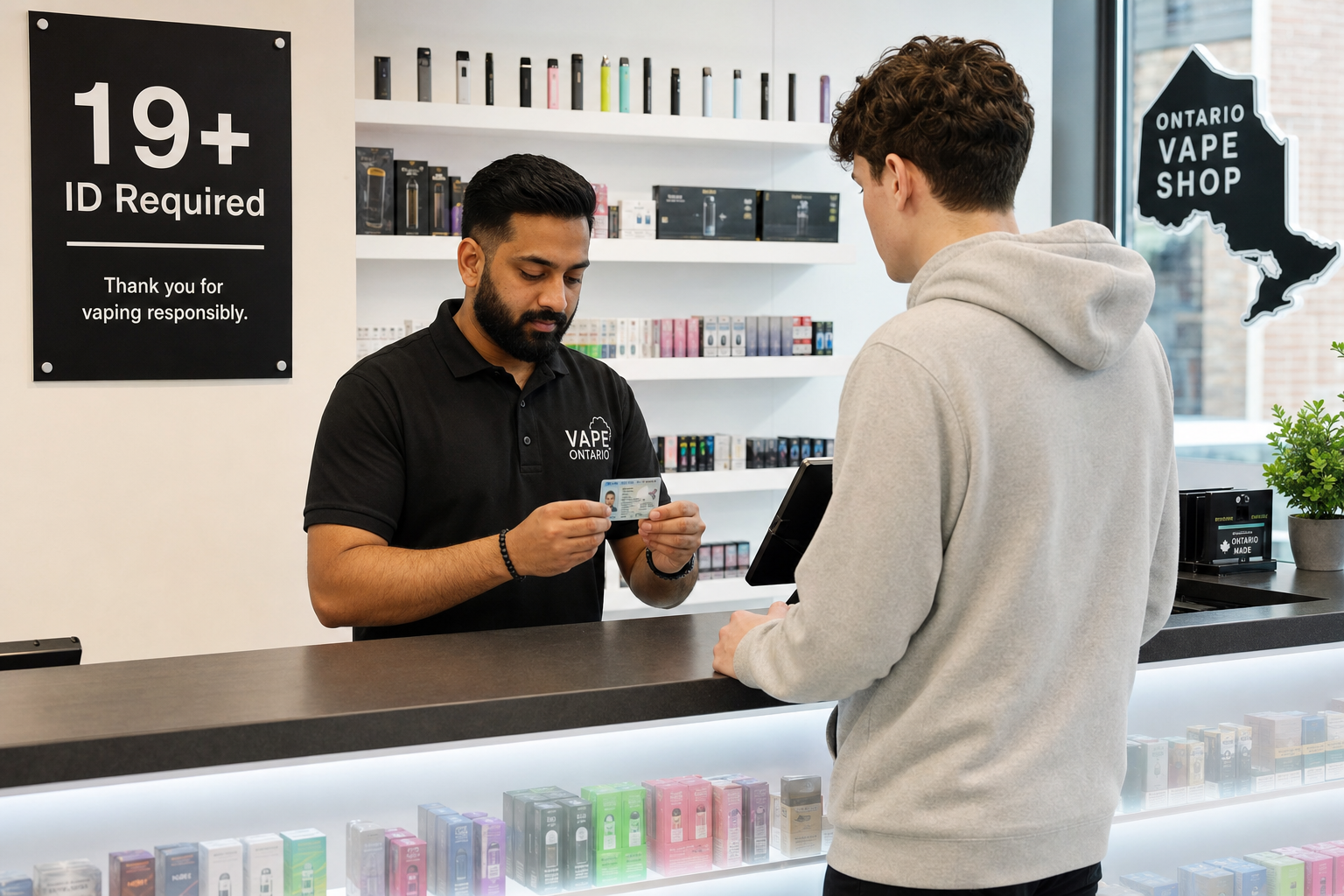
Ontario retailers must check government-issued photo ID for any customer who appears under 25. Acceptable forms of ID include an Ontario driver’s licence, Ontario Photo Card, Canadian passport, or Permanent Resident Card.
Best practices for age verification:
- Train every staff member on ID checking procedures during onboarding
- Use a “challenge 25” policy — ask for ID from anyone who looks under 25, even though the legal age is 19
- Never accept expired ID or digital photos of ID on a phone
- Log refusals to demonstrate compliance during public health inspections
- For online sales, use an age-gate on your website and verify age at the point of delivery (require a signature from someone 19+)
Decision rule: If there is any doubt about a customer’s age and they cannot produce valid ID, refuse the sale. The fine for selling to a minor is up to $4,000 for a first offence and up to $10,000 for subsequent offences for individuals, with higher penalties for corporations.
What’s the Difference Between a Vape Store and an Online Vape Business?
A physical vape store and an online vape business face the same federal and provincial product regulations, but they differ significantly in startup costs, customer reach, and operational requirements.
| Factor | Physical Store | Online Store |
|---|---|---|
| Startup cost | $15,000 – $80,000+ | $5,000 – $25,000 |
| Customer reach | Local foot traffic | Province-wide or national |
| Age verification | In-person ID check | Age-gate + delivery verification |
| Display restrictions | SFOA rules on product visibility | Product images allowed on website (with restrictions) |
| Lease required | Yes | No (can operate from home or warehouse) |
| Customer experience | Hands-on product testing (limited by law) | Photos, descriptions, reviews |
| Vendor registration | Required with local public health unit | Required based on business address location |
Choose a physical store if you want to build a local community, offer in-person advice, and benefit from impulse purchases. Choose online if you want lower overhead and broader geographic reach but are comfortable managing shipping logistics and digital age verification.
Many successful Ontario vape retailers operate both channels. For insights into the wholesale side of online selling, see our guide on selling wholesale disposable vapes in Canada.
Where Can You Source Wholesale Vaping Inventory?
Partner with licensed Canadian wholesalers who carry products with valid federal excise stamps and comply with Health Canada’s nicotine and ingredient rules. Buying from unlicensed or grey-market suppliers puts your business at serious legal risk.
What to look for in a wholesale supplier:
- Valid Canadian business registration and compliance documentation
- Products bearing federal excise stamps
- Nicotine concentrations at or below 20 mg/mL
- Competitive pricing with transparent minimum order quantities
- Reliable shipping timelines within Ontario
- A diverse product catalogue including popular formats like disposables, pod systems, and e-liquids
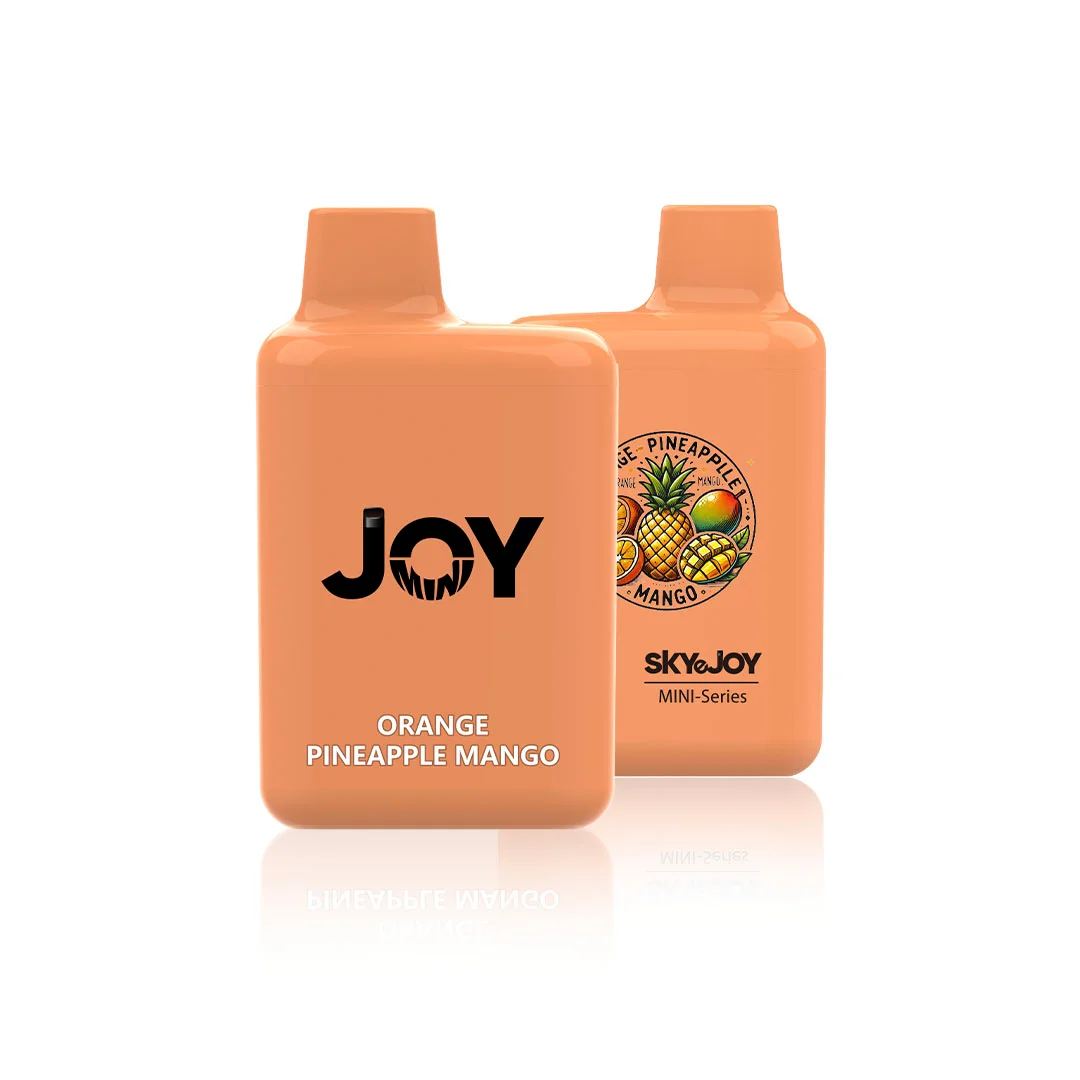
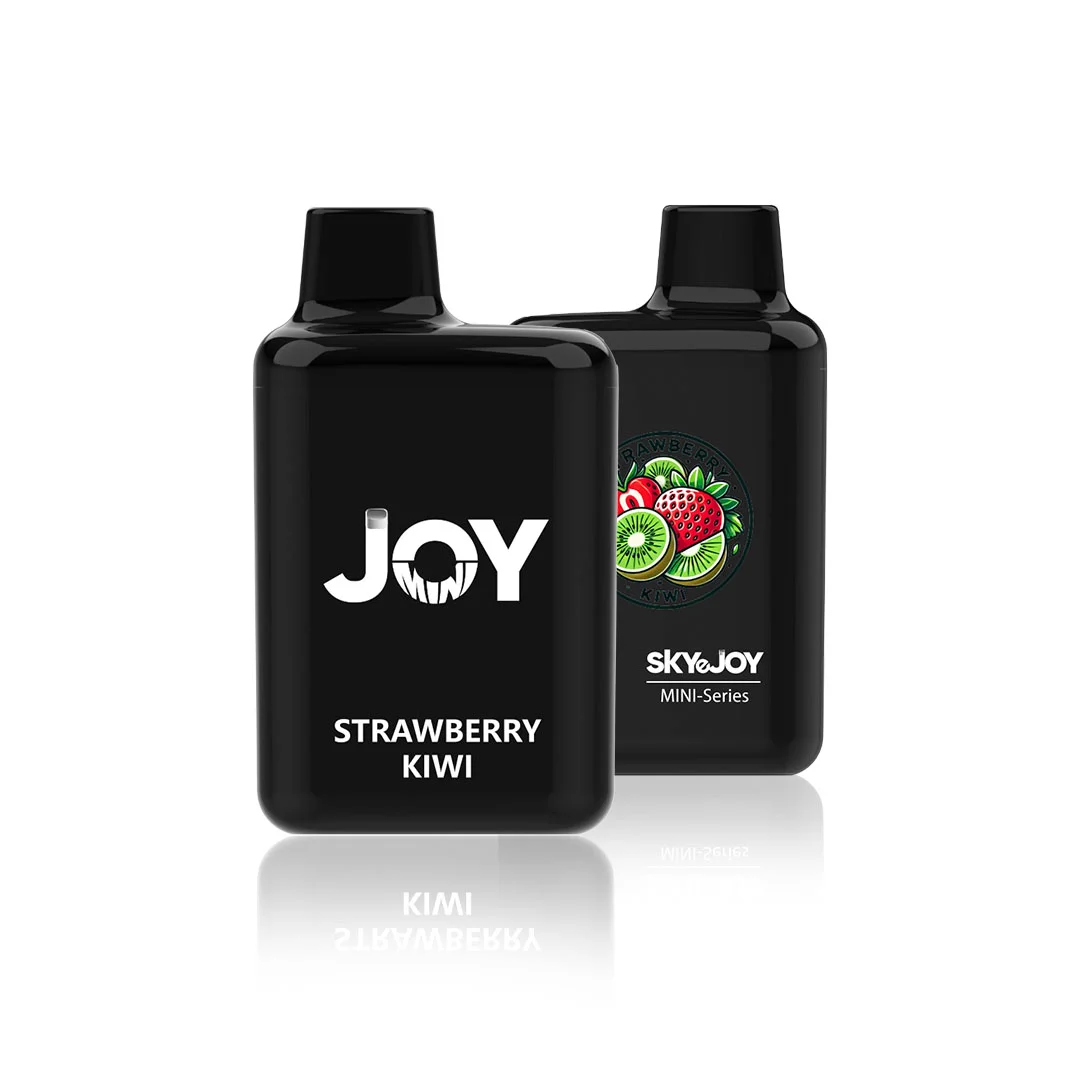
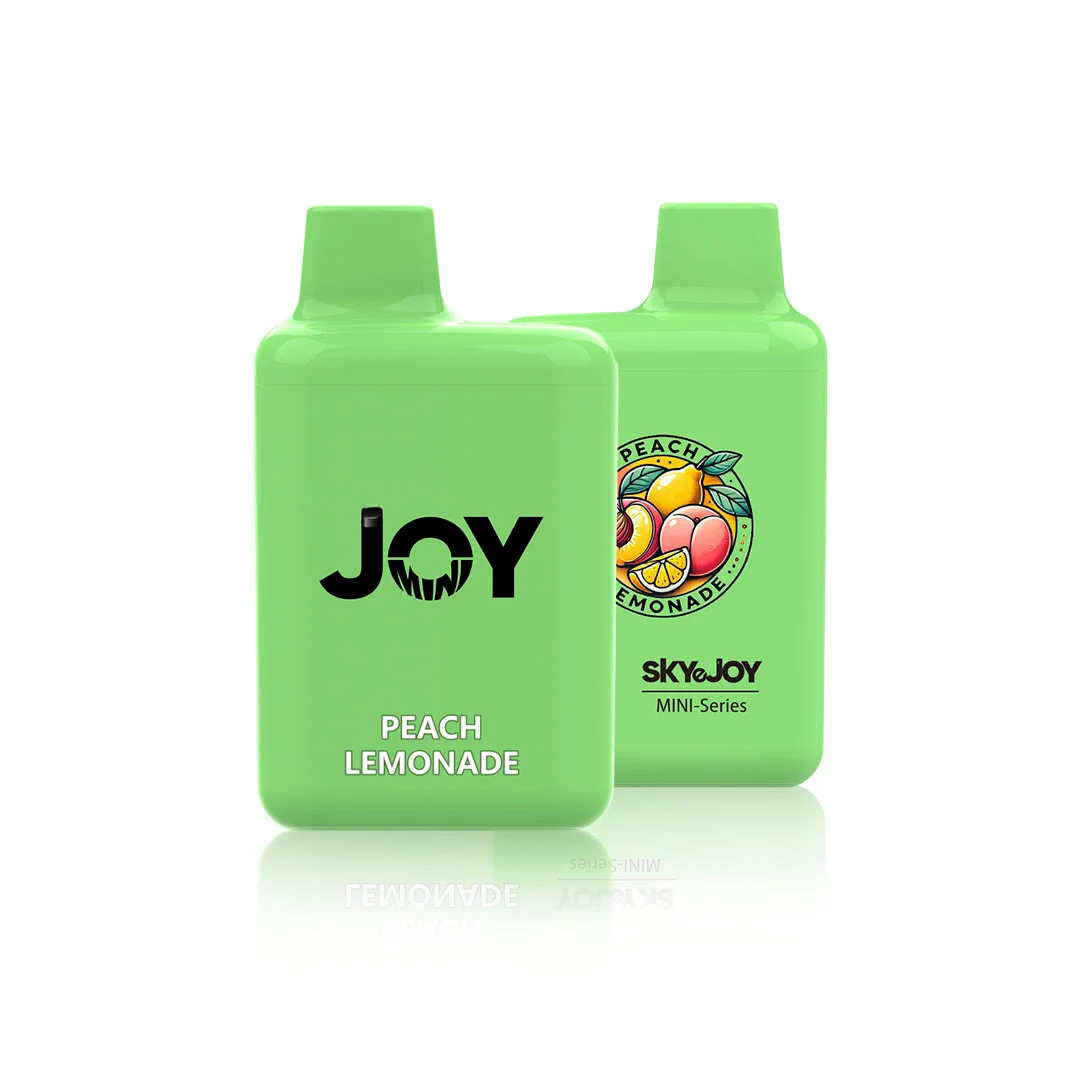
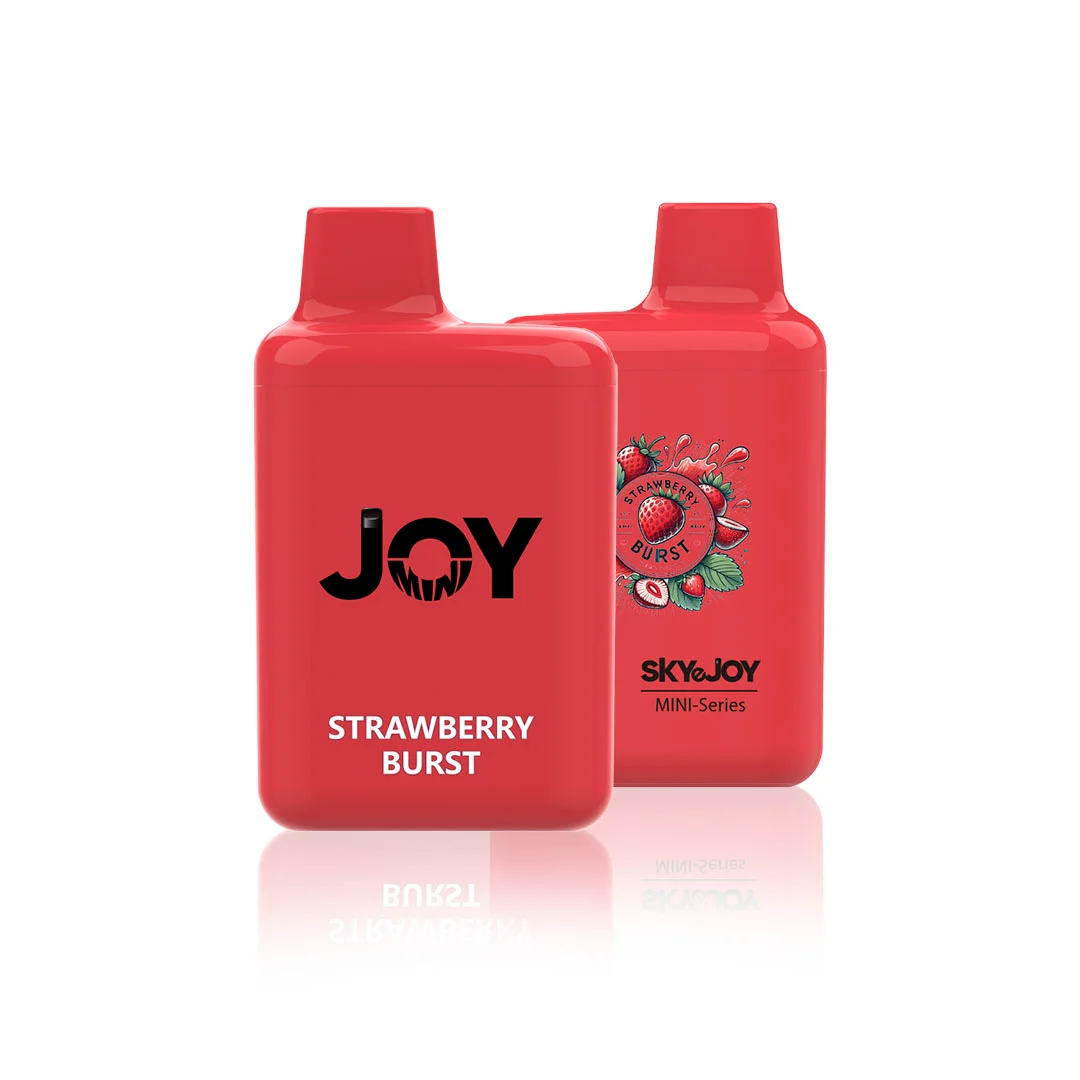
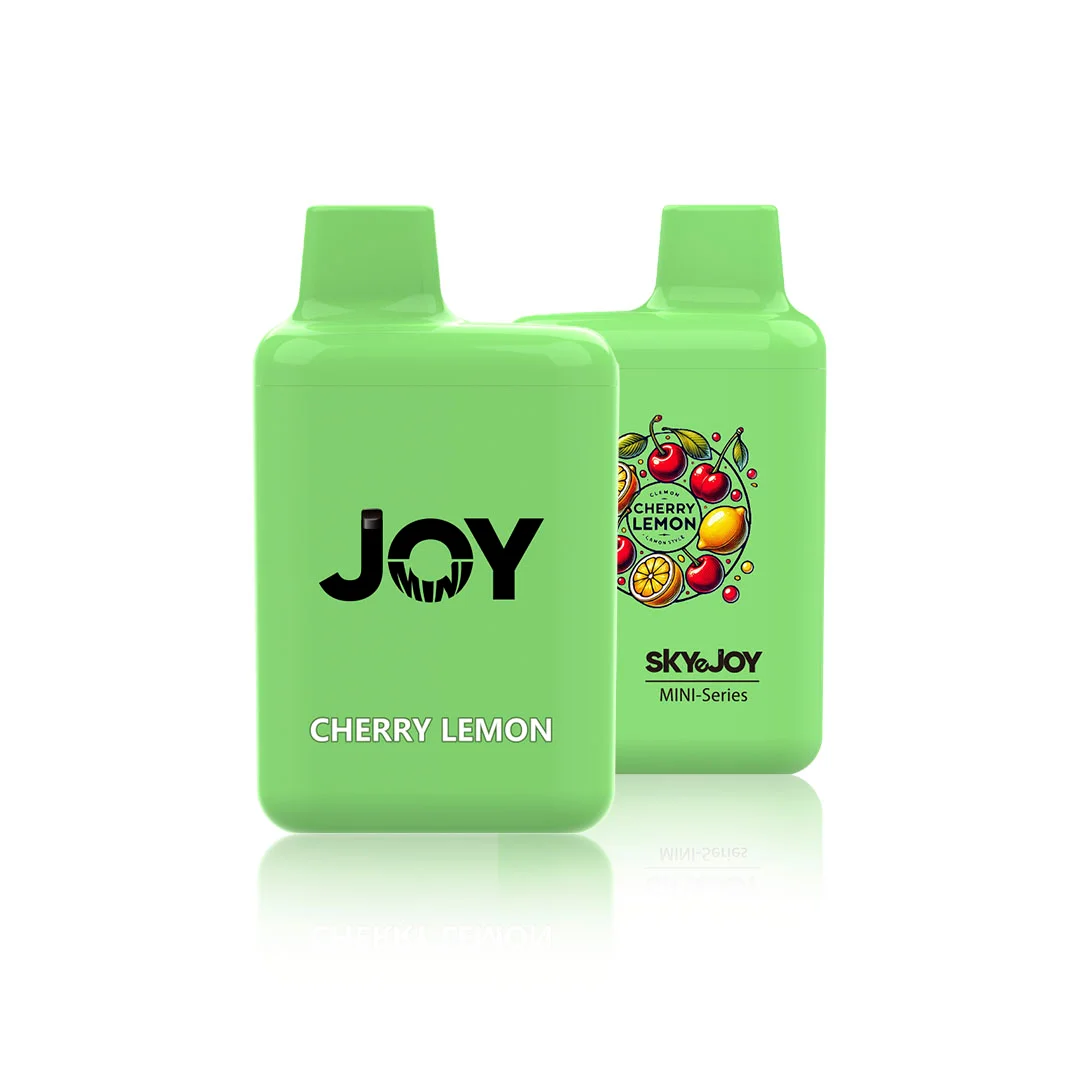
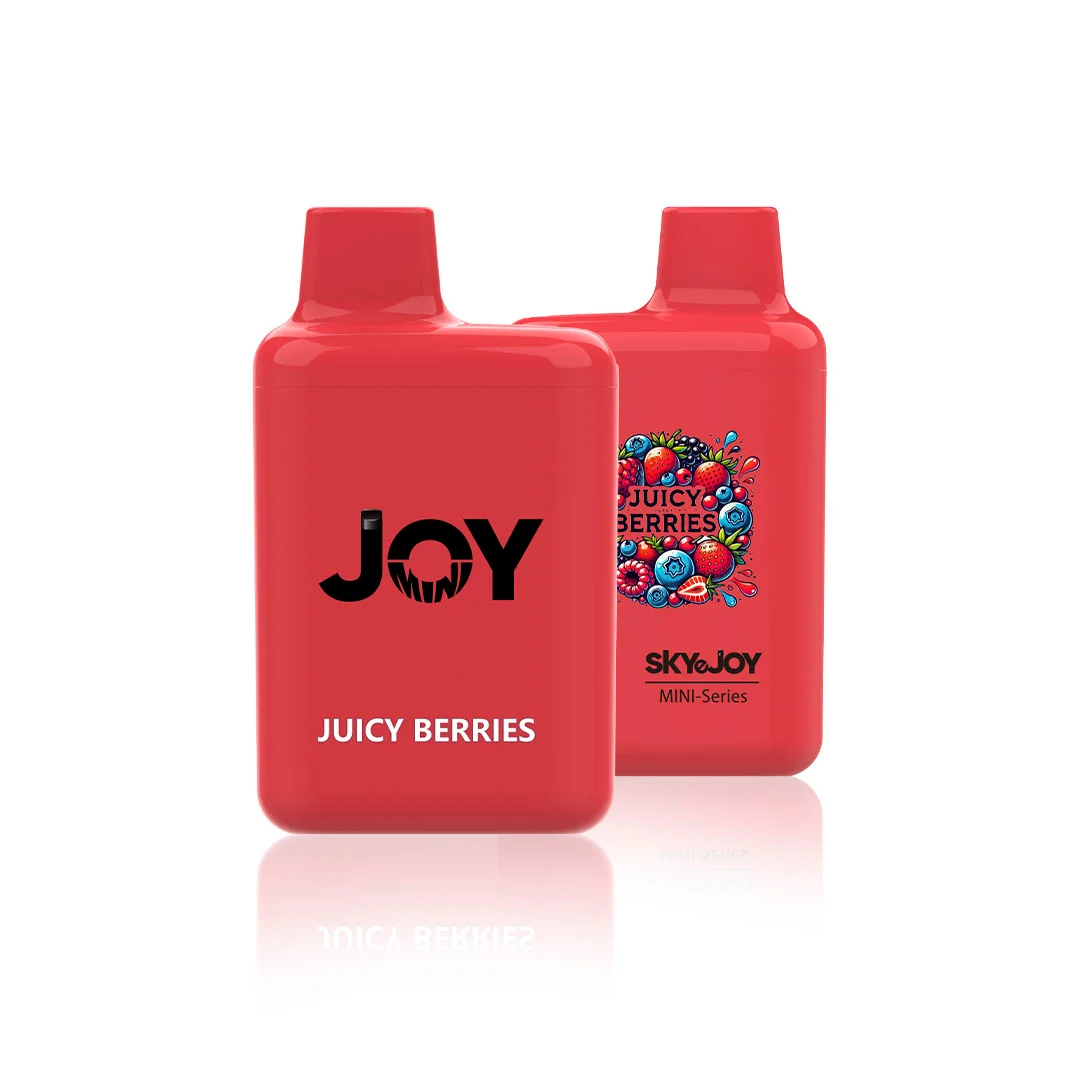
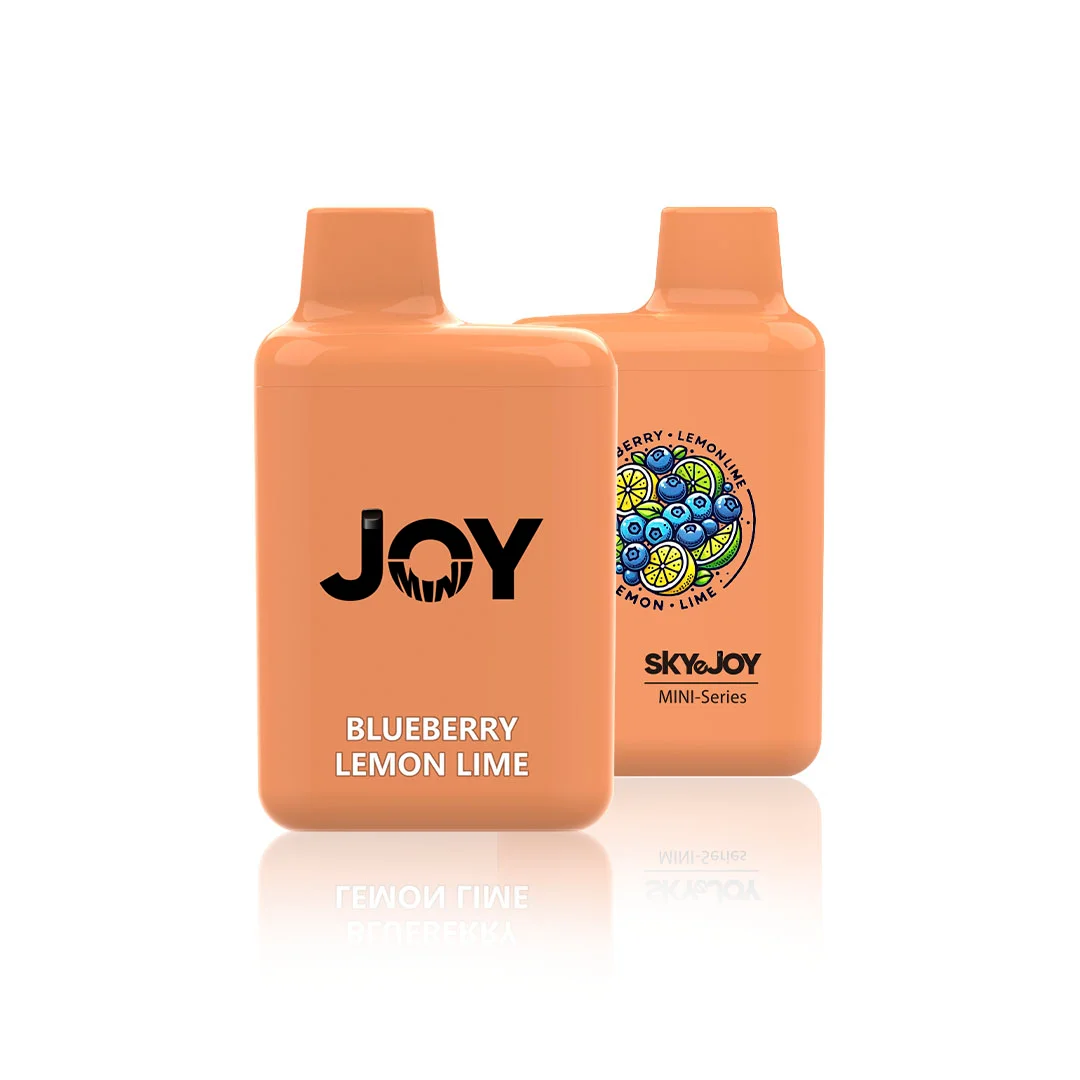
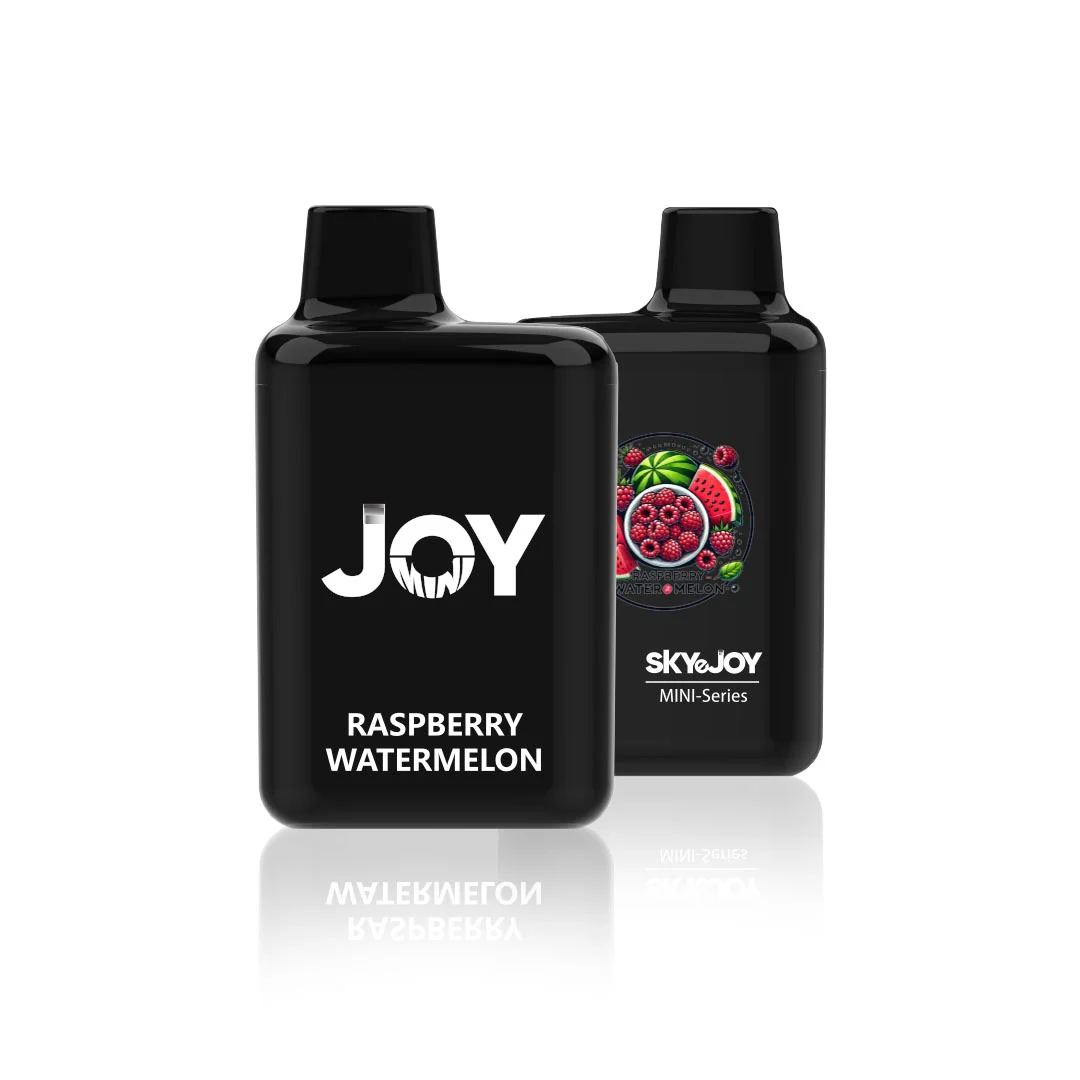
Joy Mini offers wholesale disposable vapes for Ontario retailers with compliant products and competitive pricing. Before committing to any supplier, review our checklist of 12 questions to ask a wholesale vape supplier.
Common mistake: Ordering large quantities from a single supplier before testing product quality and customer demand. Start with smaller orders from two or three suppliers, compare sell-through rates, and then consolidate your purchasing with the best performers.
What Kind of Location Works Best for a Vape Store?
The ideal vape store location has high foot traffic, is zoned for vapour product retail, and is not within a restricted distance from schools or other sensitive areas (check your municipality’s specific bylaws).
Factors to evaluate:
- Zoning compliance: Confirm with your municipal planning department that the address permits vapour product retail. Some areas restrict vape shops near schools, community centres, or other vape stores.
- Foot traffic and visibility: Locations near busy intersections, strip malls, or commercial districts perform best. A corner unit with street-facing windows is ideal.
- Lease terms: Negotiate a shorter initial lease (two to three years) with renewal options. Avoid five-year commitments until you’ve proven the location works.
- Size: Most standalone vape shops operate effectively in 400 to 800 square feet. You don’t need a large space, but you do need enough room for compliant product displays and a comfortable customer area.
- Parking: In suburban Ontario, accessible parking is essential. Urban locations can rely more on foot traffic and transit access.
- Proximity to competitors: Being near another vape shop isn’t always bad, as it can signal demand. But avoid oversaturated areas where three or more shops already serve a small population.
What Marketing Restrictions Exist for Vape Shops in Ontario?
Vape marketing in Ontario is among the most restricted of any retail category. Both federal (TVPA) and provincial (SFOA) laws limit how, where, and to whom you can advertise.
What you cannot do:
- Advertise vaping products in any medium where the ad could be seen by minors (billboards, transit ads, general social media targeting)
- Use testimonials or endorsements in advertising
- Promote vaping products as a health benefit or lifestyle product
- Display products in a way visible from outside the store (window displays showing actual products are prohibited)
- Offer free samples of vaping products
- Use branding elements that appeal to youth (cartoon characters, candy-like imagery)
What you can do (with caution):
- Advertise in age-gated environments (inside the store, on age-verified websites, in direct mail to verified adults)
- Use point-of-sale signage inside your store
- Maintain a website with product listings behind an age gate
- Build a social media presence focused on brand awareness (not product promotion) and comply with platform-specific rules
- Rely on word-of-mouth and customer loyalty programs
Decision rule: When in doubt about whether a marketing tactic is compliant, consult a lawyer familiar with the TVPA and SFOA before launching the campaign. The penalties for non-compliant advertising can be severe.
Do You Need Special Insurance for a Vape Retail Business?
Yes. Standard commercial insurance is essential, and you should look for policies that specifically cover tobacco and vapour product retail. Not all insurers will underwrite vape businesses, so shop around.
Recommended coverage types:
- Commercial general liability (CGL): Covers third-party injury or property damage claims. Aim for at least $2 million in coverage.
- Product liability: Protects against claims related to defective products you sell (e.g., a device malfunction causing injury).
- Property insurance: Covers your inventory, fixtures, and equipment against fire, theft, or water damage.
- Business interruption insurance: Replaces lost income if your store is forced to close temporarily due to a covered event.
- Cyber liability (for online retailers): Covers data breaches involving customer information.
Annual premiums for a small vape shop typically range from $1,500 to $4,000 depending on location, revenue, and coverage limits. Contact a commercial insurance broker who has experience with tobacco or vapour product retailers.
How Profitable Is a Vape Shop in Ontario?
A well-run Ontario vape shop can generate healthy margins, but profitability depends heavily on location, product mix, overhead costs, and customer retention. Gross margins on vaping products typically range from 40% to 60%, which is strong compared to many retail categories.
Rough financial snapshot for a small-to-mid-size Ontario vape shop:
| Metric | Estimated Range (Monthly) |
|---|---|
| Gross revenue | $8,000 – $30,000 |
| Cost of goods sold | $3,200 – $15,000 |
| Rent | $1,500 – $5,000 |
| Staff wages | $2,000 – $6,000 |
| Insurance, utilities, misc. | $500 – $1,500 |
| Net profit (before tax) | $800 – $5,000+ |
These are estimates based on general industry patterns for small Ontario retail operations. Actual results vary widely. Shops in high-traffic urban areas with loyal customer bases can significantly exceed these numbers.
Factors that increase profitability:
- Stocking high-demand products like popular disposable vapes that turn over quickly
- Building repeat customer relationships through excellent service and product knowledge
- Keeping overhead low with a right-sized location
- Negotiating better wholesale pricing as order volumes grow
- Adding complementary products (accessories, replacement coils, carrying cases)
Factors that hurt profitability:
- Overstocking slow-moving inventory
- Choosing a high-rent location without matching foot traffic
- Failing to comply with regulations (fines erode margins fast)
- Ignoring online sales as a supplementary revenue channel
What Are the Common Mistakes New Vape Retailers Make?
New vape shop owners in Ontario tend to make the same handful of avoidable errors. Here are the most frequent ones:
Skipping vendor registration: Opening before registering with the local public health unit is illegal and will result in enforcement action during the first inspection.
Selling non-compliant products: Stocking products without valid excise stamps or with nicotine levels above 20 mg/mL can lead to product seizure and significant fines.
Ignoring display rules: The SFOA restricts how vapour products can be displayed. Products should not be visible from outside the store, and in-store displays must comply with specific regulations, particularly if the store is not classified as a “specialty vape store.”
Underestimating regulatory changes: The vaping regulatory landscape in Canada changes frequently. Budget time and money for ongoing compliance monitoring.
Poor inventory management: Ordering too much of one product or too many SKUs before understanding local demand ties up cash and leads to waste.
Weak age verification practices: Even one sale to a minor can result in fines and damage your reputation. Train staff thoroughly and enforce ID checks without exception.
Overspending on the buildout: An Instagram-worthy store is nice, but customers care more about product selection, pricing, and knowledgeable staff. Allocate your budget accordingly.
Frequently Asked Questions
Do I need a federal licence to sell vapes in Ontario? No, not if you are strictly a retailer buying from licensed Canadian wholesalers. The federal vaping product licence under the Excise Act, 2001 applies to manufacturers and importers who apply excise stamps. Retailers are exempt from this requirement.
How long does it take to open a vape shop in Ontario? From business registration to opening day, expect four to eight weeks if you already have a location secured. Delays usually come from lease negotiations, municipal licence processing, or buildout timelines.
Can I sell vapes from my home in Ontario? Technically, you could operate an online vape business from a home address, but you must still register with the CRA, obtain a municipal business licence (check if home-based businesses are permitted in your zone), and register with your local public health unit. Residential zoning may prohibit retail operations.
What happens if I sell vapes to someone under 19? Under the SFOA, fines for selling to a minor start at up to $4,000 for a first individual offence and can reach $10,000 for subsequent offences. Corporations face fines up to $100,000. Repeat violations can lead to licence revocation.
Do I need to collect HST on vape sales? Yes. Vaping products are subject to the standard 13% HST in Ontario. You must register for a GST/HST account with the CRA if your annual revenue exceeds $30,000.
Can I sell CBD or cannabis vapes in my vape shop? No. Cannabis products, including cannabis vape cartridges, can only be sold through authorized Ontario Cannabis Store (OCS) channels or licensed private cannabis retail stores. A standard vape shop licence does not permit cannabis sales.
Are flavoured vapes still legal to sell in Ontario? As of 2026, flavoured vaping products remain legal for sale in Ontario, though federal and provincial governments continue to review flavour restrictions. Stay current on regulatory updates, as this could change.
Do I need a separate licence for each store location? Yes. Each retail location requires its own municipal business licence and separate vendor registration with the relevant local public health unit.
What is a “specialty vape store” under Ontario law? A specialty vape store is a retail location that derives the majority of its revenue from vapour products and related accessories. These stores have slightly different display and promotion rules under Ontario Regulation 268/18, including the ability to display products more openly within the store.
Can I sell vapes at a farmers’ market or pop-up event? This is generally not permitted. The SFOA’s vendor registration and display requirements make temporary retail locations extremely difficult to operate compliantly. Stick to a fixed retail location.
How often will my store be inspected? Local public health units conduct routine inspections and may also perform unannounced compliance checks, including test purchases using underage individuals. Frequency varies by region, but expect at least one to two inspections per year.
What records should I keep for compliance purposes? Maintain records of your vendor registration, wholesale purchase invoices (showing excise stamp verification), staff training logs for age verification, and any compliance correspondence with public health authorities. Keep these records for at least three years.
Conclusion
Starting a vape retail business in Ontario is a viable opportunity in 2026, but it requires careful attention to federal and provincial regulations from day one. The path is straightforward: register your business, get your municipal licence, complete your vendor registration with the local public health unit, source compliant inventory from licensed wholesalers, and train your staff on age verification and SFOA compliance.
Your next steps:
- Draft your business plan with realistic financial projections and a compliance section.
- Register your business with the CRA and apply for your municipal business licence this week.
- Contact your local public health unit to begin the vendor registration process.
- Research wholesale suppliers and request sample orders from two or three options. Joy Mini’s wholesale page is a good starting point for Ontario retailers.
- Secure your location, complete your buildout, and open with confidence.
The retailers who succeed long-term are the ones who treat compliance not as a burden but as a competitive advantage. Customers trust shops that operate transparently and legally, and that trust translates directly into repeat business and referrals.
SEO Meta Title: How to Become a Vape Retailer in Ontario: Setup Guide
SEO Meta Description: Learn how to become a vape retailer in Ontario with this step-by-step guide covering licences, costs, age rules, suppliers, and compliance for 2026.