
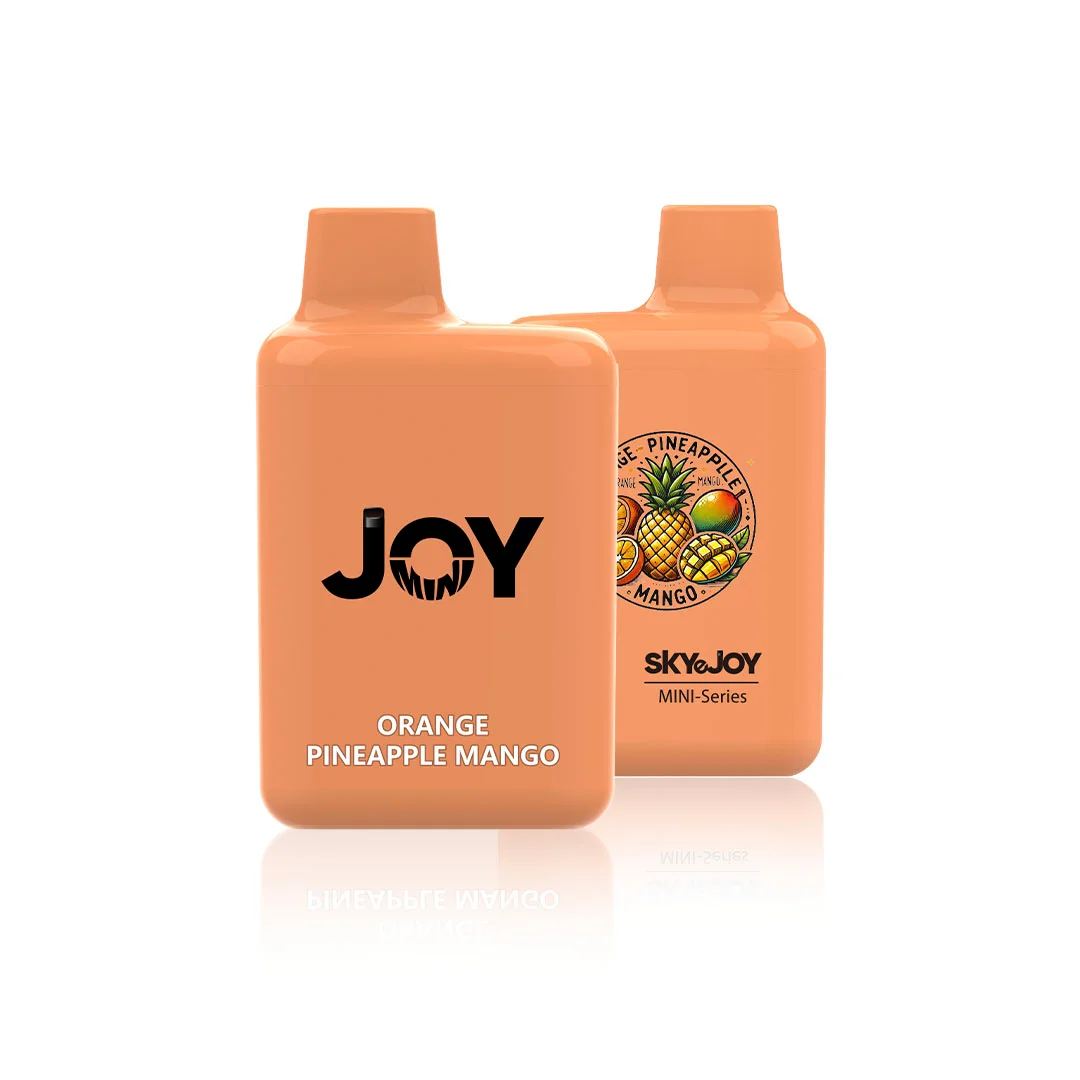
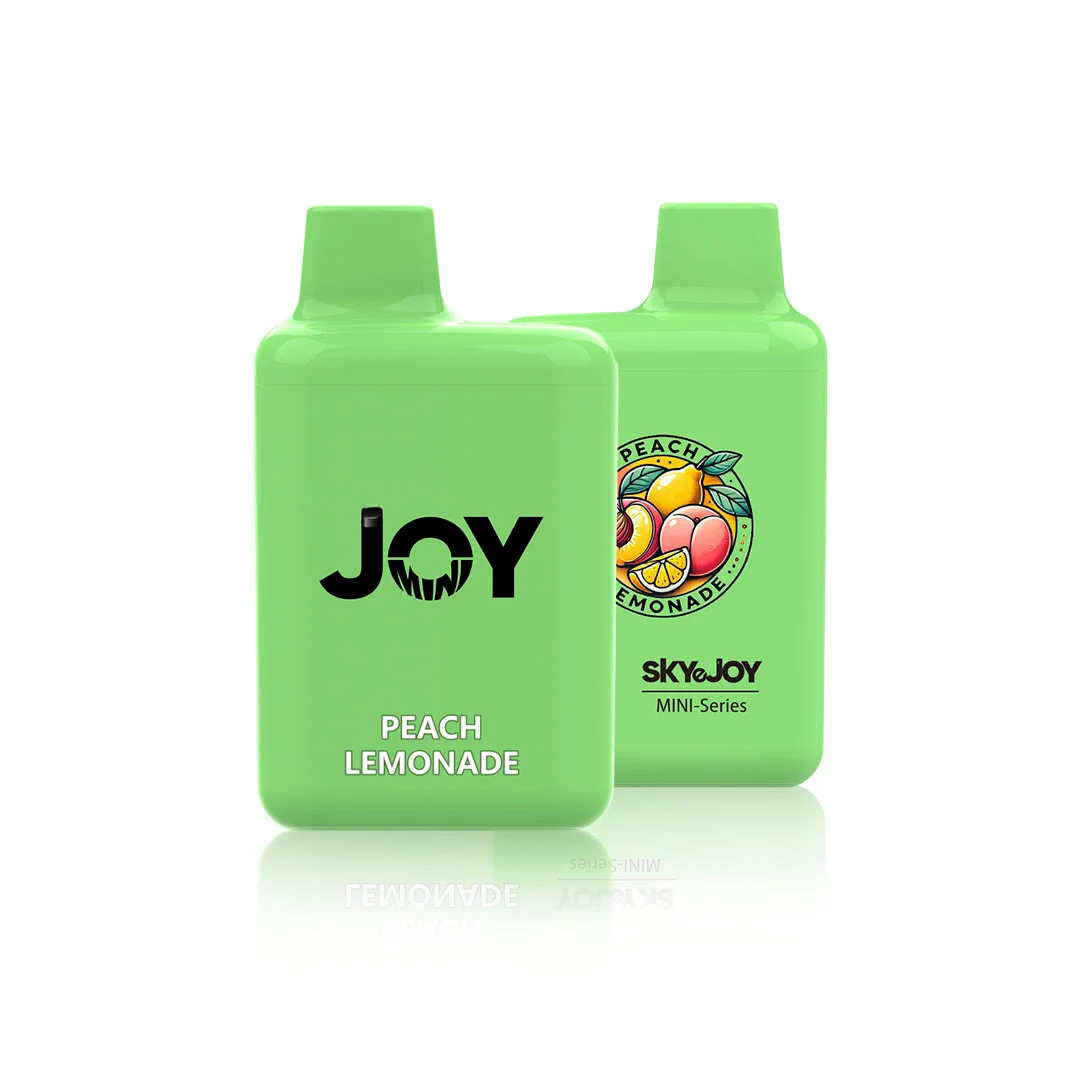



Selling wholesale disposable vapes in Canada is not a casual business. It is structured, regulated, and in many ways, surprisingly strict. At first glance, it feels like a fast-moving market with strong demand and solid margins. And it is. But behind that momentum is a framework of federal and provincial laws that you cannot ignore. Every product, every shipment, every label, even the way you talk about your products, has legal consequences.
If you are thinking about entering wholesale vape distribution, or expanding your existing operations, it helps to slow down and really understand how the system works. I think many people assume wholesale is simply buying in bulk and reselling. In Canada, it is much more than that. It is about compliance, credibility, and consistency.
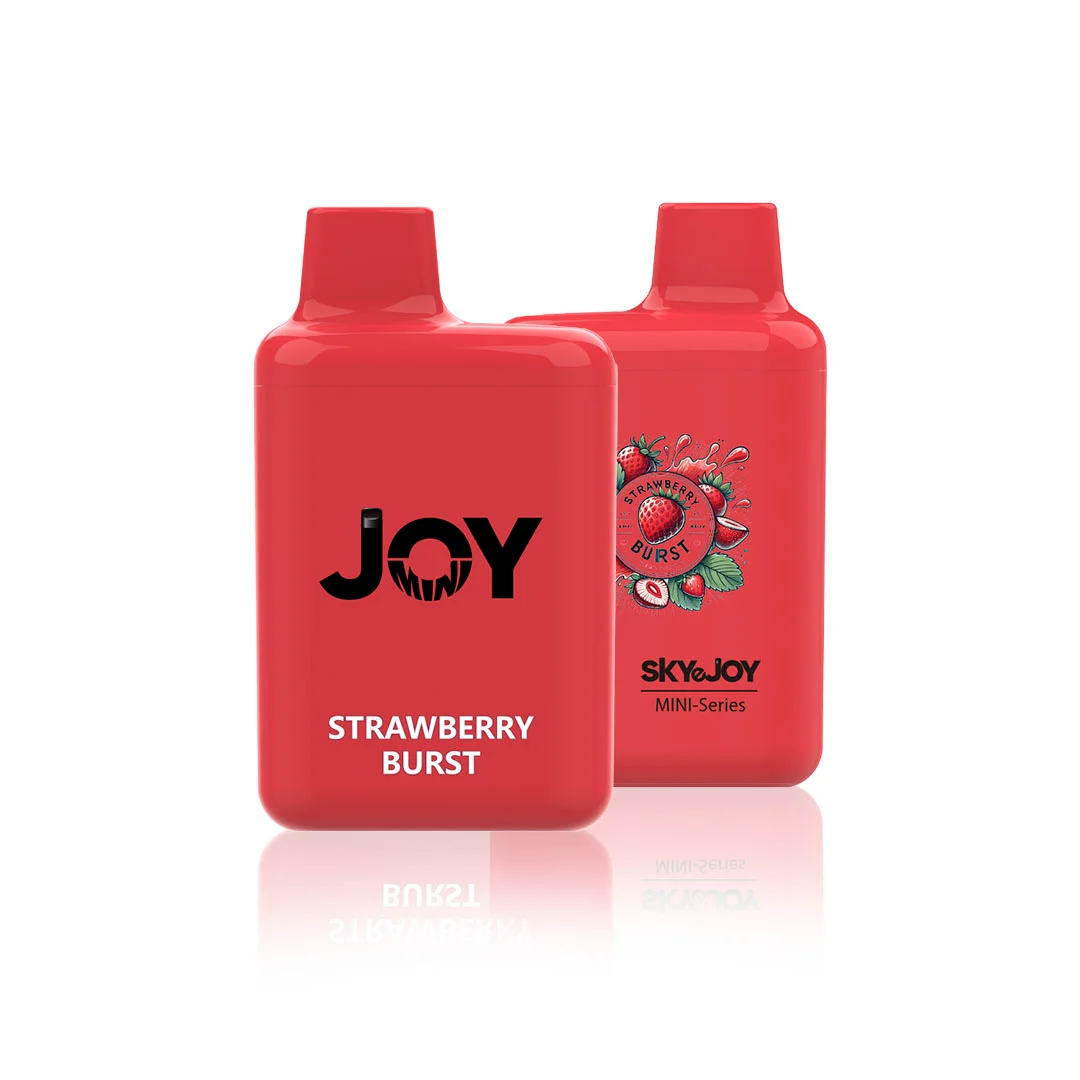
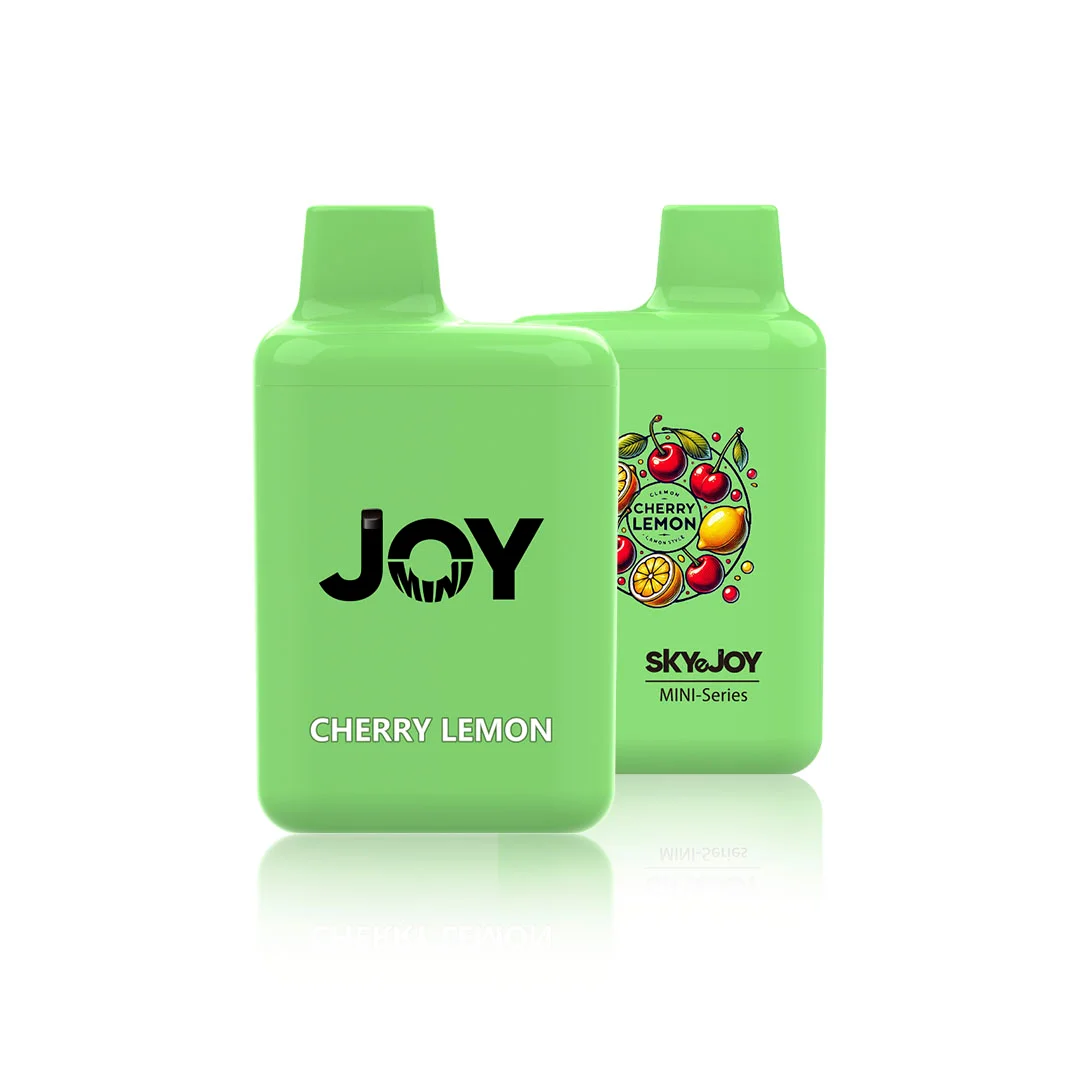
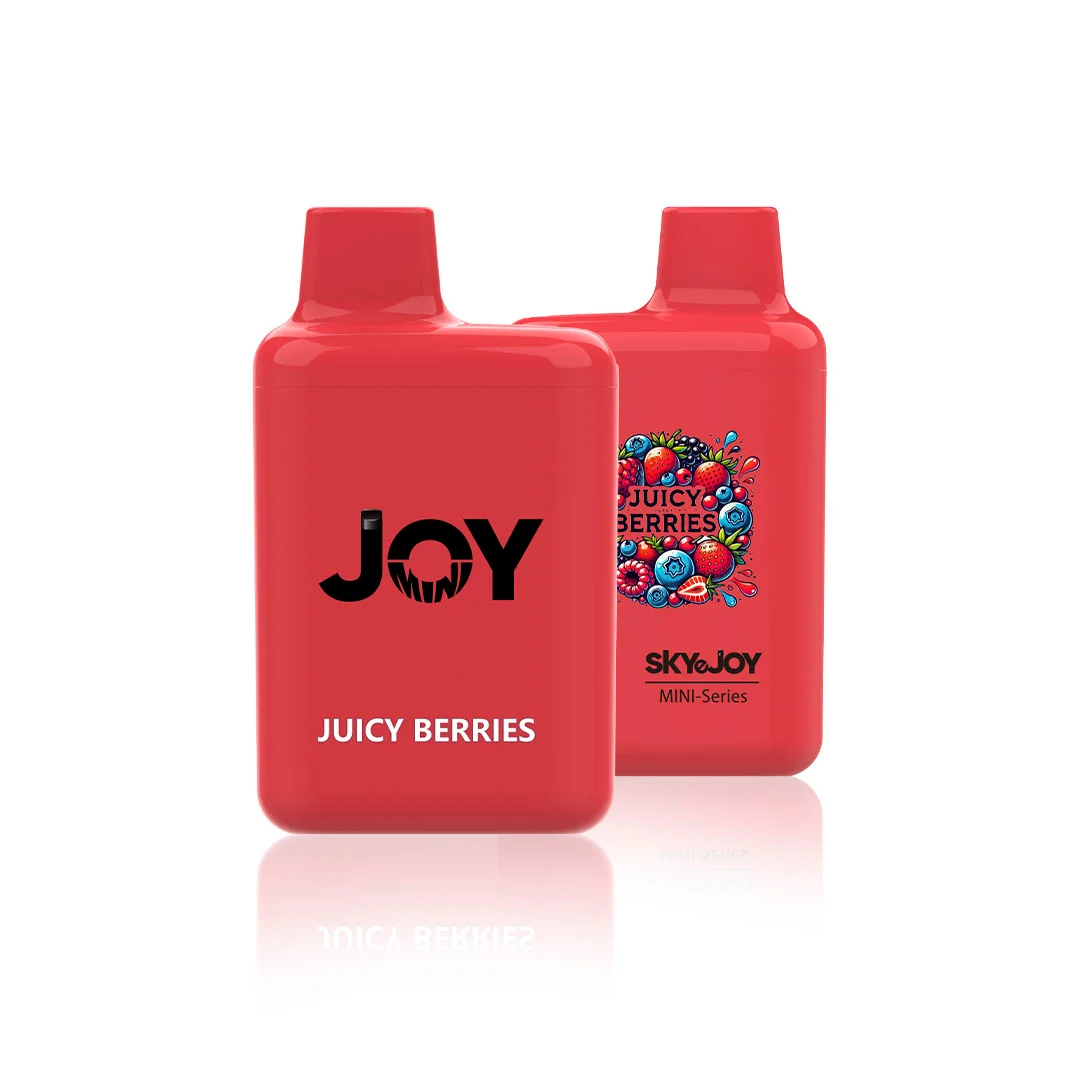
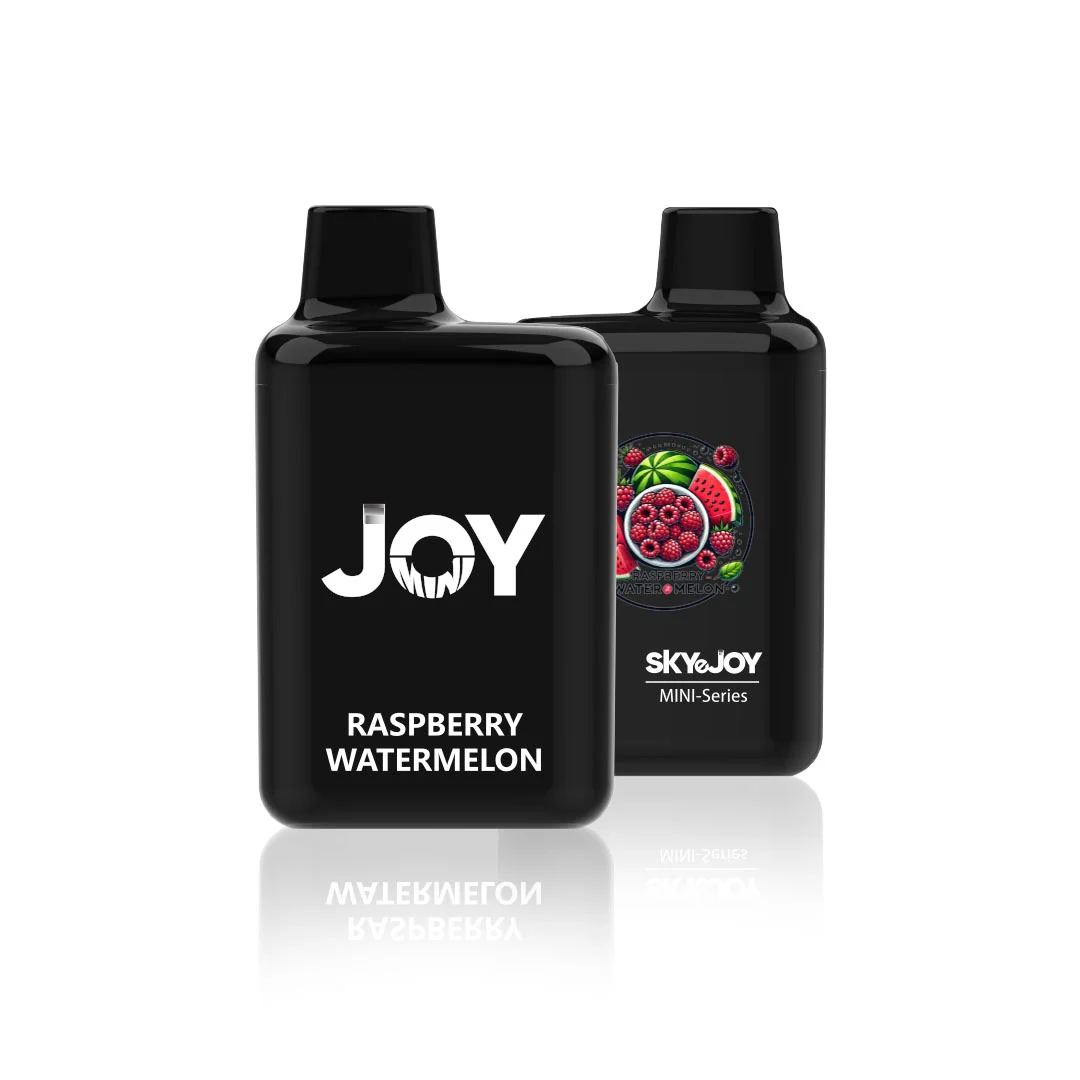
Wholesale vape operations revolve around working only with licensed businesses, supplying compliant products, maintaining a reliable inventory pipeline, and positioning yourself as a dependable partner to retailers. This is where companies like JoyMini play a dual role, operating both as a Vape wholesaler and as a brand. That combination matters. It creates tighter quality control and simplifies supply chains.
In simple terms, wholesale disposable vape distribution in Canada requires:
Understanding the Tobacco and Vaping Products Act
Holding the correct provincial licenses
Supplying only compliant products
Building trust with retailers through reliability
Managing margins without cutting regulatory corners
It is not glamorous work. But it is stable, scalable, and if done correctly, very profitable.
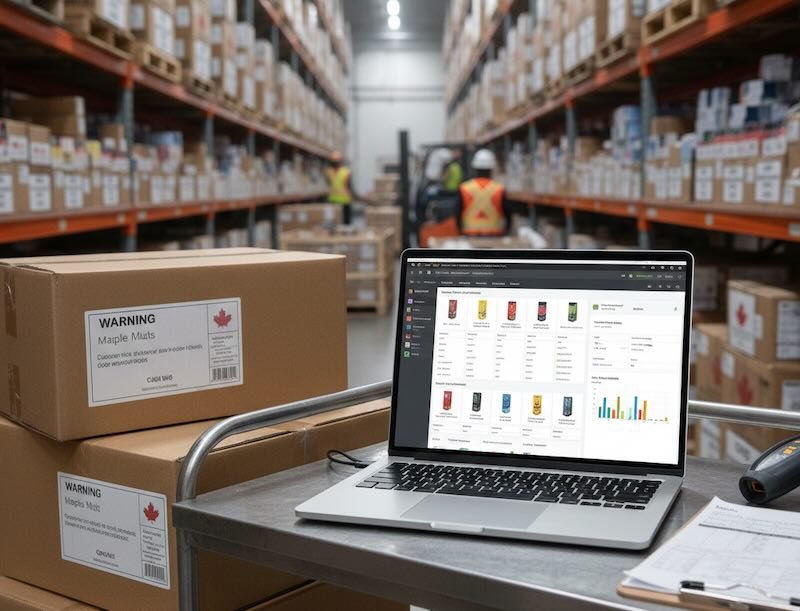
Key Steps & Considerations for Wholesale Vape Distribution
Before getting into legal frameworks or profit margins, it helps to think about the foundation. Wholesale is not about chasing trends. It is about building infrastructure.
You are creating a system that retailers depend on. That means:
Predictable stock levels
Transparent pricing
Accurate compliance documentation
Fast shipping
Consistent customer support
Retailers do not want surprises. They want to know that when they place an order, it ships on time, clears compliance, and arrives exactly as described.
Sometimes I think reliability matters even more than pricing. A retailer will accept slightly smaller margins if it means fewer problems and fewer returns.
Legal & Licensing Framework in Canada
Federal Regulation: The Tobacco and Vaping Products Act (TVPA)
The TVPA is the backbone of Canada’s vaping industry regulation. Everything flows from it. It controls:
Product ingredients
Nicotine limits
Packaging requirements
Advertising restrictions
Labeling standards
Wholesale suppliers must ensure every product they distribute aligns with this act. There is no flexibility here. If a product violates TVPA, it should not be in your warehouse, period.
Key federal compliance points:
Maximum nicotine strength of 20mg/mL
Strict labeling language
Child-resistant packaging
No youth-appealing branding
Health warnings must be visible
Even something as small as a missing warning label can make an entire shipment non-compliant.
Sometimes it feels overly cautious, but that caution protects your business long-term.
Provincial Licensing Requirements
Each province adds another layer of responsibility. Wholesale operations must:
Register as a vaping product distributor
Hold provincial permits where applicable
Follow taxation and reporting obligations
Verify retailer licensing before supplying them
For example:
Ontario requires registration with the Ministry of Finance
Saskatchewan requires a Vapour Products Licence
British Columbia has its own retail and wholesale reporting structure
Wholesale is strictly business-to-business. You cannot sell wholesale products to individuals. This distinction is fundamental.
Finding the Right Wholesale Supplier and Brand Partner
This is where JoyMini becomes relevant in a meaningful way. JoyMini operates as both a wholesaler and a brand. That matters because it reduces fragmentation. You are not dealing with one company for product creation and another for logistics. It is one unified supply chain.
Advantages of working with a wholesaler-brand hybrid like JoyMini:
Direct quality oversight
Faster compliance updates
Simplified communication
Better inventory forecasting
Stable product consistency
When you source from JoyMini, you are not just buying stock. You are partnering with a controlled ecosystem that already understands Canadian compliance standards.
Product Compliance Checklist
Before stocking any disposable vape, confirm:
Nicotine strength is within 20mg/mL
Packaging is bilingual if required
Health warnings are visible
Product design does not appeal to minors
Batch consistency is documented
It sounds repetitive, but repetition prevents mistakes.
Popular Wholesale Vape Categories
Even within wholesale, product variety matters. Retailers like choice, but they also like predictability.
Main categories:
Disposable vapes
Pod systems
Replacement pods
Nicotine salts
Zero-nicotine options
Wholesale disposable vapes remain dominant because:
They require no maintenance
They are easy for new customers
They offer fast turnover for retailers
Business Model: Inventory vs Dropshipping
Wholesale operations usually follow one of two models.
Model | Description | Pros | Cons |
|---|---|---|---|
Stock Inventory | You hold physical products | Faster shipping, control | Storage cost |
Dropshipping | Supplier ships directly | Lower overhead | Less control |
Typical Wholesale Profit Margins
Wholesale vape margins tend to range between:
15% to 35% depending on volume
Higher margins on branded products
Lower margins on bulk disposables
It is not extreme profit per unit. The strength comes from volume and consistency.
Why Retailers Choose JoyMini
Retailers look for stability. JoyMini offers:
Consistent stock
Clear wholesale pricing
Brand and wholesale under one roof
Compliance-first approach
| Feature | Generic Wholesaler | JoyMini (Wholesaler + Brand) |
|---|---|---|
| Compliance Oversight | Third-party dependent | Direct internal control |
| Supply Chain | Fragmented | Unified |
| Brand Stability | Variable | High consistency |
Pricing Strategy for Wholesale Disposable Vapes
Pricing wholesale disposable vapes is where logic meets instinct. On paper, it looks simple. You calculate your cost, add your margin, and publish a price. In reality, it feels more fluid. The market shifts quickly, regulations change, and retailers compare options more than ever.
A strong wholesale pricing strategy balances three things:
Profitability
Market competitiveness
Long-term stability
If your prices are too high, retailers quietly walk away. If they are too low, you create volume without sustainability. There is a narrow lane in the middle, and it takes time to find it.
Typical wholesale pricing factors include:
Cost of manufacturing or sourcing
Compliance and packaging updates
Shipping and warehousing
Volume-based discounts
Payment processing and risk
Sometimes I think wholesalers underestimate how much retailers value transparency. Clear pricing tiers feel safer than aggressive, constantly changing discounts.
Example pricing structure:
Tier 1: Small volume, higher per-unit cost
Tier 2: Mid volume, balanced margin
Tier 3: Large volume, tight margin but high retention
Retailers appreciate predictability more than surprise deals.
Minimum Order Quantities (MOQs) and Why They Matter
MOQs are not just about protecting profit. They are about protecting operations.
Without MOQs:
Shipping becomes inefficient
Order processing becomes chaotic
Inventory planning becomes unreliable
A reasonable MOQ helps you:
Forecast inventory
Reduce packing labor
Improve shipping accuracy
Keep margins consistent
Most professional wholesale operations use MOQs as a filtering system. It ensures you work with serious retailers who are committed to the category.
There is always hesitation at first. Retailers sometimes push back. But once relationships stabilize, MOQs become normal.
Building Retailer Trust
Trust is not created through pricing. It is created through repetition.
Retailers trust wholesalers who:
Ship when they say they will
Communicate clearly
Handle issues without defensiveness
Provide stable stock levels
I think many wholesalers focus too heavily on acquisition and not enough on retention. A returning retailer is worth more than five new leads.
Ways JoyMini strengthens trust:
Clear wholesale terms
Brand-backed product consistency
Compliance-first product selection
Marketing Compliance in Canada
Marketing wholesale vapes is a careful process. Canada does not allow promotional tactics that could appeal to youth or promote lifestyle branding.
That means:
No lifestyle imagery
No flavor-centric excitement
No exaggerated performance claims
No youth-associated language
Wholesale marketing should feel professional, almost clinical:
Product specifications
Compliance confirmation
Reliability messaging
Business partnership language
Your marketing is not trying to excite. It is trying to reassure.
Retailer Acquisition Strategy
Most wholesalers expect marketing to look flashy. In this industry, quiet credibility performs better.
Effective acquisition channels:
Direct outreach to licensed retailers
Trade directories
Industry referrals
B2B email outreach
Existing retailer recommendations
Retailers are cautious. They want stability, not novelty.
Inventory Planning and Risk Control
Inventory management is where wholesalers quietly win or lose.
Common mistakes:
Overstocking trendy products
Underestimating regulatory changes
Ignoring slow-moving SKUs
A disciplined inventory system includes:
Monthly turnover analysis
Compliance review schedule
Supplier communication cadence
It is not exciting work, but it keeps businesses alive.
Wholesale vs Retail: A Quick Comparison
Aspect | Wholesale | Retail |
|---|---|---|
Target Customer | Licensed businesses | End consumers |
Margin | Lower per unit | Higher per unit |
Volume | High | Moderate |
Compliance Burden | Very high | High |
Relationship Type | Long-term B2B | Transactional |
Wholesale feels slower, but it scales better.
Wholesale Growth Is About Stability
The longer I look at wholesale vape distribution, the clearer it becomes. This is not about hype. It is about consistency.
Some days are boring.
Some weeks feel repetitive.
That repetition is what builds revenue.
Wholesale is not a sprint. It is infrastructure.
Wholesale Readiness Checklist
| Area | Requirement | Status |
|---|---|---|
| Licensing | Provincial permits obtained | ⬜ |
| Compliance | TVPA packaging verified | ⬜ |
| Inventory | Stable stock forecasting system | ⬜ |

FAQ
Is it legal to sell wholesale disposable vapes in Canada?
Yes, wholesale vape distribution is legal in Canada when you operate within the Tobacco and Vaping Products Act and comply with provincial licensing rules. All products must meet federal packaging, labeling, and nicotine regulations.
Do wholesalers need provincial licenses?
Yes. Each province has its own registration or licensing requirements for wholesalers and distributors. These are mandatory before any wholesale transactions can occur.
Can wholesale vape products be sold to individuals?
No. Wholesale pricing and distribution are strictly for licensed businesses. Retailers are responsible for selling to consumers under provincial law.
What is the maximum nicotine strength allowed?
Canada limits nicotine concentration to 20mg/mL. Any product exceeding this is not compliant for legal distribution.
How does JoyMini support compliance?
JoyMini operates as both a brand and wholesaler, allowing direct control over product formulation, packaging, and labeling to ensure alignment with Canadian regulations.
Final Thoughts
Wholesale disposable vape distribution in Canada is not about shortcuts. It is about discipline. It is about respecting the framework that exists, even when it feels slow or overly cautious.
There are moments when the industry feels restrictive. And maybe it is. But those restrictions create stability. They protect legitimate businesses from chaos.
JoyMini’s position as both a wholesaler and a brand is not just convenient. It is strategic. It removes layers of uncertainty that most wholesalers struggle with.
Wholesale success here is built on:
Compliance
Reliability
Repetition
Quiet professionalism
Not excitement. Not trends. Just structure.
And sometimes, that is exactly what makes it profitable.