
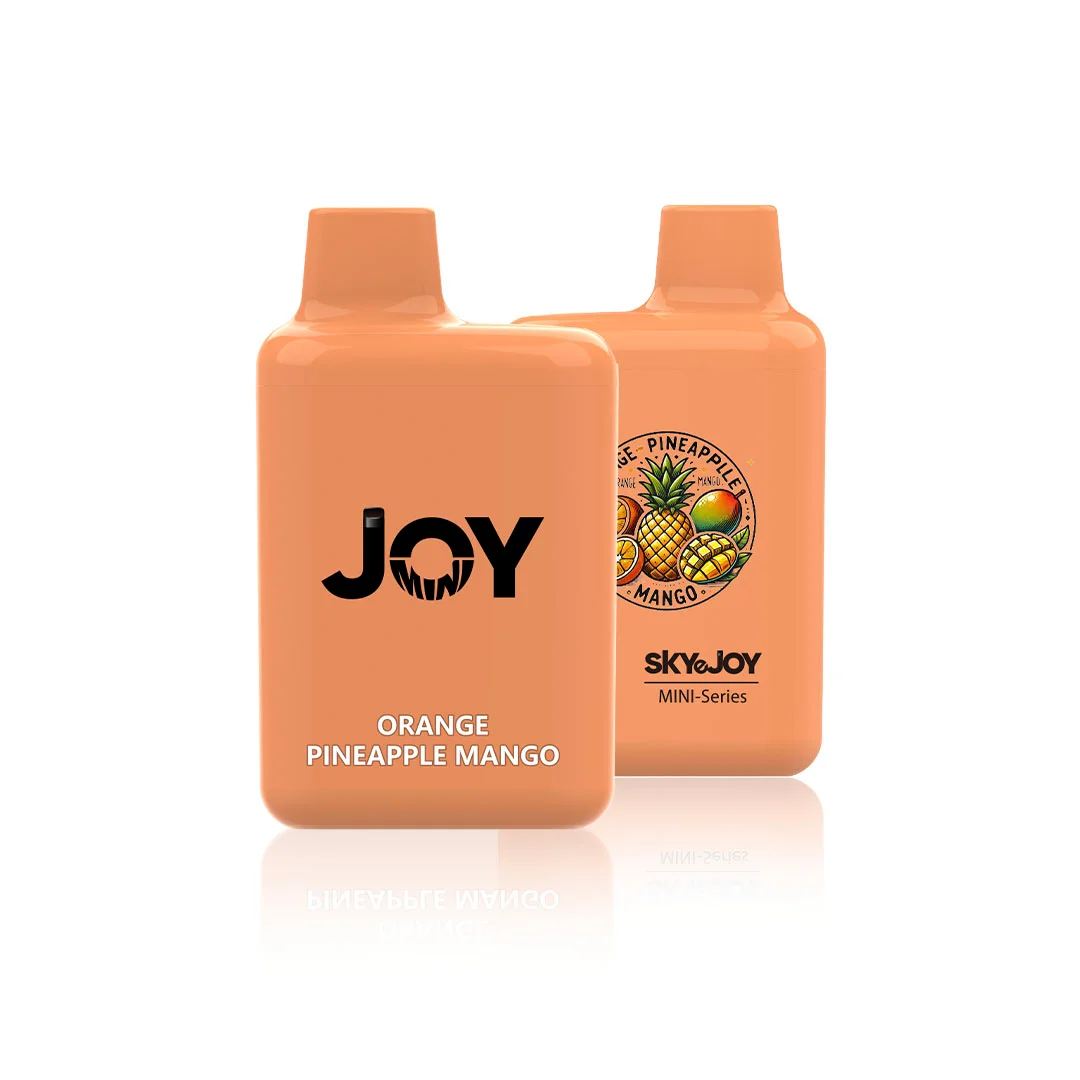
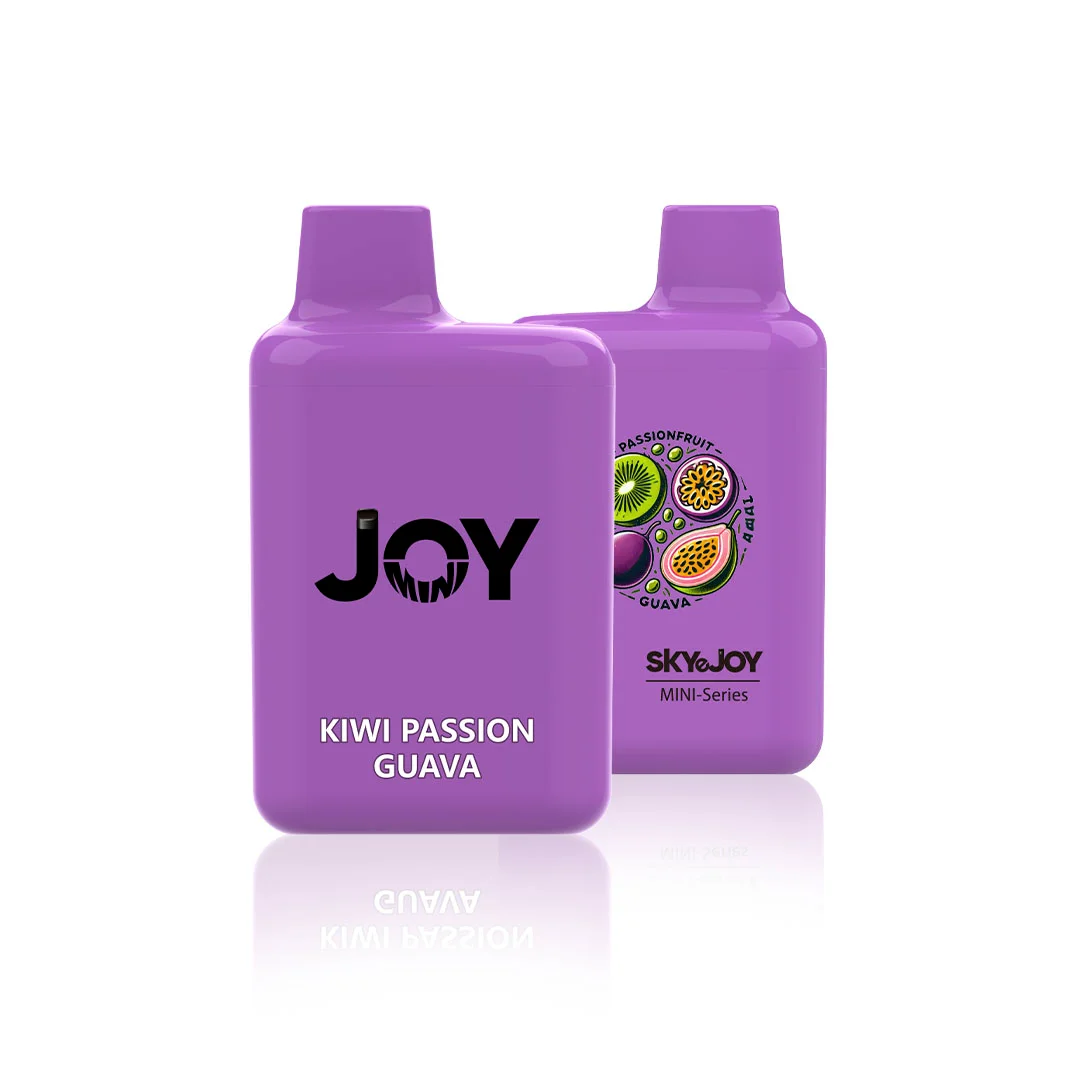
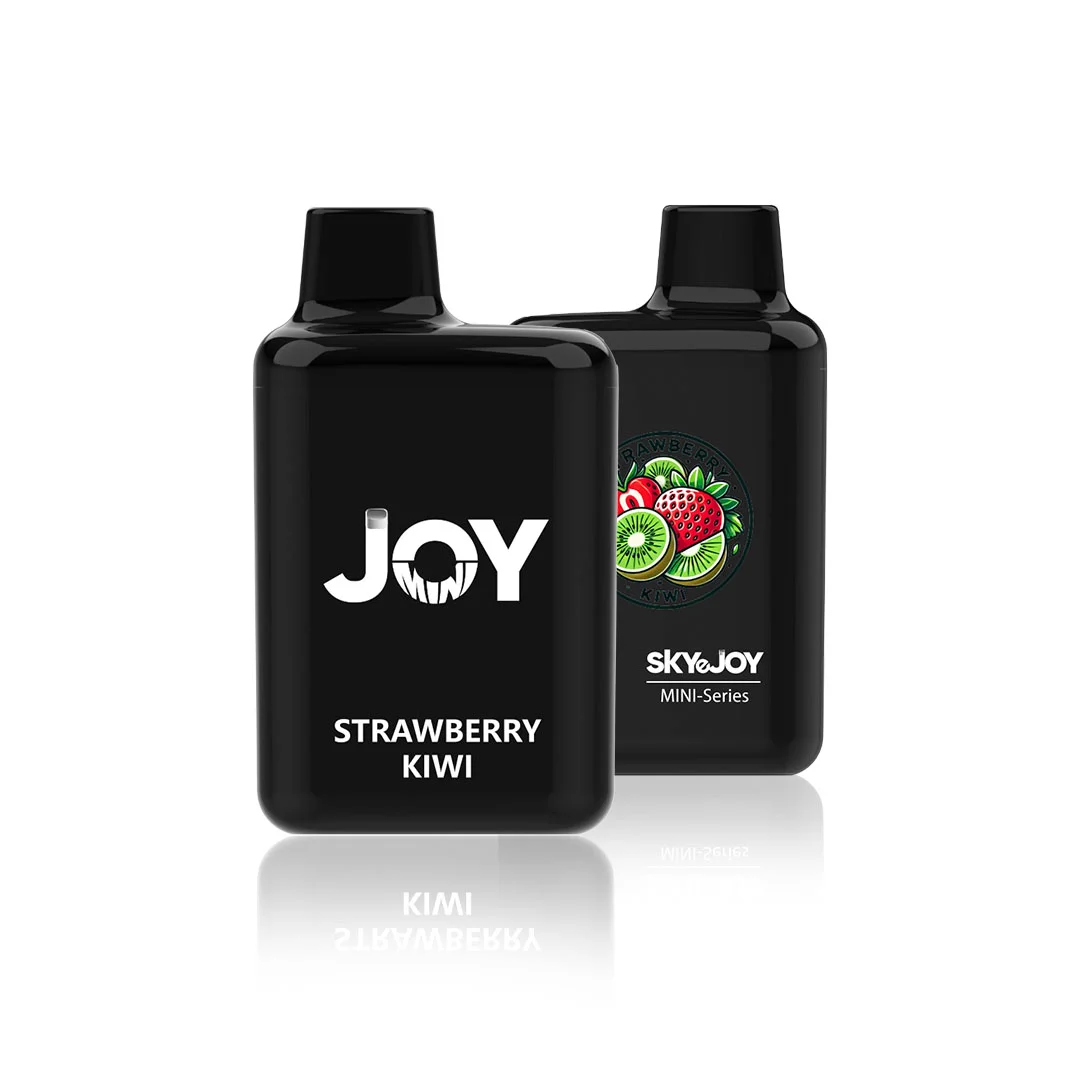
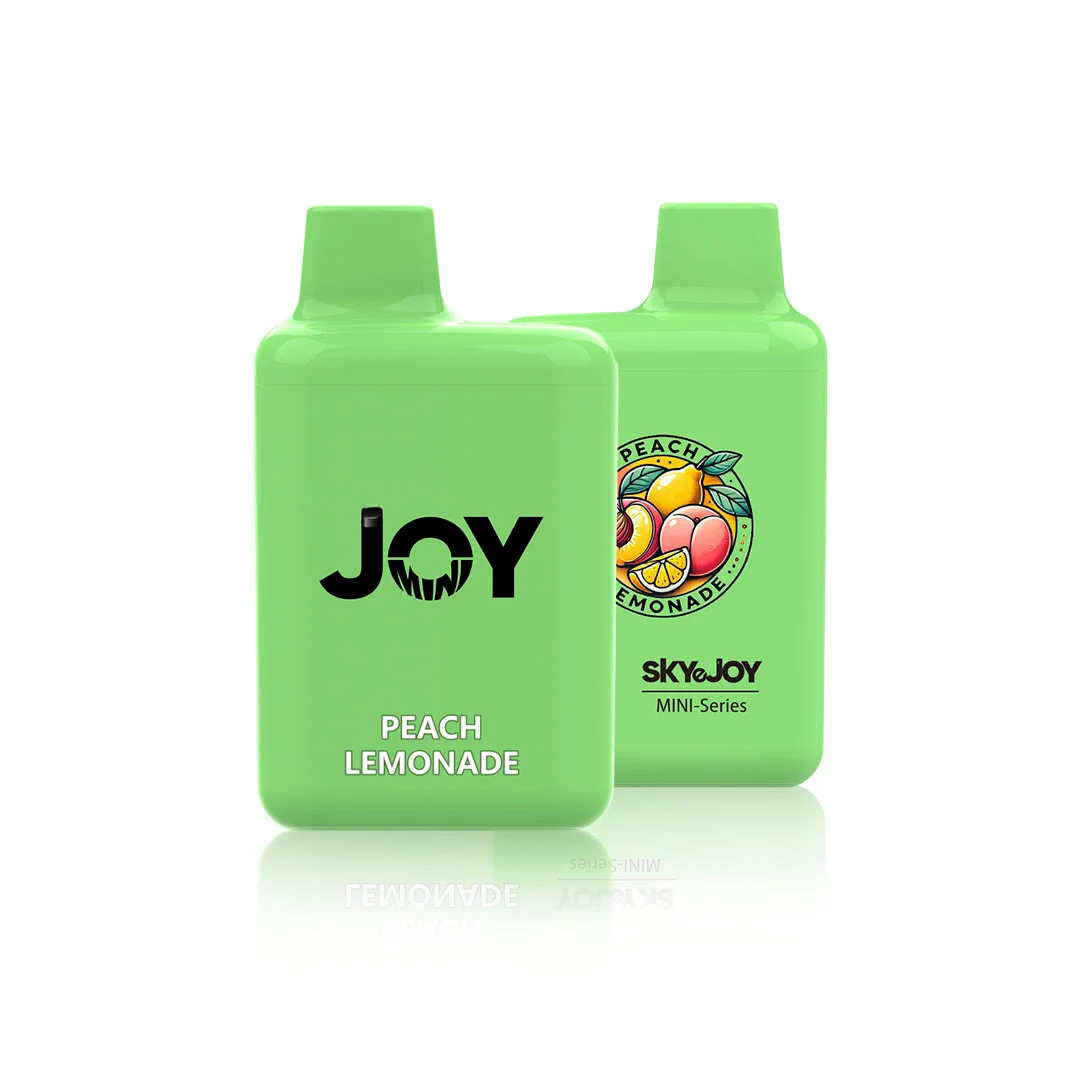
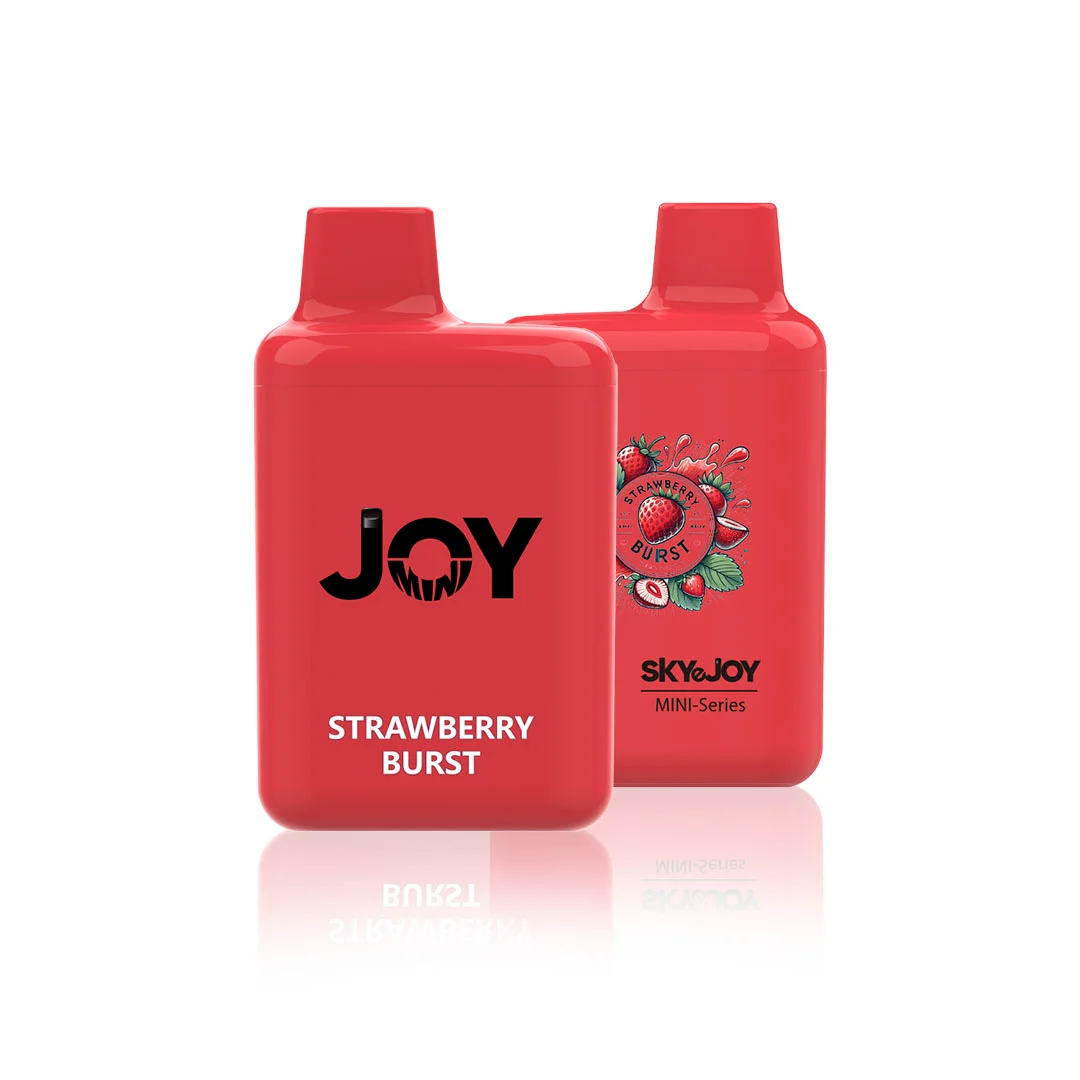
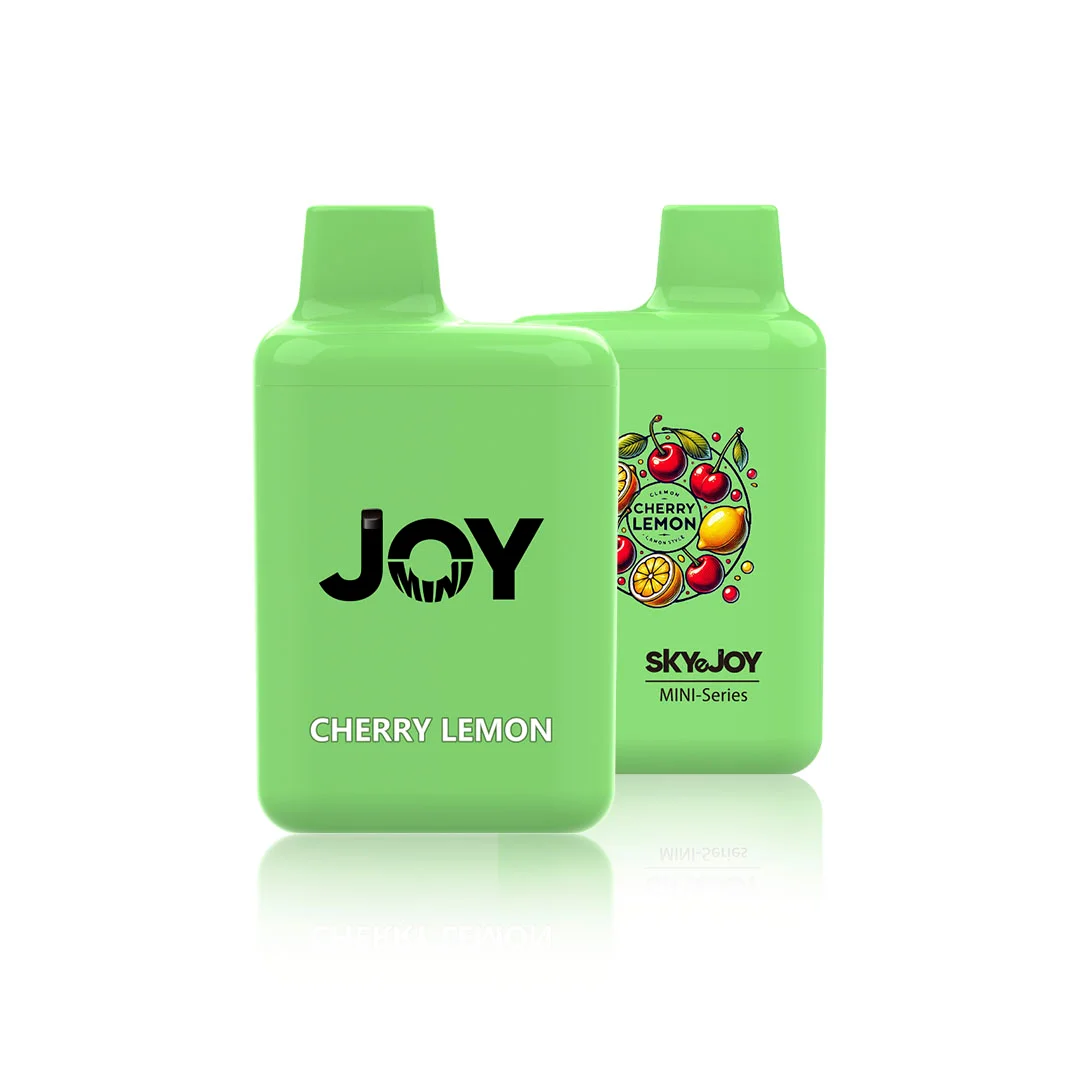
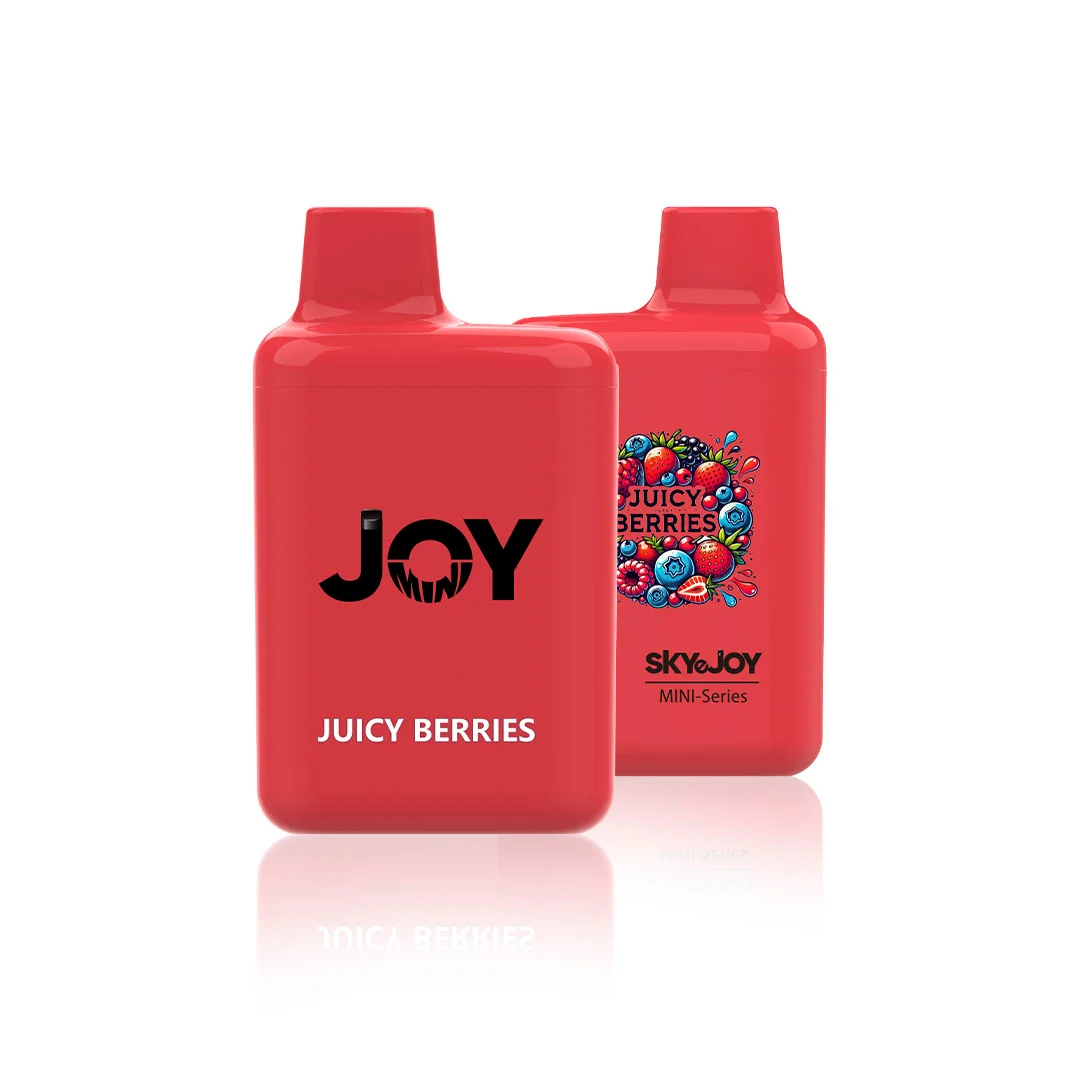
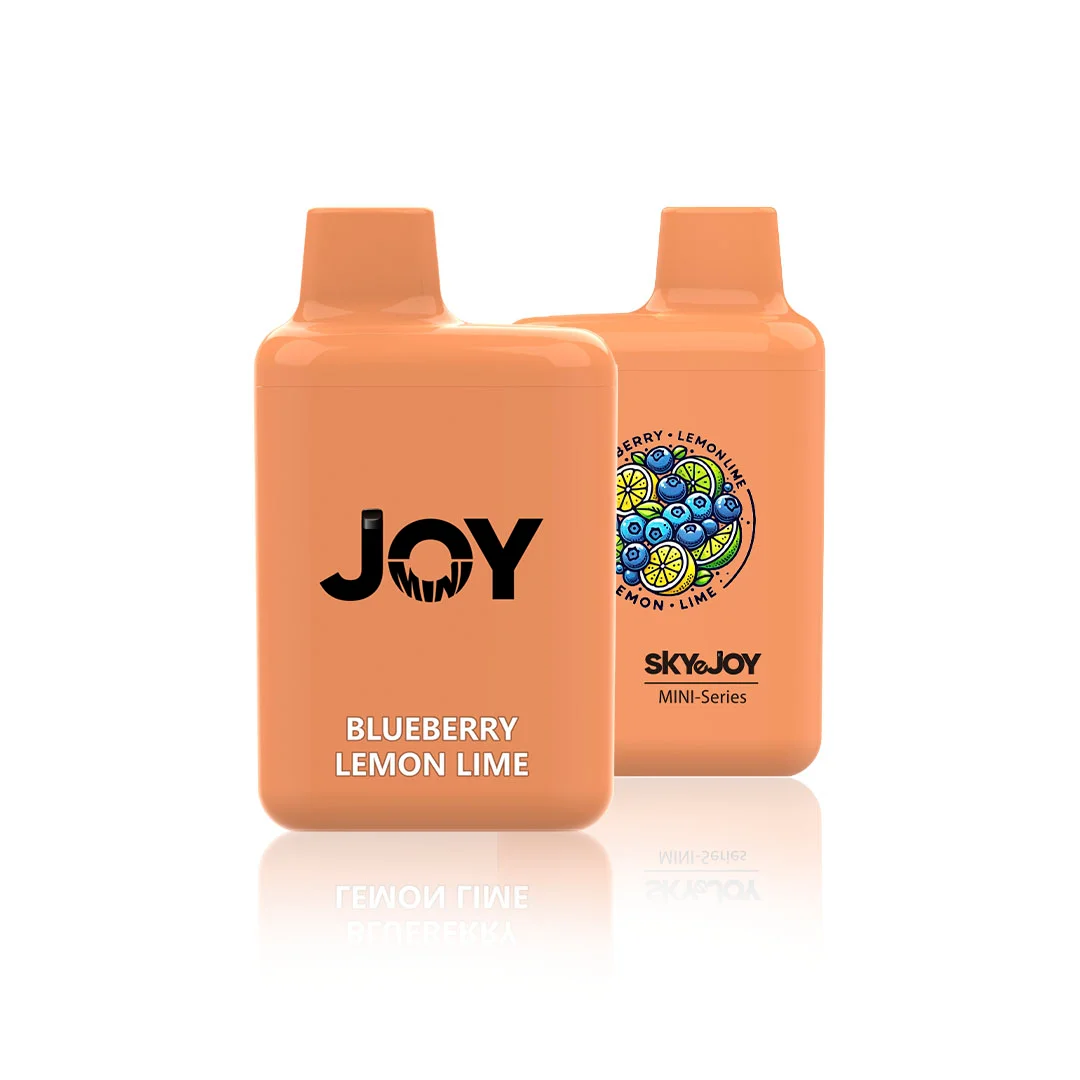

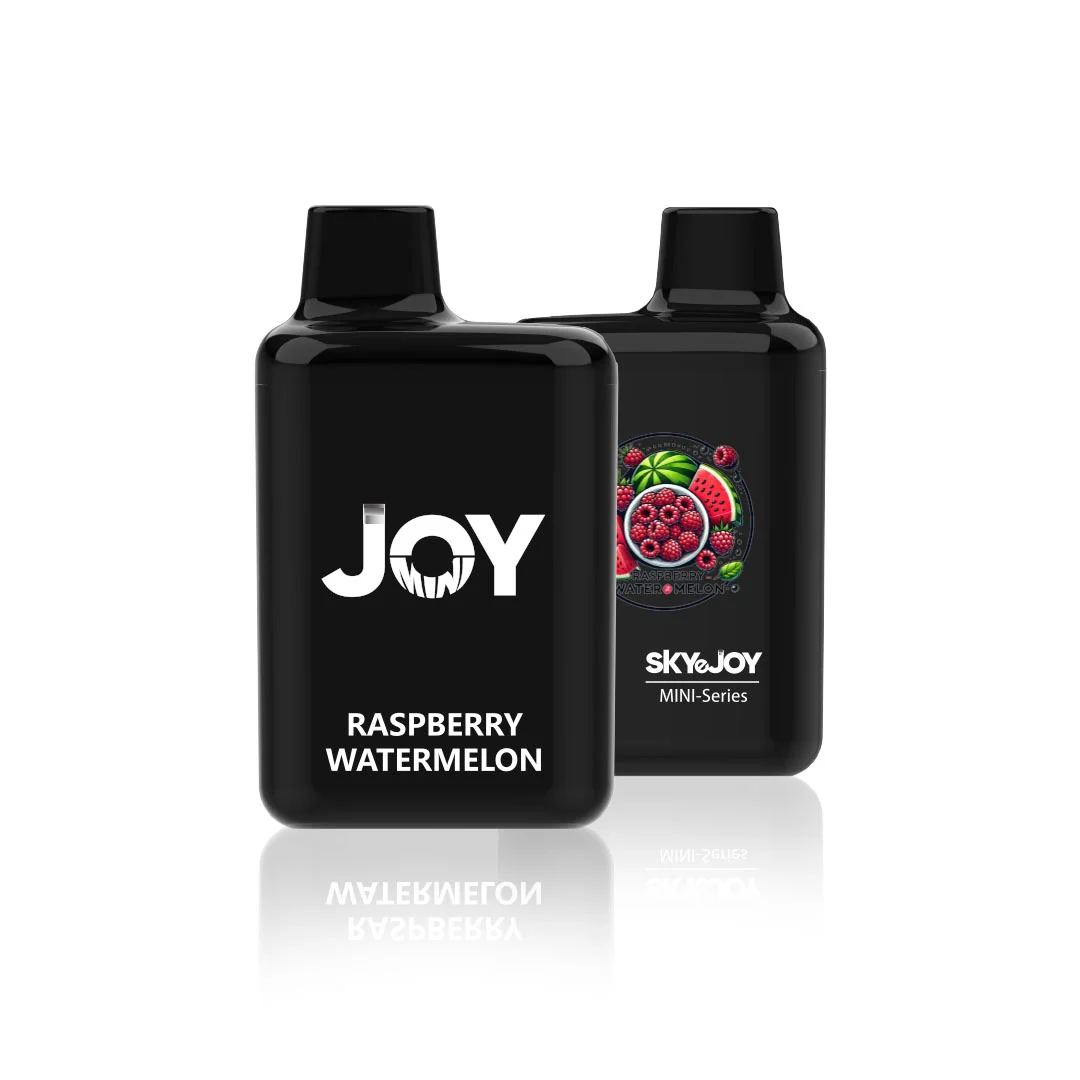

Disposable vapes are small, single-use electronic vaping devices that come pre-filled with e-liquid, usually containing nicotine salts, and pre-charged for immediate use. You open the package, take a puff, and that is it, no setup, no refilling, no buttons, no learning curve. Once the e-liquid runs out or the battery dies, the entire device is simply thrown away. That simplicity is exactly why disposable vapes have exploded in popularity over the last few years.
They heat a liquid into vapor for inhalation and typically offer anywhere from a few hundred to several thousand puffs, depending on the model. Most are puff-activated, meaning they work automatically when you inhale, and the designs are intentionally minimal, lightweight, and approachable. That makes them especially appealing to beginners, casual users, and smokers looking for a low-friction way to switch to vaping.
Of course, that convenience comes with trade-offs. Cost adds up faster compared to refillable systems, and the environmental impact is becoming harder to ignore. Still, disposable vapes continue to dominate shelves and online stores, especially in Canada. I think it is partly because people value simplicity more than ever, even when they know it is not the most sustainable option.
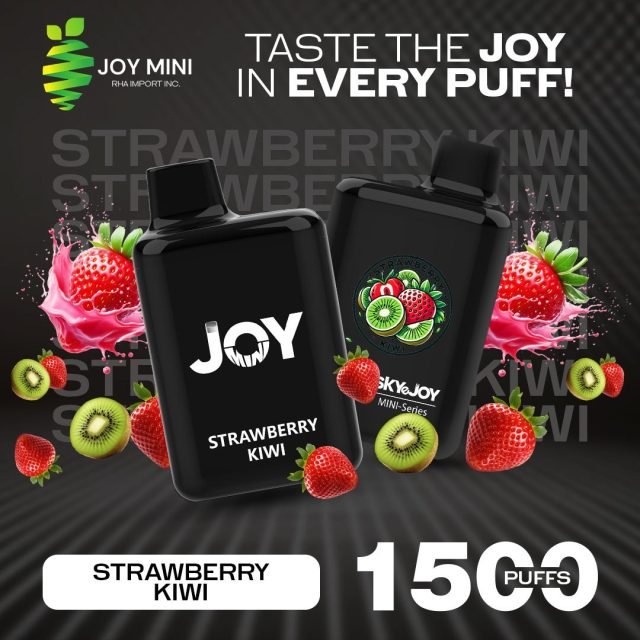
If you are browsing options online, you will see many compact disposable devices available at stores like JoyMini, often with different nicotine strengths and flavor profiles to match different preferences.
Explore current disposable vape options here: https://joymini.ca/

Key Characteristics of Disposable Vapes
Disposable vapes may look simple on the outside, but inside they follow a very specific design philosophy that prioritizes ease of use above everything else. These are the defining traits that separate them from refillable vape kits and pod systems.
Pre-filled and Pre-charged
Every disposable vape comes with a fixed amount of e-liquid already loaded inside and a battery that is charged before packaging. You do not need to add liquid, connect to power, or press any buttons. This is one of the biggest selling points for new users who feel overwhelmed by traditional vaping gear.
Single-Use by Design
Once the e-liquid runs out or the battery no longer holds enough charge, the entire unit is discarded. There are no replacement coils, no refill ports, and no upgrade paths. It is a one-and-done device, by intention.
Extremely Convenient
No coils to burn out. No tanks to leak. No messy refilling. Disposable vapes remove almost every friction point that used to scare people away from vaping. I have heard multiple people say they only tried vaping because disposables felt “safe” to experiment with first.
Puff-Activated Function
There are no buttons involved. When you inhale through the mouthpiece, a sensor detects airflow and activates the heating coil automatically. It feels closer to smoking in terms of habit and rhythm, which is probably why smokers tend to adapt quickly.
All-in-One Internal Components
Each disposable contains a compact battery, a heating coil or atomizer, a cotton wick, and an enclosed e-liquid reservoir. Everything is sealed into one lightweight unit. You never see the inner parts, and you are not meant to interact with them at all.
Nicotine Salt E-Liquid
Most disposables use nicotine salts instead of freebase nicotine. This allows for higher nicotine strength with a smoother throat hit. That is why even smaller devices can feel surprisingly satisfying. Flavor options tend to range from fruit blends and icy mixes to dessert and beverage-inspired profiles.
How Do Disposable Vapes Work?
The technology inside a disposable vape is fairly simple, but it helps to understand what is happening when you take a puff. I remember being genuinely curious the first time I tried one, because it felt almost too easy.
Here is the basic process:
You inhale through the mouthpiece
An airflow sensor detects the draw
The battery sends power to the heating coil
The coil heats the wick soaked in e-liquid
The liquid turns into vapor
You inhale the aerosol and exhale it
This cycle repeats hundreds or thousands of times until either the e-liquid is fully used up or the battery can no longer generate enough power to heat the coil. At that point, the vapor weakens or disappears entirely, and the device is considered finished.
There is no warning system on most disposables. You usually notice it slowly losing flavor or vapor output. Sometimes it feels a bit abrupt, which can be mildly annoying if you were not expecting it.
Why Are Disposable Vapes So Popular?
Disposable vapes did not become mainstream by accident. Their growth is tied closely to changing user behavior, convenience culture, and the demand for instant gratification.
Low Commitment for Beginners
For first-time users, disposables remove most barriers. There is no investment in equipment. No tutorials needed. No maintenance anxiety. You can try vaping without feeling locked into anything long-term.
Portability and Discretion
They are pocket-sized, lightweight, and easy to hide. Many people like that they resemble USB sticks or small tech gadgets rather than bulky devices.
Strong, Consistent Nicotine Delivery
Thanks to nicotine salts, disposables deliver a fast and smooth nicotine hit. For smokers transitioning to vaping, this is often the deciding factor. It feels familiar enough to stick.
Flavor-Driven Experience
Flavors play a major role in disposable popularity. From tropical fruit and mint blends to candy-inspired profiles, variety is endless. Some people switch flavors constantly just to avoid boredom.
Environmental Impact of Disposable Vapes
This is where things get uncomfortable. Disposable vapes create a significant amount of electronic waste. Each unit contains plastic, lithium batteries, metal components, and chemical residue from e-liquid. Most users throw them in regular trash, where they end up in landfills.
The problem is not just volume. It is the complexity of recycling. These devices cannot be easily disassembled by consumers, and many recycling facilities are not equipped to handle lithium battery separation at scale. So even people who want to recycle properly often cannot.
There is growing pressure for better disposal solutions, and some retailers are experimenting with recycling programs. Still, adoption remains limited. If convenience powered the rise of disposables, environmental responsibility is now becoming the counterweight. I think this tension will shape how the category evolves over the next few years.
Cost Considerations, Short Term vs Long Term
On the surface, disposable vapes appear affordable. One device usually costs less than a traditional vape kit. That makes the entry point feel painless.
But long term, the math changes.
If someone uses one disposable every couple of days, the monthly cost can easily exceed what they would spend on a refillable system with replacement coils and bottled e-liquid. It is not always obvious until you actually track spending over a few months.
Disposable vapes trade lower upfront cost for higher ongoing cost. Some users are fine with that. Others switch to refillable systems once the novelty fades.
Health Considerations and Ongoing Research
While disposable vapes remove smoke and tar associated with traditional cigarettes, they still deliver nicotine and other chemicals. The long-term health effects of inhaling flavored vapor are still being studied. Metals from heating components, flavoring compounds, and high nicotine concentrations all contribute to ongoing concern.
For adult smokers switching away from combustible cigarettes, many health experts consider vaping to be a harm reduction tool rather than a harmless alternative. That distinction matters. Disposables are not risk-free, even though they may be lower risk than smoking.
Types of Disposable Vapes You Will See Online
Not all disposable vapes are built the same. Even without mentioning specific brands, you will notice a few clear categories when shopping.
Low puff count devices, typically 300 to 800 puffs
Mid-range devices, around 1500 to 3500 puffs
High-capacity disposables that can exceed 5000 puffs
Rechargeable disposable hybrids, still single-use but with USB charging to extend battery life
Each category targets a different kind of user. Casual users usually prefer smaller devices. Heavier users gravitate toward higher-capacity models to avoid constant replacements.
Disposable Vapes at a Glance
| Feature | Disposable Vapes |
|---|---|
| Refilling | Not possible, pre-filled |
| Charging | Pre-charged, some rechargeable disposables exist |
| Ease of Use | Very high, inhale to activate |
| Maintenance | None |
| Environmental Impact | High electronic waste if not recycled |
| Long-Term Cost | Higher than refillable systems |
Disposable Vapes vs Refillable Vapes, Which One Actually Makes Sense?
People ask this a lot, sometimes even in the middle of a vape shop aisle. And honestly, the answer changes depending on the person. Disposable vapes and refillable systems solve very different problems, even though they look similar on the surface.
Disposable vapes are about zero commitment. You grab one, use it, discard it. Refillable vapes demand a bit of learning, some patience, and occasional maintenance. Some people enjoy that process. Others absolutely do not.
Disposable vs Refillable
| Category | Disposable Vape | Refillable Vape |
|---|---|---|
| Ease of Use | Extremely easy, no setup | Moderate learning curve |
| Upfront Cost | Low | Higher |
| Long-Term Cost | High if used daily | Lower over time |
| Maintenance | None | Coil changes, refilling, cleaning |
| Flavor Flexibility | Fixed per device | Unlimited via refill bottles |
| Environmental Impact | High waste output | Lower waste |
| Portability | Excellent | Good but bulkier |
How Long Do Disposable Vapes Actually Last?
This is one of those questions where the answer is always, it depends. Puff count is not a precise science. It is an estimate based on controlled testing, not real human behavior.
A disposable rated for 1500 puffs will not last the same amount of time for everyone. Slow, gentle draws extend lifespan. Long, deep inhales shorten it. Cold weather reduces battery efficiency. Chain vaping drains it quickly. Small details add up.
Here is a realistic breakdown.
| Puff Rating | Light User | Moderate User | Heavy User |
|---|---|---|---|
| 600 Puffs | 4 to 6 days | 2 to 3 days | 1 day |
| 1500 Puffs | 10 to 14 days | 6 to 8 days | 3 to 4 days |
| 3000 Puffs | 3 to 4 weeks | 2 weeks | 7 to 9 days |
| 5000+ Puffs | Over 1 month | 3 to 4 weeks | 2 weeks |
Understanding Nicotine Strength in Disposable Vapes
Most disposable vapes use nicotine salts, and this changes how nicotine feels in your body.
Nicotine salt allows for higher concentration with less throat irritation. That is why 20 mg or even 50 mg can feel smooth. With traditional freebase nicotine, those levels would feel harsh very quickly.
| Nicotine Strength | Best For | Experience Level |
|---|---|---|
| 0 mg | Flavor only, no nicotine | Non-smokers, casual users |
| 10 to 20 mg | Light to moderate smokers | Beginner friendly |
| 30 to 35 mg | Pack-a-day smokers | Intermediate users |
| 50 mg | Heavy smokers | Advanced tolerance only |
Who Should Use Disposable Vapes and Who Probably Should Not?
Disposable vapes are not universal solutions. They suit certain people very well, and others not at all.
Disposable Vapes Are a Good Fit If:
You are trying vaping for the first time
You want something with no maintenance
You travel frequently and want portability
You do not want to commit to a device ecosystem
You like switching flavors often
Disposable Vapes Are Probably Not Ideal If:
You vape heavily every day
You care deeply about reducing waste
You want full control over e-liquid selection
You want lowest possible long-term cost
There is no right or wrong choice here. It is about how much effort you are willing to put into your habit. Some people want simplicity and stay that way. Others slowly migrate to refillables over time.
Are Disposable Vapes Safer Than Cigarettes?
This is where nuance matters. Disposable vapes do not burn tobacco. That alone eliminates many toxic byproducts of combustion, like tar and carbon monoxide. From a harm reduction standpoint, they are widely considered less harmful than smoking.
That does not mean harmless.
They still deliver nicotine, still expose lungs to heated aerosols, and still carry unknown long-term risks related to flavor compounds and metals. The research is ongoing. Anyone who says the science is fully settled is probably oversimplifying.
For adult smokers struggling to quit cigarettes, disposable vapes can be a stepping stone. For non-smokers, starting nicotine use through vaping is generally discouraged by health authorities.
Buying Guide for Disposable Vapes in 2026
Shopping for a disposable vape is easy on the surface, but a few small decisions make a big difference in satisfaction.
1. Puff Count
Do not automatically choose the highest number. Bigger is not always better. If you get bored with flavors, a massive puff count device might feel like a commitment you did not want.
2. Nicotine Level
Match it to your smoking history, not your curiosity. Higher is not more impressive. It is just stronger.
3. Flavor Category
Fruit, menthol, dessert, beverage inspired. Most users rotate between two or three favorite profiles over time.
4. Size and Portability
Slim stick shapes disappear into pockets. Larger devices last longer but feel bulkier.
5. Rechargeable Disposable or Not
Some modern disposables include USB charging. They still get thrown away but reduce battery waste and ensure every drop of e-liquid is used.
You can browse multiple disposable formats and strengths here:
Environmental Responsibility and Proper Disposal
This part often gets skipped, but it matters. Disposable vapes contain lithium-ion batteries. Throwing them directly into household trash increases fire risk in waste facilities. If local recycling programs accept electronic waste or small batteries, that is always the better path.
Some retailers are beginning to introduce disposable recycling bins. Adoption is slow, but it is starting. Small steps still count. Even using rechargeable-disposable hybrids helps reduce total battery waste.
Internal User Behavior Patterns, What Data Suggests
From observed trends across online stores, a few clear behaviors stand out:
Most users switch flavors after every 2 to 4 devices
Mid-range puff counts sell more consistently than ultra-high
Nicotine 20 mg to 35 mg has the widest user base
New users almost always start with disposable before upgrading
This consumer flow explains why disposables remain dominant even with rising environmental awareness.
Frequently Asked Questions About Disposable Vapes
Do disposable vapes expire?
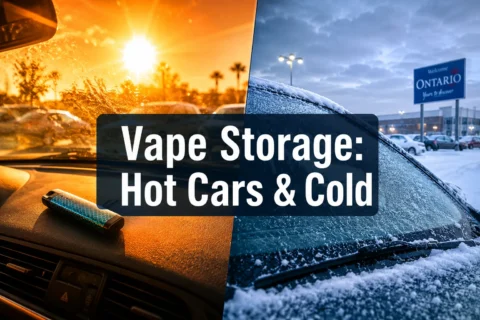
Yes. Most have an expiration date printed on packaging. Stored long enough, the e-liquid can oxidize and the battery can degrade.
Can you recharge every disposable vape?
No. Only models designed with charging ports can be safely recharged. Trying to recharge sealed devices is unsafe.
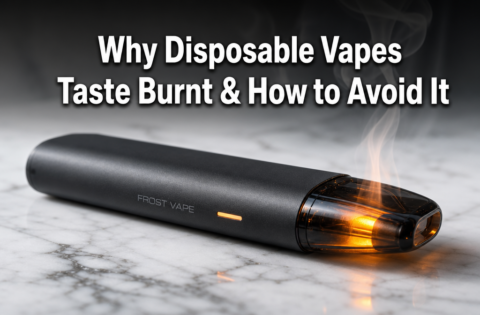
Why does my disposable taste burnt?
Either the e-liquid is finished or the wick dried from chain vaping. Once it tastes burnt, the device is effectively done.
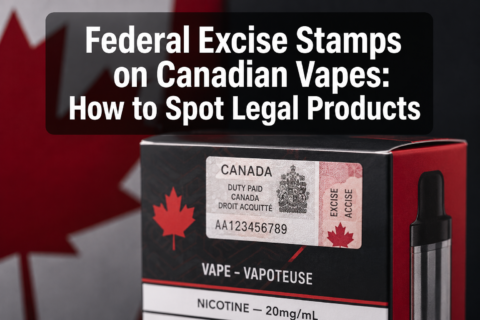
Are disposable vapes legal in Canada?
Yes, for adult use, subject to nicotine limits and provincial regulations.
Can disposable vapes leak?
They can, especially when exposed to extreme heat or air pressure changes during flights.
Final Thoughts
Disposable vapes exist because people value simplicity. No instructions. No tools. No maintenance. That simplicity is powerful, and it explains their dominance in the market. At the same time, cost and environmental responsibility create an unavoidable tension. Convenience always comes with a price, sometimes financial, sometimes ecological.
For beginners, disposables feel like training wheels. For others, they become a permanent choice. Neither path is wrong. The important part is understanding what you are using and why.